Epstein files: What is 'Redaction' and how it could make today's release useless

The most common tool for hiding names is Personally Identifiable Information (PII) protection. Federal law requires the removal of social security numbers, home addresses, and phone numbers.
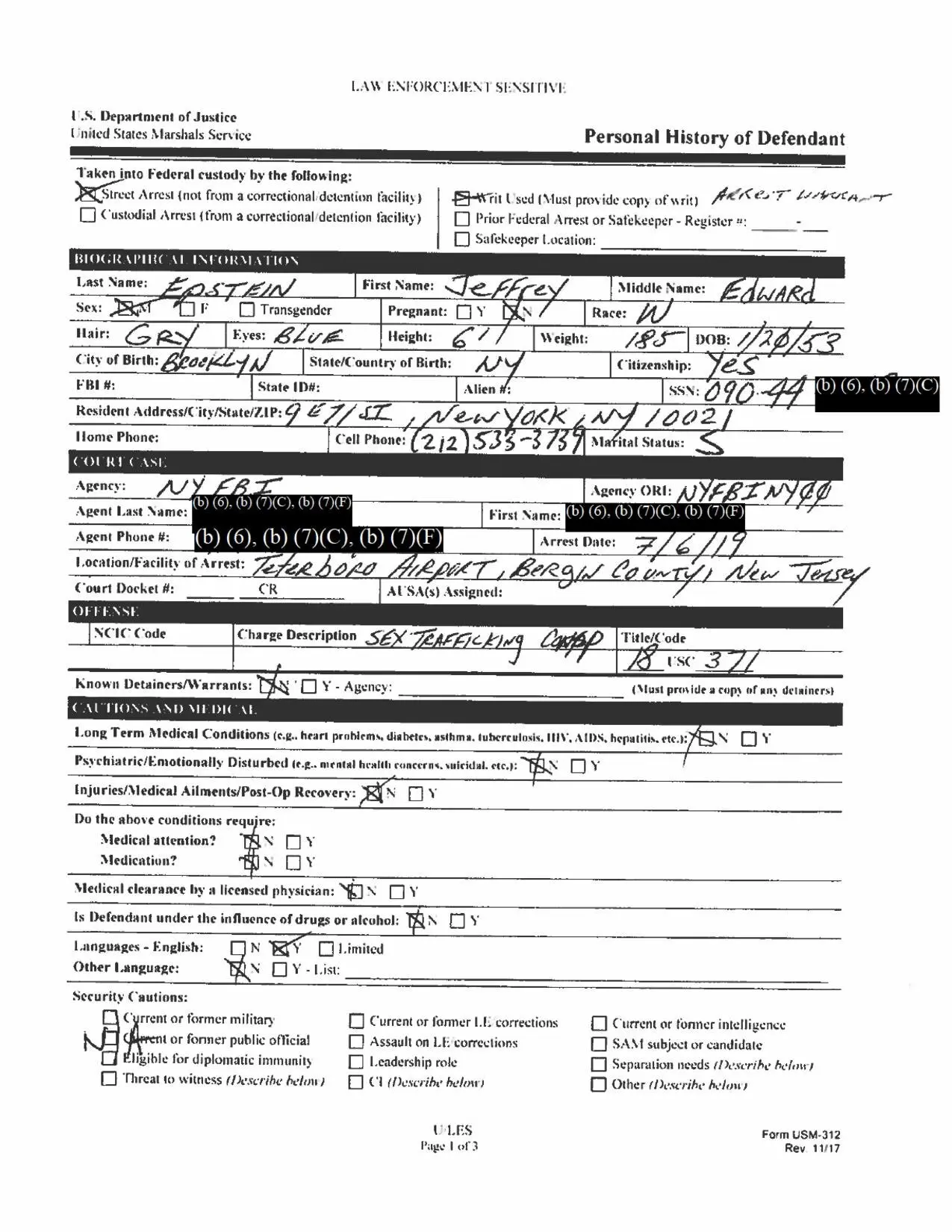
1. What is Redaction? (The "Black Marker" Reality)
In legal terms, "redaction" is the process of censoring sensitive information from a document before it is released to the public. Visually, it appears as thick black bars or empty white boxes covering text. For the Epstein files, DOJ lawyers are digitally scrubbing thousands of pages. While the Epstein Files Transparency Act mandates release, it also mandates these edits. This means you might read a sentence like, "Epstein flew to Paris with [REDACTED] and [REDACTED]," leaving the public to guess who was on the plane.
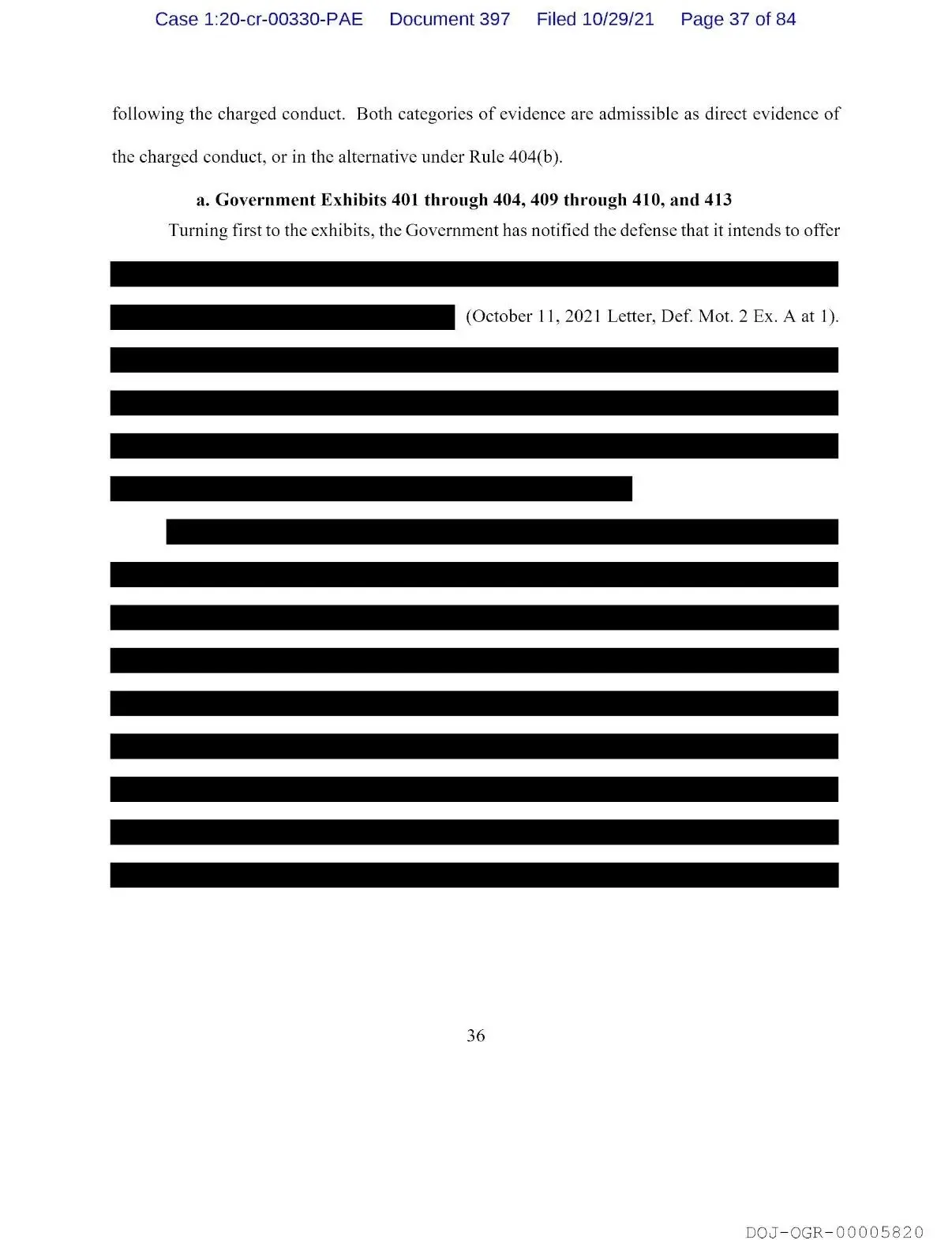
2. The "Privacy" Shield (PII)
The most common tool for hiding names is Personally Identifiable Information (PII) protection. Federal law requires the removal of social security numbers, home addresses, and phone numbers. However, high-profile lawyers often argue that revealing a name violates a client's privacy if they haven't been charged with a crime. This allows powerful figures to remain as "John Doe" or "Jane Doe" in the files, technically released but practically anonymous.
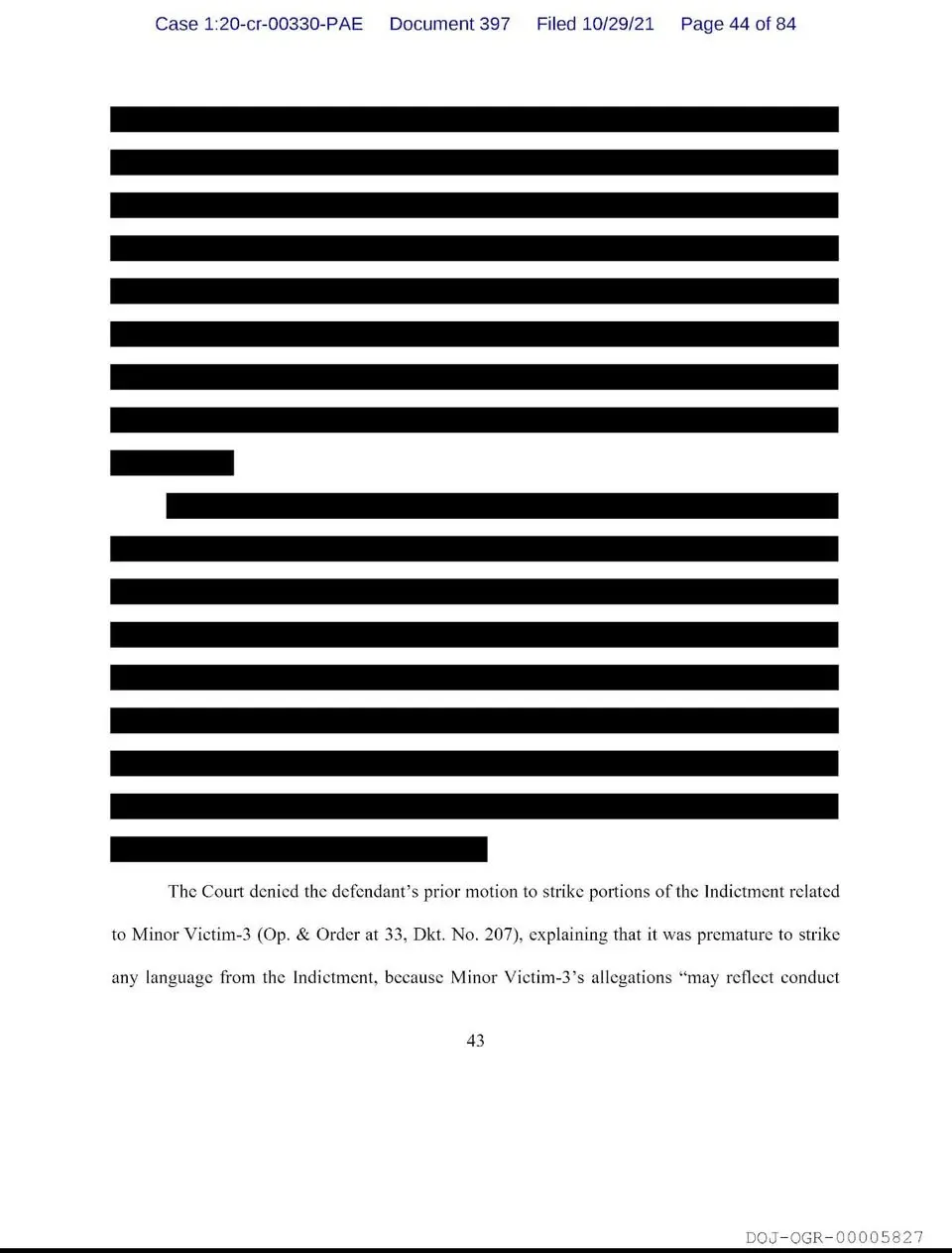
3. The "Fake Victim" Strategy
This is the ultimate loophole for elites. The law strictly protects the identities of sex crime victims to prevent revictimisation. Legal experts warn that some wealthy associates of Epstein may argue they were "victims" of his blackmail scheme rather than co-conspirators. If the DOJ accepts this classification, their names will be legally sealed to "protect" them, effectively using the victim shield to hide their complicity.

4. The "Ongoing Investigation" Trap
The Transparency Act contains a specific clause: documents can be withheld if they "endanger an ongoing federal investigation". With Attorney General Pam Bondi recently opening a new probe into Epstein’s political connections, the DOJ can legally argue that releasing certain explosive names would tip off targets or compromise witnesses. This could turn the "Client List" into a "To Be Continued" saga, keeping the biggest names hidden until a future indictment that may never come.

5. The "CSAM" Firewall
The darkest reason for redaction is Child Sexual Abuse Material (CSAM). Under 18 USC 2256, it is a federal crime to distribute descriptions or images of child abuse. Investigative reports often contain graphic details of the abuse to prove guilt. The DOJ must redact these descriptions entirely. While necessary for decency, this means the specific acts committed by Epstein’s guests will likely be scrubbed, sanitising the horror of what actually happened at Zorro Ranch or Little St. James.

6. The "Third Party" Defense
Many people named in the files are “third parties” flight attendants, housekeepers, or drivers who witnessed crimes but didn't commit them. Their names are routinely redacted to protect them from harassment. However, a billionaire's defence team might argue their client was merely a "witness" or "bystander" at a party, grouping them with the staff to justify scrubbing their name from the record.
7. The Result: "Swiss Cheese" Transparency
The danger tonight is not that the files won't be released, but that they will be rendered useless. If every recognisable name is replaced with "J. Doe" and every crime is covered by a black bar for "victim protection," the public will get thousands of pages of nothing. The Transparency Act was designed to open the vault, but "Redaction" is the lock that might keep the truth safe inside.
)
)
)
)
)