Epstein files released: DOJ docs reveal Government was tracking Epstein, but did nothing to stop him

New Department of Homeland Security (DHS) records reveal a disturbing paradox in the Jeffrey Epstein saga: The government wasn't ignoring him. In fact, they were watching him closely.

1. The "Four Female Pax" Incident (2006)
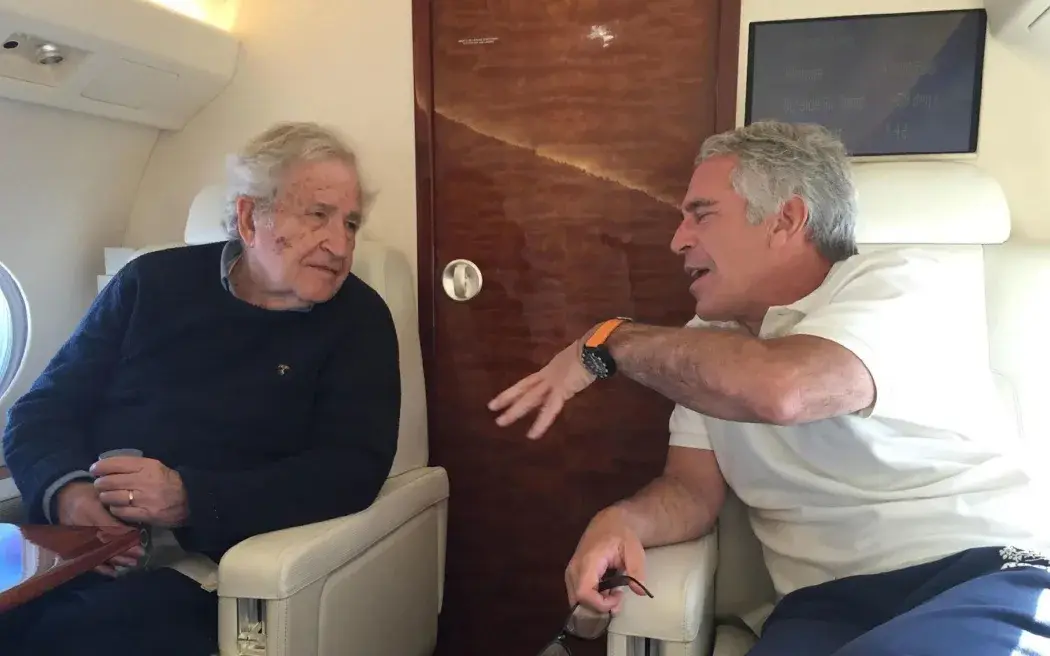
One of the most chilling entries in the logs comes from October 17, 2006, nearly two years before his controversial plea deal. Epstein arrived at Teterboro Airport (TEB) on his private jet, tail number N909JE.
CBP agents pulled him aside for a "Secondary Inspection." The agent’s notes in the file paint a scene that, in hindsight, screams for investigation:
- The Note: "SUBJECT STATED THAT HE IS RETURNING FROM ONE DAY TRIP TO ST LUCIA AND WAS TRAVELING WITH FOUR FEMALE PAX [passengers]."
- The Action: Two officers were present. They conducted a "CPX Exam" (complex examination) of his bags.
- The Result: “NO CONTRABAND OR SUSPICIOUS ITEMS FOUND... SUBJECT RELEASED WITHOUT INCIDENT.”
The Missed Opportunity:
Agents had him in a room. They noted he was traveling alone with four women on a quick turnaround trip to the Caribbean. Despite the suspicious circumstances, the inspection focused narrowly on "contraband" in his luggage, not the potential trafficking dynamics playing out right in front of them.

2. The "Enforcement Referral" (2008)
On May 16, 2008, just weeks before Epstein would plead guilty to soliciting a minor in Florida, he was flagged again. This wasn't a random check. The files explicitly state:
- “ENFORCEMENT REFERRAL”
- The Action: Agents made contact with a specific entity (redacted) “AS REQUESTED.”
- The Outcome: Epstein was “TRAVELING WITH NO LUGGAGE SO NO LUGGAGE INSPECTION WAS POSSIBLE... NO DISCREPANCIES FOUND.”
The Paradox: The system worked exactly as designed to alert authorities, but failed completely to catch him. He was flagged for enforcement, but because he simply didn't carry a bag, he walked free.
3. The "Harvard Lawyers" Alibi (2010)
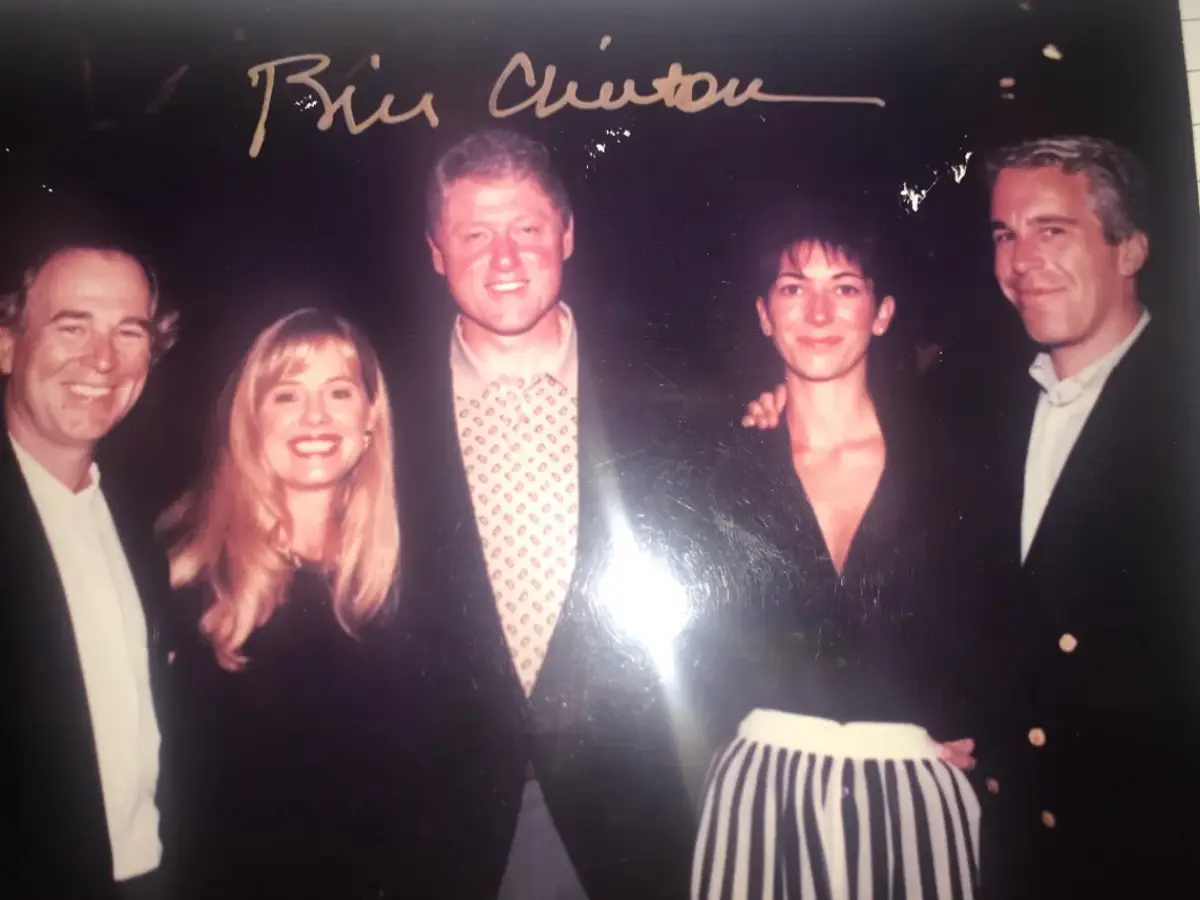
Even after his 2008 conviction, when Epstein was a registered sex offender, the stops continued but grew routine. On September 12, 2010, arriving at Bedford, Massachusetts, on N909JE:
- The Interrogation: Agents questioned him about his travel.
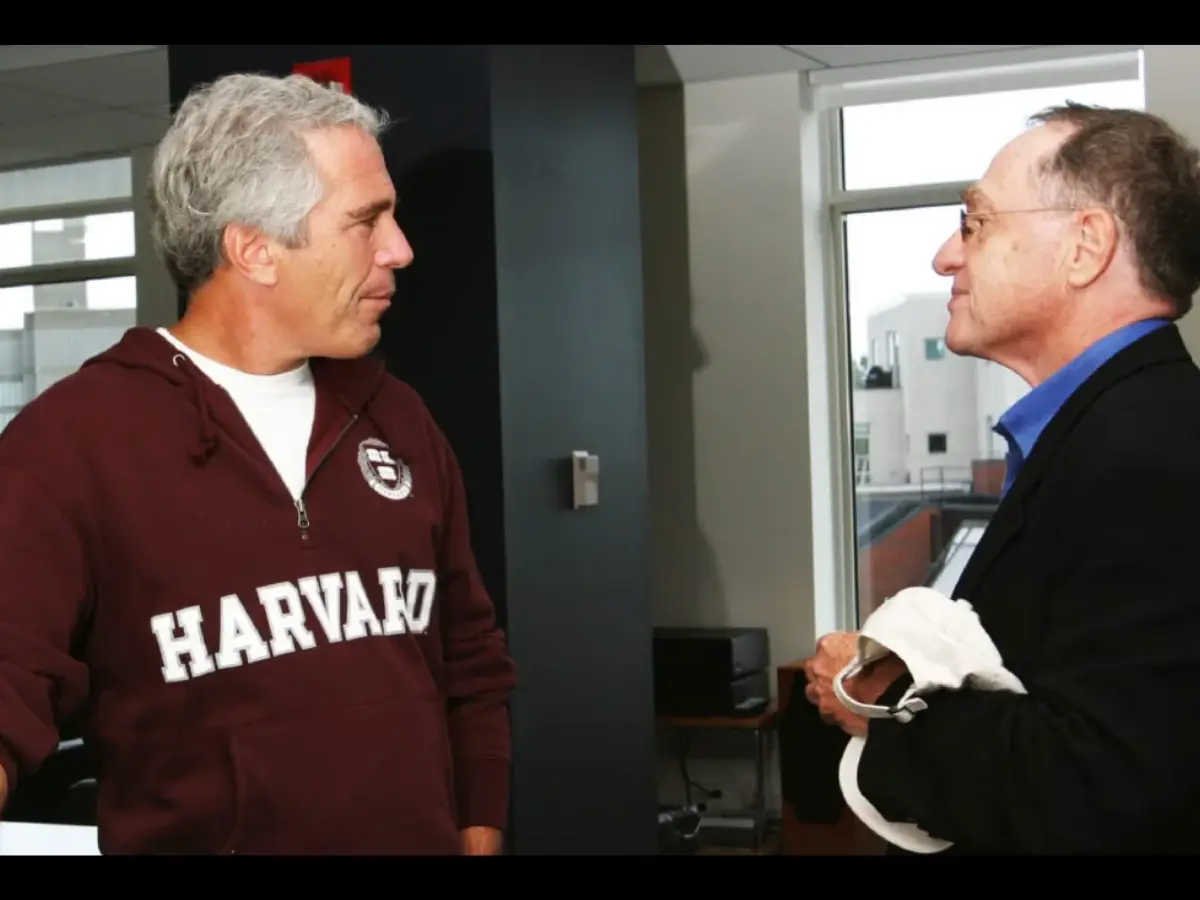
- His Response: Epstein brazenly told federal agents he was "TRAVELING TO SEE HIS LAWYERS AT HARVARD."
- The Result: "INSP COMPLETE: Y... RELEASED."
This entry confirms Epstein's continued access to high-status circles was not just a social rumour, it was a fact recorded in government databases.

4. The "Negative" Pattern
Between 2010 and 2015, the logs show Epstein was referred to "Admissibility Secondary Inspection" over and over again—at Newark, Teterboro, West Palm Beach, and St. Thomas.
- Referral Reasons: The specific reasons for these stops are redacted under code (b)(7)(E) (law enforcement techniques), but the frequency suggests he was on a permanent watch list.
- The Outcome: Time and again, the logs read "Inspection Result: Negative" or "Admitted USC" (U.S. Citizen).

The Viral Takeaway:
These files debunk the idea that Epstein operated entirely in the shadows. He didn't slip through the cracks; he walked through the front door. The DHS system successfully tracked his tail numbers, flagged his passport, and put agents in the room with him.
Tragedy
The tragedy revealed in these documents is that the government had all the data points—the "four females," the constant international travel, the enforcement flags—but treated them as administrative boxes to check rather than evidence of a crime in progress.
)
)
)
)
)