Epstein Files: 10 things that can't legally still be released

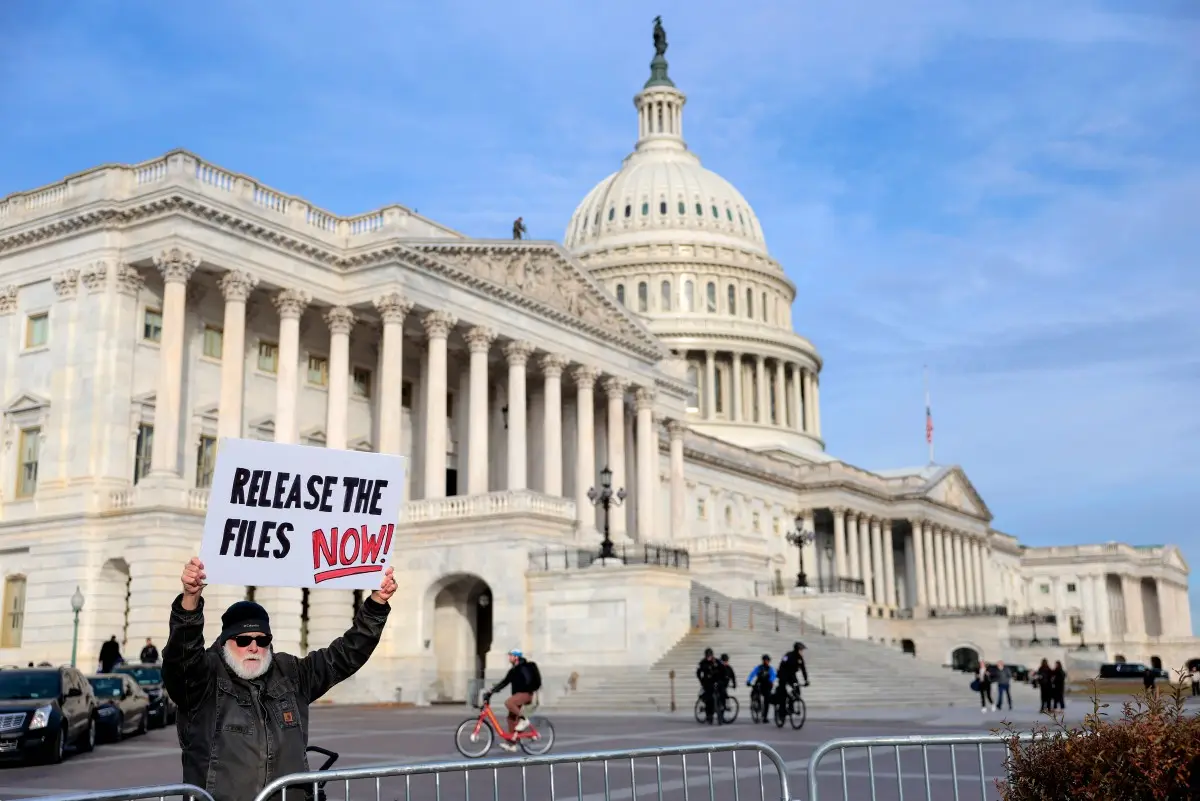
Congress ordered DOJ to release Epstein-related files, but the law and existing legal rules constrain what can be made public. Below are the categories that cannot (or likely will not) be released, with the legal basis or public statements behind each limit.

1. Child Sexual Abuse Material (CSAM) — Explicit Images or Video
Federal law and DOJ policy prohibit publishing child sexual abuse material. The Epstein Files bill itself contemplates redacting any document that “depicts or contains” CSAM, and DOJ has said it will not release material that shows or describes sexual abuse of minors in graphic form. This is both a statutory and policy constraint intended to protect victims and criminal evidence.
2. Victim Identifying Information (Names, Medical Records, Contact Data)
Victim privacy protections require withholding or redacting names and other identifying details for minors and, in practice, many adult survivors. Courts and DOJ have consistently protected victim identities in sensitive cases; the Act and DOJ guidance allow redactions to avoid re-victimising people who provided testimony or evidence.
3. Grand-Jury Material and Matters Covered by Rule 6(e)
Grand-jury testimony, deliberations, and many related filings are protected under Federal Rule of Criminal Procedure 6(e). Unless a court orders otherwise, grand-jury material remains secret and is typically excluded from public disclosure — even when Congress orders broad releases. Legal analysts and congressional counsel flagged this as a major limit on the scope of what DOJ can publish.
4. Classified National-Security Material
Information properly classified for national-security reasons is exempt from public release unless declassified through normal channels. The statute directs the Attorney General to declassify “to the maximum extent possible,” but classified holdings can still constrain what DOJ prints. Reporters and analysts note this will be a substantive limiter.
5. Material That Would Jeopardize Ongoing Investigations or Law-Enforcement Operations
DOJ routinely withholds records that could reveal confidential sources, investigative techniques, witness identities, or the status of ongoing probes. Courts and the Justice Department have long recognised a law-enforcement privilege that allows withholding where disclosure would harm investigations or prosecutions. Congressional leaders and DOJ both signal some documents may be withheld for this reason.
6. Materials Subject to Court Protective Orders or Sealing Orders
Many documents now public were previously sealed by court order; others remain under protective orders. Those judicial orders continue to bind DOJ unless the court lifts them. Parties to litigation (and judges) must be consulted before releasing sealed materials, and some records may remain sealed despite a statutory mandate.

7. Medical, Mental-Health, and Other Sensitive Third-Party Records
Health records, therapy notes, and other sensitive third-party material are shielded by medical-privacy laws and ethical rules. Even if technically in a DOJ file, those materials can be redacted to protect privacy and comply with federal confidentiality obligations.

8. Material That Is Outside DOJ Custody or Controlled by Other Agencies / Foreign Authorities
The statute covers DOJ records; it cannot compel release of private files, purely state-level sealed records, or foreign law-enforcement files held by other governments. Congress can request other agencies’ cooperation, but practical and legal limits remain.
9. Records Implicated by FOIA Exemptions (Privacy, Law-Enforcement, Deliberative Process)
Even unclassified records can be withheld under FOIA exemptions (privacy — Exemption 6; law-enforcement, Exemption 7; deliberative process — Exemption 5). DOJ will likely rely on these exemptions to redact portions of files when disclosure would cause identifiable harm. Legal commentators have warned FOIA and other statutory protections will shape the final product.
10. Items That Courts or the Attorney General Deem Too Sensitive (Discretionary Withholding)
The bill gives the Attorney General some discretion to withhold and to manage redactions. DOJ has already released “first-phase” declassified files while noting additional pages require review; reporting shows DOJ may withhold material it judges too sensitive or legally protected. That discretion — and corresponding judicial review — will produce additional legal limits.
)
)
)
)
)