Environmental Health Day 2025: The 7 most polluted countries in the world

Ever wondered which countries have the most pollution? Some countries face very high pollution from dust, vehicles, factories, and burning fuels. Pollution can cause health problems like breathing issues and heart diseases, affecting millions every day.
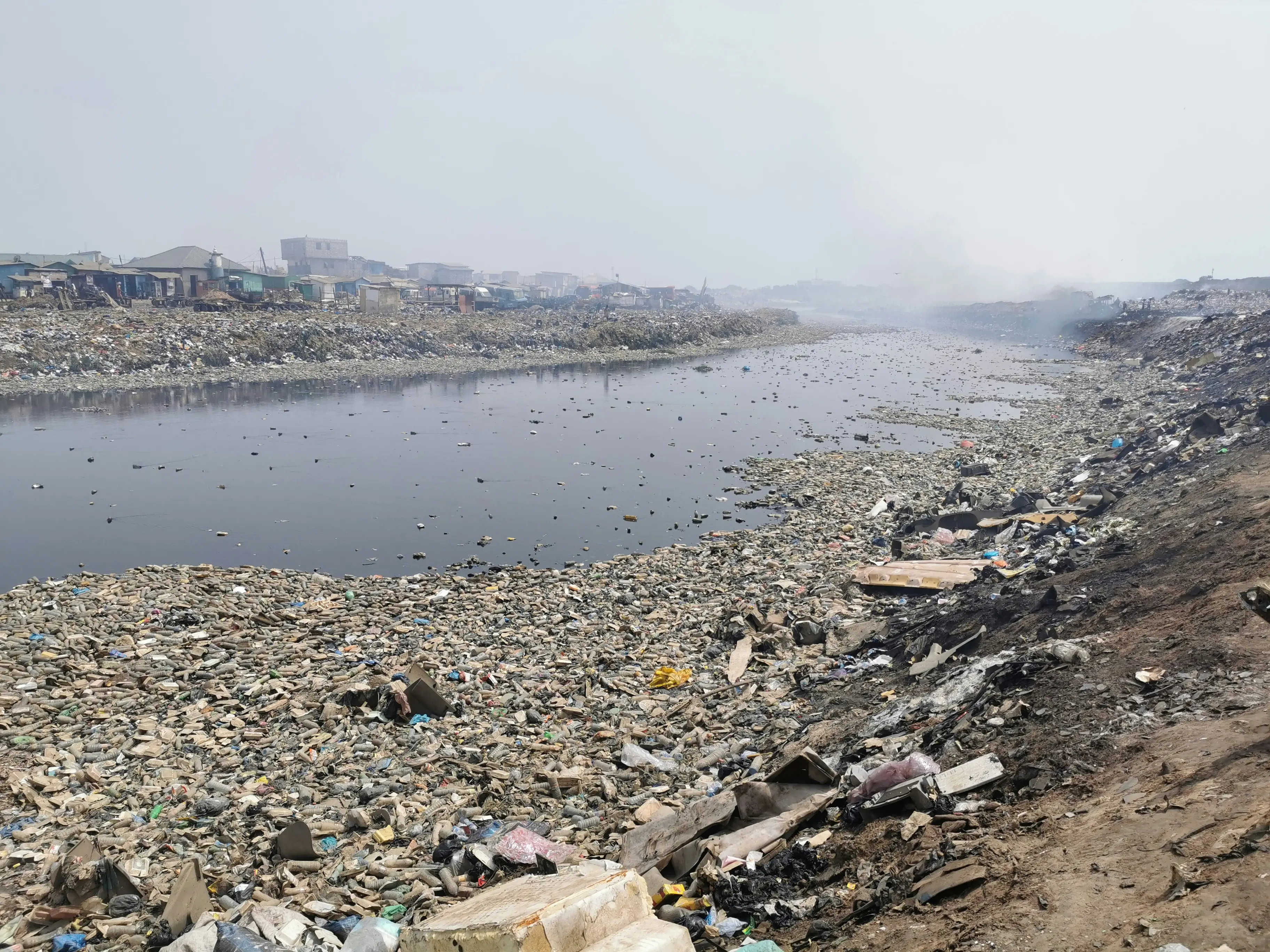
1. Chad, 176 AQI
According to IQAir 2024 data, Chad is currently the most polluted country in the world with 176 AQI. The poor air quality is mainly due to dust storms and emissions from vehicles and industries. This pollution throws up fine particles that harm the lungs and cause breathing difficulties. People living here face serious health risks every day.
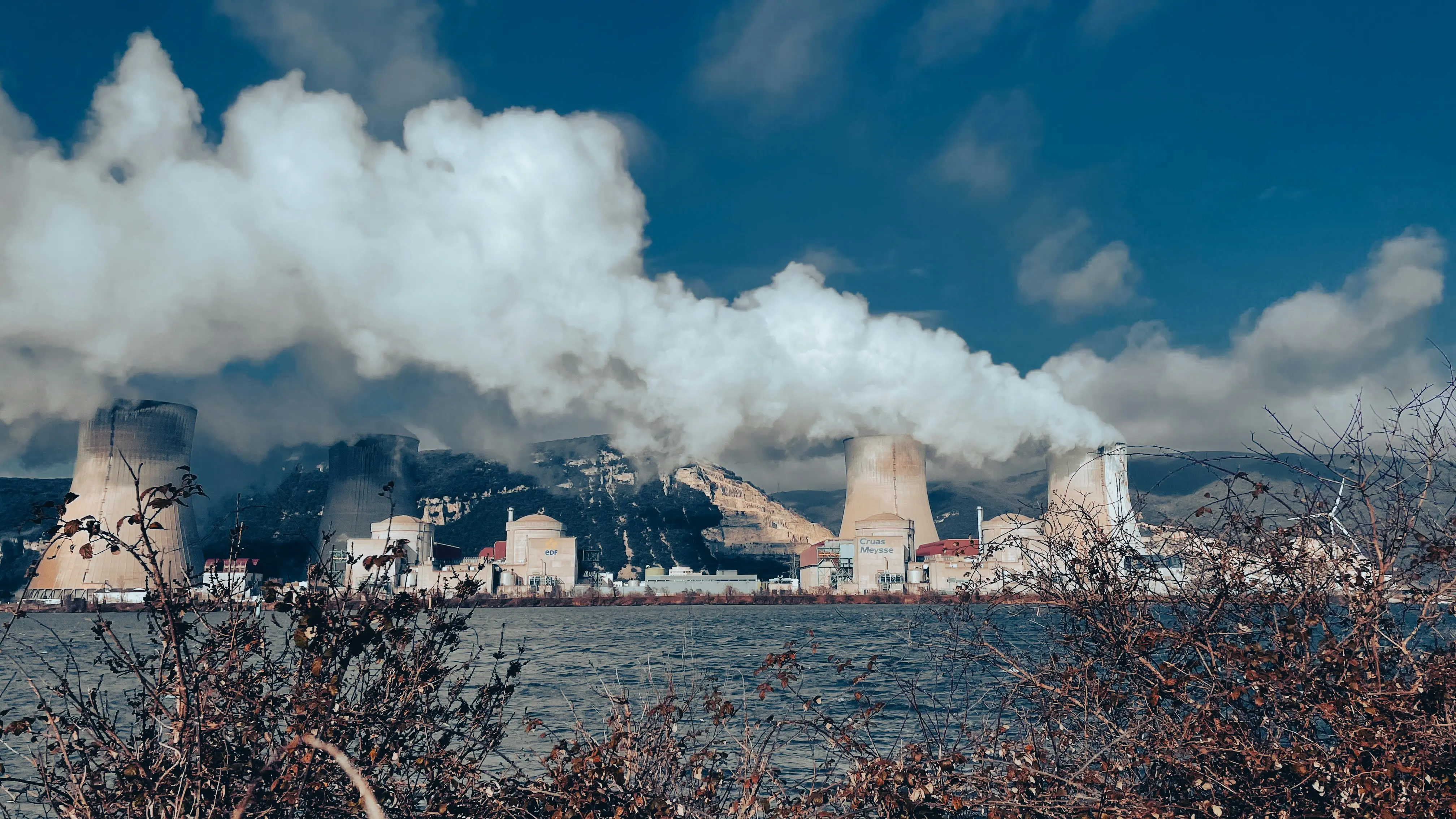
2. Bangladesh, 167 AQI
According to IQAir 2024 data, Bangladesh ranks as the second most polluted country with high levels of harmful dust and smoke particles in the air, with 167 AQI. Traffic congestion, brick kilns, and industrial pollution are major contributors. The thick smog causes heart and lung problems, especially for children and older adults.
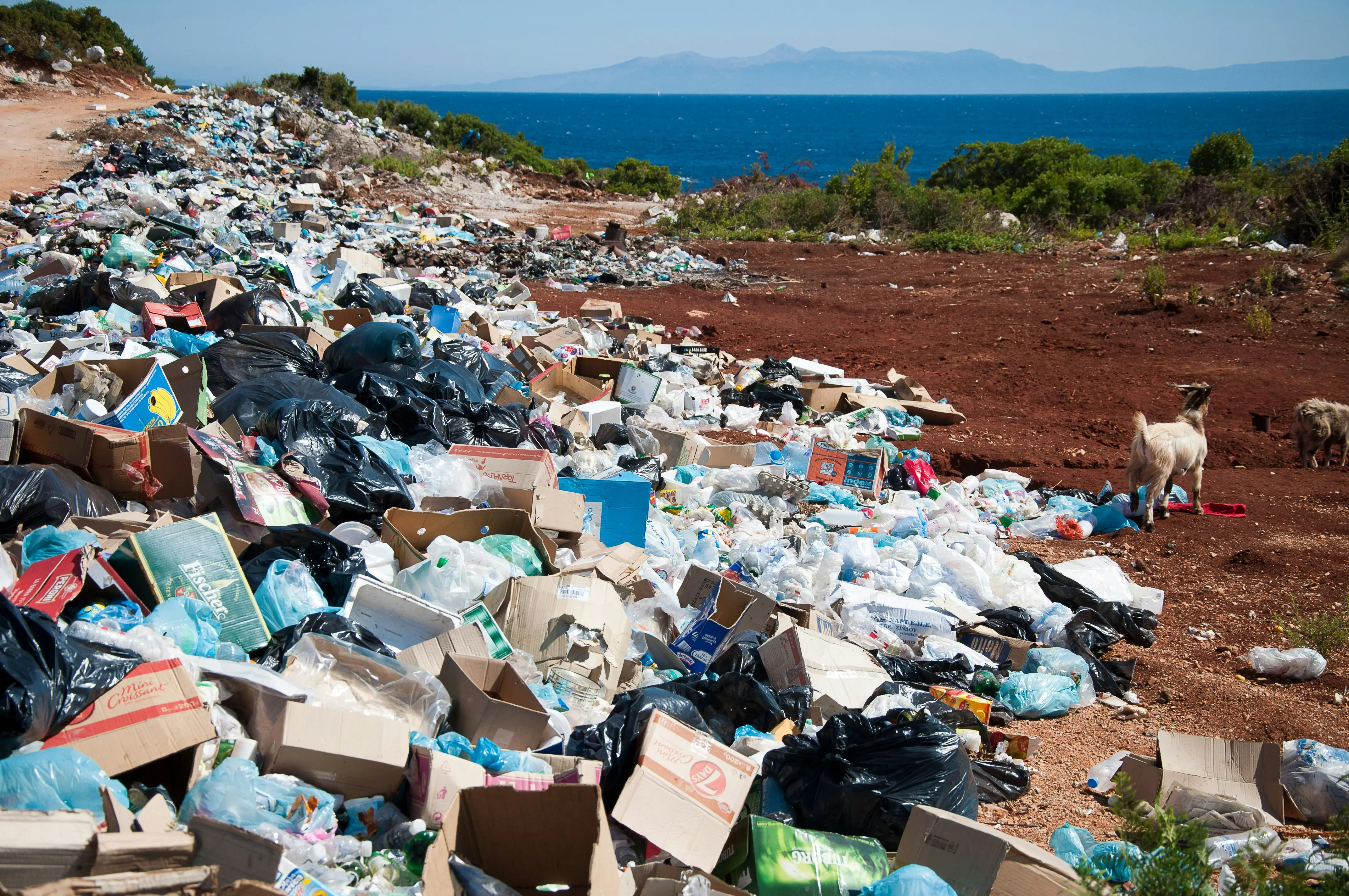
3. Pakistan, 164 AQI
According to IQAir 2024 data, Pakistan holds the third spot for worst air quality with 164 AQI, with many cities often covered in smog. The burning of crops, vehicle exhaust, and industrial waste all add to the heavy pollution. It leads to increased cases of asthma and other respiratory issues in the population.
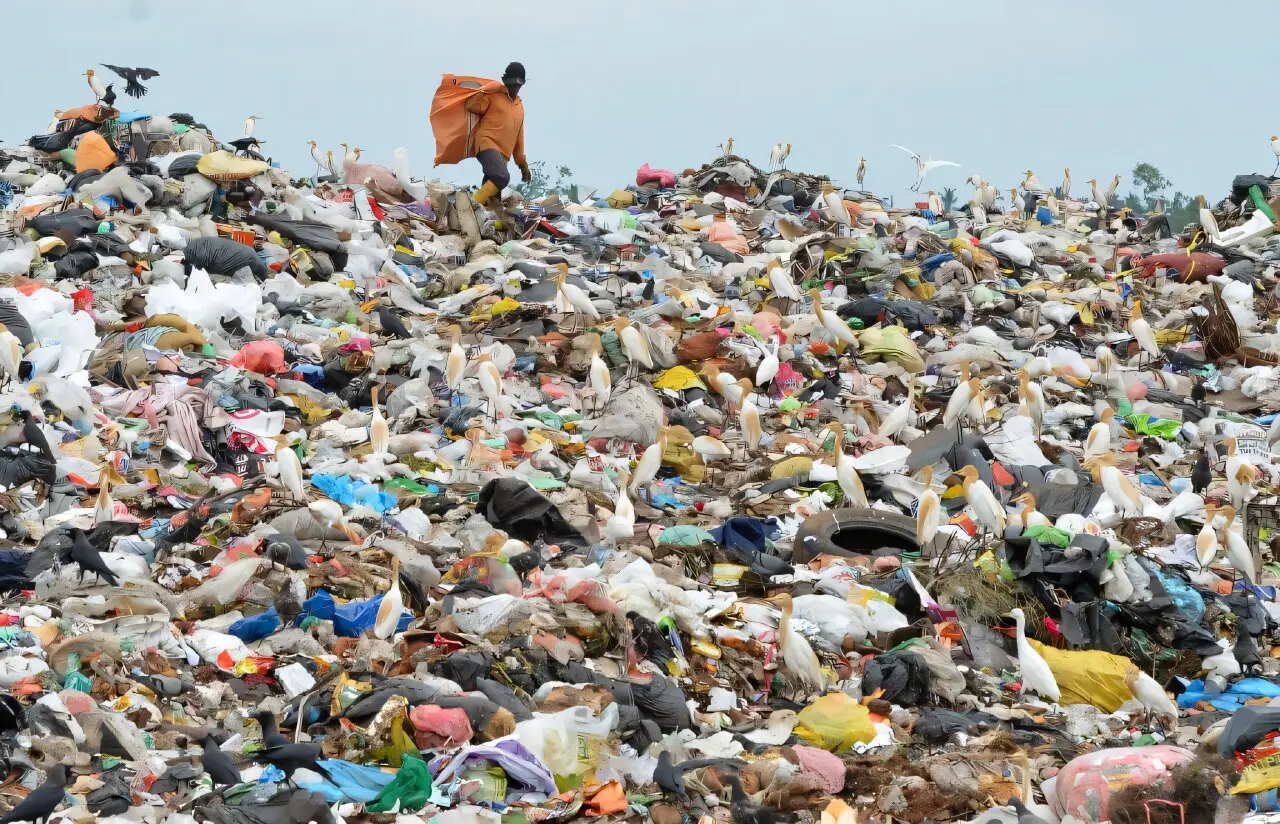
4. Democratic Republic of Congo, 153 AQI
According to IQAir 2024 data, the Democratic Republic of Congo, stands at fourth place, where air pollution is rising due to growing urbanisation, mining activity, and the use of wood burning for cooking, and the AQI is 153. This produces dangerous fine particles that affect the health of many residents, causing lung and heart diseases.
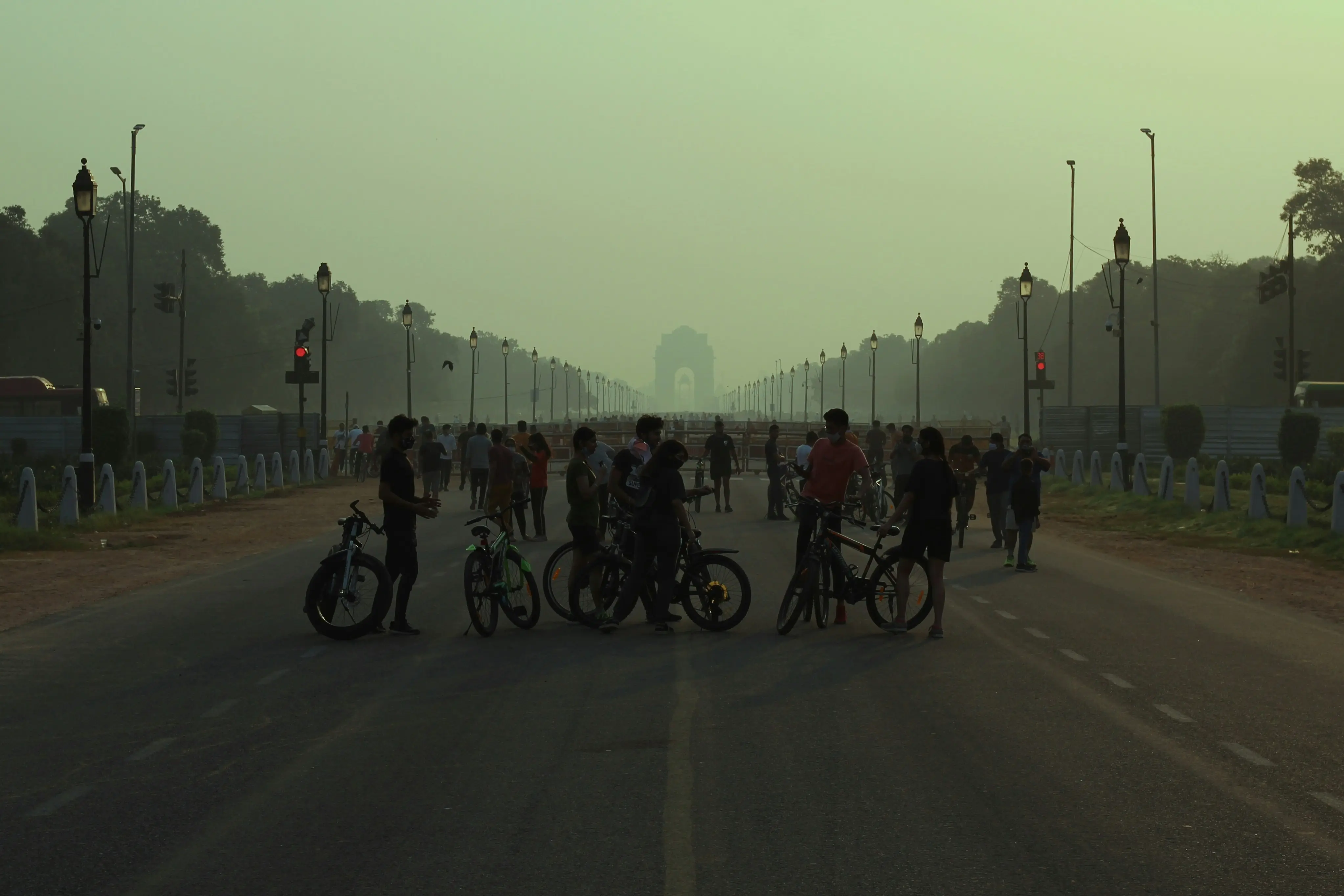
5. India, 138 AQI
According to IQAir 2024 data, with 138 AQI, India ranks fifth with high pollution caused by traffic emissions, industrial smoke, crop burning, and dust from construction. Breathing at these pollution levels is like smoking several cigarettes a day. It causes many health risks like asthma, heart problems, and reduces life expectancy.
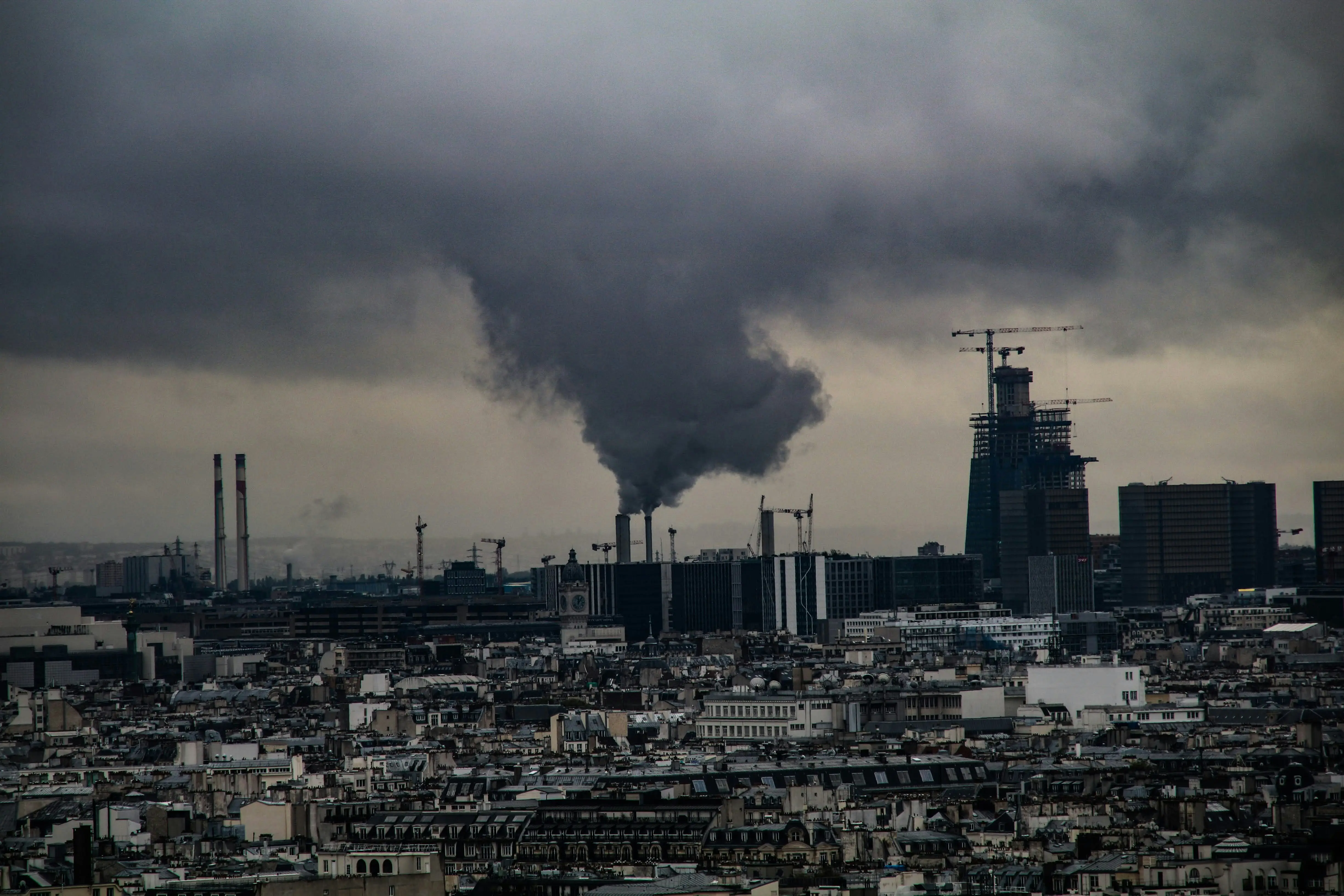
6. Tajikistan, 128 AQI
According to IQAir 2024 data, Tajikistan ranks sixth in the world for air quality. Its AQI is 128. The main causes are vehicle emissions, industrial pollution, and burning solid fuels. The poor air quality puts many people's health at serious risk, causing respiratory and heart problems.

7. Nepal, 119 AQI
According to IQAir 2024 data, Nepal ranks seventh with 119 AQI. It faces high air pollution mainly due to vehicle exhaust, brick kilns, and construction dust. Kathmandu, its capital, often experiences thick smog, especially in winter. This pollution contributes to respiratory illnesses and other health risks for its people. Efforts are ongoing to improve air quality, but challenges remain due to geography and urban growth.
)
)
)
)
)