Emergency miracles: What are the most unusual B-52 bomber landings ever recorded?

From landing sideways using rotating crab gear to miraculously touching down without a tail in 1964, the B-52 executes impossible emergency landings. Armed with eight engines and massive drag chutes, this heavy bomber routinely survives extreme catastrophic failures.
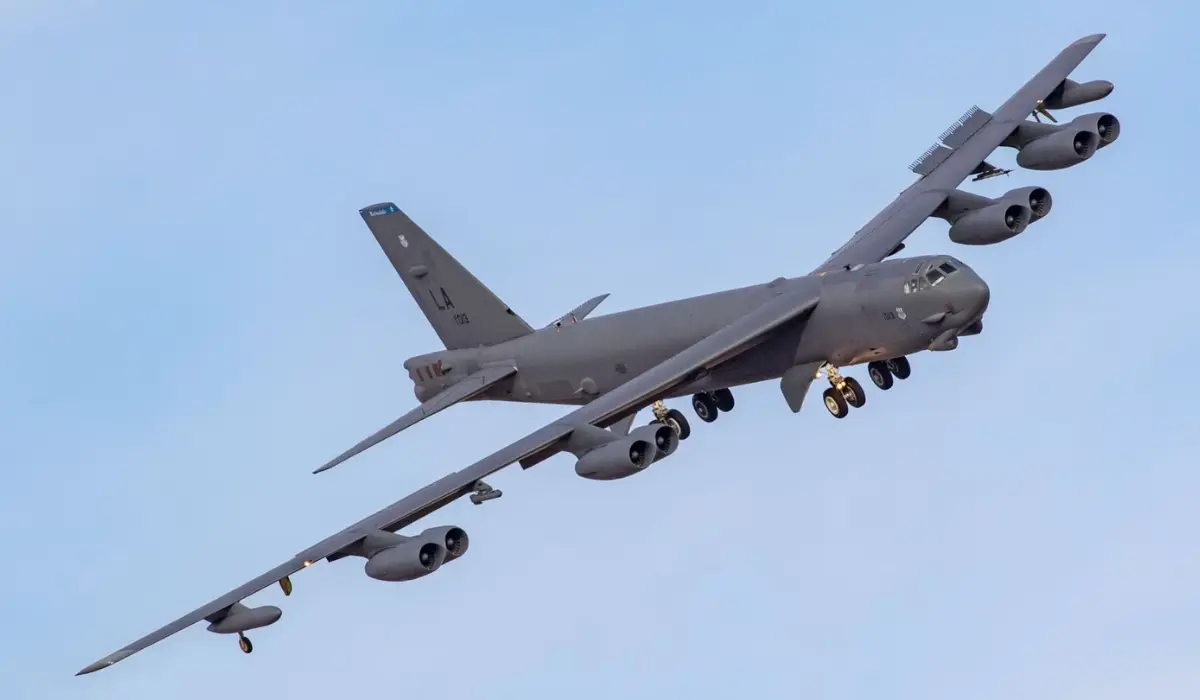
The 'Crab' Walk Touchdown
To survive severe crosswinds, the Boeing B-52 Stratofortress uses a highly unusual ‘crab’ landing technique. The bomber's main landing gear can physically rotate up to 20 degrees, allowing the massive 390,000-pound aircraft to land practically sideways on the runway.
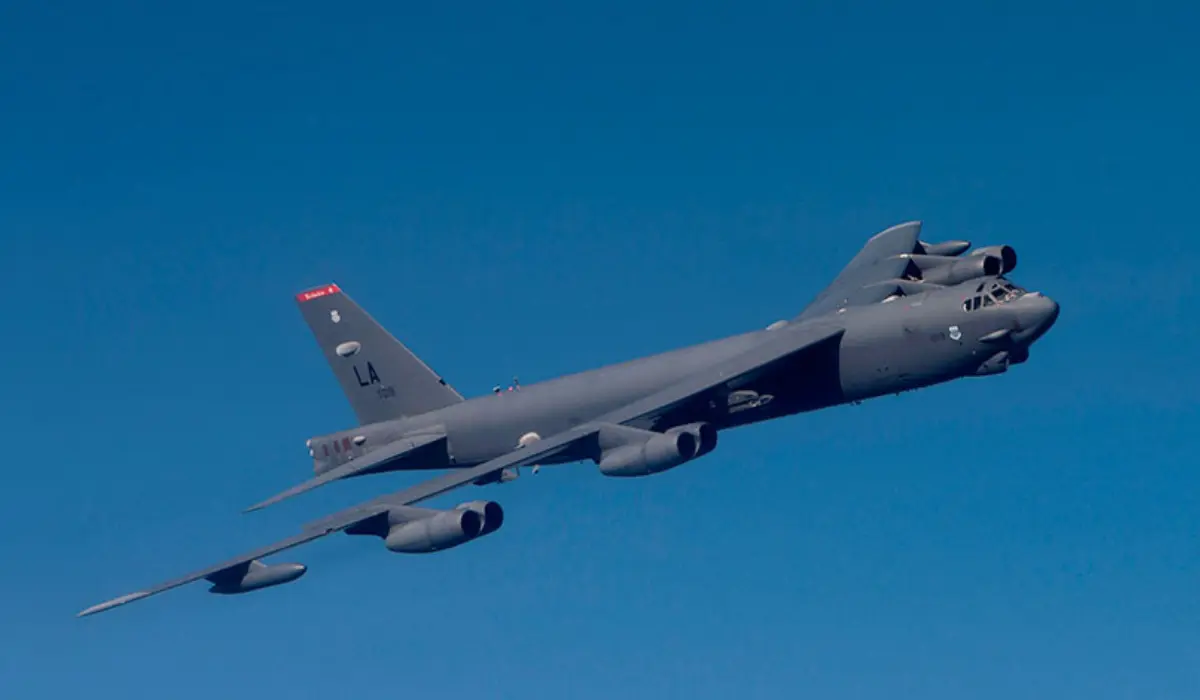
The Tail-less Miracle
In January 1964, a B-52H encountered brutal clear-air turbulence while flying over the mountains of Colorado. The violent atmospheric forces completely ripped off the aircraft's 40-foot vertical stabiliser, leaving the heavy bomber without its primary steering component.
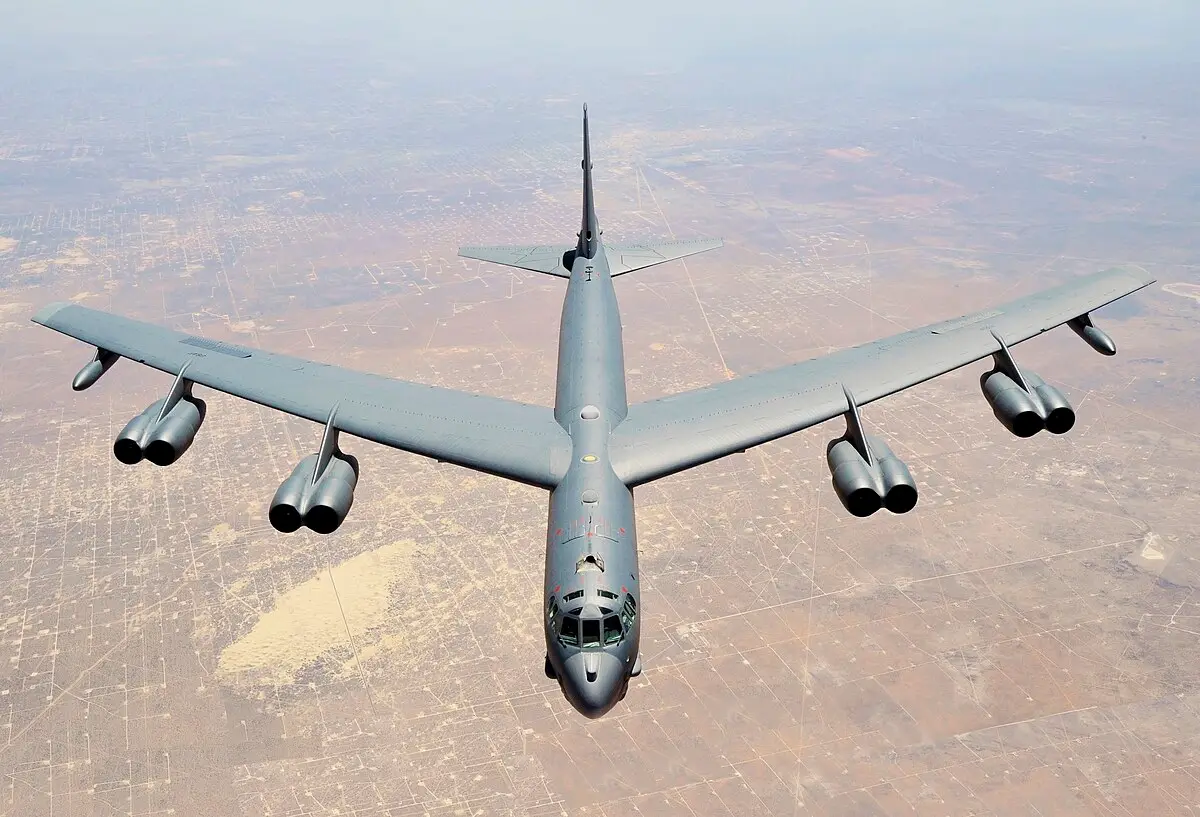
A Six-Hour Survival Flight
Despite missing the entire tail section, the test crew managed to keep the critically damaged bomber airborne for six terrifying hours. By carefully manipulating the engine thrust and centre of gravity, they miraculously landed the crippled aircraft at Blytheville Air Force Base.
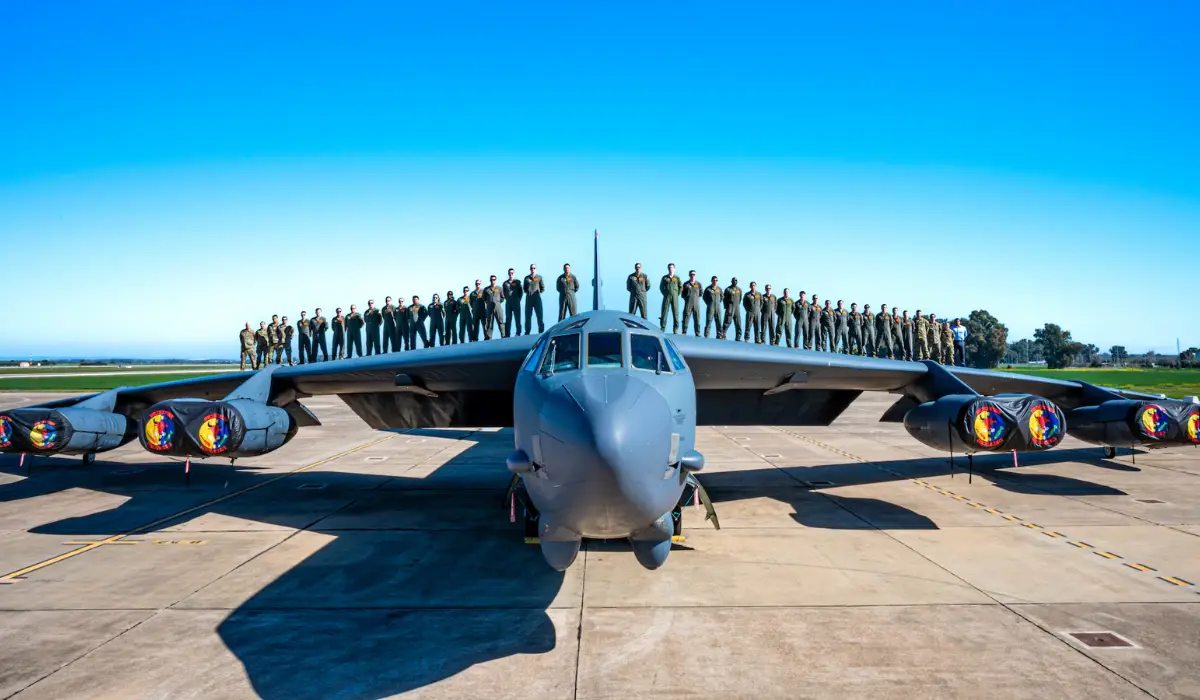
Flying on Half Power
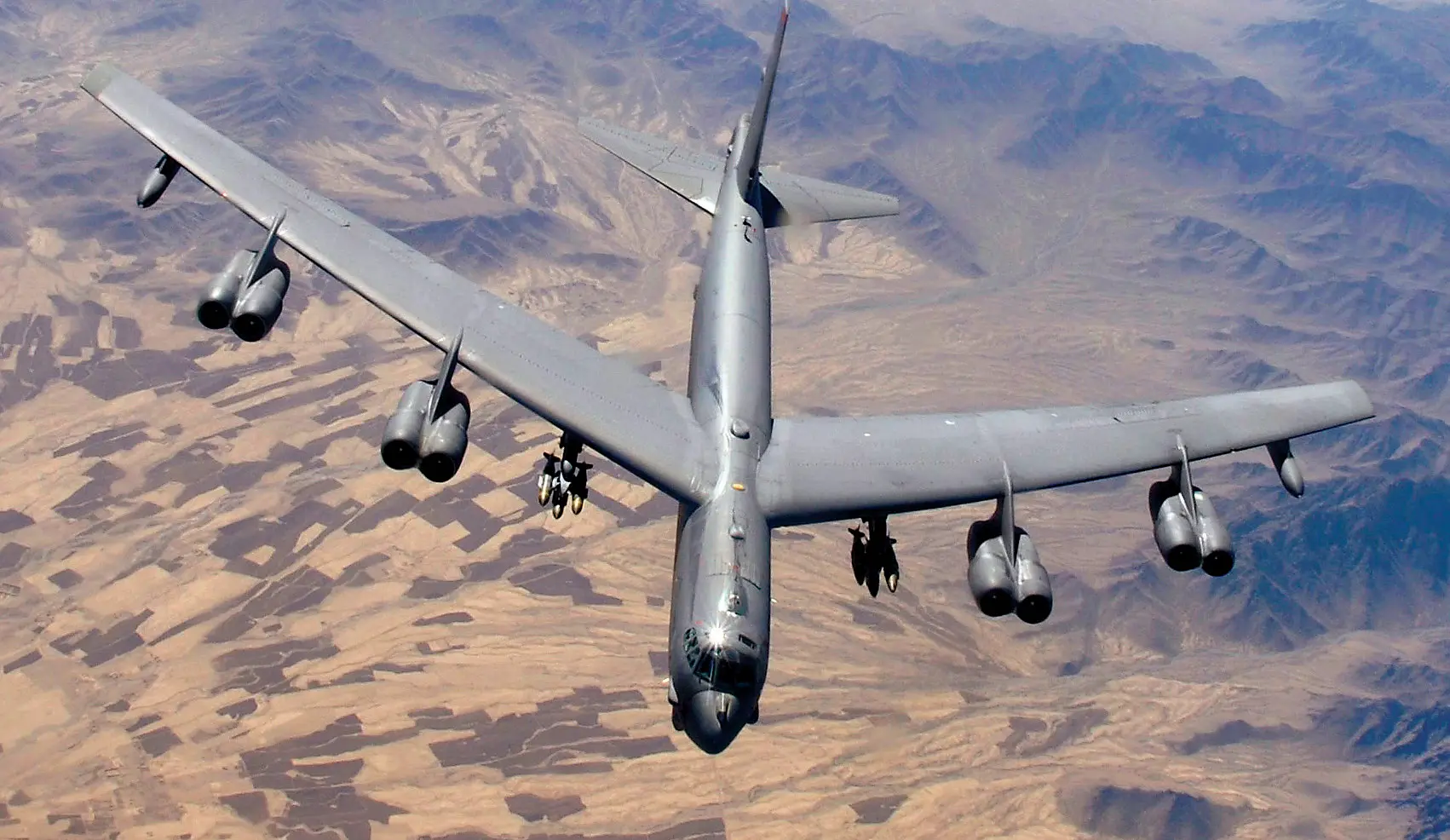
Because the B-52 relies on eight TF33 turbofan engines, it possesses unmatched redundancy during mid-air emergencies. Crews have repeatedly executed safe emergency landings even after catastrophic bird strikes completely disabled multiple engines on a single wing.
The Boneyard Resurrections
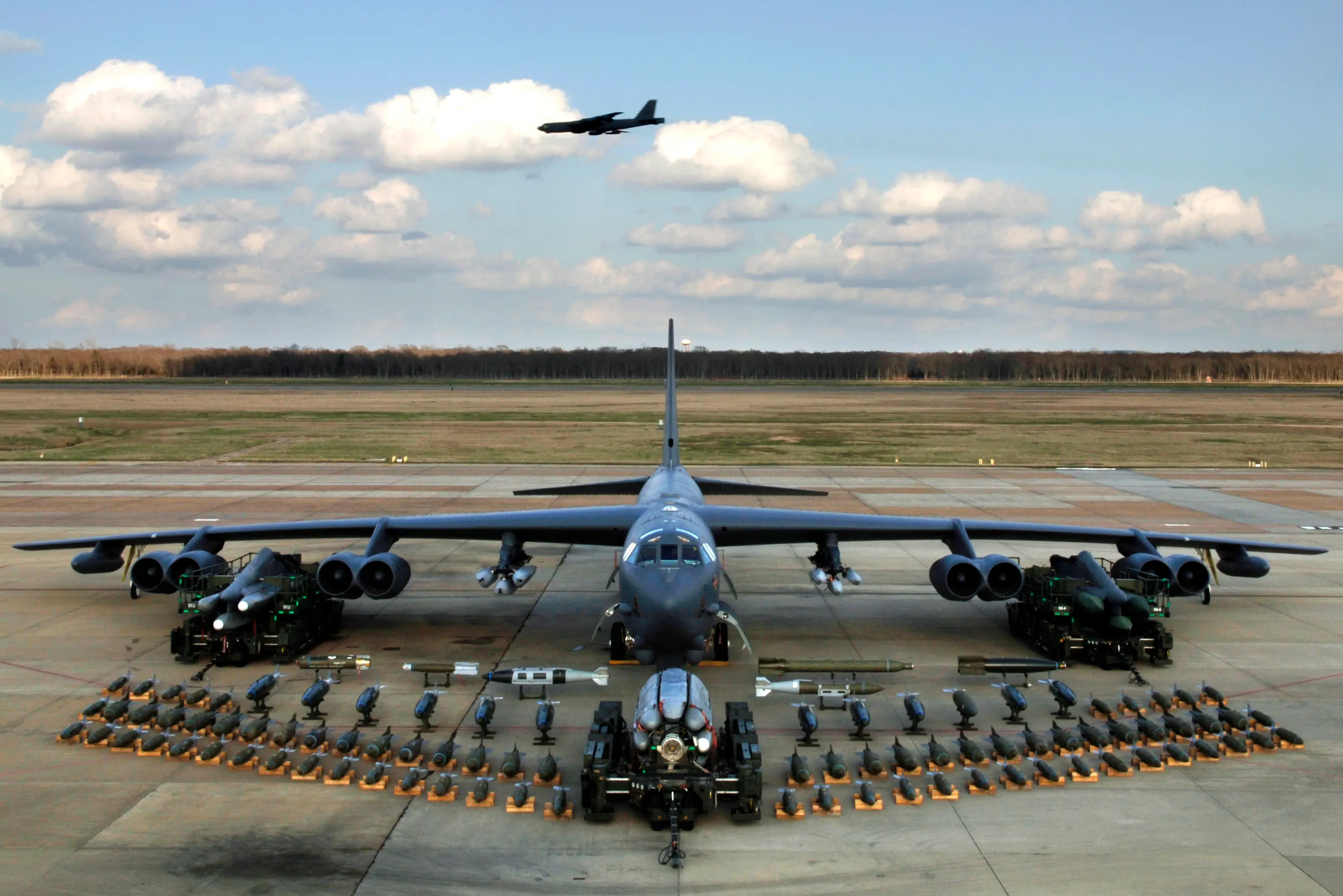
Some of the most unusual B-52 landings involve aircraft that were supposed to be permanently dead. Bombers nicknamed ‘Ghost Rider’ and ‘Wise Guy’ were pulled from the Arizona desert boneyard after a decade, successfully flying to base for a multi-million dollar fleet regeneration.
Emergency Drag Chutes
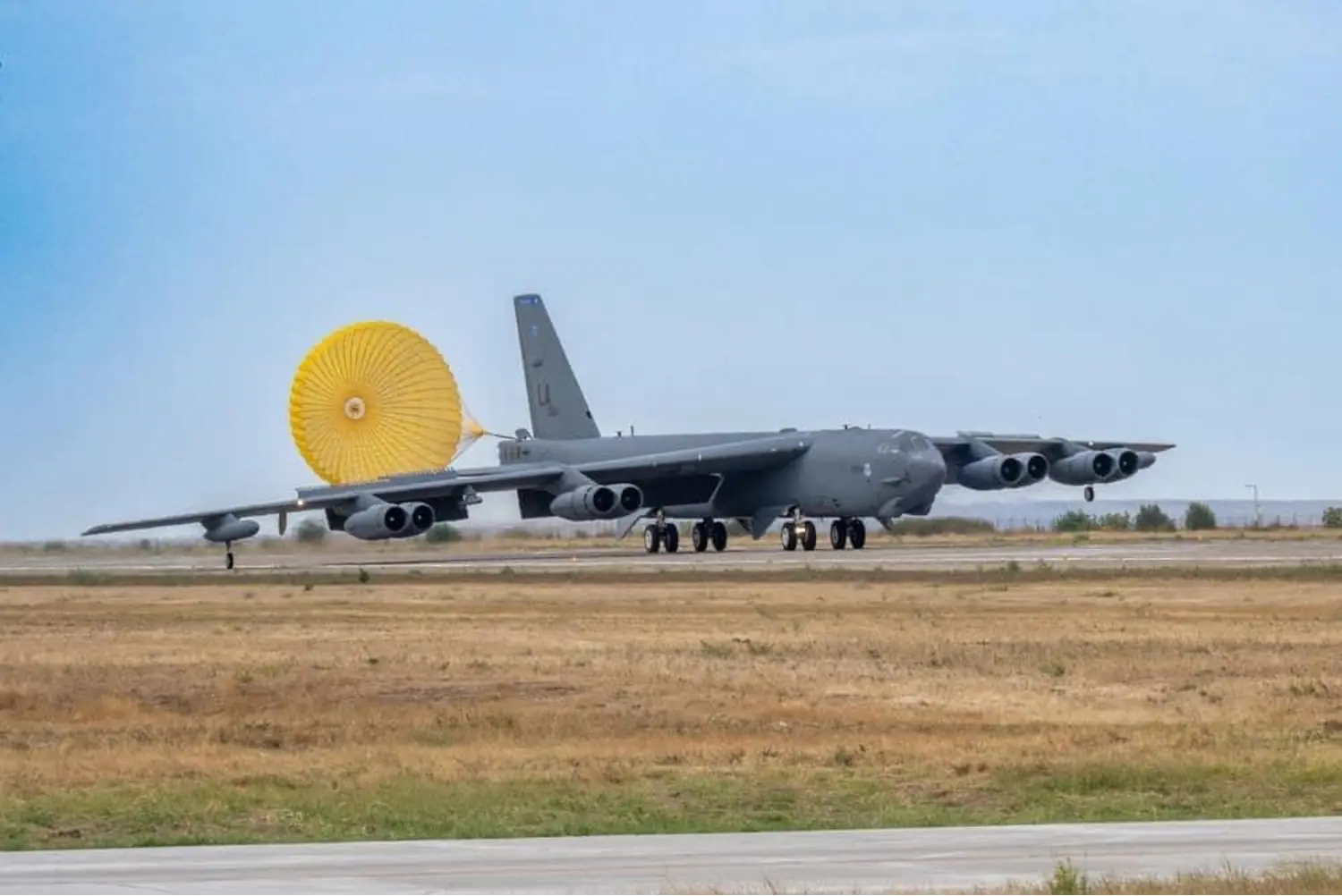
Stopping a heavy bomber travelling at high speeds requires immense braking power, especially during hydraulic failures. To prevent overrunning short or icy runways, the B-52 deploys a massive 44-foot drag parachute from its tail to safely bleed off kinetic energy.
Manual Gear Cranking
If the hydraulic systems fail during descent, the bomber's landing gear will not deploy automatically, risking a lethal belly landing. To survive, the crew must aggressively manually crank the massive gear into place using onboard mechanical winches before the jet reaches the tarmac.
)
)
)
)
)