Emancipation Day: Juneteenth and its significance in US history


1996
Russia votes in first independent presidential election.

Emancipation Proclamation
On January 01, 1863, the then US President, Abraham Lincoln had revealed an Emancipation Proclamation that stated that anyone and everyone held as slaves in the states "henceforward shall be free".
However, many torturers did not disclose this announcement to their African-American slaves and continued employing them in inhumane conditions
Largely symbolic
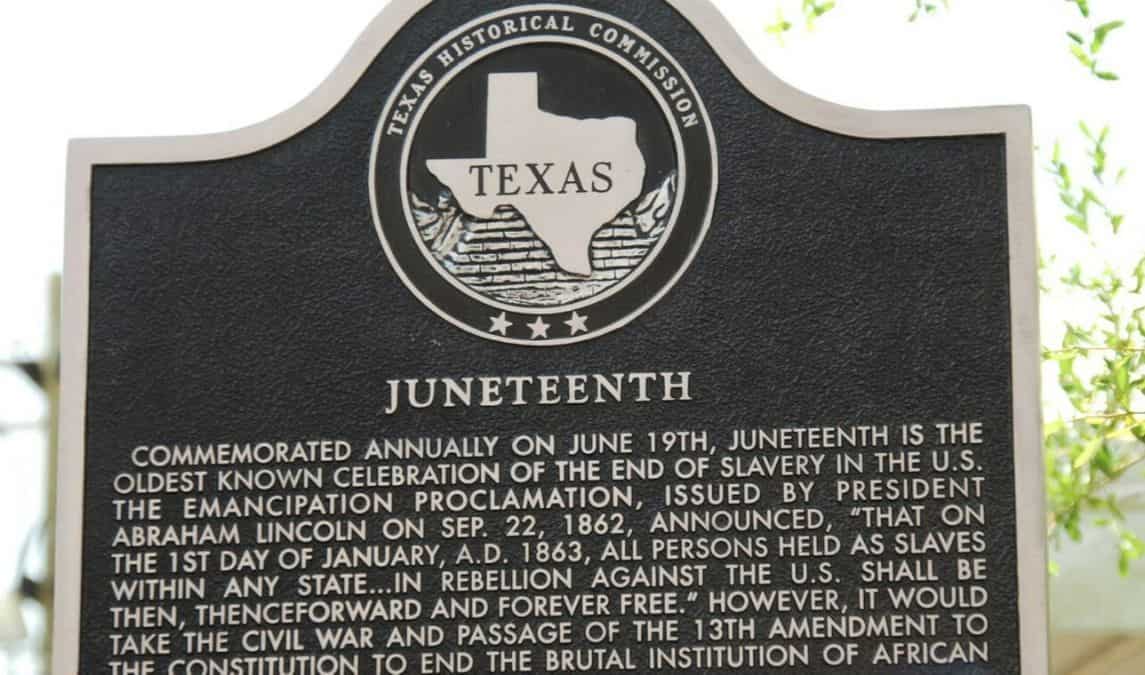
On June 19, 1865, Major General Gordon Granger arrived in Galveston, Texas and announced the end of both the Civil War and slavery. Since then, Juneteenth has become a largely symbolic date representing freedom for African Americans.

Celebration
For Texans, the first Juneteenth celebration started from 1866, with community-centric events such as parades, cookouts, prayer gatherings, historical and cultural readings and musical performances.

Evolution
The day has evolved over the years with people and communities developing their own traditions and customs. For instance, some communities purchased land for celebrating the day, such as Emancipation Park in Houston, Texas. Juneteenth was recognised as an official holiday in Texas on January 1, 1980.
Tulsa race massacre
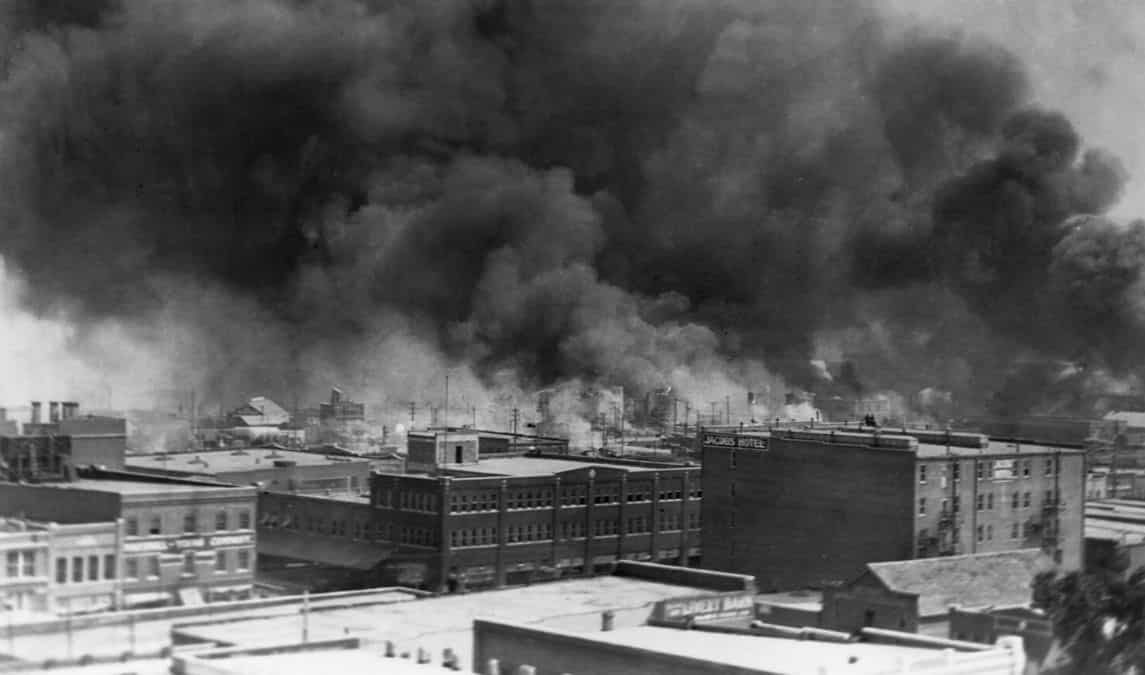
A representative image of buildings on fire.

Special significance
With the recent killing of George Floyd in Minneapolis and Rayshard Brooks in Atlanta by white policemen and the continuing protests over the treatment of African Americans by law enforcement, there is much discussion and introspection about race in America.
Consequently, Juneteenth is likely to have a special significance this year.
)
)
)
)
)