EMALS & AAG: How USS Gerald R. Ford can launch 160 aircraft in 24 hours for faster, stronger, smarter air operations

Central to the USS Gerald R. Ford's operational efficiency and airstrike capability are the Electromagnetic Aircraft Launch System (EMALS) and Advanced Arresting Gear (AAG), which replace the steam catapults and hydraulic arresting systems of Nimitz-class carriers.
A New Era in Carrier Operations
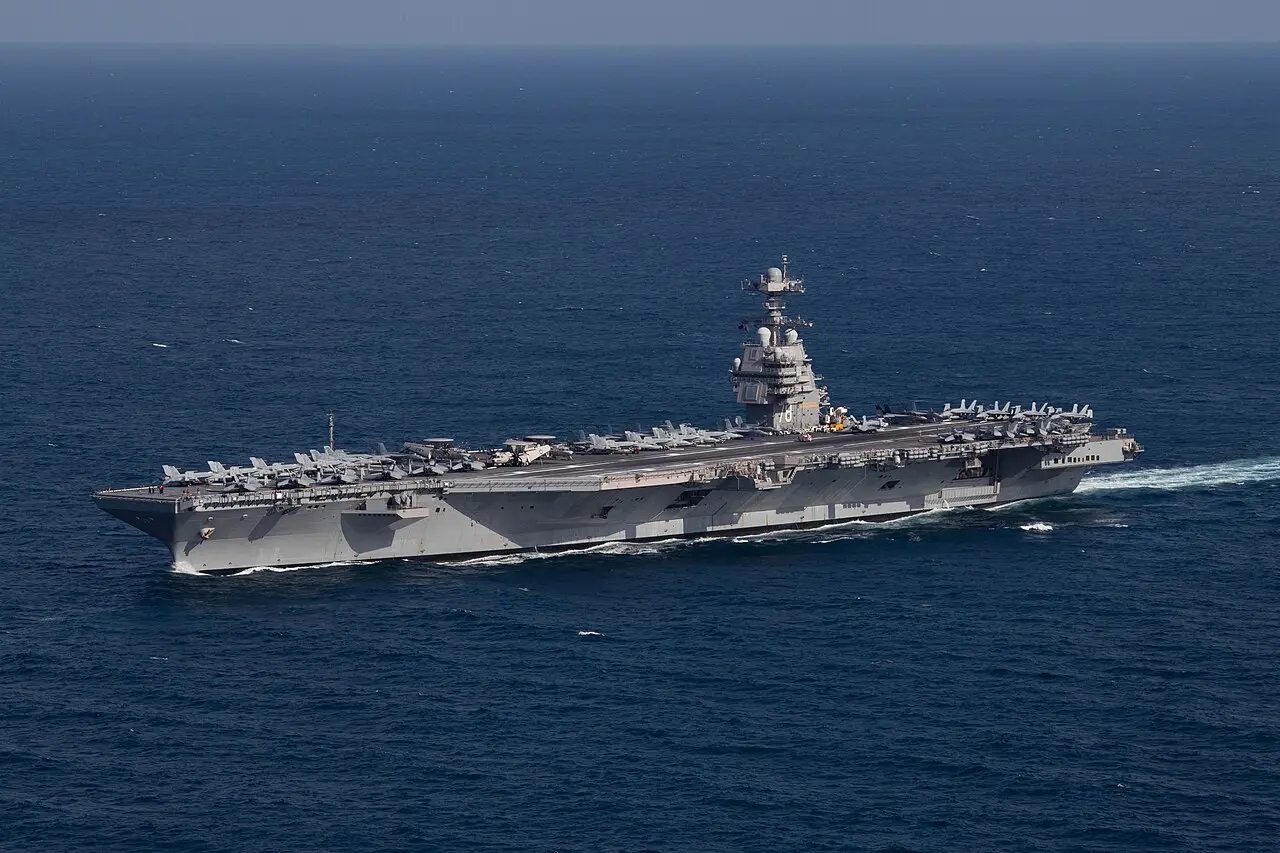
The Pentagon has redirected the nuclear-powered USS Gerald R. Ford from the Caribbean to join the USS Abraham Lincoln and its strike group in the Persian Gulf. USS Gerald R. Ford (CVN 78) represents the latest generation of US Navy aircraft carriers, designed to increase operational efficiency and airstrike capability. Central to this are the Electromagnetic Aircraft Launch System (EMALS) and Advanced Arresting Gear (AAG), which replace the steam catapults and hydraulic arresting systems of Nimitz-class carriers. These systems allow the ship to launch and recover aircraft more safely and with greater speed, supporting a higher sortie generation rate.
Design and Flight Deck Layout
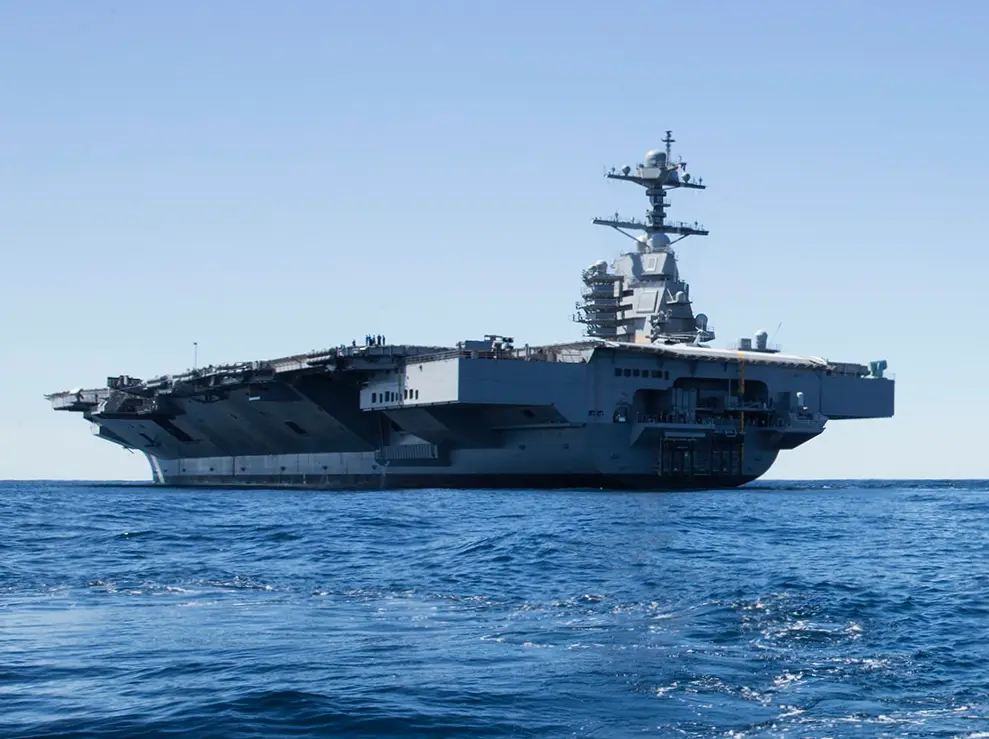
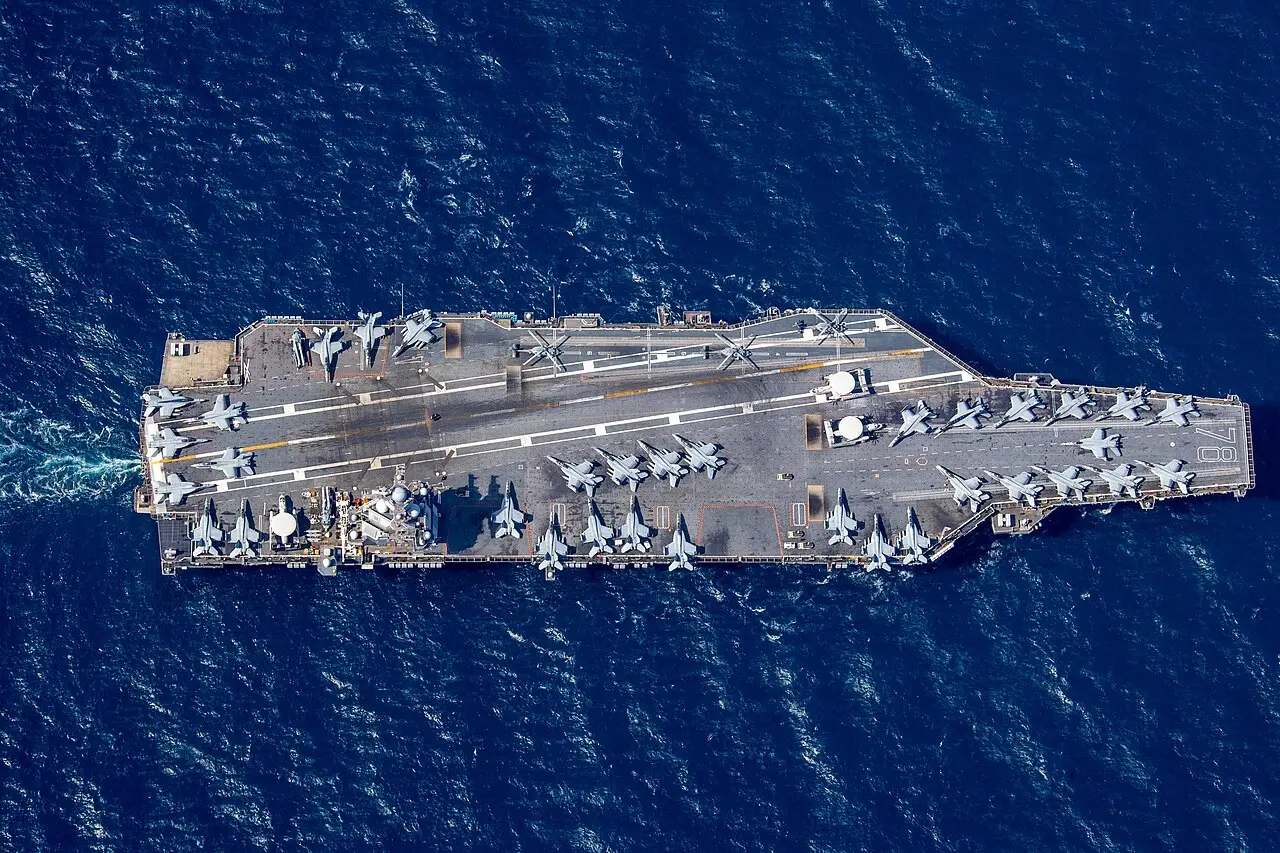
CVN 78 features a 78-metre flight deck with a relocated island and expanded weapons handling areas. The ship is powered by a new nuclear propulsion plant providing excess electricity to EMALS, AAG, and advanced radar systems. The layout improvements reduce deck congestion and improve the flow of aircraft, enabling faster launch and recovery cycles.
EMALS: Precision Launching
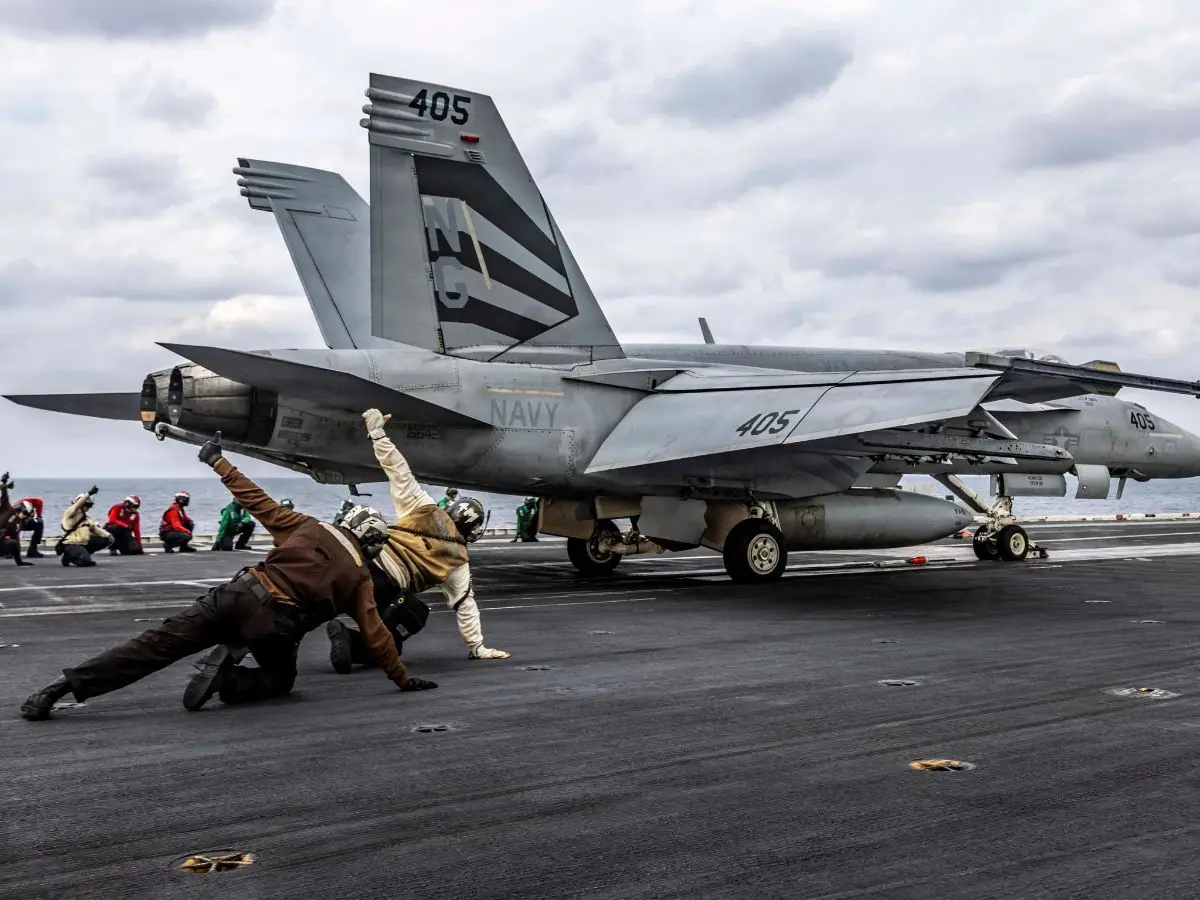
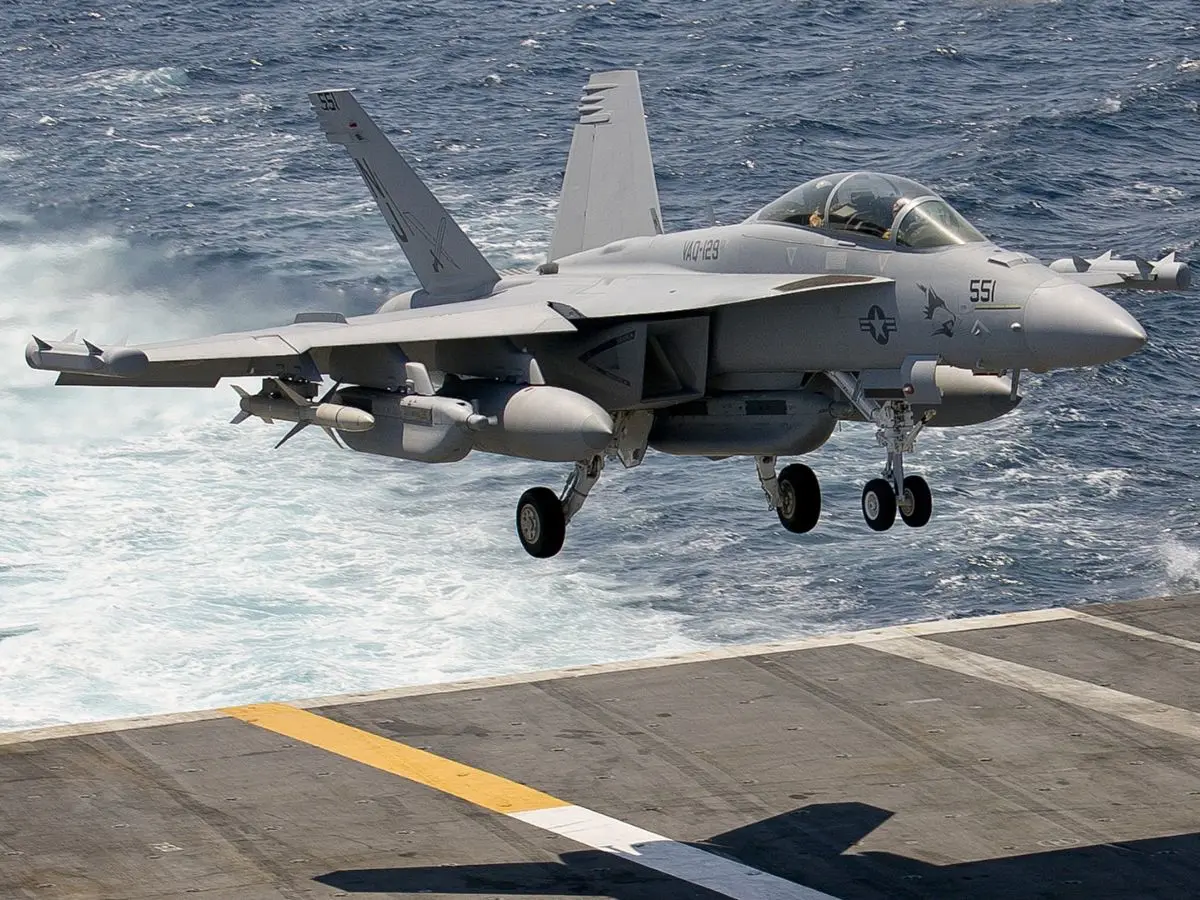
EMALS uses linear induction motors to accelerate aircraft along the deck, replacing steam catapults. It provides controlled, adjustable launch forces suitable for a wide range of aircraft weights, from F/A-18E/F Super Hornets to lighter UAVs, with less stress on the ship and aircraft. EMALS reduces wear on airframes and lowers maintenance requirements compared with steam systems.
Same function different technology
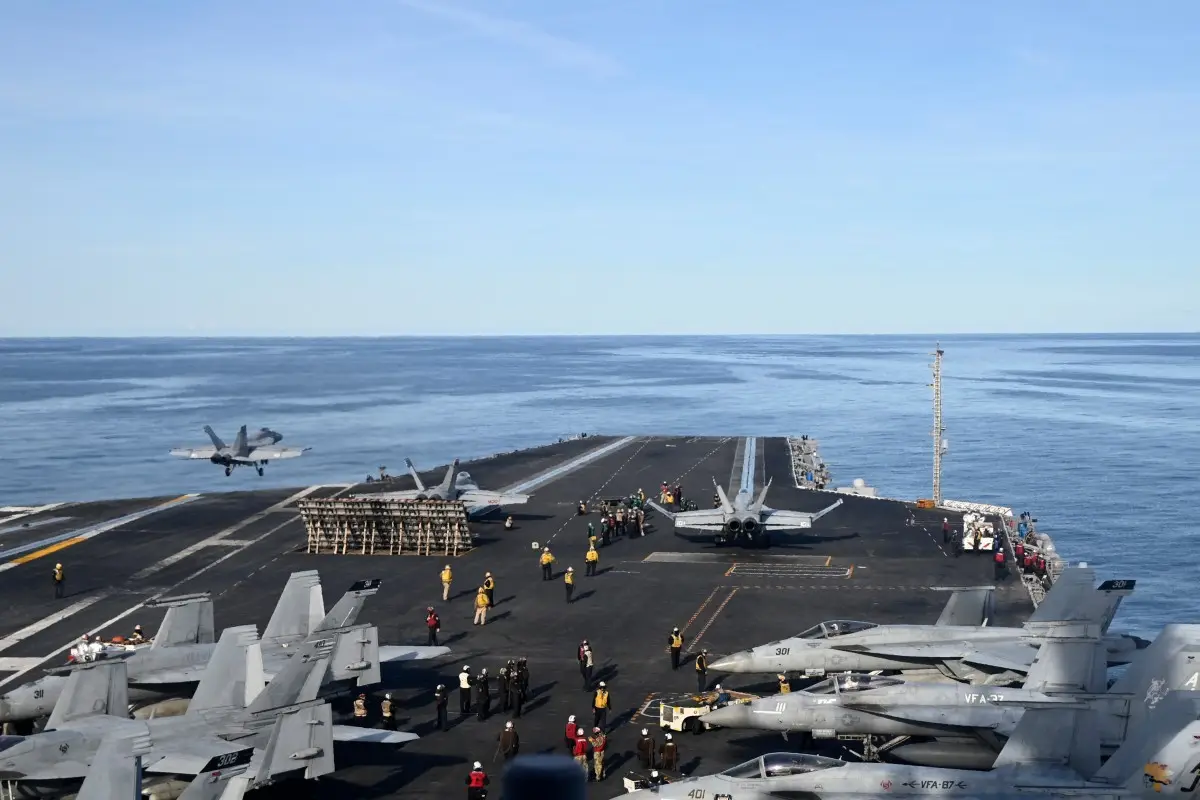
EMALS uses stored kinetic energy and solid-state electrical power conversion. This technology permits a high degree of computer control, monitoring and automation. EMALS over steam catapults means quieter and cooler work and living spaces for Sailors. The system also provides cost reduction over time due to decreased manning and maintenance requirements
AAG: Advanced Arresting Gear
AAG is a turbo-electric system that controls the deceleration of landing aircraft. AAG is a modular, integrated system consisting of energy absorbers, power conditioning equipment and digital controls, designed as the follow-on to the Mark-7 (Mk-7) arresting gear. The system also provides self-diagnostics and operational alerts, enhancing readiness for sustained operations.
AAG's description
Recovers all current and projected future carrier-based aircraft, from the lightest unmanned aerial vehicles to the heaviest manned fighters. The contractor of AAG is General Atomics. It accommodates the projected air wing safely and efficiently while reducing manning and maintenance.
Sortie Generation Rate
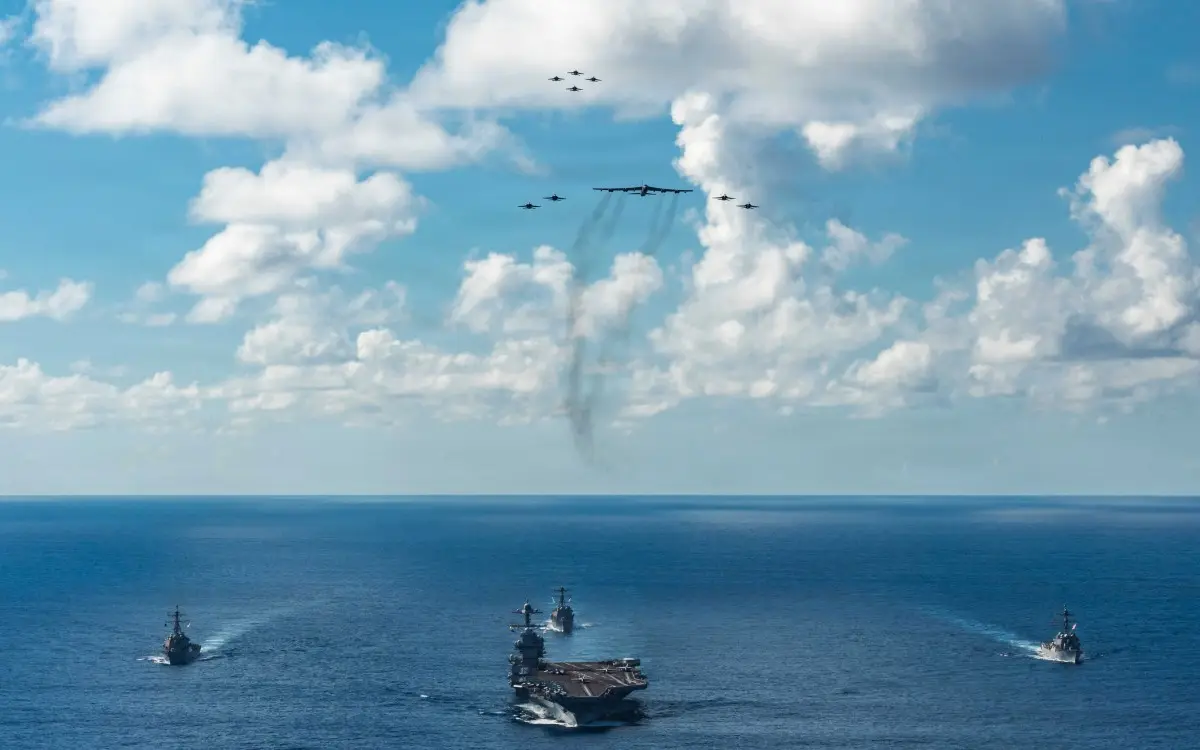
CVN 78 is designed to sustain 160 sorties per 12-hour flight day and surge to 270 sorties per 24-hour period. In comparison, Nimitz-class carriers achieve approximately 120 sustained sorties and 240 surge sorties. This improvement reflects the ship’s launch, recovery, and flight deck design enhancements.
Impact on Naval Air Power
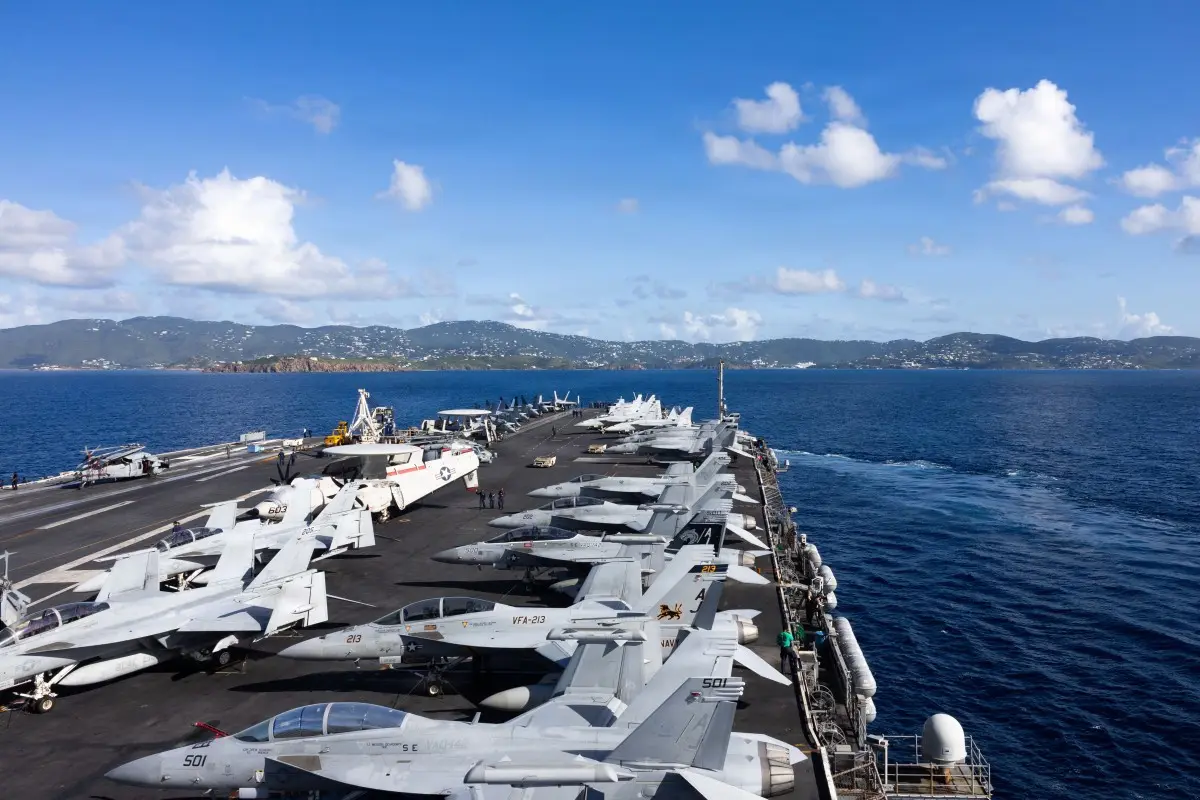
The integration of EMALS, AAG, and improved flight deck operations increases sortie generation capacity, allowing the Navy to project more air power than ever before. These innovations mark a significant step forward in carrier aviation, providing both efficiency and adaptability for current and future air wings.
)
)
)
)
)