Elon Musk, Sundar Pichai and Satya Nadella: How H-1B visa holders shaped the US tech revolution

In this context, the careers of leaders such as Elon Musk, Sundar Pichai, and Satya Nadella and many other tech leaders highlight how H-1B holders have shaped US technology, driving innovation, building global companies, and sustaining America’s competitive edge.
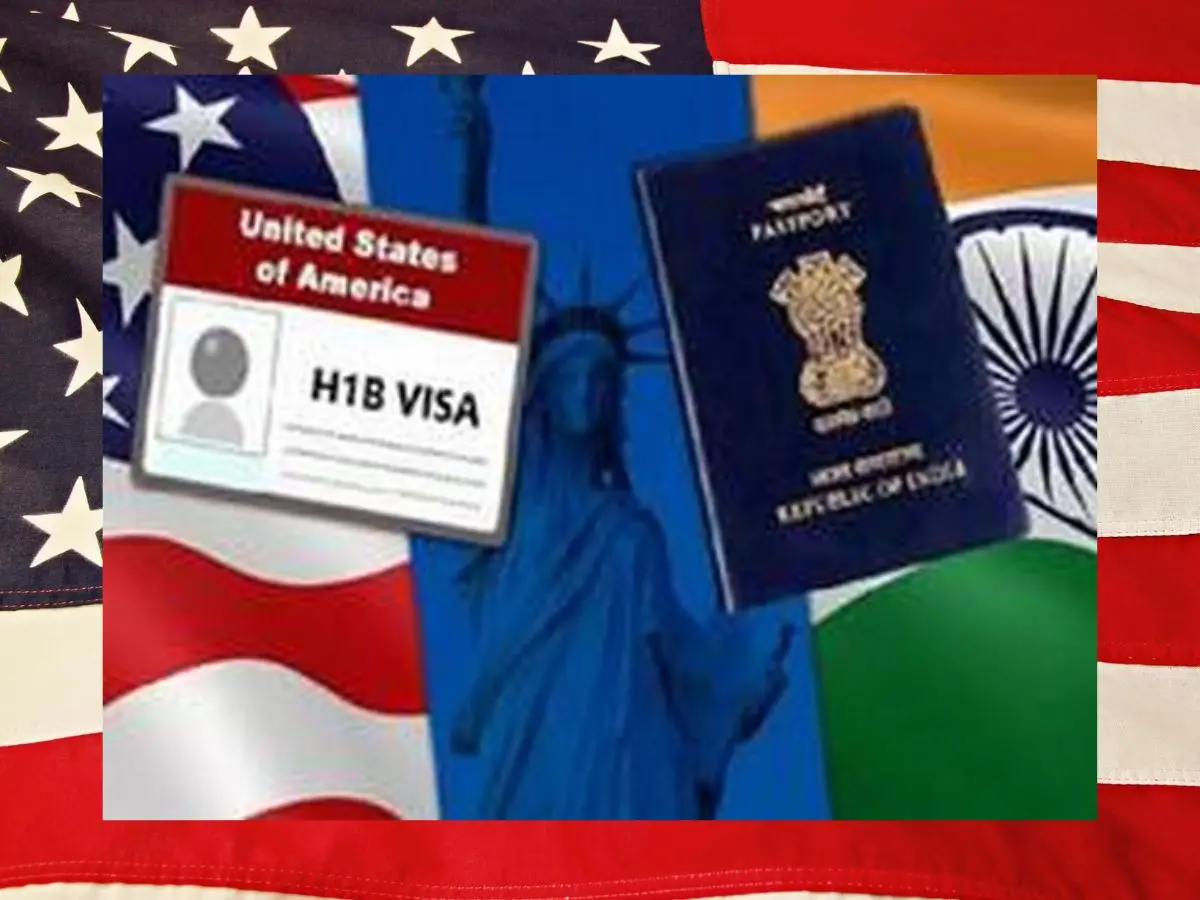
H1B Visas and the contribution to the US
Since 1990, the H-1B visa has been a cornerstone of Silicon Valley’s growth, enabling US companies to hire highly skilled professionals when domestic talent was scarce. The recent introduction of a $100,000 fee for new petitions has added confusion and uncertainty to the programme’s future. In this context, the careers of leaders such as Elon Musk, Sundar Pichai, and Satya Nadella and many other tech leaders highlight how H-1B holders have shaped US technology, driving innovation, building global companies, and sustaining America’s competitive edge.
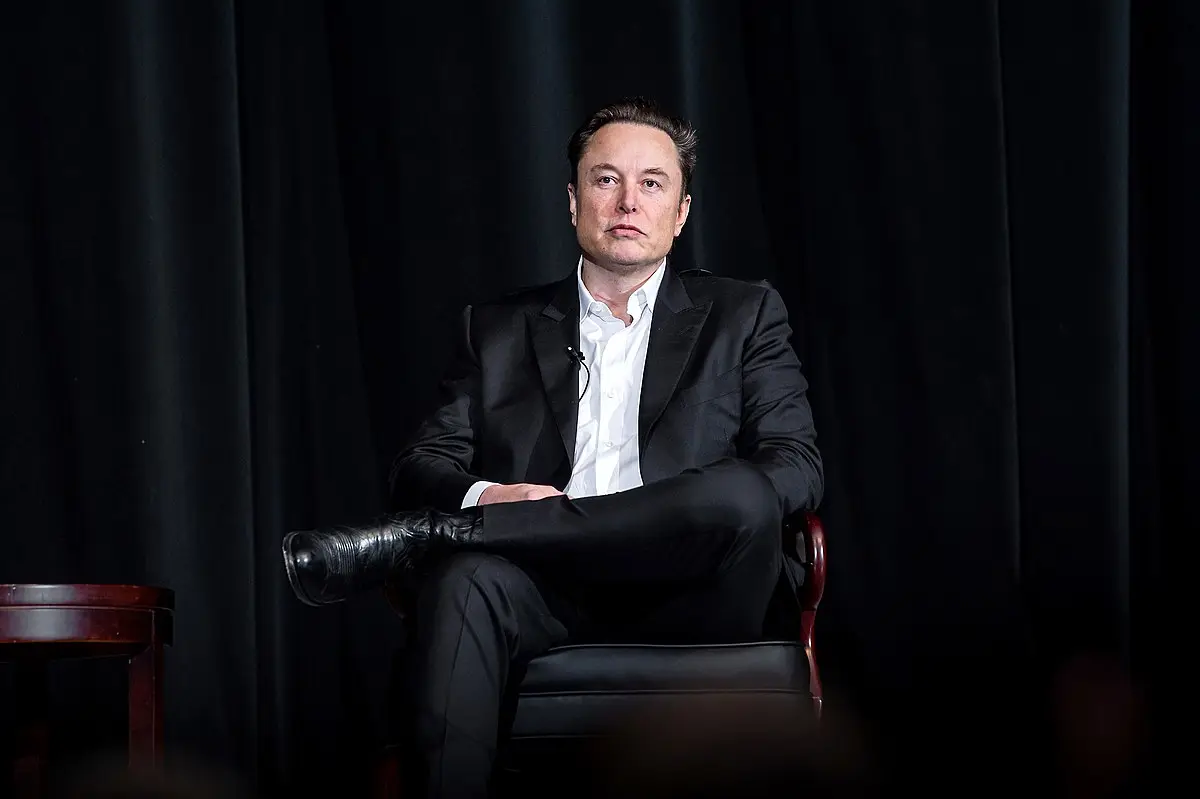
1. Elon Musk
Elon Musk, born in South Africa, entered the United States initially on a J-1 student exchange visa before securing H-1B status during his early ventures. The visa allowed him to legally remain in the US while developing Zip2, his first company, which set the stage for PayPal, Tesla, and SpaceX. Today Musk leads multiple companies spanning electric vehicles, space exploration, and artificial intelligence, employing tens of thousands of engineers worldwide. He has publicly credited US immigration pathways such as the H-1B with enabling him and other skilled workers to contribute to America’s technological rise.
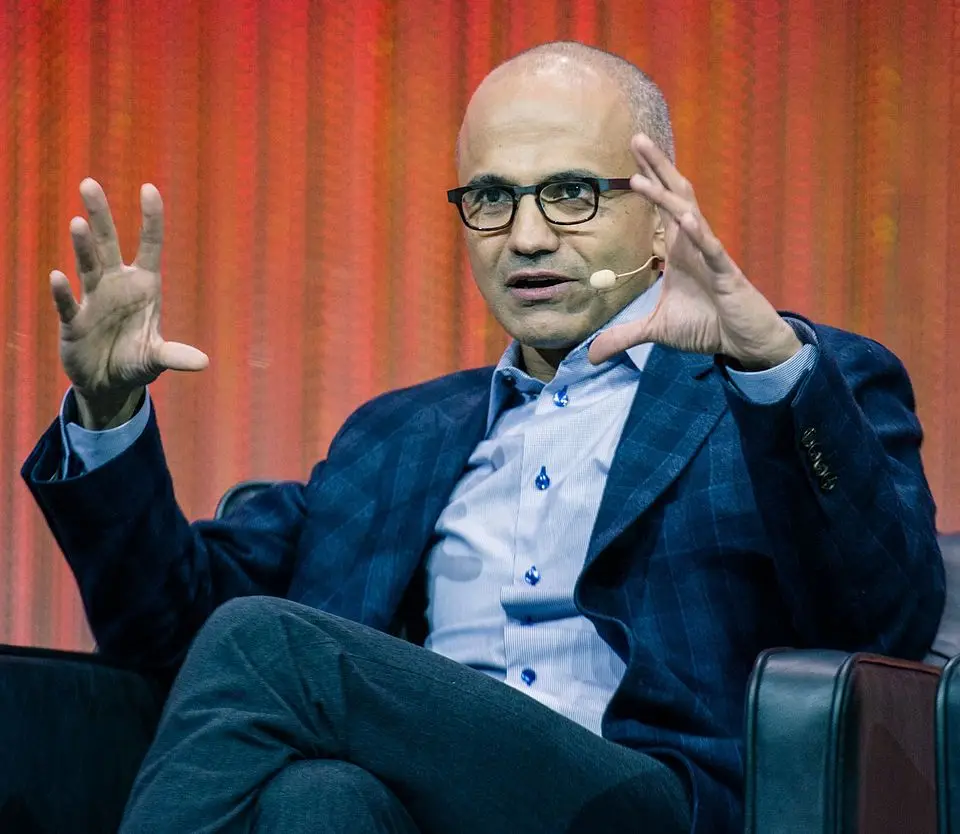
2. Satya Nadella
Satya Nadella, born in Hyderabad, India, came to the United States in the late 1980s for postgraduate studies and moved onto an H-1B visa in the early 1990s to join Microsoft. Over two decades, he advanced through technical and leadership positions before being appointed CEO in 2014. Under his leadership, Microsoft reinvented itself as a cloud computing powerhouse, with Azure and AI services at its core, and the company’s market capitalisation exceeding $3 trillion.
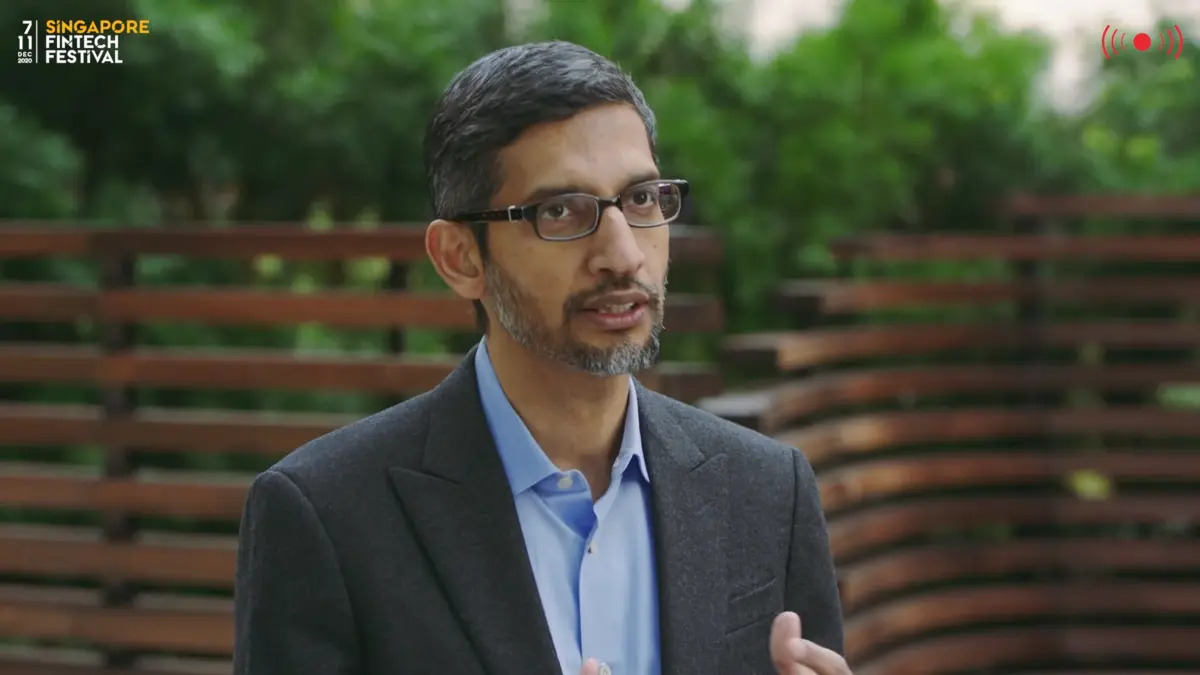
3. Sundar Pichai
Sundar Pichai’s journey began in Chennai, India, before postgraduate studies at Stanford and Wharton brought him to the US Transitioning from an international student visa to H-1B status, he joined Google in 2004, rising through product management roles. As CEO of Google and later Alphabet, Pichai has overseen the company’s expansion into artificial intelligence, Google Cloud, and consumer hardware such as Pixel devices. His career illustrates the H-1B’s role in enabling foreign-born graduates to shape global technology firms.
4. Eric Yuan
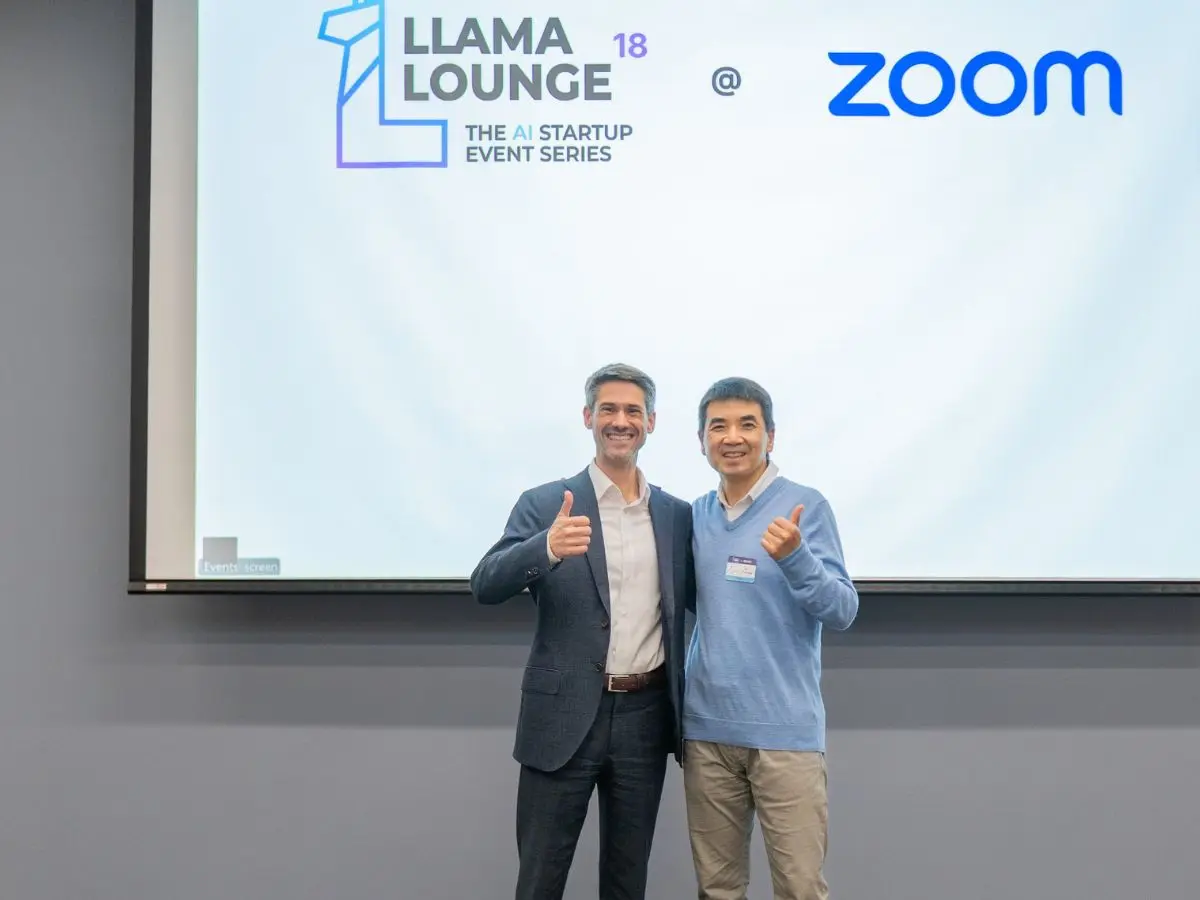
Eric Yuan’s path demonstrates persistence. After facing multiple US visa rejections, the Chinese-born engineer was eventually granted an H-1B visa in 1997, joining WebEx as one of its early engineers. His expertise in video conferencing laid the foundation for Zoom, which he founded in 2011. During the COVID-19 pandemic, Zoom became indispensable for remote work, education, and global communication, at one point reaching a valuation above $100 billion. Yuan’s success highlights how H-1B holders have built companies that became essential to the US' modern economy.
5. Andrew Ng
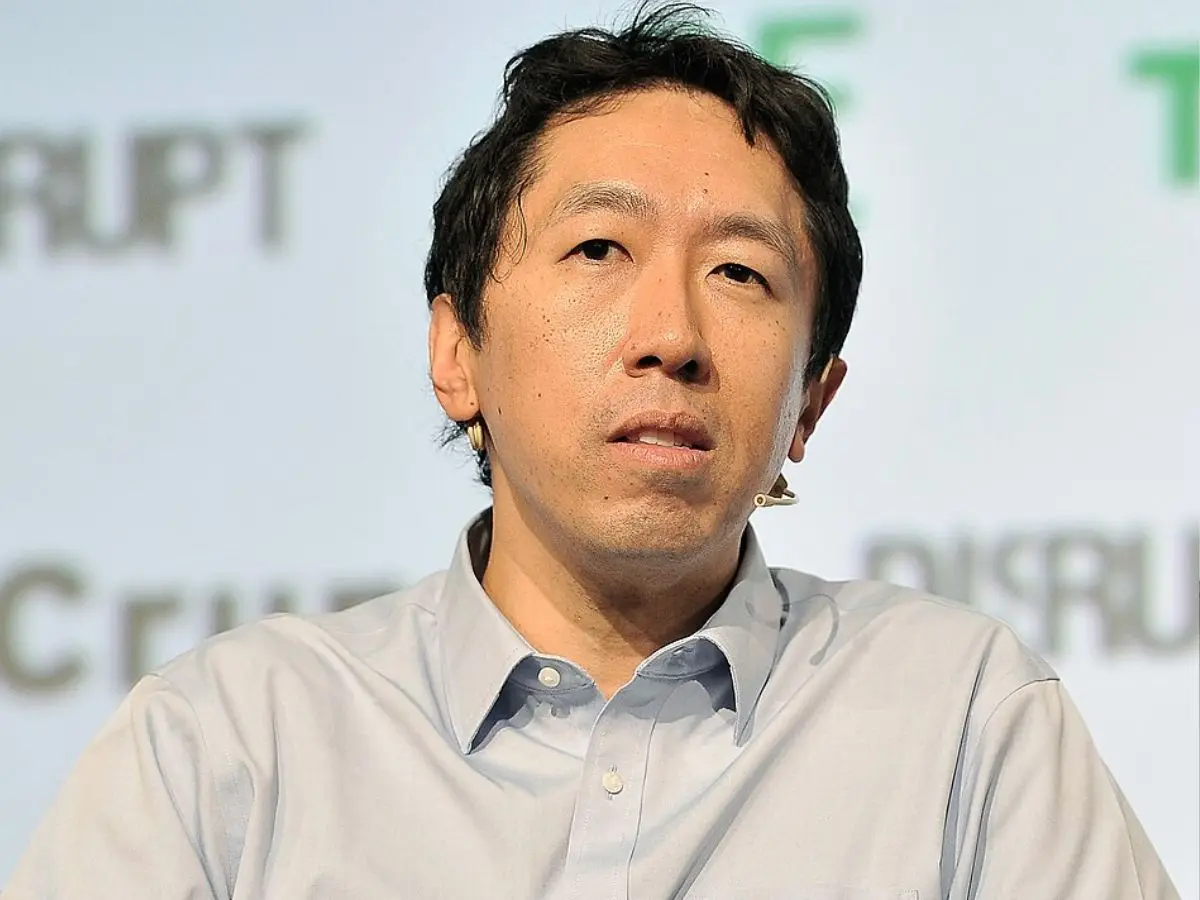
Andrew Ng, a British-born computer scientist raised in Hong Kong, entered the US for his PhD at UC Berkeley and later held H-1B status during his academic and entrepreneurial career. As a Stanford professor, he co-founded Coursera, expanding global access to online education, and Google Brain, establishing Google’s early lead in deep learning research. Ng’s company DeepLearning.AI has trained millions in AI, further extending US leadership in a field reshaping industries. His trajectory reflects how H-1B visas have supported both research and entrepreneurship.
6. Jyoti Bansal
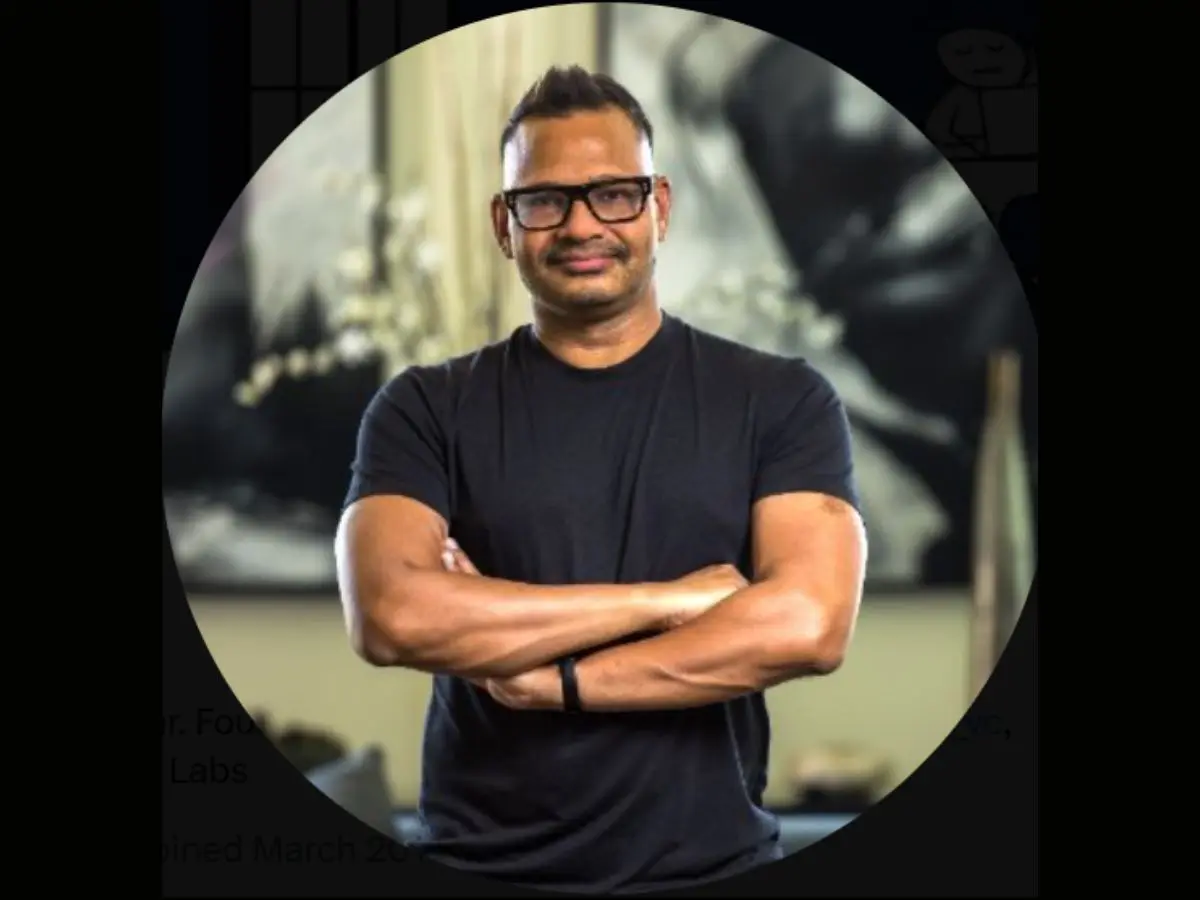
Jyoti Bansal arrived in the US from India on an H-1B visa in 2000. After several years in software engineering roles, he founded AppDynamics in 2008, pioneering application performance monitoring for enterprise software. In 2017, Cisco acquired the company for $3.7 billion, cementing one of the largest exits in enterprise technology. Bansal has since launched new ventures, including Harness and BIG Labs, while investing in other founders.
Other Success Stories – Building Companies and Jobs
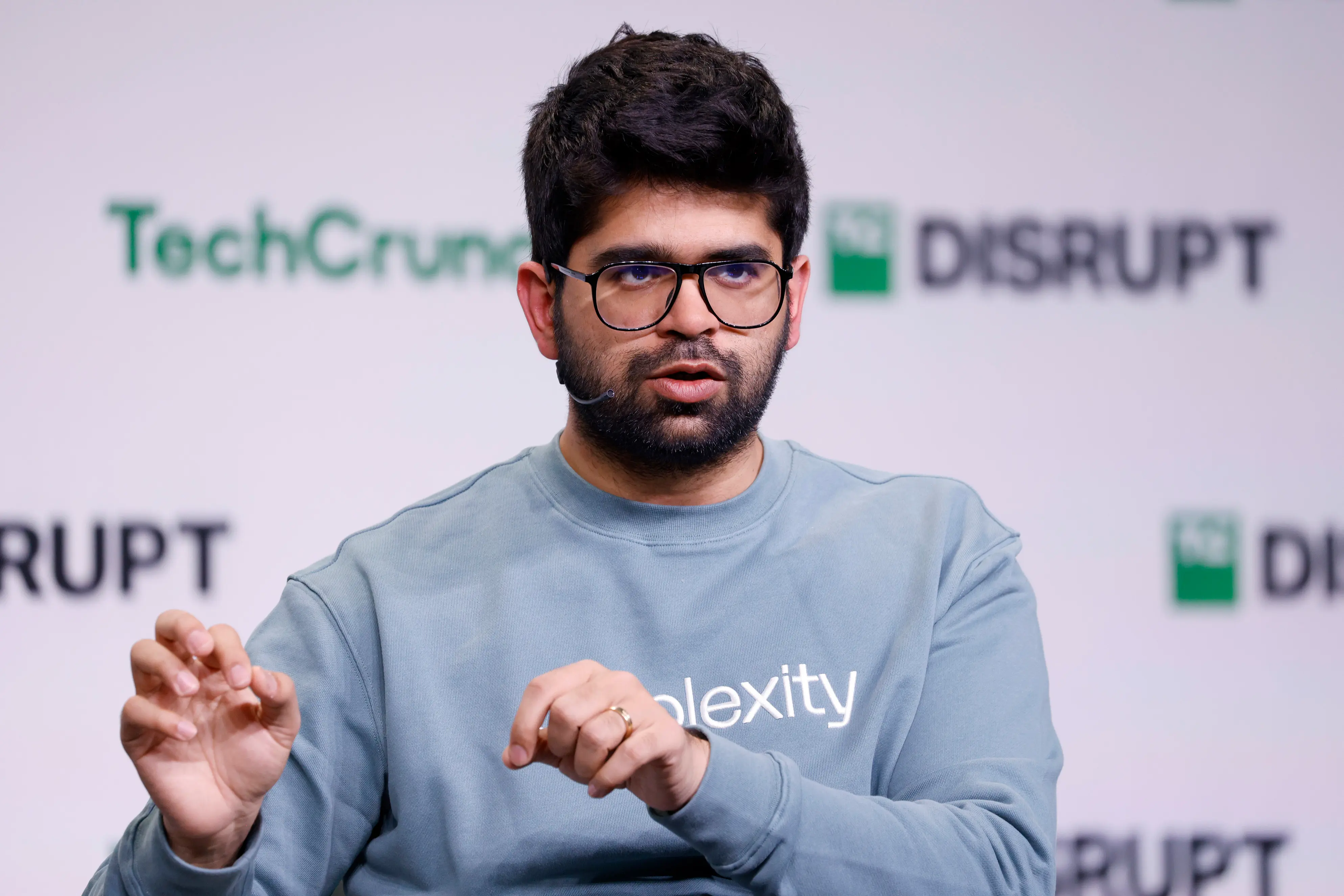
Beyond the most visible leaders, the H-1B programme has nurtured many founders and executives. Aman Bhutani, CEO of GoDaddy, and Aravind Srinivas, founder of Perplexity AI, are further examples of how the programme continues to channel global talent into US innovation.
)
)
)
)
)