Electricity at just Rs 3.50 per unit? How thorium is more powerful, safer and cheaper than uranium nuclear power plants

India is set to establish two thorium-based power plants in Maharashtra, one generating 1,540 megawatts and another producing 440 megawatts. The electricity produced through thorium could make power more affordable at just three and a half rupees per unit while keeping our environment clean.
What is thorium?
So what exactly is thorium, and how is it so powerful to produce this large amount of energy while being cleaner for the environment? Thorium is a silvery metal found naturally in the soil and rocks of the earth. It's mildly radioactive, meaning it gives off small amounts of radiation, just like many elements around us do naturally. It is roughly three to four times more abundant than uranium.
Nuclear power generation
Nuclear power is generated by splitting specific materials to release tremendous energy that heats water into steam and drives turbines to produce electricity. Most nuclear plants across the world rely on uranium for this process. Thorium, however, can also be used, though it follows a different pathway. Thorium itself does not split readily. When it absorbs neutrons inside a reactor, it slowly converts into uranium-233, which then undergoes fission to release energy.
Thorium vs uranium
Why is thorium better than uranium? It offers several clear advantages over uranium. The most significant is safety. Many thorium reactor designs work at normal atmospheric pressure, unlike uranium reactors that operate under intense pressure. In case of a malfunction, thorium reactors are designed to shut down and cool naturally, greatly reducing the risk of severe accidents. Uranium reactors, by contrast, require complex and active safety systems to manage pressure-related risks.
Waste management
Another major benefit is waste management. Thorium produces much smaller quantities of long-lived radioactive waste compared to uranium, whose by-products can remain hazardous for thousands of years. This makes storage and disposal far less problematic for the coming generation. Thorium is also three to four times more abundant on Earth than uranium. Thorium fuel cycles make it extremely difficult to produce weapons-grade materials, which is why the international community sees it as a safer option. However, thorium reactors do need a small amount of uranium or plutonium to kickstart operations, whereas uranium reactors can begin more easily.
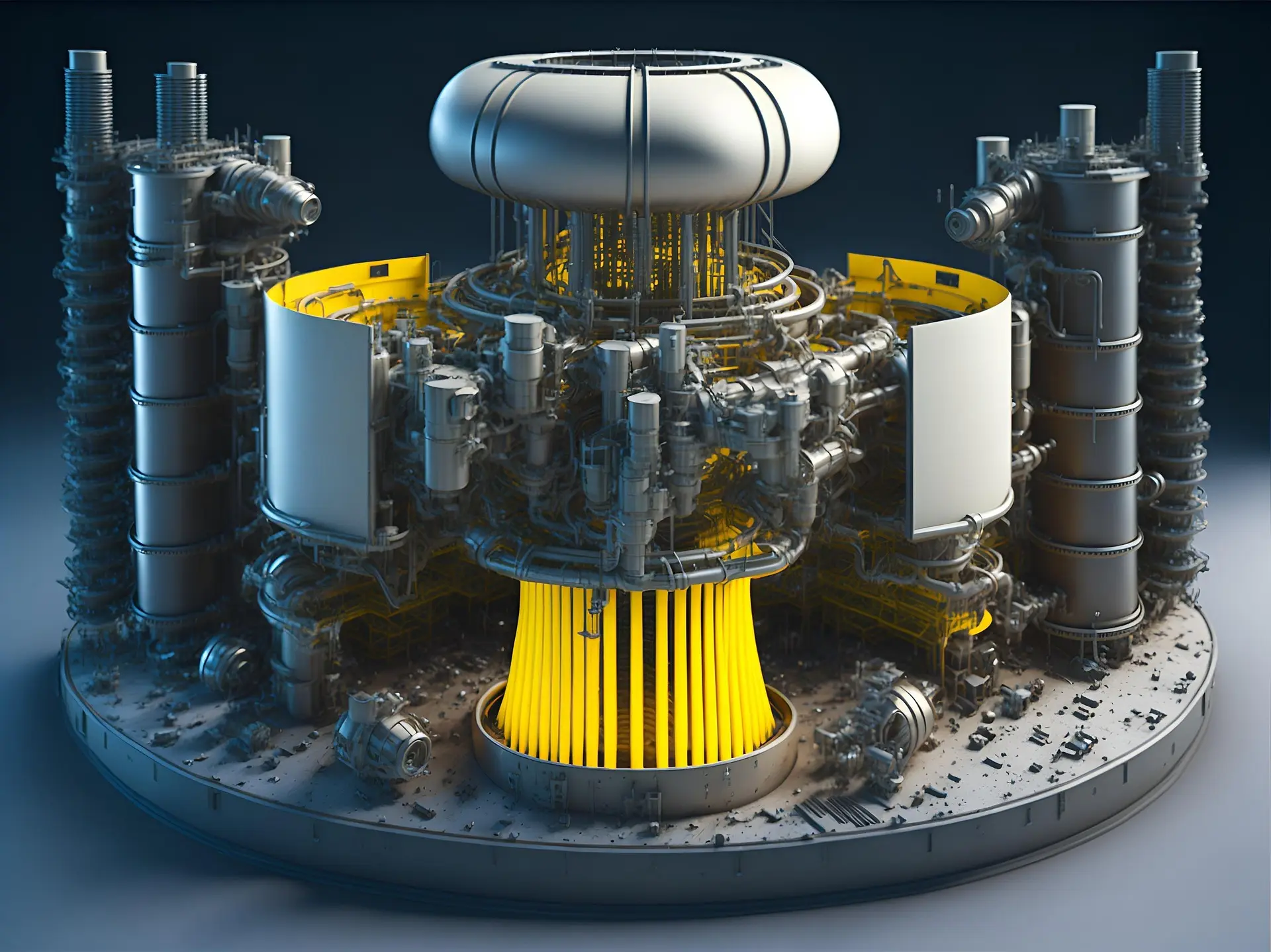
India’s nuclear programme
If thorium offers so many advantages, the obvious question is why it has not been widely adopted yet. The answer lies in the complexity of the technology and the long path of India’s nuclear programme. India identified thorium’s potential as early as the 1950s, when pioneering scientist Dr Homi Bhabha outlined a three-stage nuclear strategy. The first stage focused on using natural uranium in heavy water reactors, which are still in operation today. The second stage involves fast breeder reactors that use plutonium generated from the first stage.
Fast breeder reactors
Fast breeder reactors are unique because they produce more fuel than they consume. Along with generating electricity, they convert non-fissile material into new fuel, effectively extending India’s limited uranium reserves. The third stage of Bhabha’s vision aimed to use thorium, combined with fuel from the second stage, to generate large-scale clean energy. However, India is still in the process of fully realising the second stage.
Thorium-based reactors
Developing thorium-based reactors on a commercial scale requires extensive research, testing and validation. Nuclear projects also demand years of stringent safety clearances and regulatory approvals. Globally, all existing large commercial nuclear plants, more than 400 of them, run on uranium. That said, progress is underway. China has recently commissioned a small experimental thorium reactor in its desert region and is planning larger projects. Today, India and China are at the forefront of global thorium research.
)
)
)
)
)