Eight-engine fury: Why is the B-52 bomber so loud?

Powered by eight Pratt-Whitney engines producing 17,000 pounds of thrust each, the B-52 bomber generates a deafening 150-decibel roar. An upcoming upgrade to Rolls-Royce engines will soon quiet this USD 84 million Cold War giant's acoustic signature.
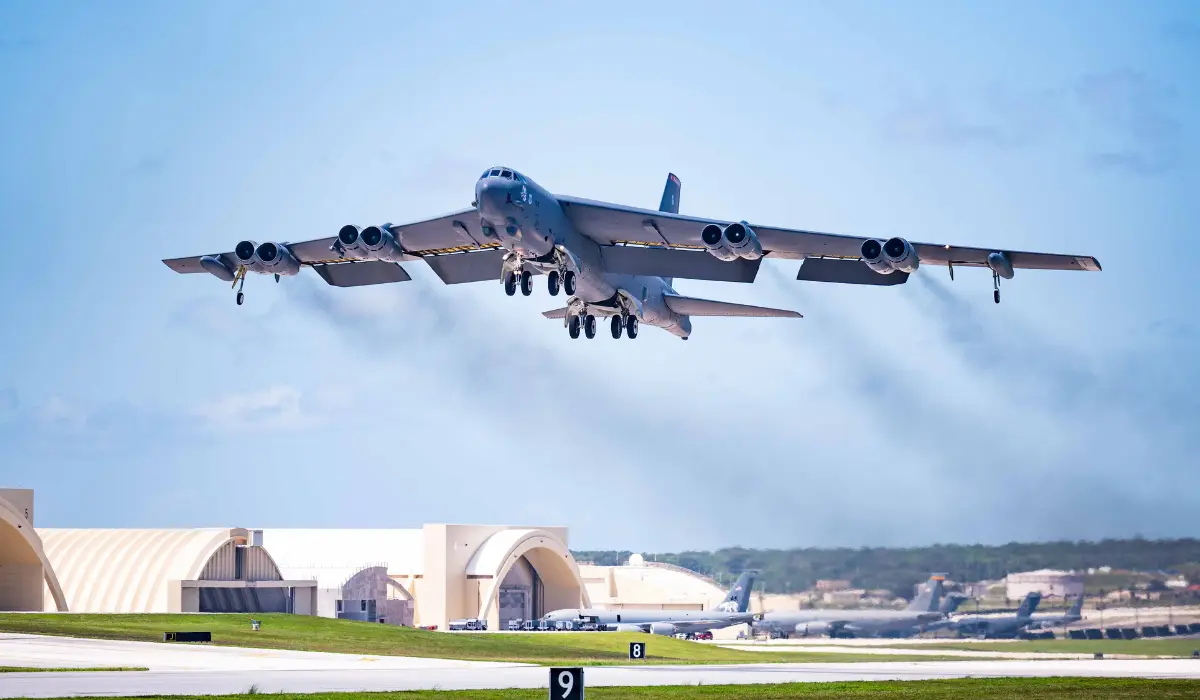
The Eight-Engine Roar
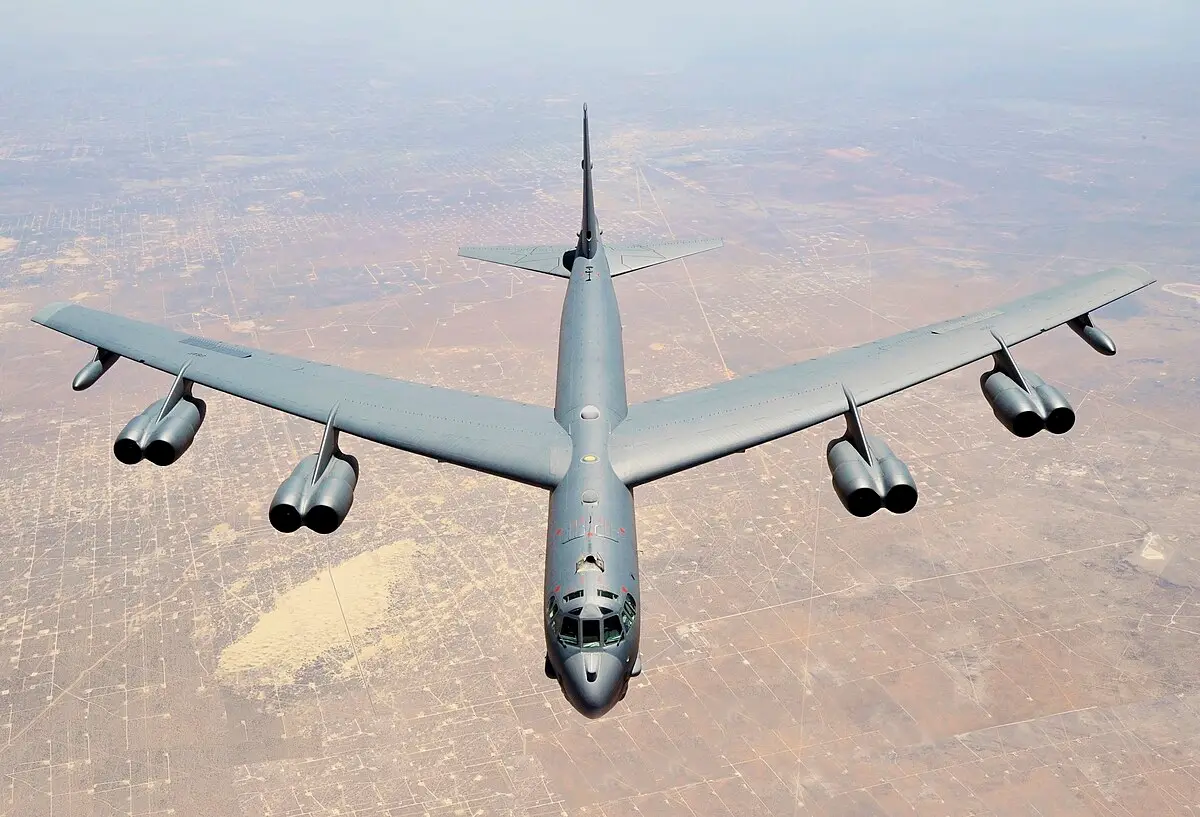
The Boeing B-52 Stratofortress is exceptionally loud because it is powered by eight Pratt & Whitney TF33 turbofan engines. With each engine producing up to 17,000 pounds of thrust, the massive bomber generates a thunderous acoustic signature.
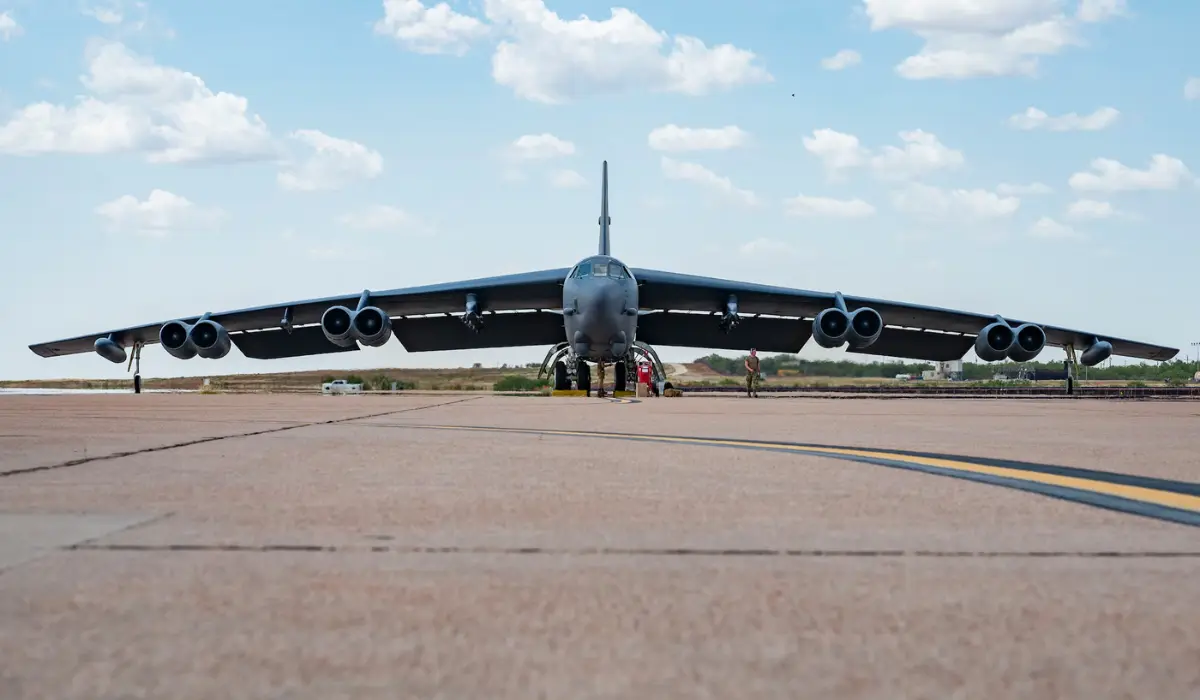
Deafening Decibel Levels
A standard jet engine taking off can reach a staggering 150 decibels, a level capable of causing immediate hearing damage. Because the USD 84 million aircraft operates eight engines simultaneously, its takeoff creates a physically painful wall of sound.
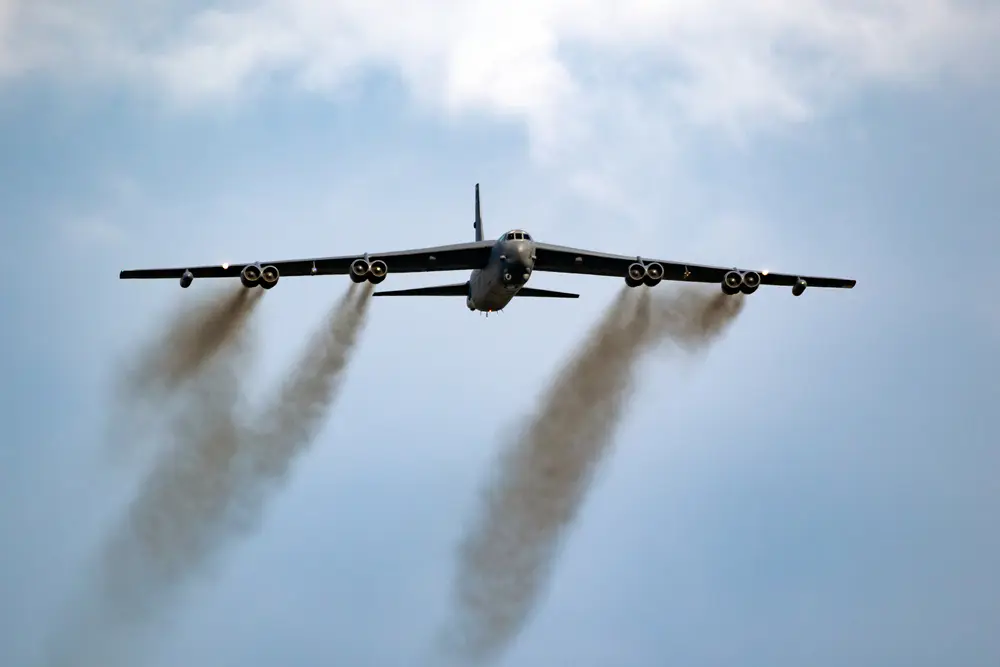
The Subsonic Rumble
Despite being a subsonic aircraft with a top speed of 650 miles per hour, its massive powerplants create a terrifying presence. During low-altitude manoeuvres, the extreme low-frequency rumble of the eight turbofans can physically vibrate the chests of ground observers.
Challenging Cabin Conditions
The sheer acoustic power of the engines creates an incredibly loud and exhausting environment for the five-person flight crew. The internal noise levels are extremely high, adding severe strain during combat missions that can last well over 24 hours.
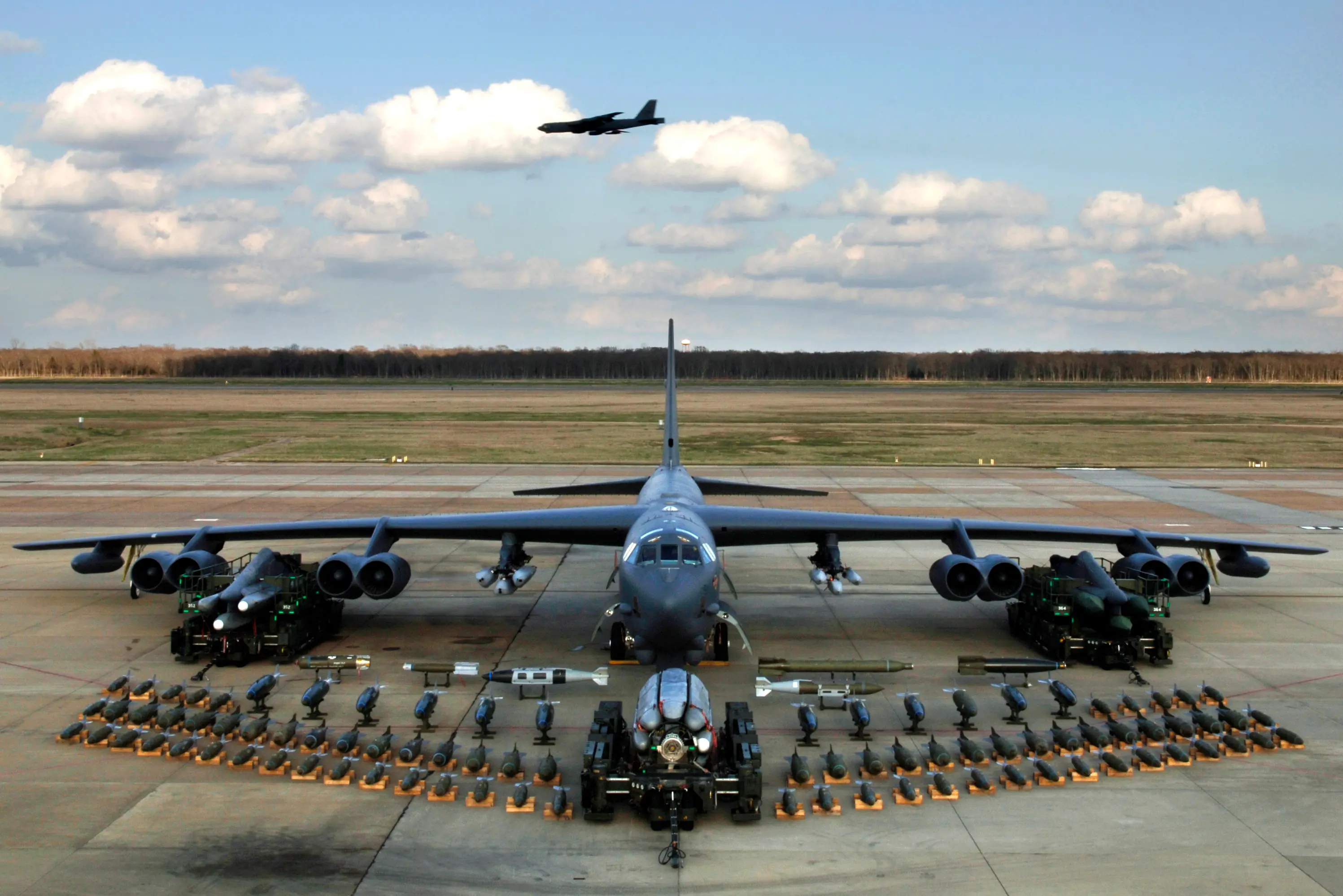
Protecting the Ground Crew
Because a jet plane on the ramp can easily produce 120 decibels of noise, ground crews working near the active bomber face severe hazards. Sustained exposure to noise above 85 decibels can cause permanent hearing loss, requiring heavy-duty ear protection.
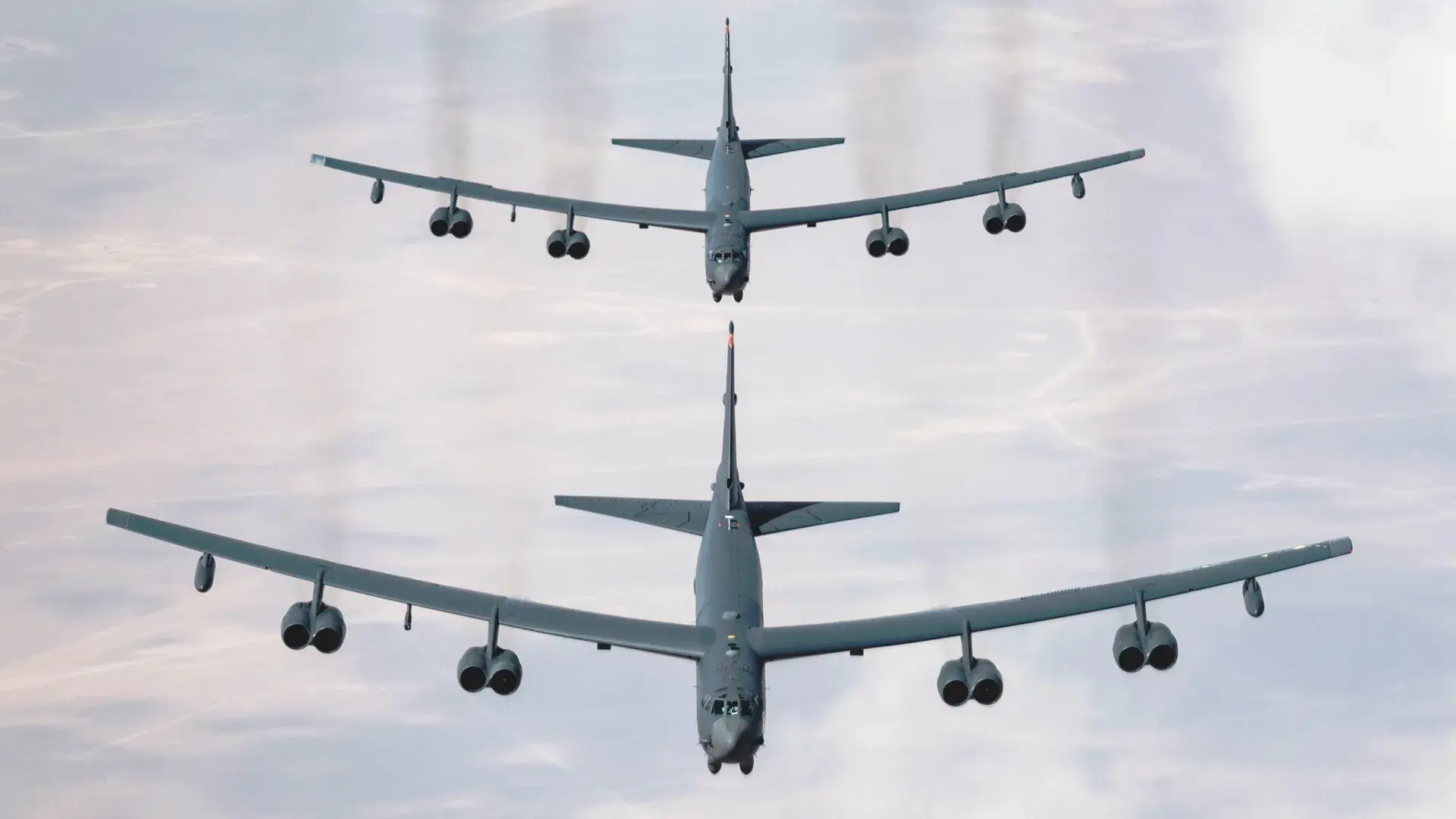
The Engine Overhaul
To keep the heavy bomber operational until 2050, the US Air Force is executing a massive modernisation programme. The military is actively replacing the vintage Pratt & Whitney turbofans with eight modern Rolls-Royce F130 commercial engines.
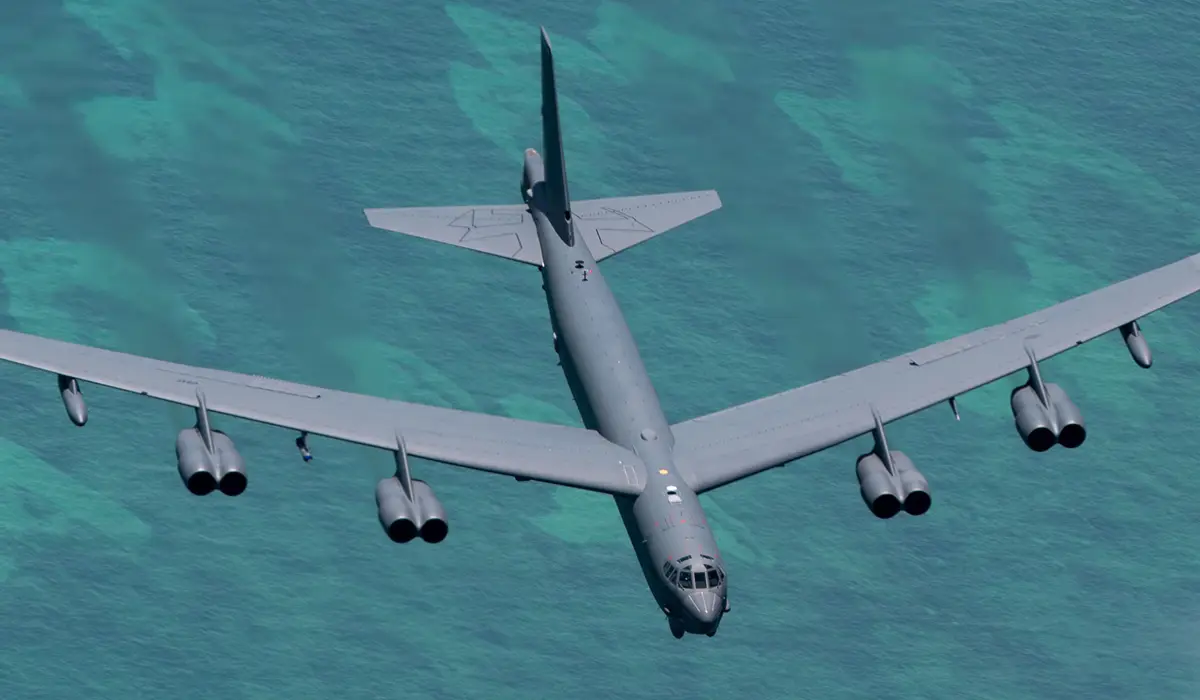
A Quieter Future
The new Rolls-Royce F130 engines will drastically reduce the aircraft's legendary noise footprint while significantly improving fuel efficiency. This vital engine replacement ensures the USD 84 million heavy bomber can execute its global strike missions without the deafening roar of the Cold War era.
)
)
)
)
)