Egypt unearths human and animal mummification workshops

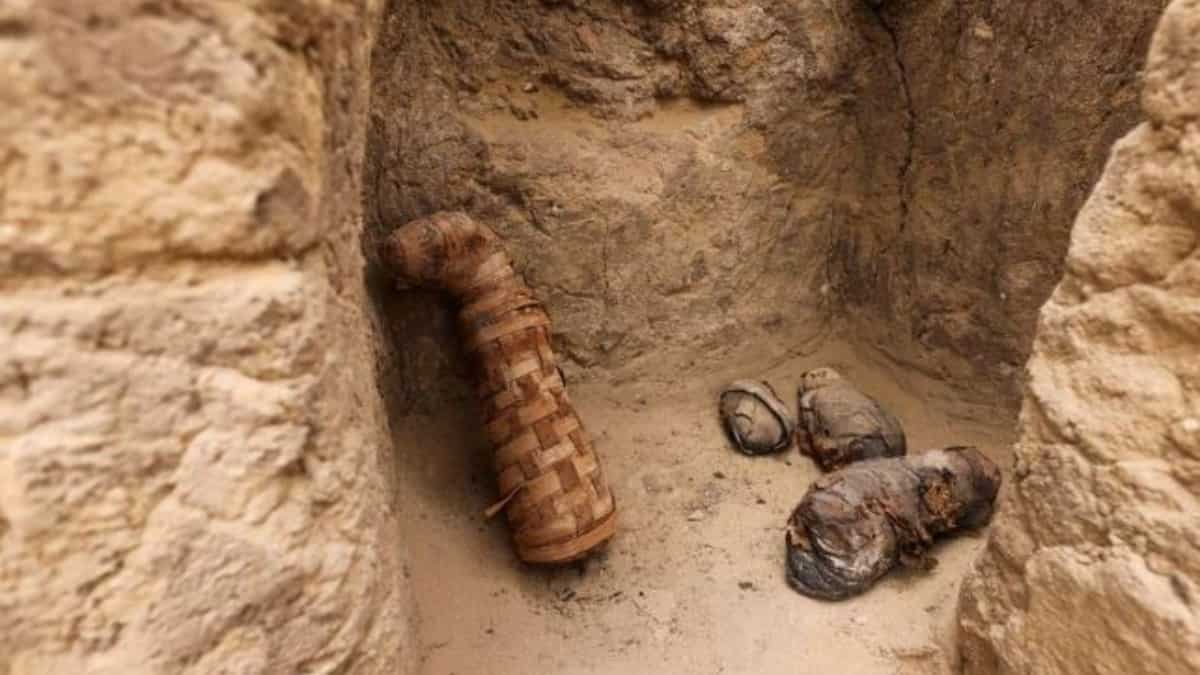
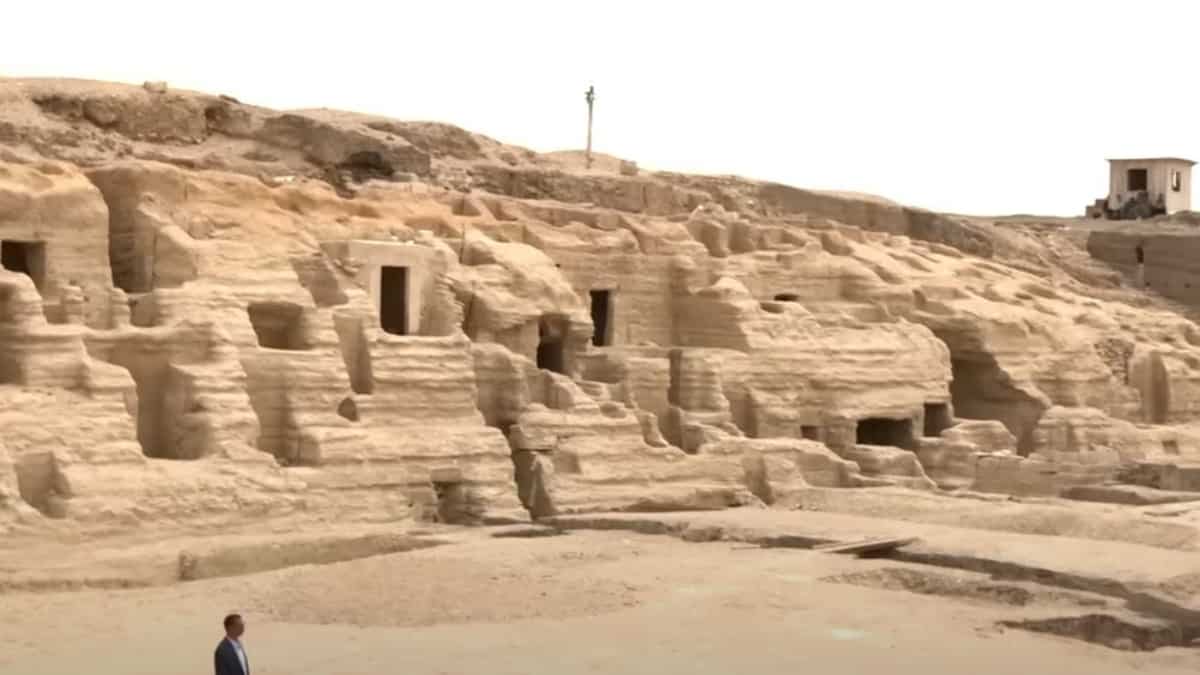
Mummification workshops were found in Saqqara necropolis
The two largest workshops used to mummify humans and animal corpses in ancient times were discovered in Saqqara, a vast Pharaonic necropolis south of Cairo. Head of Egypt's Supreme Council of Antiquities, Mostafa Waziri told journalists that “this workshop is the one used for humans, including the beds on which the bodies were washed”.
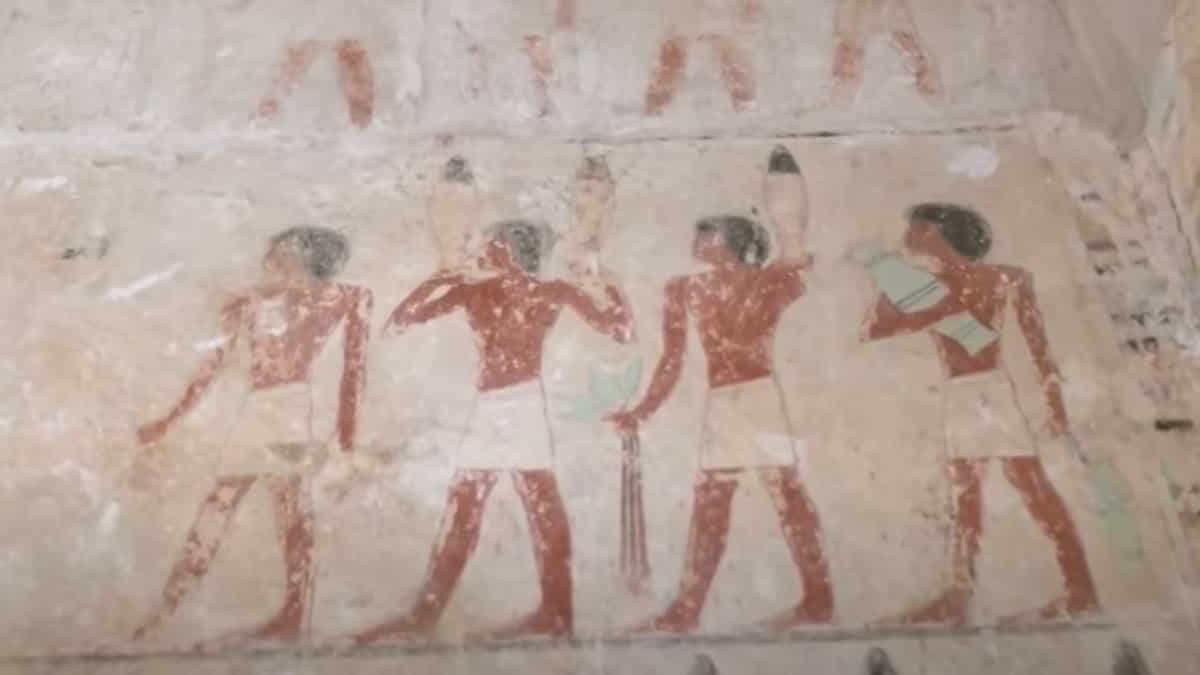
Human mummification site
As reported by Al-Ahram, the Egyptian state newspaper, the first workshop is a rectangular building containing multiple rooms with stone beds measuring two metres (6.6 feet) long and 50 centimetres (20 inches) wide which were used to mummify the deceased.
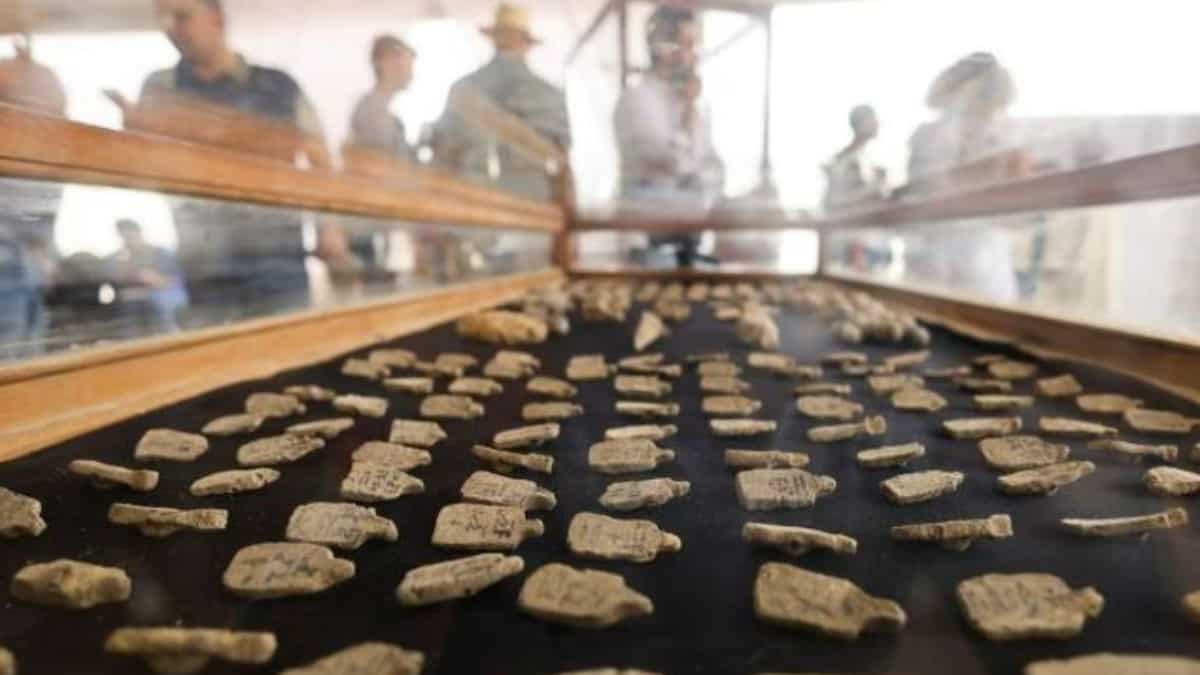
Ancient tools unearthed by Egyptians
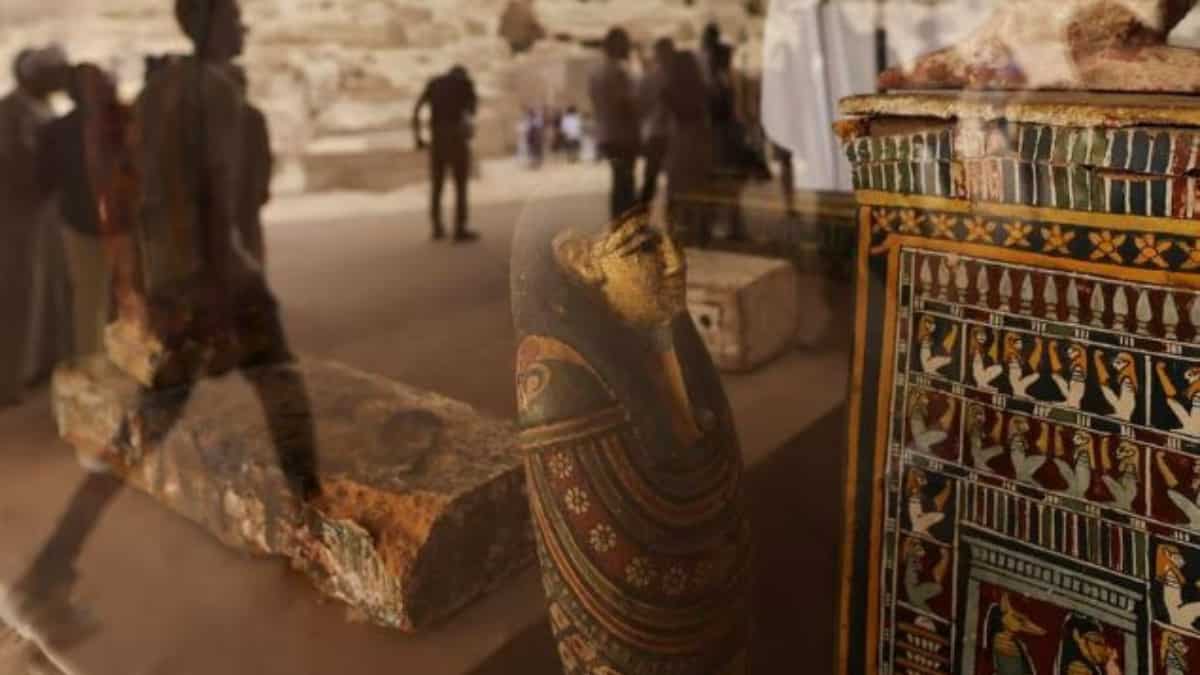
Archaeologists also unearthed tools used by ancient Egyptians to dissect bodies to remove internal organs alongside the canopic jars used to preserve internal organs.
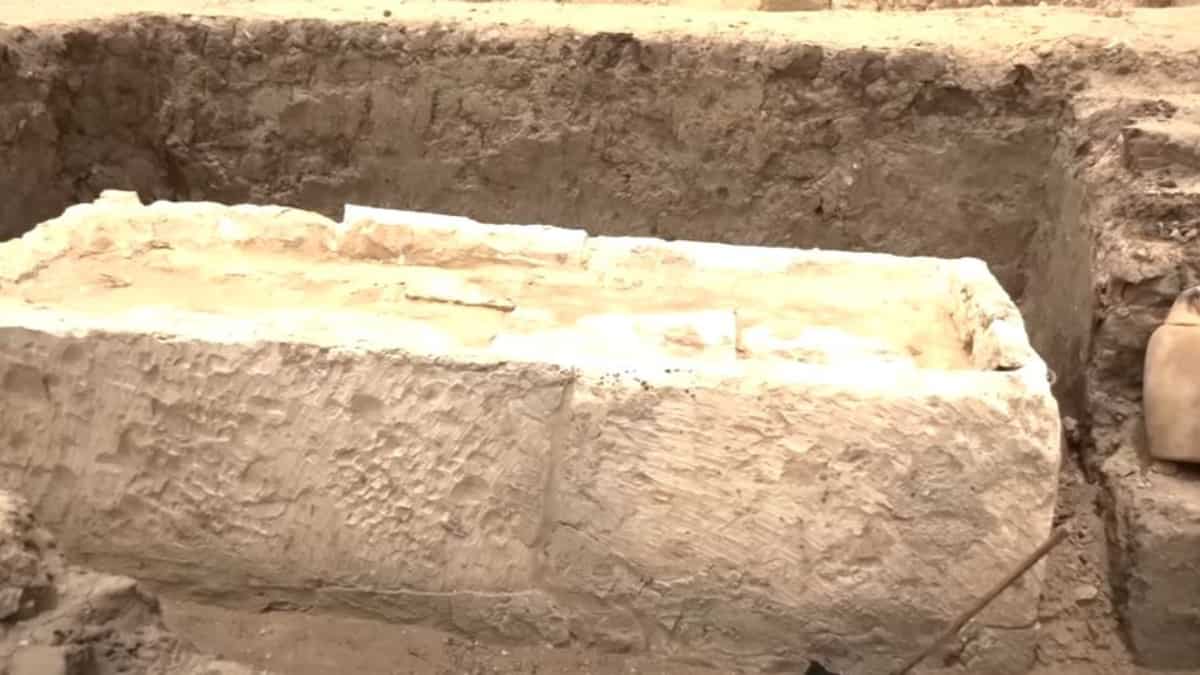
Animal mummification site
According to Al-Ahram, the second workshop contained five stone beds, distinct from those discovered in the human embalming workshop. Archaeologists also found clay pots and animal burials in the second workshop. Waziri told the media that “according to initial studies, it is believed that this particular workshop was used for the mummification of sacred animals”.
'Most beautiful' tombs unearthed at Saqqara
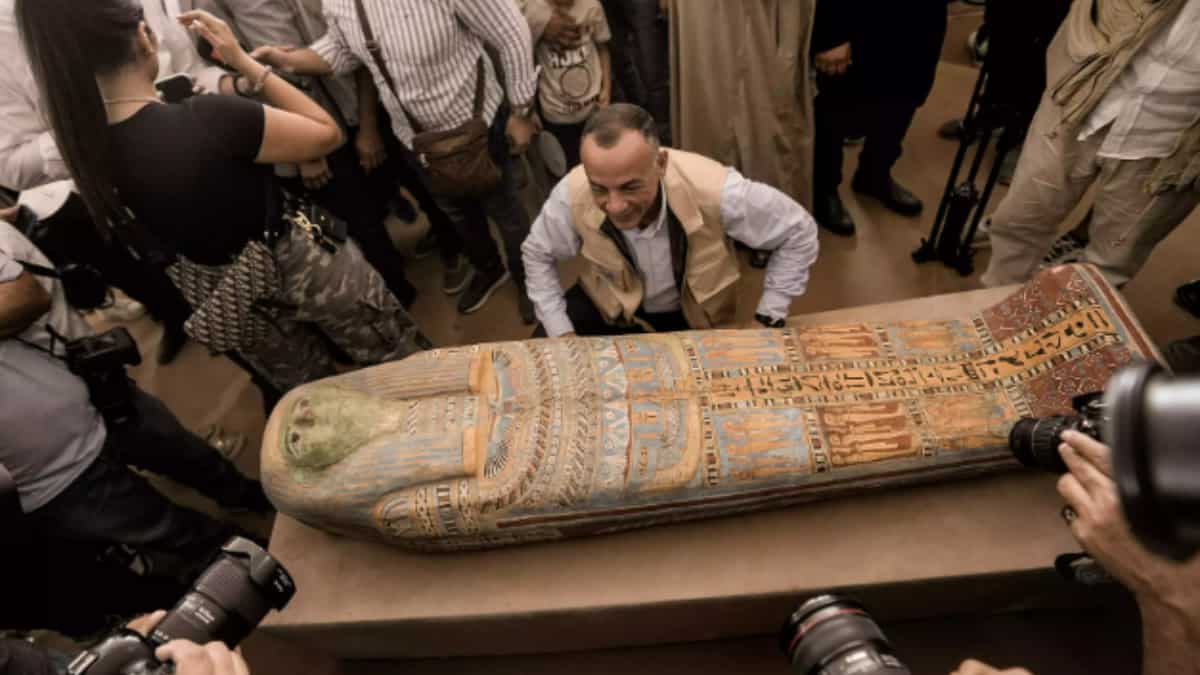
Alongside the two workshops, archaeologists also came across two tombs. Waizir described it as ‘one of the most beautiful tombs’. Named after a top official, Ne Hesut Ba, the tomb is 4,400 years old and dates back to the fifth dynasty. This tomb is considered to be of importance as Ne Hesut Ba worked as a high priest for the Goddess Maat and supervised the digging of the canals for irrigation.
Excavation also uncovered another tomb
The second tomb is 3,400 years old and belonged to a Qadish priest named Men Kheber Ra.
Tribute to the archaeologists
Paying tribute to the hard work of all the archaeologists who revealed this new discovery, Al Ahram said, “I assure you that Egypt, especially the archaeological site of Saqqara, has not yet revealed all its secrets and there are many more to come”.
)
)
)
)
)