Economy under stress: 5 major impacts on India after one month of West Asia War

The ongoing US-Israel-Iran war has profoundly impacted the economic landscape of India. It has been one month since the war began on February 28, 2026, and the closure of the Strait of Hormuz has triggered a massive economic strain. Let's have a look at the impacted sectors.
1. LPG Shortage
India grapples with a severe liquefied petroleum gas (LPG) shortage triggered by the ongoing war in West Asia. The supplies have been disrupted due to the closure of the Strait of Hormuz, a critical route for nearly 60 per cent of India’s LPG imports. The disruption in the Strait of Hormuz has significantly impacted India's gas supply chain, prompting New Delhi to increase its efforts in diversifying sourcing. It has prompted an acute shortage of cooking gas. In response to the situation, the government has invoked the Essential Commodities Act, rationing gas and prioritising households over industries like hotels and restaurants.
2. Rupee at Record Lows
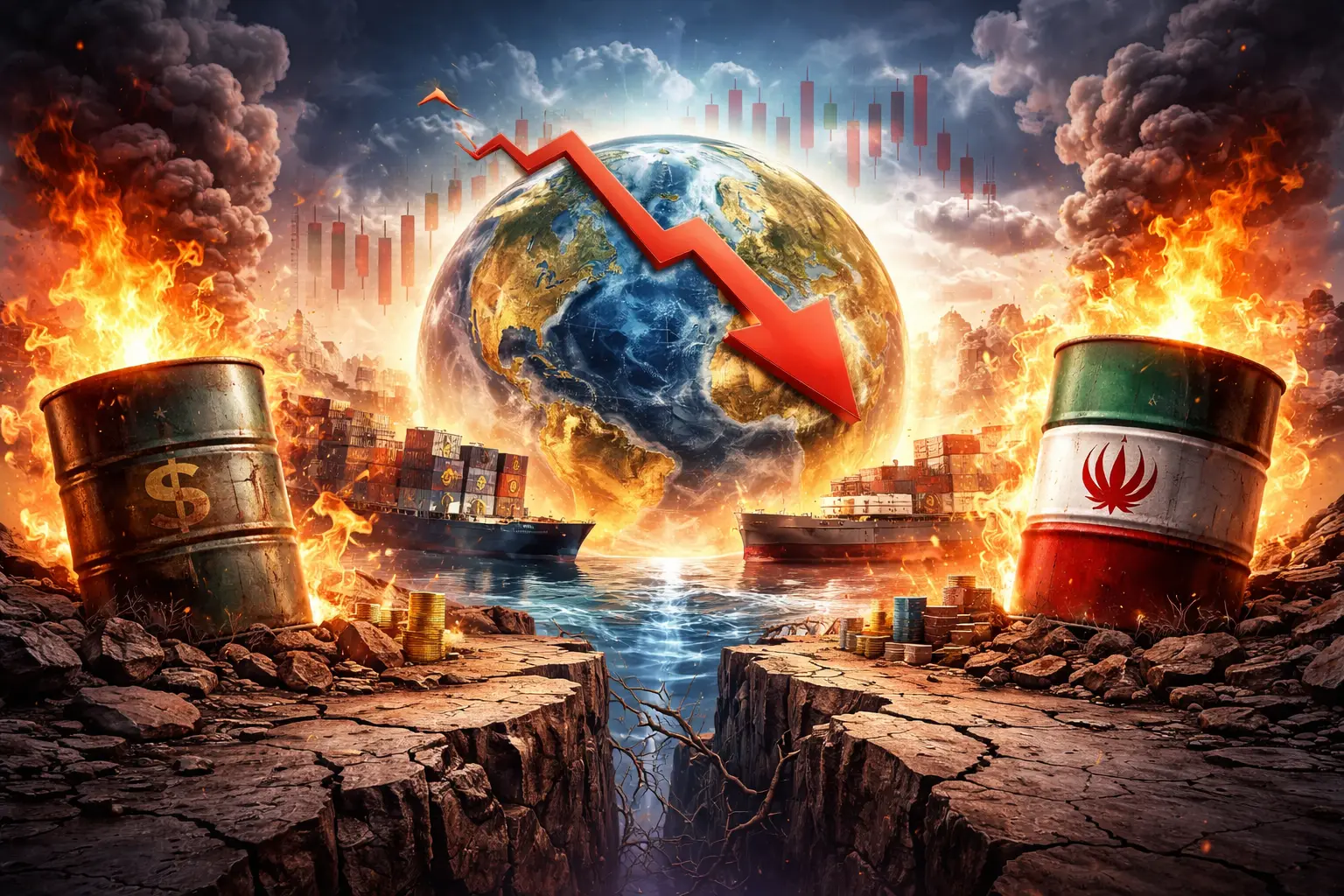
The Indian Rupee has become one of the worst-performing currencies in 2026, breaching the 94 per dollar mark for the first time on March 27. The surge in the oil import bill, combined with the "risk-off" sentiment that has driven Foreign Institutional Investors (FIIs) to pull out over Rs 1.1 lakh crore in a single month, has put the currency under structural pressure, surpassing the previous record of ₹94,017 crore from October 2024, according to The Hindu.
3. Stock Market Correction
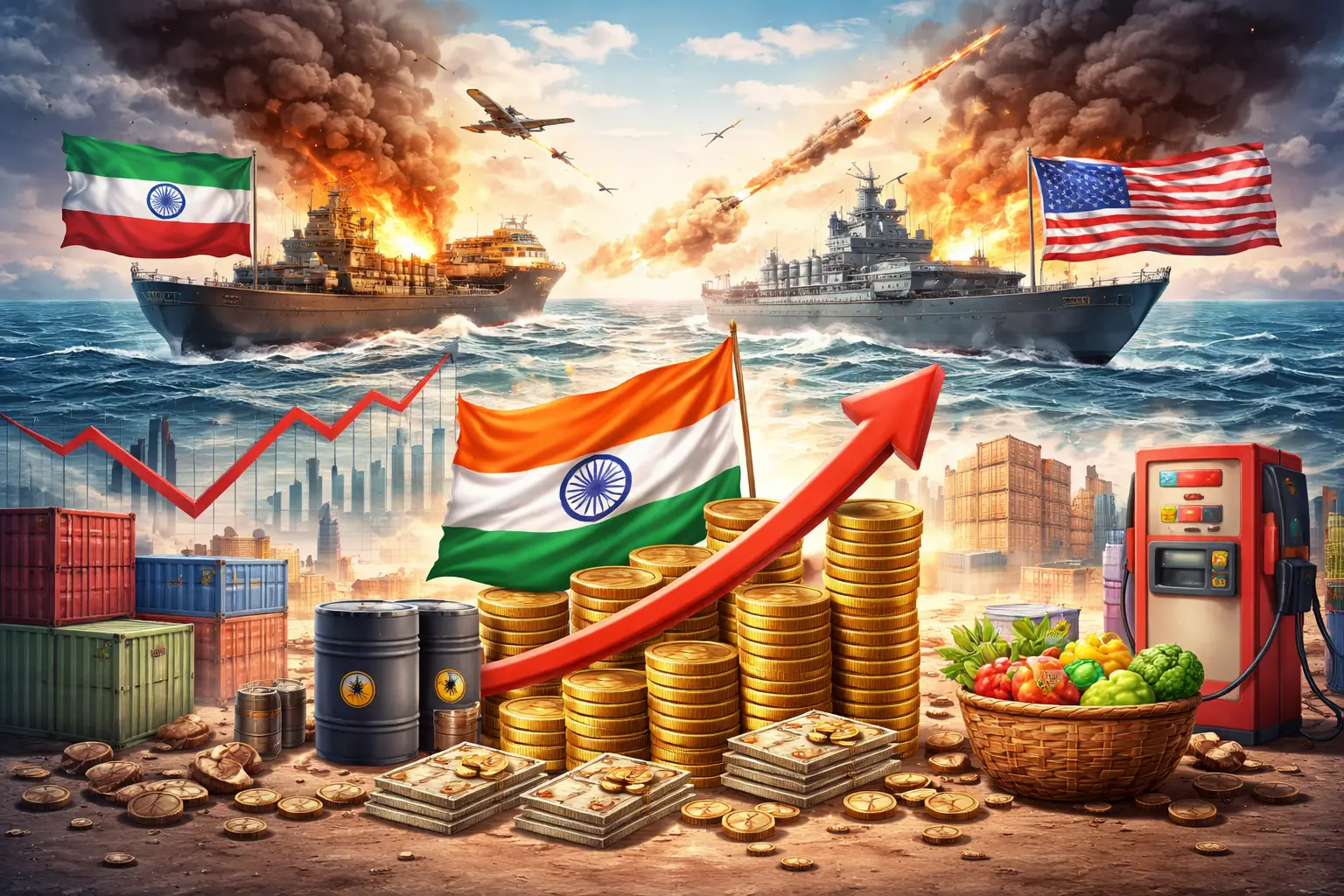
The Indian stock market has experienced one of its most severe downturns in recent history, primarily triggered by the outbreak of the US-Israel-Iran war on February 28, 2026. As of March 28, 2026, the indices have completed a full month of heavy losses, mirroring the panic seen during the 2020 pandemic crash. Between the closing of February 27 and March 27, the SENSEX plunged by 9.4 per cent (approximately 7,700 points) to settle at 73,583.22. Similarly, the NIFTY 50 dropped by 9.3 per cent, falling below the crucial 23,000 mark to end at 22,819.60, according to a report in the upstox.
4. Manufacturing Slowdown
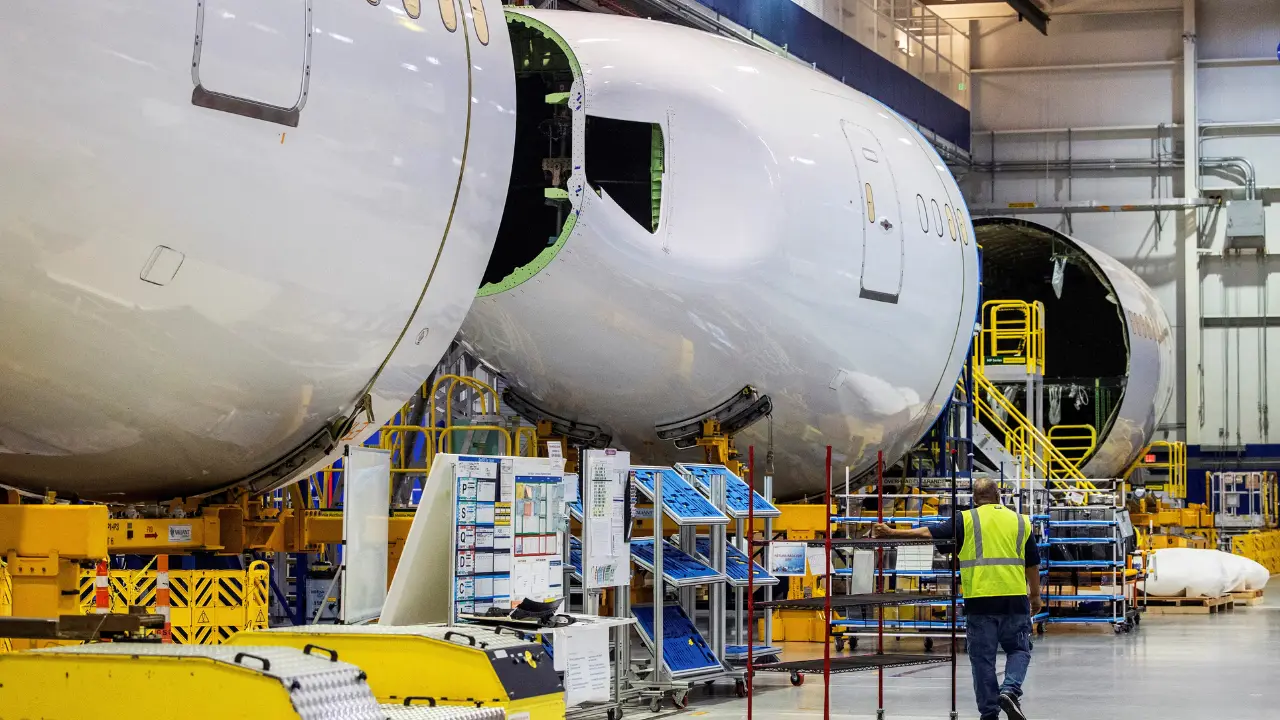
The manufacturing sector has slumped to a 4.5-year low, with the HSBC PMI dropping to 53.8. Industries that rely on heating furnaces or chemical input, specifically engineering, aluminium, and fertilisers, have seen massive shutdowns, according to a report in Trading Economics. In Gujarat, reportedly 98 per cent of engineering firms have ceased operations due to the lack of industrial LPG, while nearly half of Maharashtra’s industrial units are shut. In Gujarat, reportedly 98 per cent of engineering firms have ceased operations due to the lack of industrial LPG, while nearly half of Maharashtra’s industrial units are shut. The crisis followed due to raw-material shock, which includes Engineering & Steel, Aluminum, Fertilisers, and Chemicals & Ceramics.
5. GDP Growth Forecasts
The real gross domestic product (GDP) growth of India may slow down to 7.1 per cent in fiscal 2027, compared with 7.6 per cent in the previous year, according to a report by Crisil Intelligence. The outlook, shared during the 10th India Outlook Conclave, suggests that growth will remain strong even as the global environment faces challenges such as geopolitical tensions and increasing protectionist policies. The forecast is based on four key assumptions: a normal monsoon, manageable food inflation despite a low-base effect, Brent crude prices hovering around $75–$80 per barrel, and stable global economic growth.
)
)
)
)
)