Eclipses, supermoons and meteor showers: Don’t miss these 5 celestial events in 2026

From luminous supermoons rising over winter landscapes to a total solar eclipse that will briefly turn day into night across parts of Europe and the Arctic, the year will offer an exceptional calendar for skywatchers.
Introduction
The night sky in 2026 is expected to be a combination of rare drama and quiet wonder in equal measure. From luminous supermoons rising over winter landscapes to a total solar eclipse that will briefly turn day into night across parts of Europe and the Arctic, the year will offer an exceptional calendar for skywatchers. Astronomers and casual observers alike will have reasons to look up, as predictable celestial mechanics align to produce moments of striking beauty.
1. wolf supermoon kicks off the year
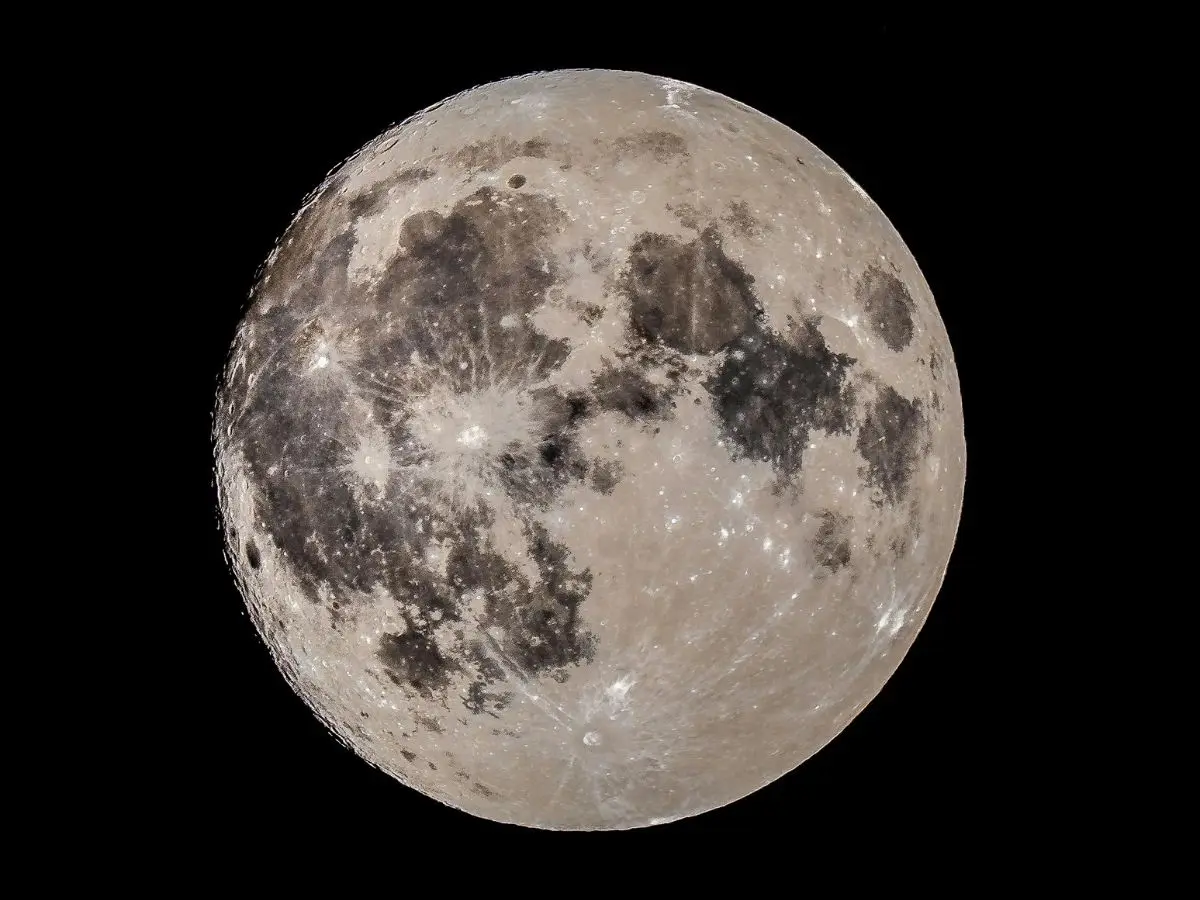
On January 3, 2026, the first major celestial event of the year will arrive with a supermoon. This full moon, also known as a Wolf moon, will appear up to 14 per cent larger and 30 per cent brighter than usual at it’s closest point to Earth. This spectacular sight will illuminate early evening skies across the globe, from city rooftops to quiet countryside parks. Supermoons occur when the Moon’s orbit brings it closest to Earth, enhancing its apparent size and brightness.
2. Jupiter at opposition and planetary highlights
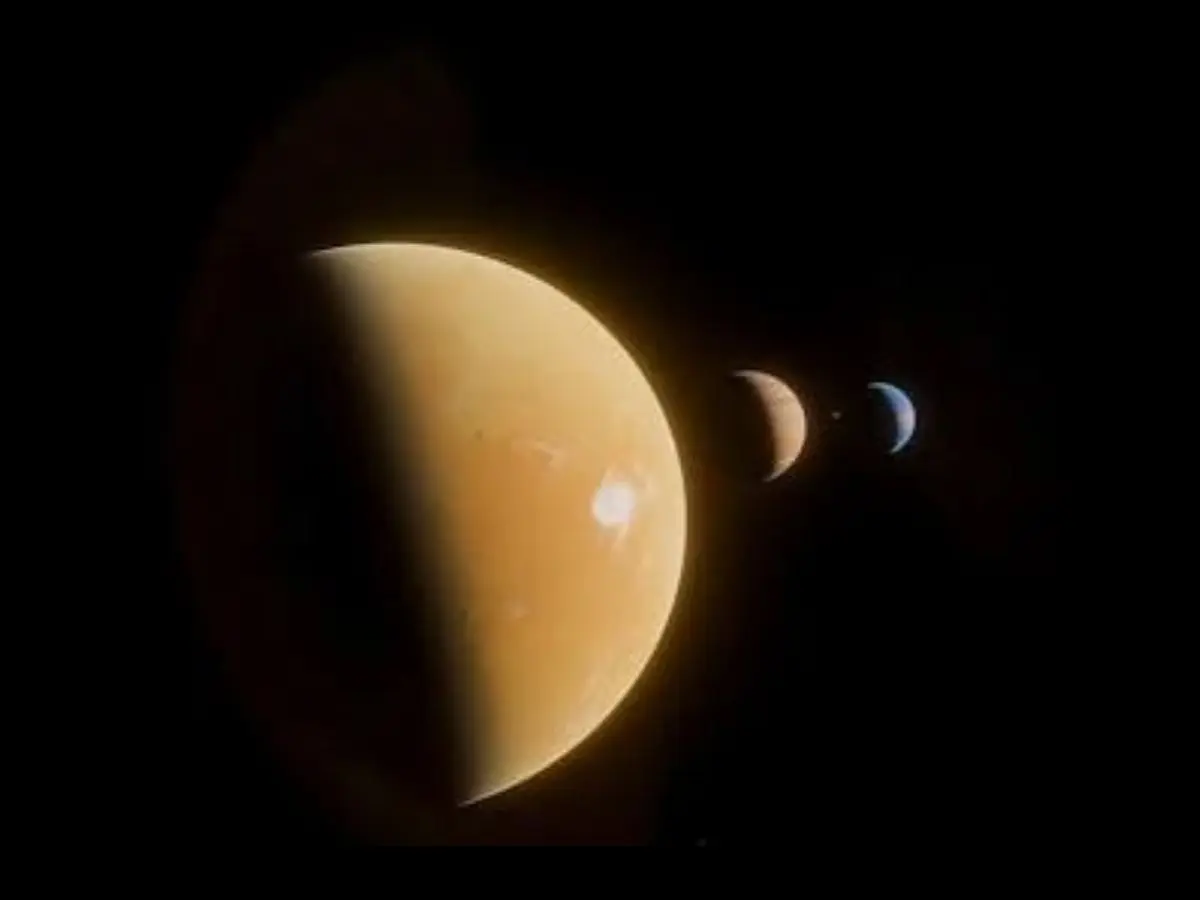
Just a week later on January 10, 2026, Jupiter will reach opposition, meaning Earth will sit directly between the gas giant and the Sun. Jupiter will appear at its largest and brightest for the year at this alignment and visible all night, outshining most stars.
3. Annular and total solar eclipses
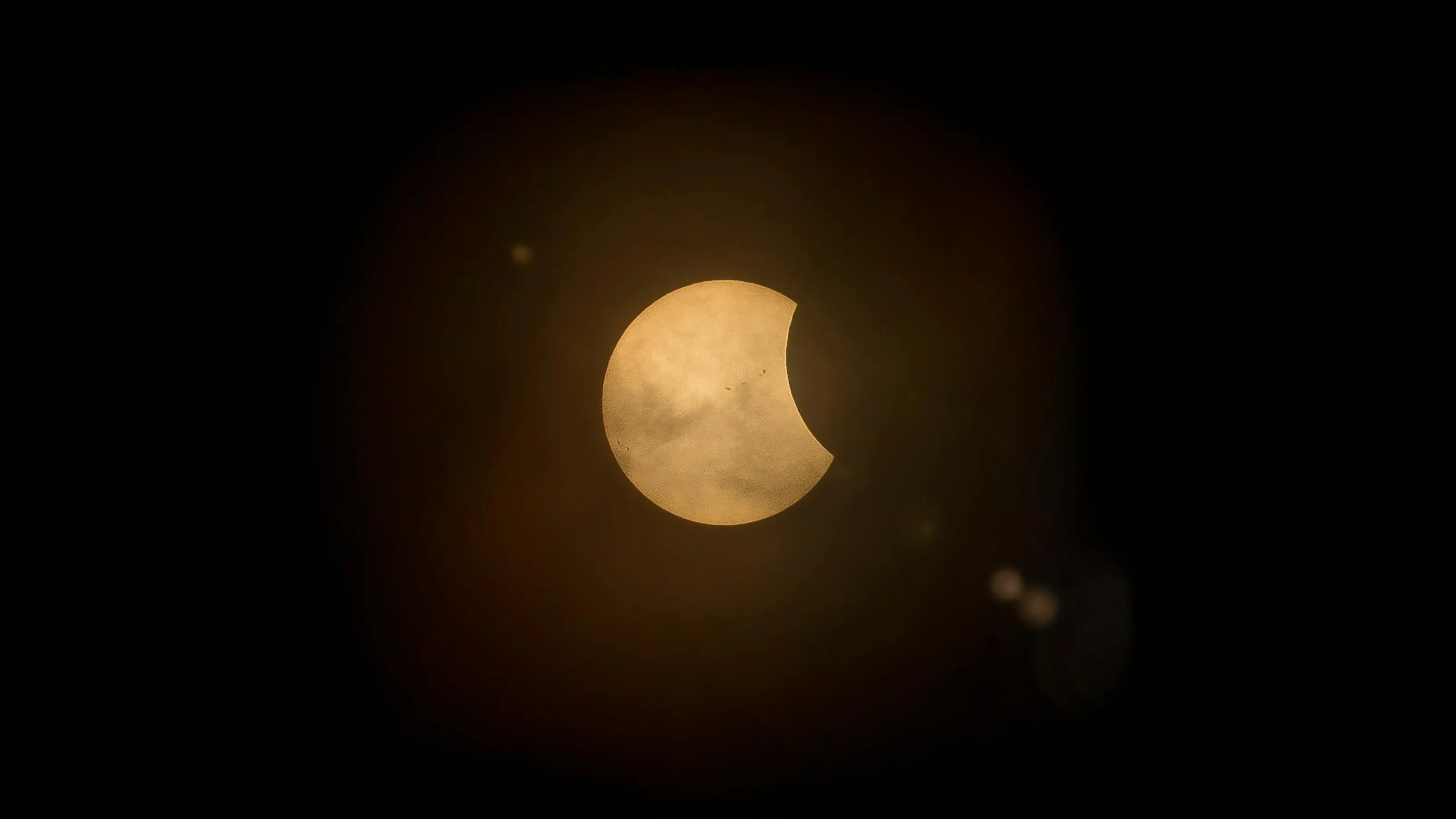
The Sun takes centre stage with two dramatic eclipses. On February 17, 2026, an annular solar eclipse produces a striking ‘ring of fire’ effect which will be primarily visible over Antarctica and other parts of the Southern Ocean. This incident occurs when the Moon covers the Sun’s centre but leaves a bright ring visible. This event will be fully observable from Antarctica, with partial views across parts of southern Africa and South America.
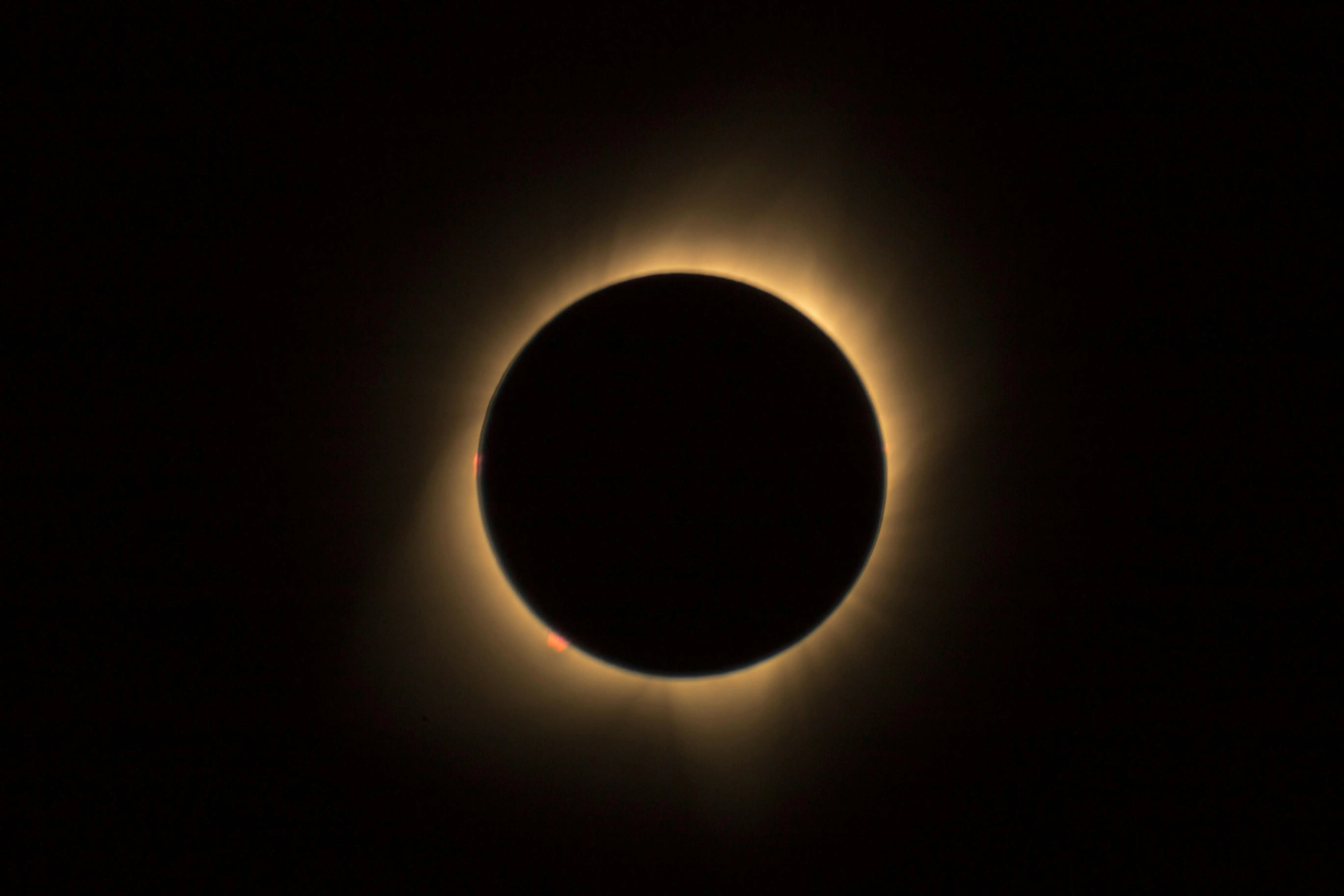
Total solar eclipse
The year’s headline event will come on August 12, 2026, when a total solar eclipse will sweep across the Arctic, Greenland, Iceland and northern Spain. It will be a significant event, especially for Europe, marking the first total solar eclipse on mainland Europe since 1999.
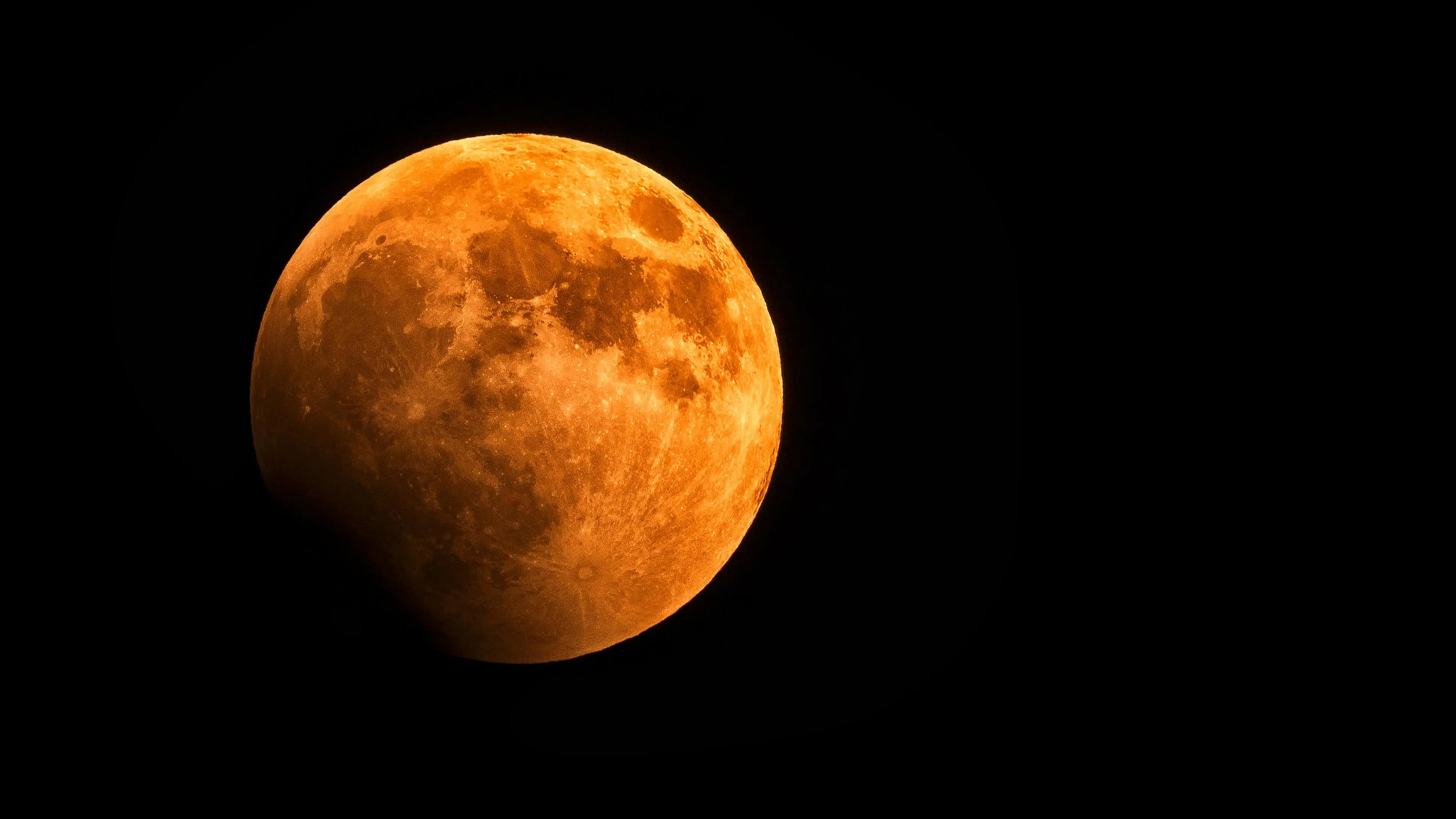
4. total lunar eclipse and ‘blood moon’
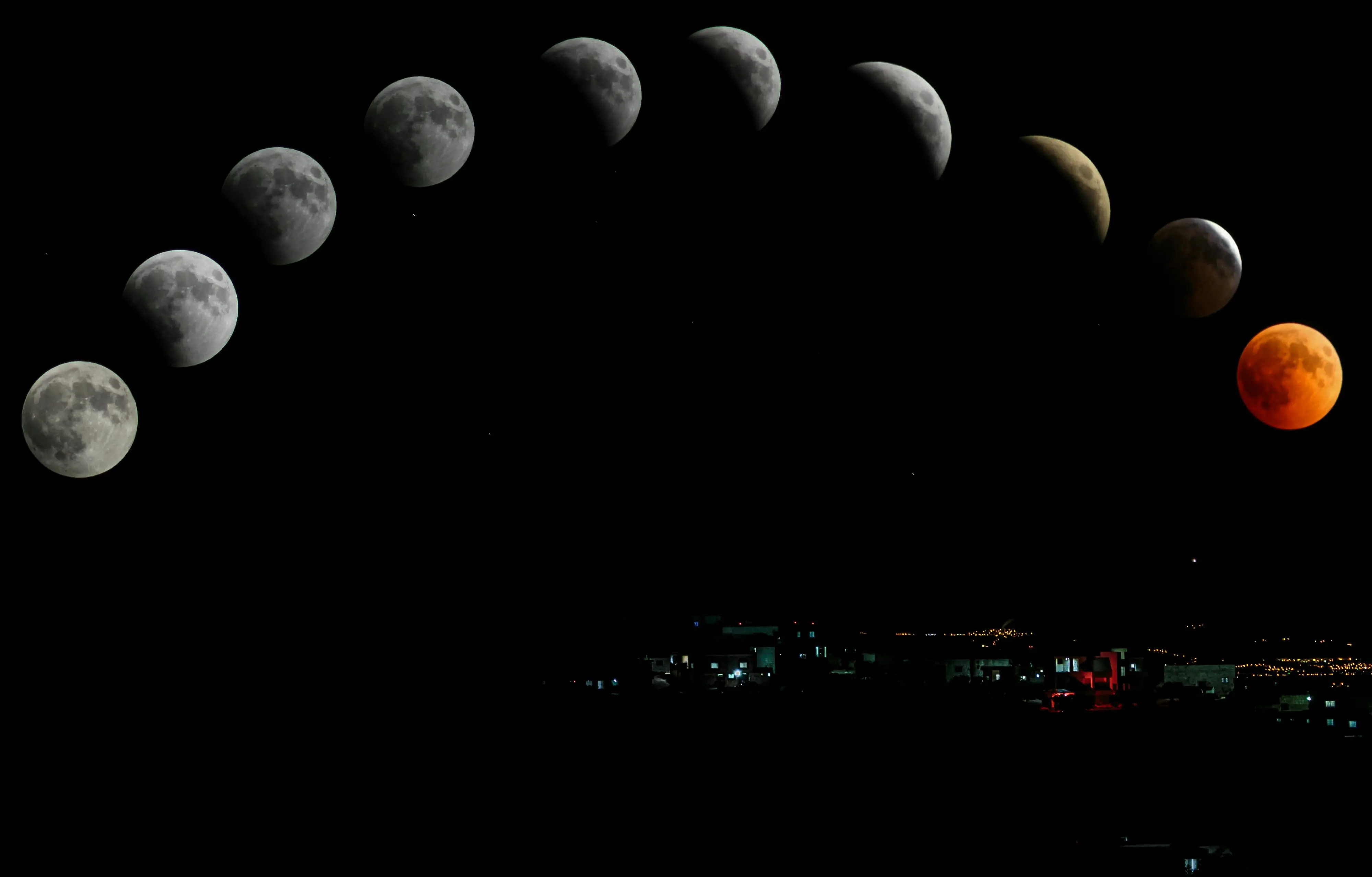
Between these solar eclipses, on March 3, 2026, the total lunar eclipse will be visible from parts of North America, East Asia, Australia and the Pacific. During the totality, the Moon will move fully into Earth’s shadow and takes on a reddish hue, often called a blood moon.

5. finale supermoon and meteor activity
The year will wind down with additional cosmic highlights. A second winter supermoon will likely occur on December 24, 2026, offering the closest full moon since 2019. Meanwhile, annual meteor showers such as the Perseids in August and Geminids in December will light up dark skies, creating ideal viewing conditions for stargazers worldwide.
)
)
)
)
)