Eating right, living long: 10 countries with the world’s healthiest food cultures

From the Mediterranean to Japan and India, these ten countries offer some of the world’s healthiest food cultures, promoting longevity and disease prevention with traditional, nutrient-rich diets.
Healthy Food
Healthy food cultures are those that combine nutrition, balance, and tradition. These cultures often include fresh fruits, vegetables, whole grains, and moderate amounts of protein. They help lower risks of diseases like diabetes, heart conditions, and obesity. Many studies have ranked healthy food cultures worldwide, including research by Harvard and the World Health Organization.
Mediterranean Countries
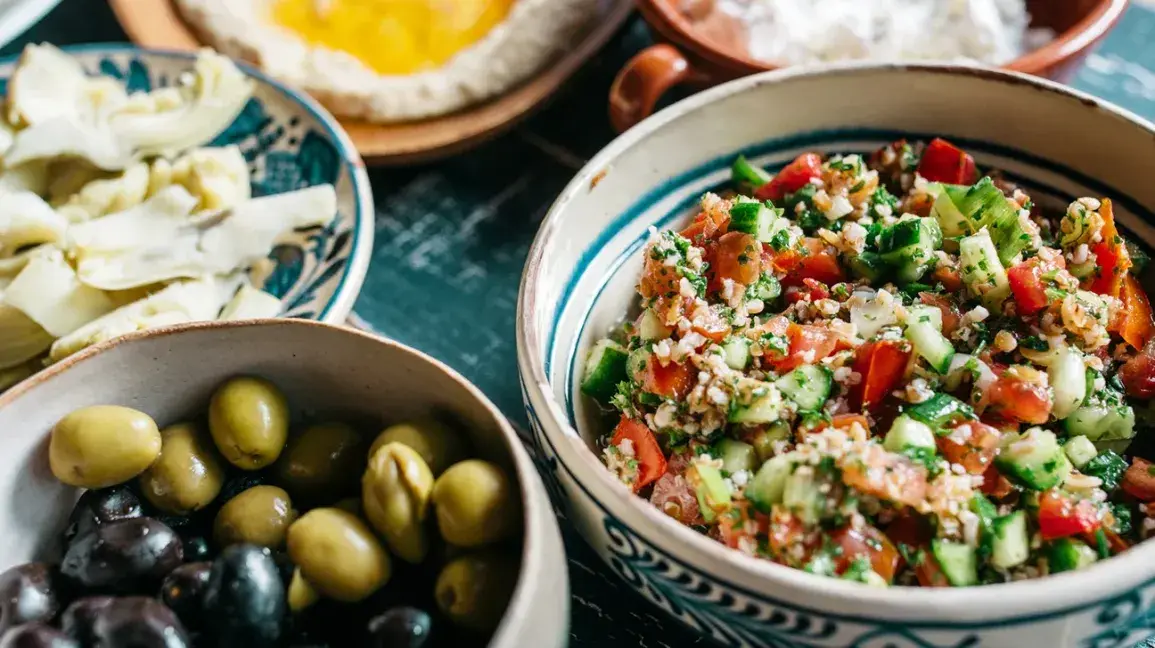
Countries like Greece, Italy, Spain, and Cyprus follow the Mediterranean diet , rich in olive oil, fresh vegetables, legumes, fish, and whole grains. This diet reduces heart disease risk by up to 30 per cent and supports longer life expectancy. Its focus on home-cooked, minimally processed meals keeps nutrition high.

Japan - Precision and Tradition
Japanese food culture emphasizes portion control and seasonal ingredients. The Okinawan diet, popular in southern Japan, is linked with one of the world’s highest numbers of centenarians. It includes fermented foods like miso , seaweed, and fish, delivering antioxidants and anti-inflammatory benefits.

Nordic Countries - Balanced and Simple
Sweden, Denmark, Finland, and Norway promote diets with fish, root vegetables, and whole grains. Their traditional foods emphasize pickling and fermentation, boosting gut health. The Nordic diet has been linked to reduced diabetes and improved heart health.
India - Spices and Diversity
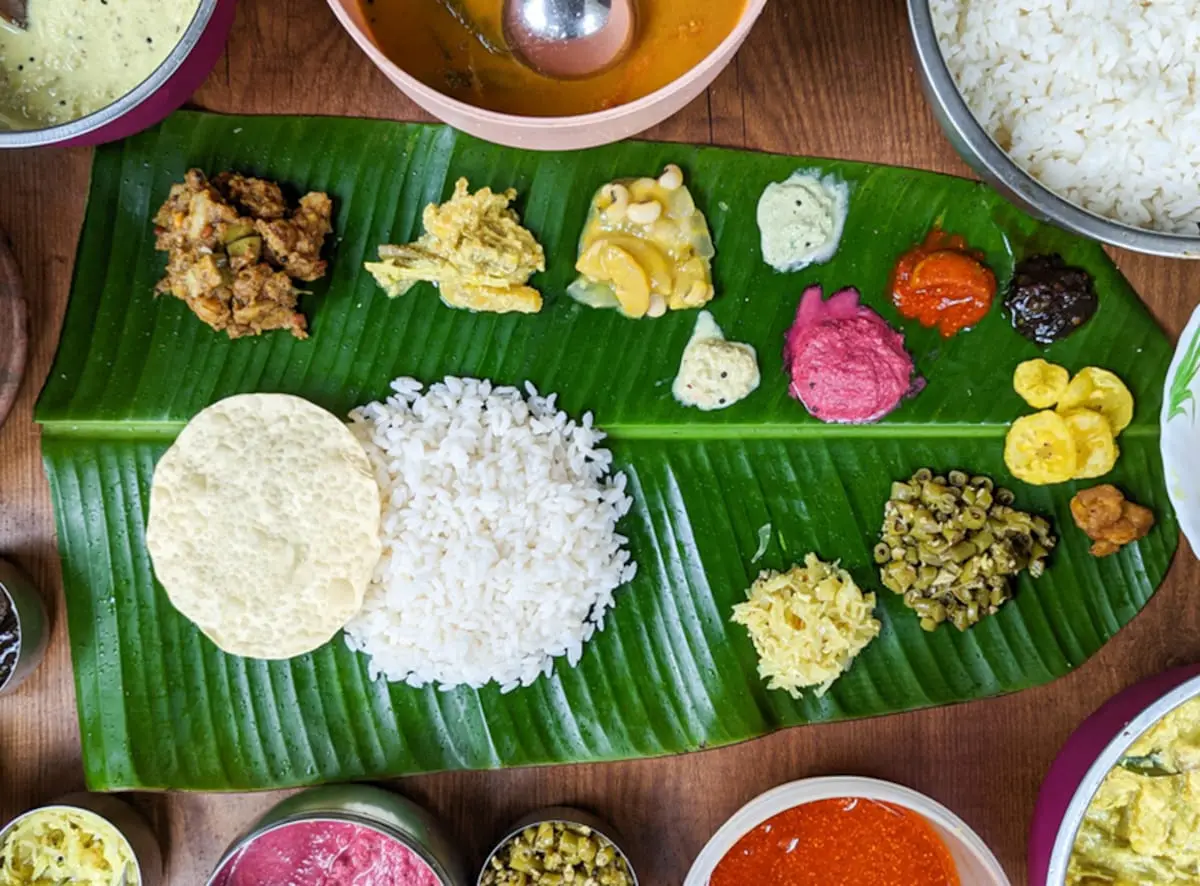
Indian cuisine’s healthy reputation comes from its use of spices like turmeric and cinnamon, known for anti-inflammatory properties. Balanced meals often include lentils, rice, vegetables, and moderate dairy. Traditional cooking methods like steaming and slow simmering preserve nutrients.
Mexico - Ancient Superfoods
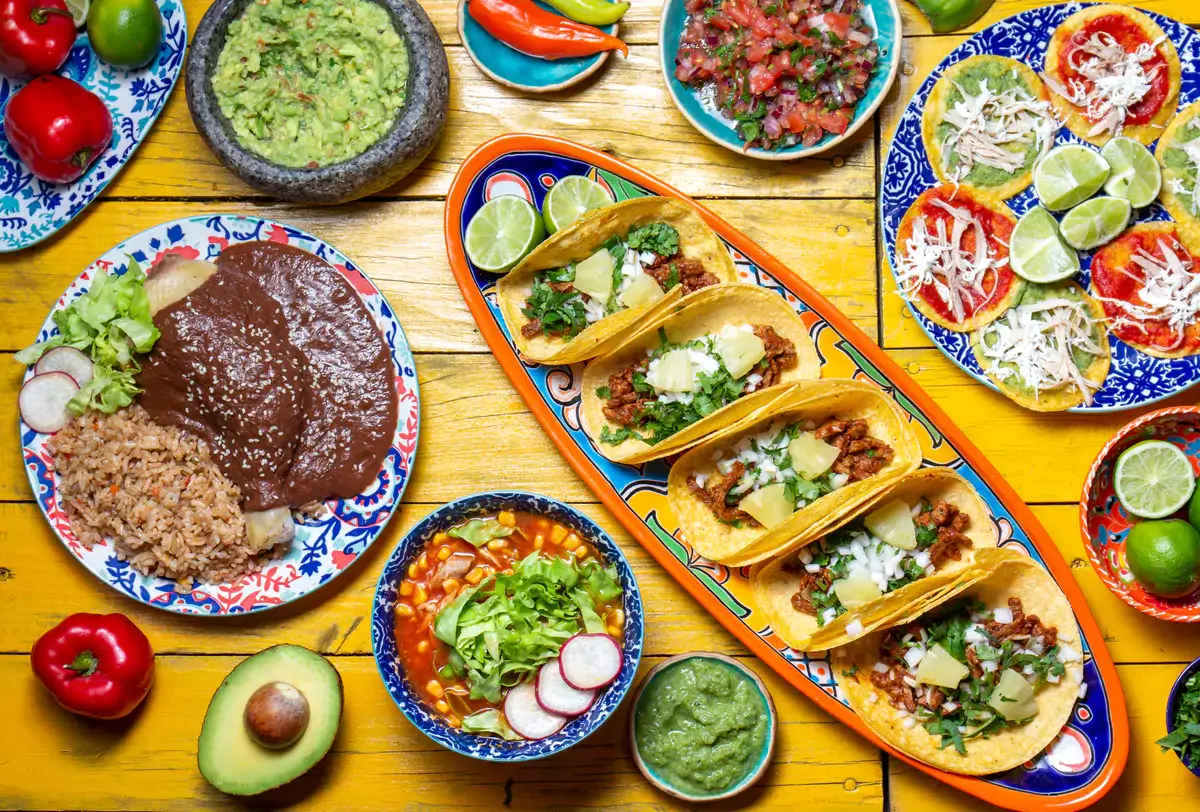
Mexican diets include corn, beans, avocados, and chilies, all rich in vitamins and fibre. Traditional foods like amaranth and chia seeds provide antioxidants and omega-3 fatty acids. Mexican cuisine supports metabolic health when focused on whole foods rather than processed meals.
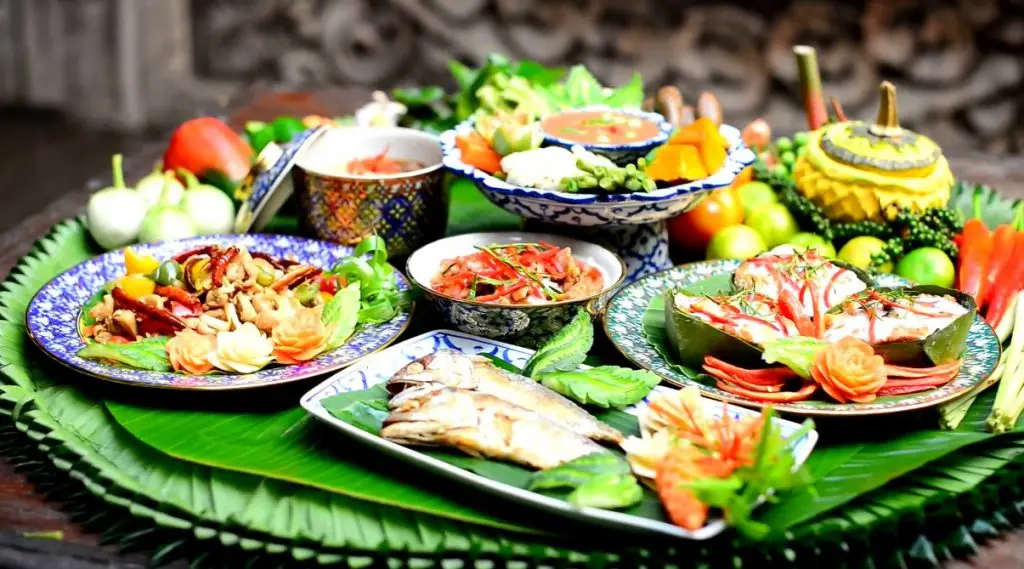
Thailand
Thai food uses fresh herbs, garlic, and ginger with vegetables and seafood. Many dishes are low in fat and use herbs known for medicinal qualities. The balance of sweet, sour, salty, and spicy flavours is not only delicious but supports digestive health.
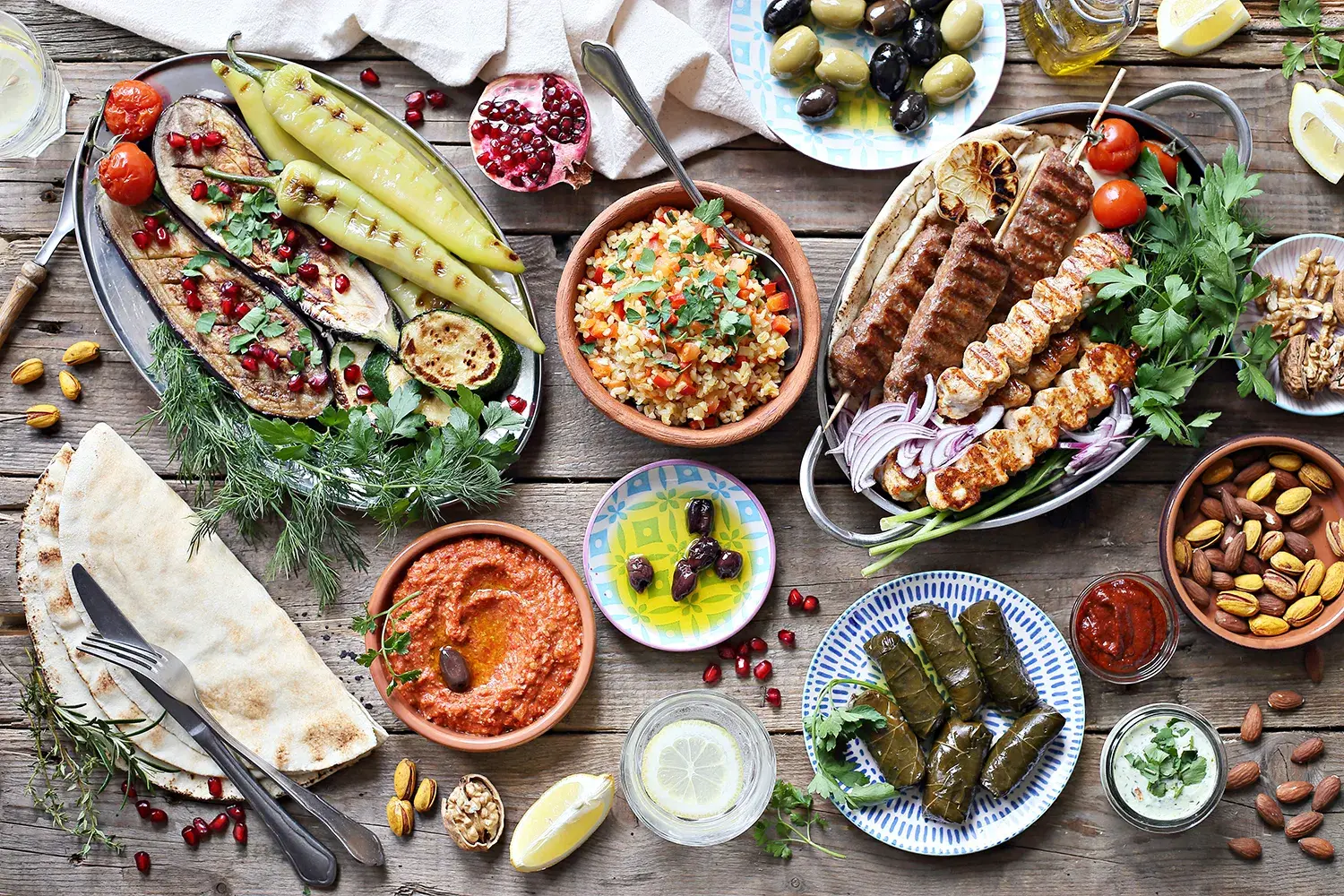
Lebanon
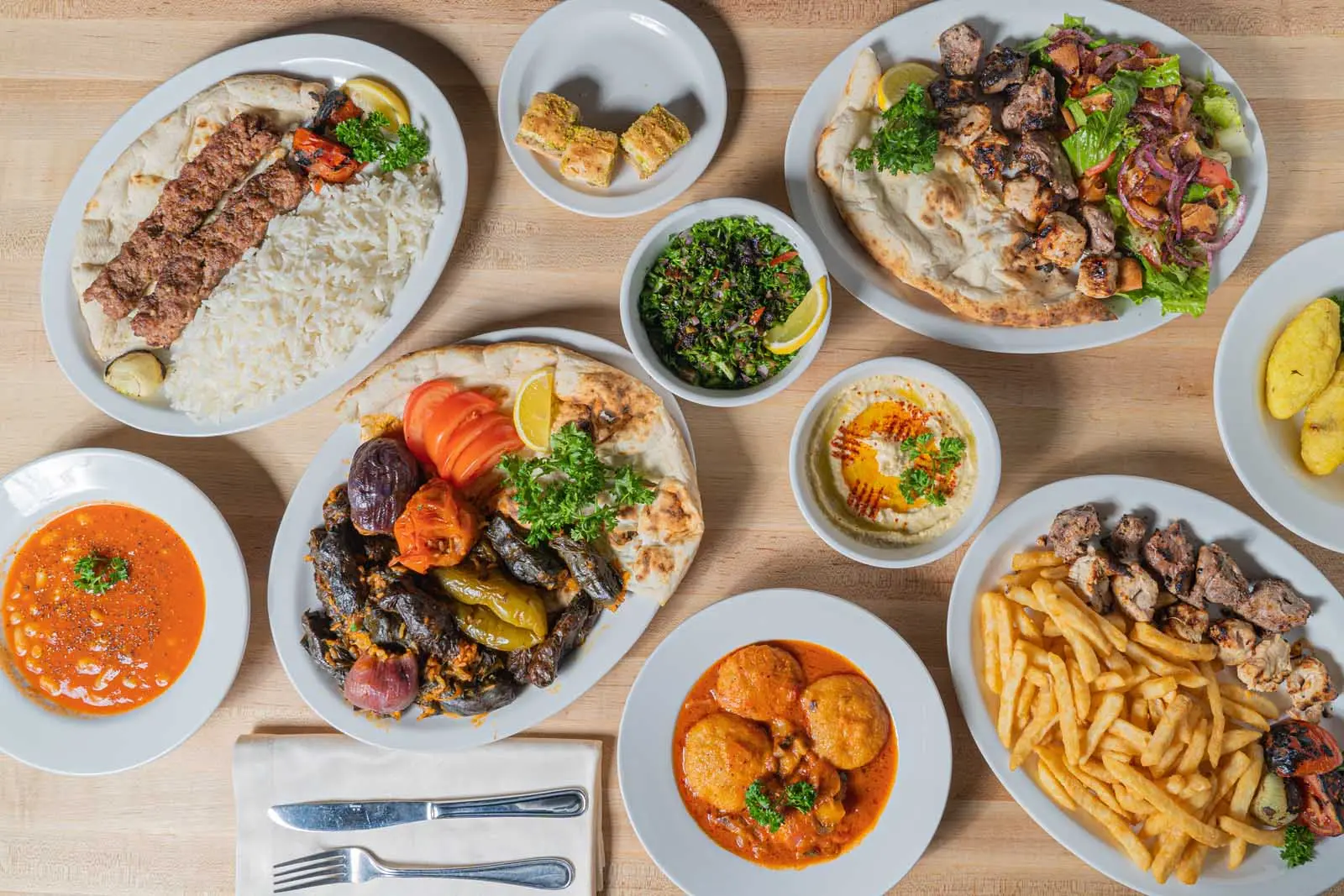
Lebanese food, similar to Mediterranean diets, includes fresh veggies, olive oil, and grains. Dishes like hummus supply protein and fibre. The diet’s emphasis on plant-based foods supports heart health and weight management.

France
French cuisine values quality ingredients and varied meals. Moderate portion sizes, high fruit and vegetable consumption, and focus on cheese and lean meats contribute to France’s high life expectancy and low obesity rates despite high fat intake.

Iceland - Fresh Seafood and Sustainability
Icelanders benefit from diets rich in fresh seafood and low in processed foods. Traditional dishes include lamb, fish, and seaweed. Their sustainable food systems and cold-water fish consumption lead to lower chronic disease rates.
)
)
)
)
)