Earthquake strikes Japan: 4 regions in the world at risk of mammoth temblors in the future

Scientists studying the various subduction zones and tectonic plates have flagged certain regions as high risk for major earthquakes that they say have been building pressure for years. These are some of the regions that have been flagged as high-risk for a major temblor.
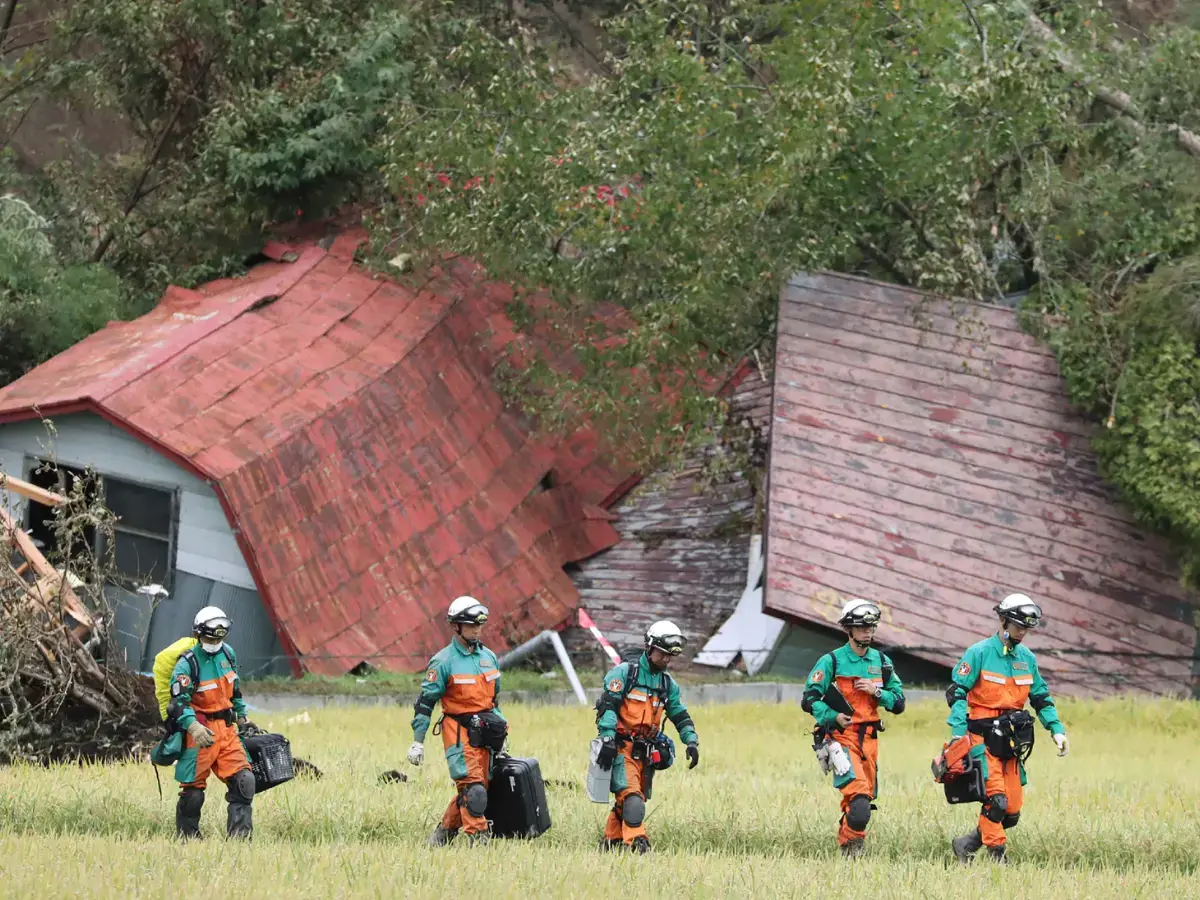
Japan struck by 7.4 magnitude earthquake
Science is yet to establish a foolproof earthquake warning system in place. While Japan has been able to create a megaquake warning technology which can pick up signs of a magnitude 8 or higher earthquake after a 7 magnitude quake, predicting the initial temblor remains tricky. However, scientists regularly study the major fault lines across the world to identify the high-risk areas that can witness a big earthquake. Here are some seismic events that scientists say can strike, based on the pressure built in the region.
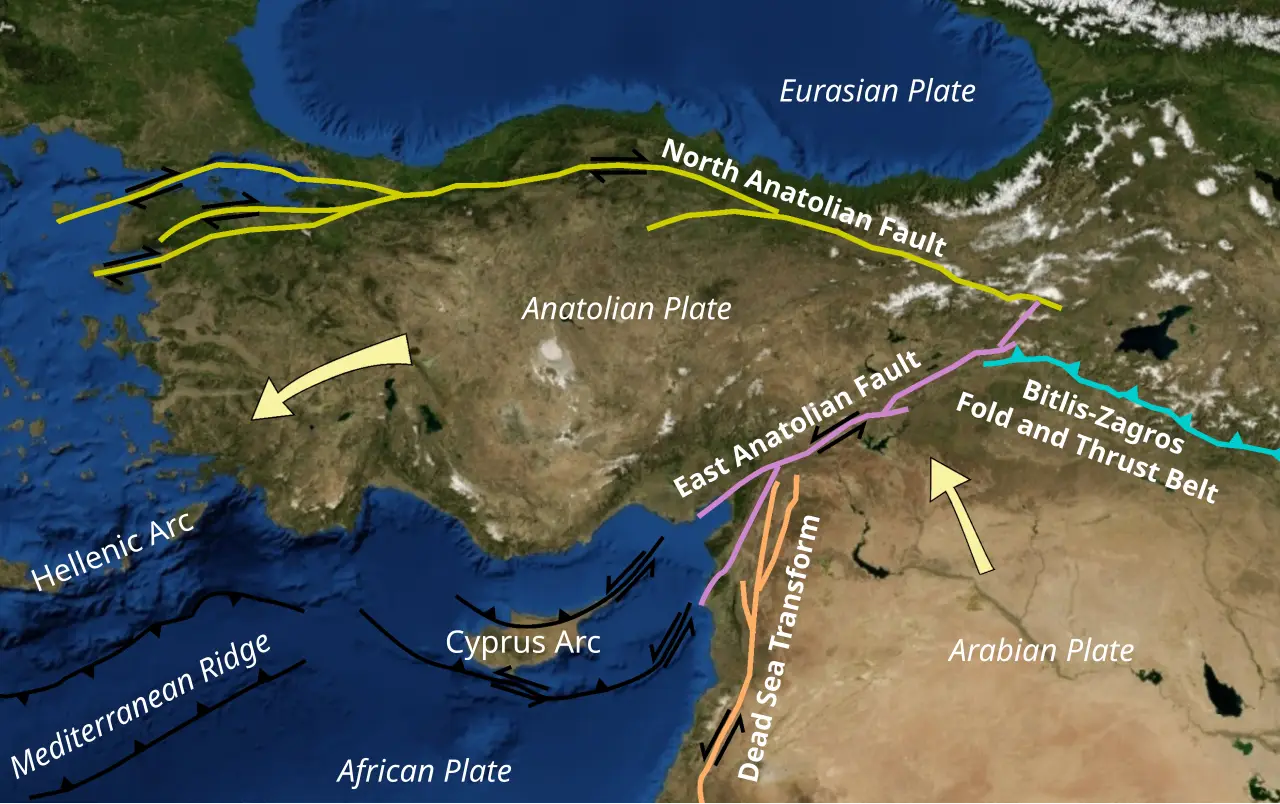
North Anatolian Fault could trigger massive earthquake in Turkey
The North Anatolian Fault (NAF) beneath the Marmara Sea near Istanbul, Turkey, has been flagged as a major risk for the next big earthquake. The region hasn't witnessed a major quake in more than 250 years, as scientists say stress is building right underneath it. Researchers from the Institute of Science Tokyo used electromagnetic "x-rays" to map the "invisible" structure of this fault, with 3D models revealing tectonic plates physically jammed together, causing stress to build up. The study published in the journal Geology stated that this section of the Marmara Sea will witness the next major earthquake.
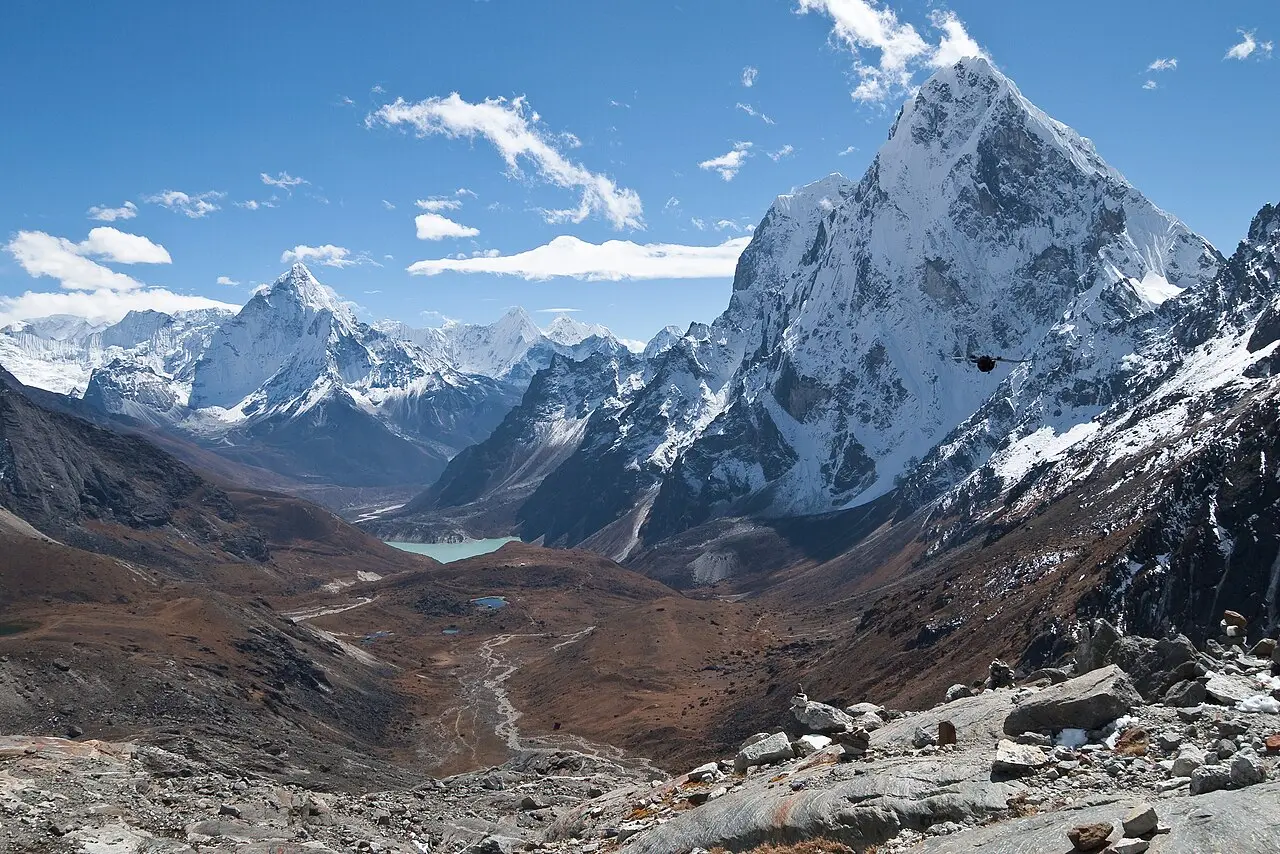
Two 8.8 moment magnitude could strike Himalayas
In 2025, the entire Himalayan region was placed in the newly introduced highest-risk Zone VI. A study in October warned that two high-intensity earthquakes could strike the Himalayas in the future. KM Sreejith and his team noted in the study titled "Geodetic Insights to the Himalayan Megathrust Kinematics Unravel Increased Earthquake Hazard" that a stretch of approximately 800 km along the Himalayas could witness two 8.8 moment magnitude (Mw) earthquakes.
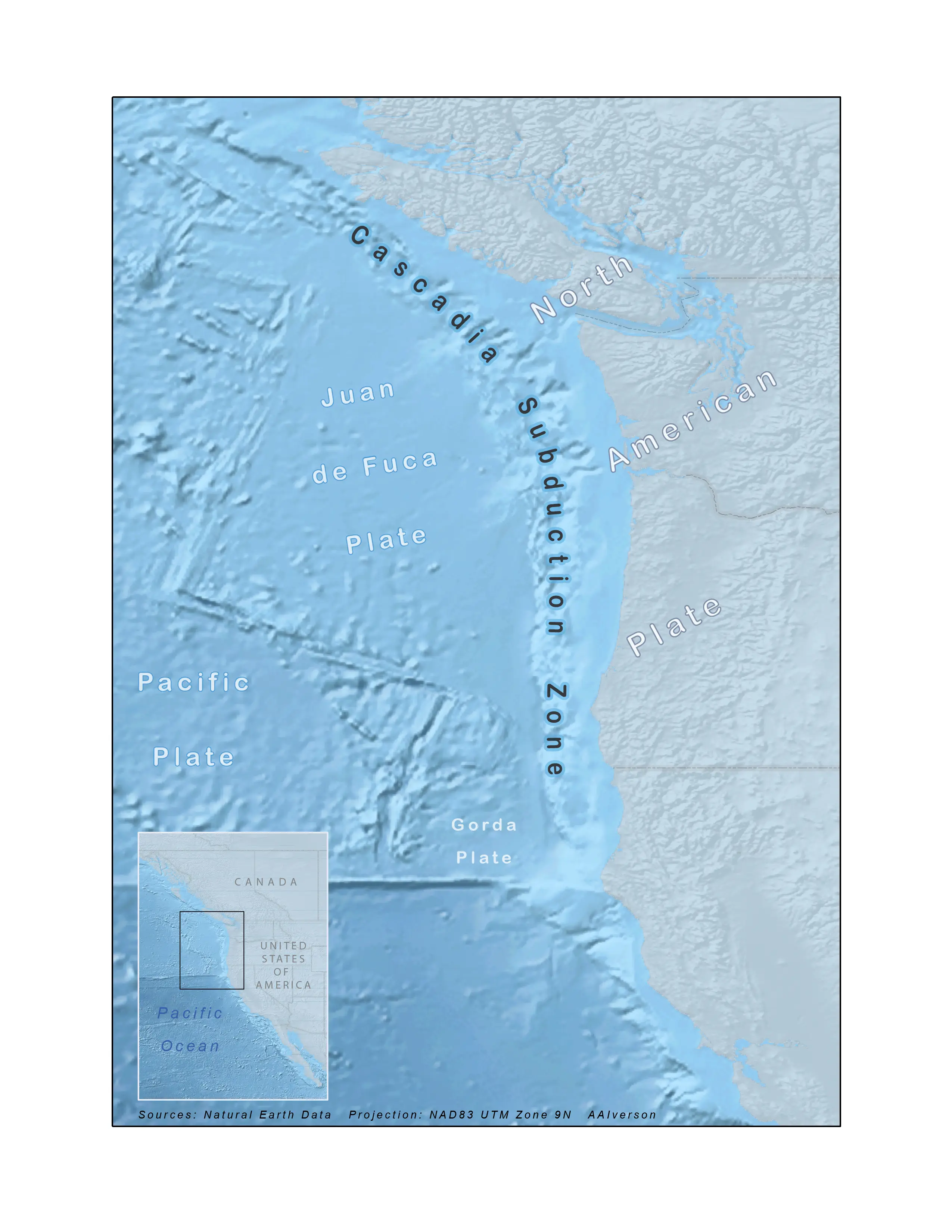
Cascadia Subduction Zone has been building stress for over 300 years
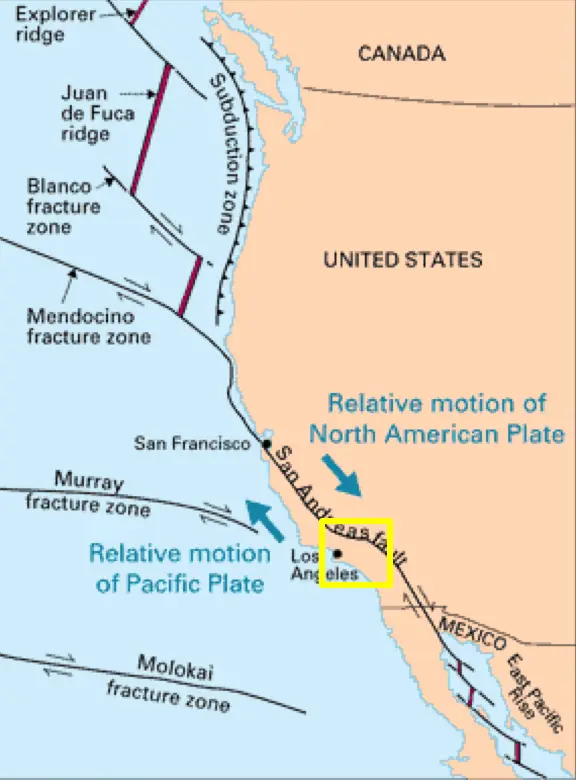
The Cascadia Subduction Zone (CSZ) has been flagged as being highly vulnerable to a major earthquake in the future. It is a 1,126-kilometre-long fault line that stretches from Northern California to southern British Columbia in Canada. Scientists say the region has not witnessed a big temblor for over 300 years. The last big one occurred here on January 26, 1700, and reportedly measured magnitude 9. Experts say that if this earthquake occurs, 5,800 people could die and nearly 618,000 buildings will be damaged. The resulting tsunami would kill another 8,000 people.
The Big One in California
A Big One has long been predicted for California. The Southern San Andreas is considered "locked and loaded” as a magnitude 7.8 or more earthquake is likely to strike the San Andreas Fault. Experts say pressure has been building up in the zone, which means a massive temblor is verdue and can cause over $200 billion in damage.
)
)
)
)
)