Earth's tail has been helping Moon steal from our planet for billions of years

Moon has been pulling away material from Earth for billions of years, according to a new study. Scientists say that it did not happen before the magnetic field was formed, but instead, this process is facilitated by our planet's magnetic tail.
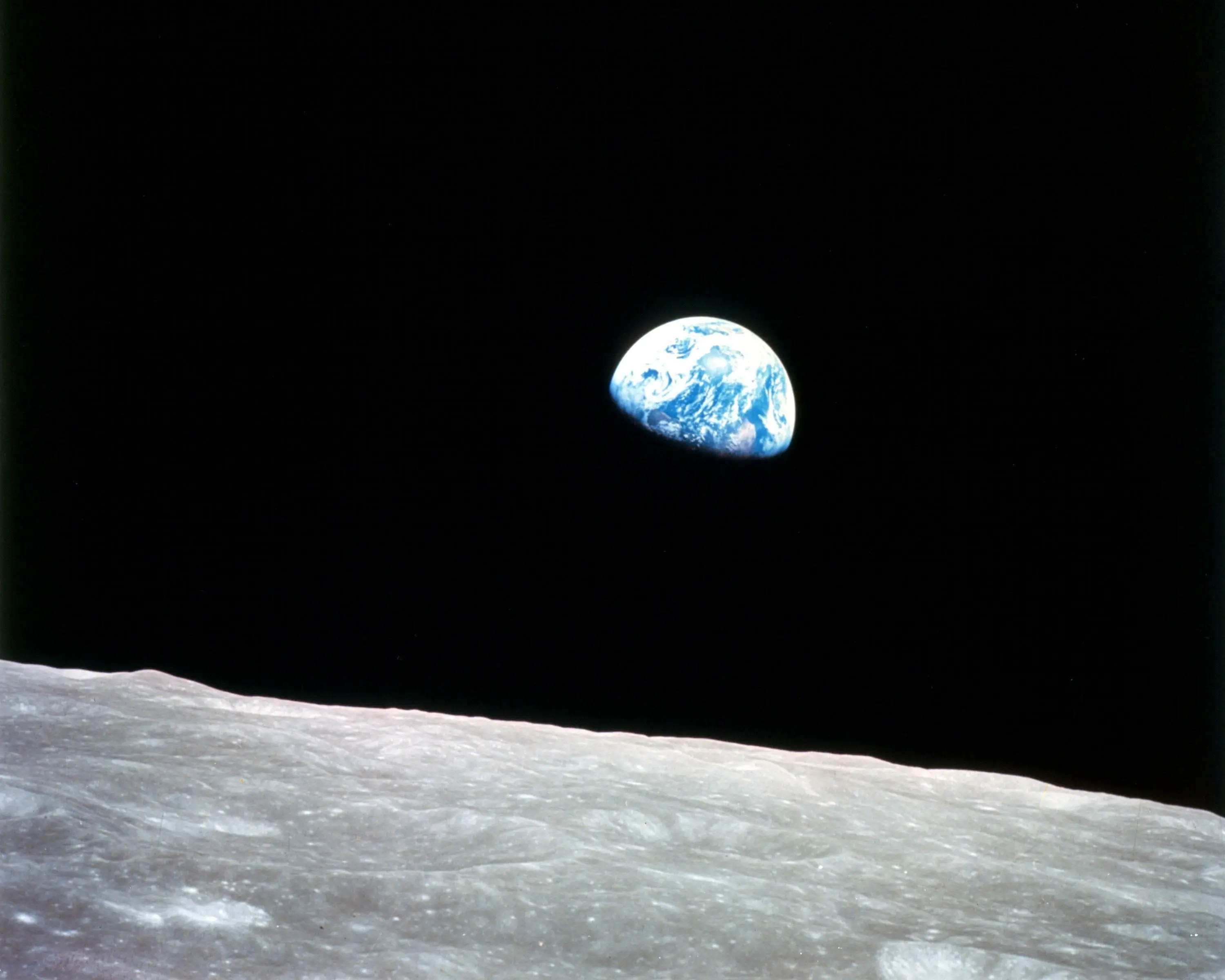
Material from Earth has flown to the Moon
The moon has been stealing tiny fragments from Earth for billions of years, and it is largely because of supercharged solar winds and our own planet's magnetic field. Following the Apollo missions, lunar samples were returned to Earth and charged particles, known as ions, were found in the regolith. Initially, it was thought that this transfer happened before Earth developed its magnetic field. But a new analysis has offered another theory.
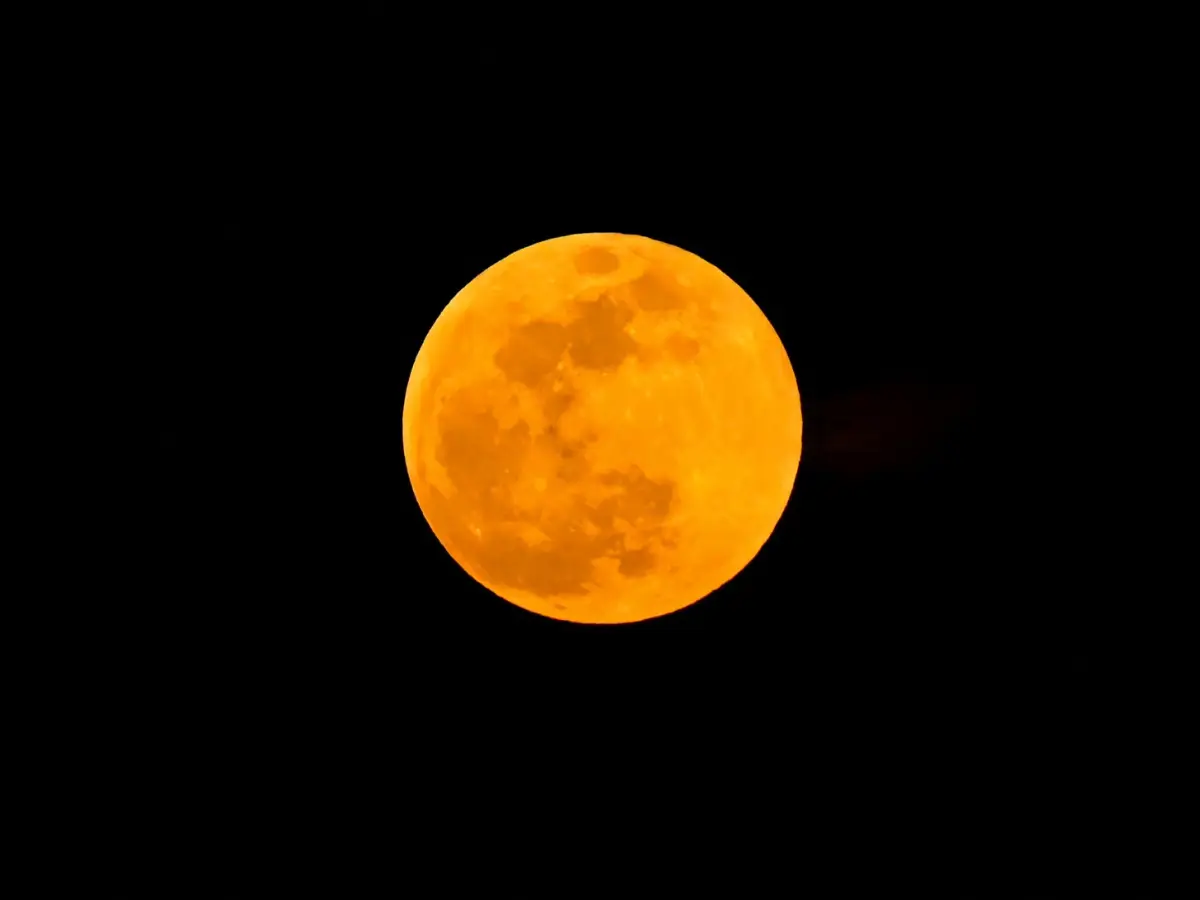
NASA found traces of elements found on Earth in Moon soil
When scientists studied lunar soil that was brought back in the 1970s, NASA found traces of volatiles, substances that vaporise at relatively low temperatures. This included water, carbon dioxide, helium, argon, and nitrogen. They were puzzled to find these elements on the Moon. Over the years, they suggested that some of these, such as nitrogen ions, originated from Earth's upper atmosphere and were blown onto the moon by solar wind.
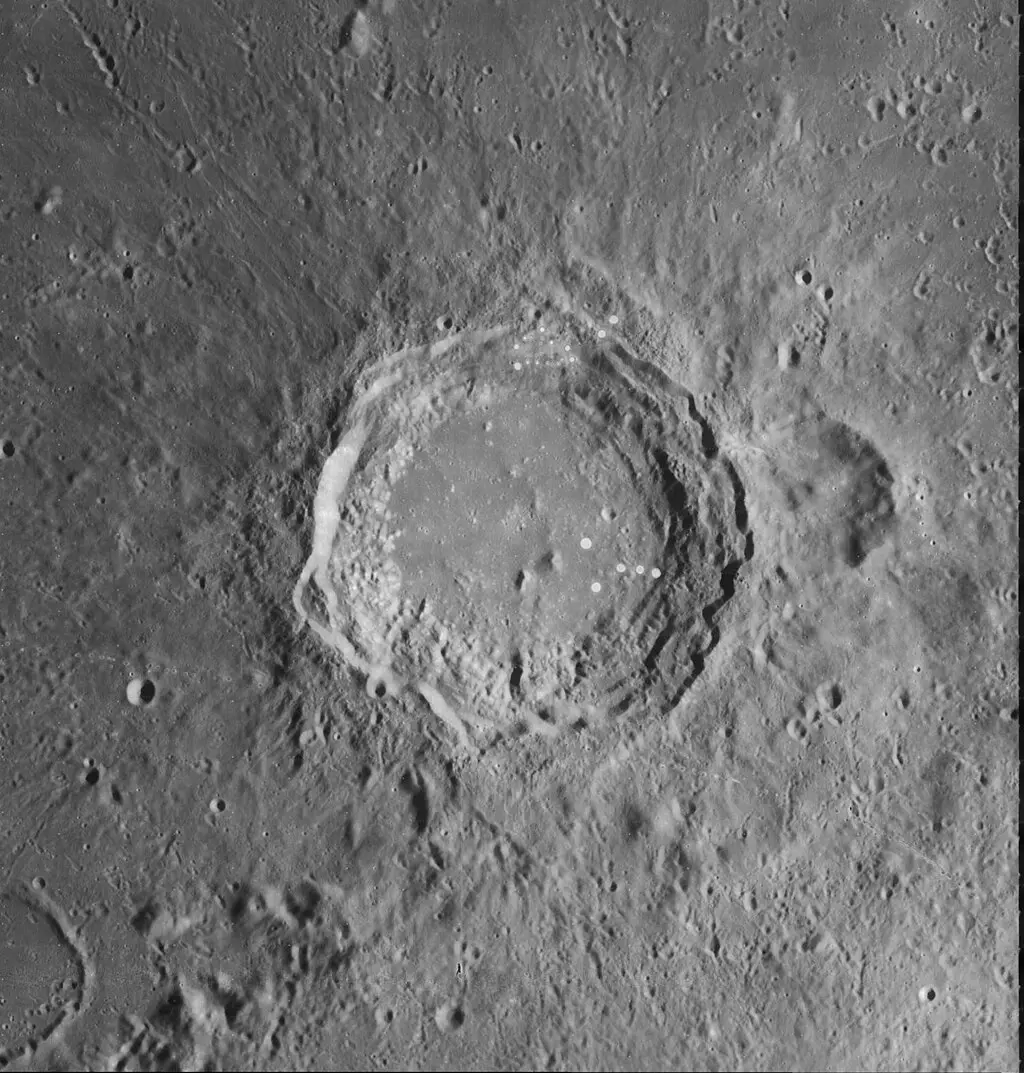
New study upends belief that transfer of material happened before Earth's magnetic field was formed
Since 2005, there has been a consensus that this material could have only flown to the Moon before Earth developed its magnetic field, since this shield would have trapped any atmospheric ions being blown away from our planet. But on the contrary, the magnetosphere facilitated the movement of this material from Earth.
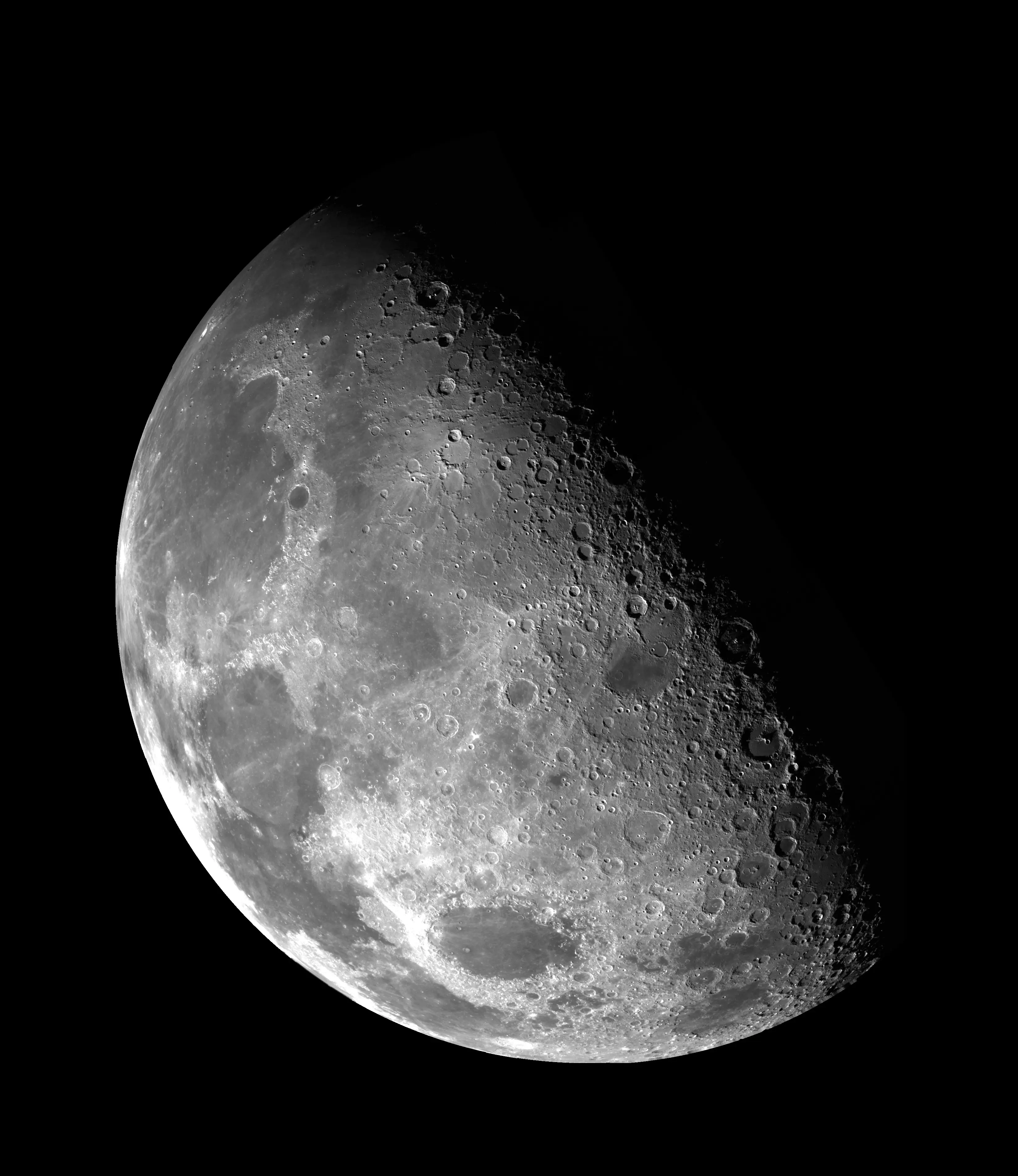
Earth's magnetosphere acted as a highway for these particles
A new study states that Earth's magnetic field acted as a highway for these ions, facilitating their transfer to the Moon. Researchers wrote in the study published on December 11 in the journal Communications Earth & Environment that data from the Apollo samples were combined with computer models to simulate the evolution of Earth's magnetosphere.
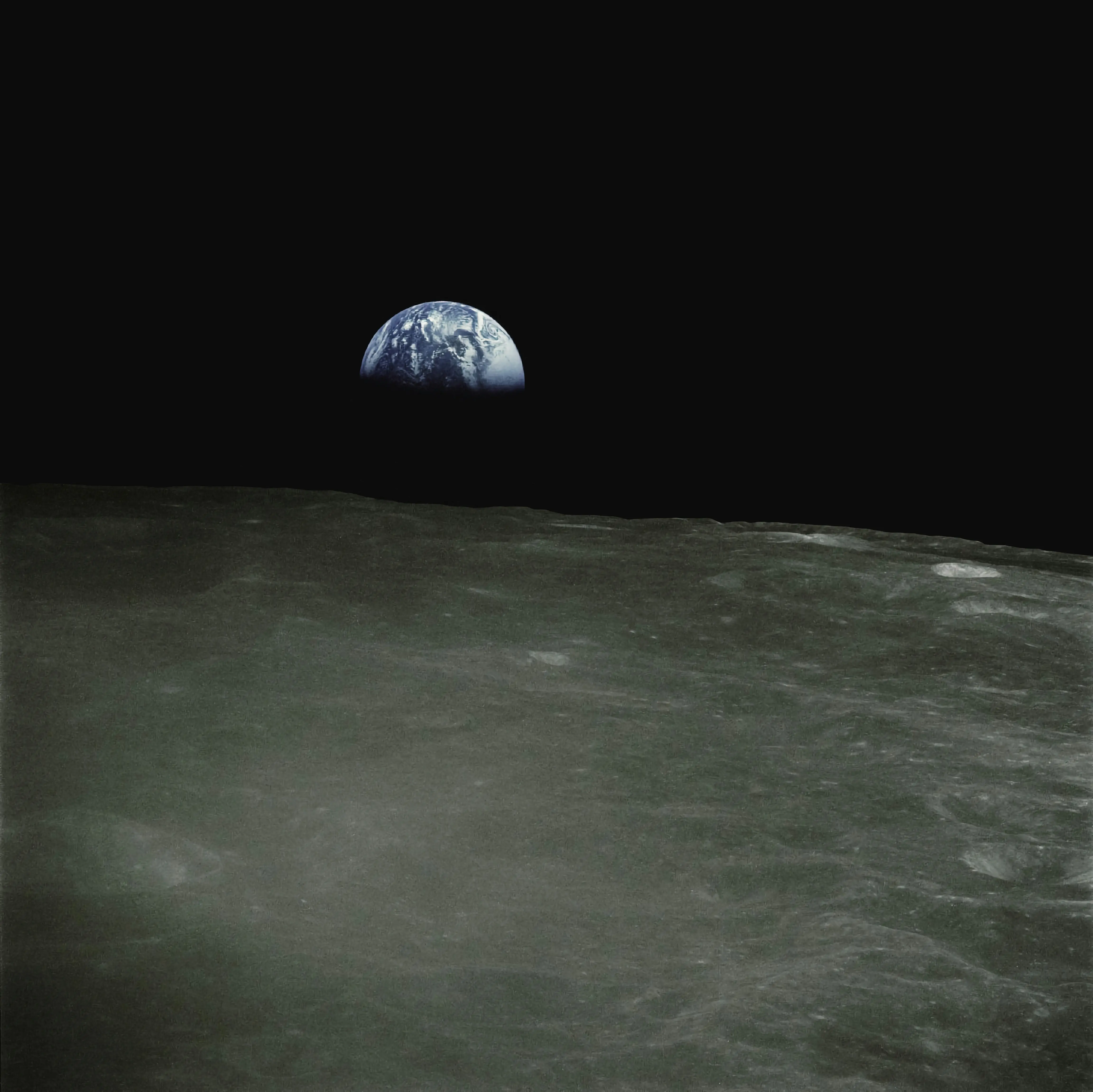
When Moon passed through Earth's magnetic tail
They found that every time the moon passed through our planet's magnetic tail, the transfer of atmospheric ions increased. This tail of Earth points away from the Sun and extends at least two million kilometres into space. Instead of blocking the ions from leaving Earth, the magnetic field lines acted as an invisible path for the particles.
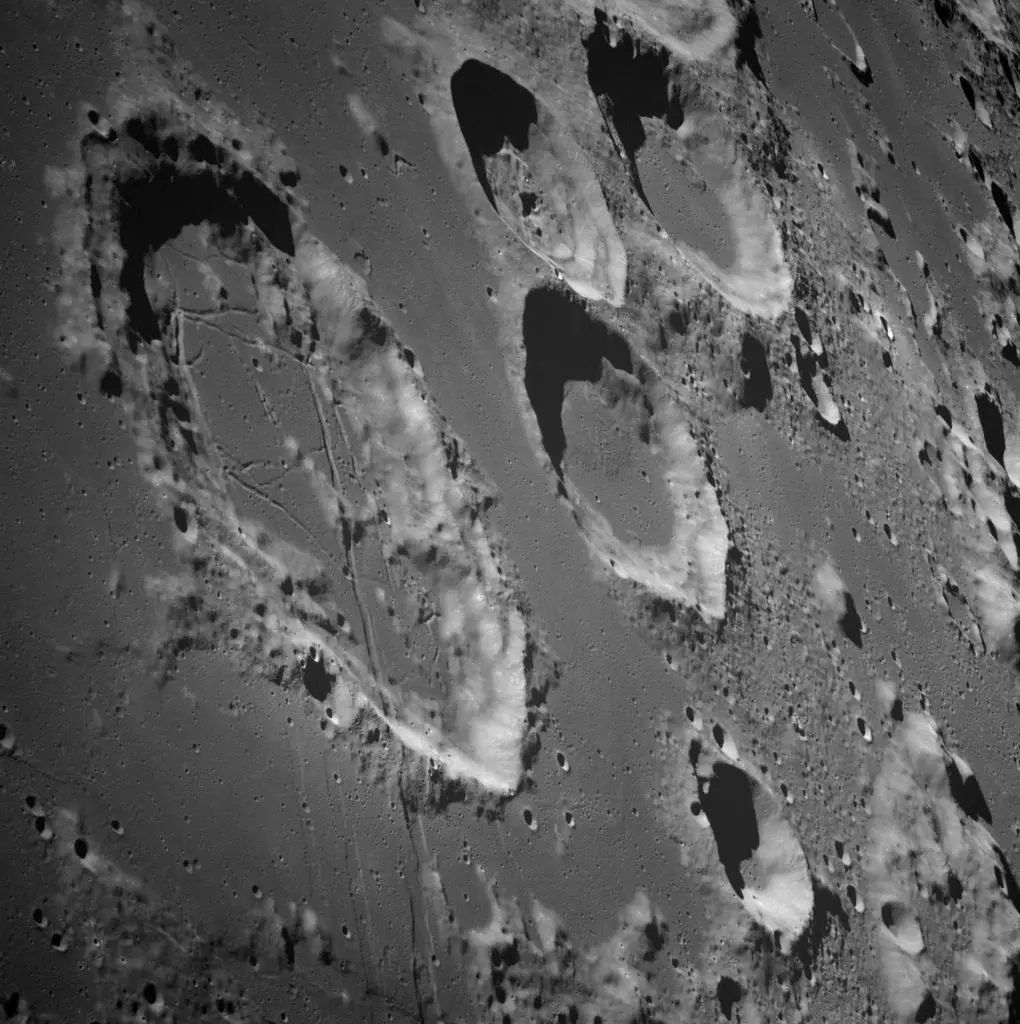
Transfer going on for billions of years
Earth's magnetic field started forming around 3.7 billion years ago. Which means that instead of before its creation, this movement of particles from the planet to the Moon started after it was formed. It can also be deduced that this process is still ongoing, and the Moon is still feeding on all this material from Earth.
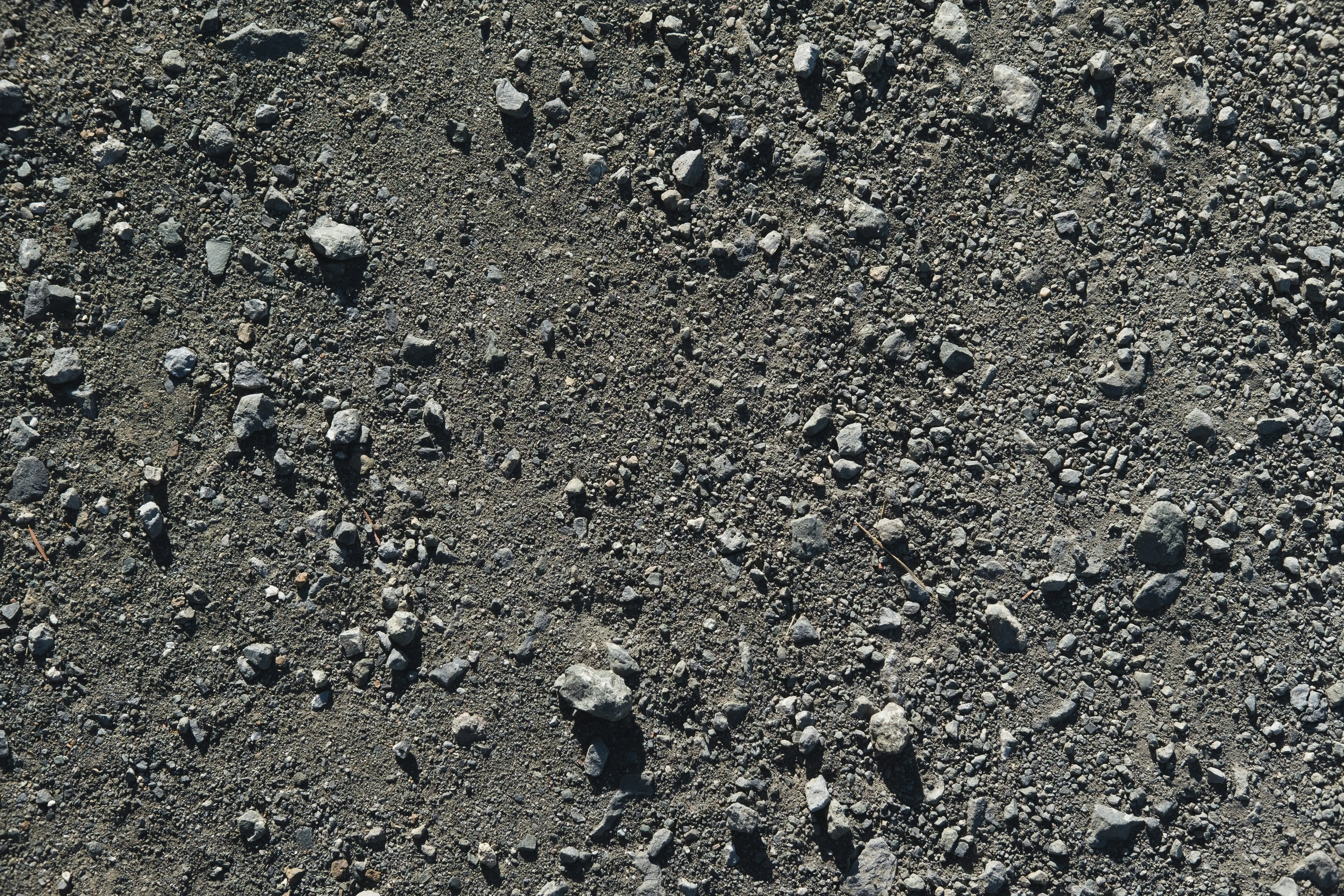
Moon soil has become a time capsule
The findings also mean that Moon's regolith not only has components from the atmosphere of ancient Earth, but is also capturing newer material. Scientists say that the Moon's soil is literally a time capsule, hiding all kinds of material from throughout the history of our planet.
)
)

)
)