Earth's pole might flip anytime! Here's how you can save yourself during calamity

Thomas’s calculations suggest that Earth is overdue for a pole flip by thousands of years. While mainstream science does not support rapid pole shifts, the theory warns of potential global-scale calamities if such an event occurs.
1. The Pole Flip Theory
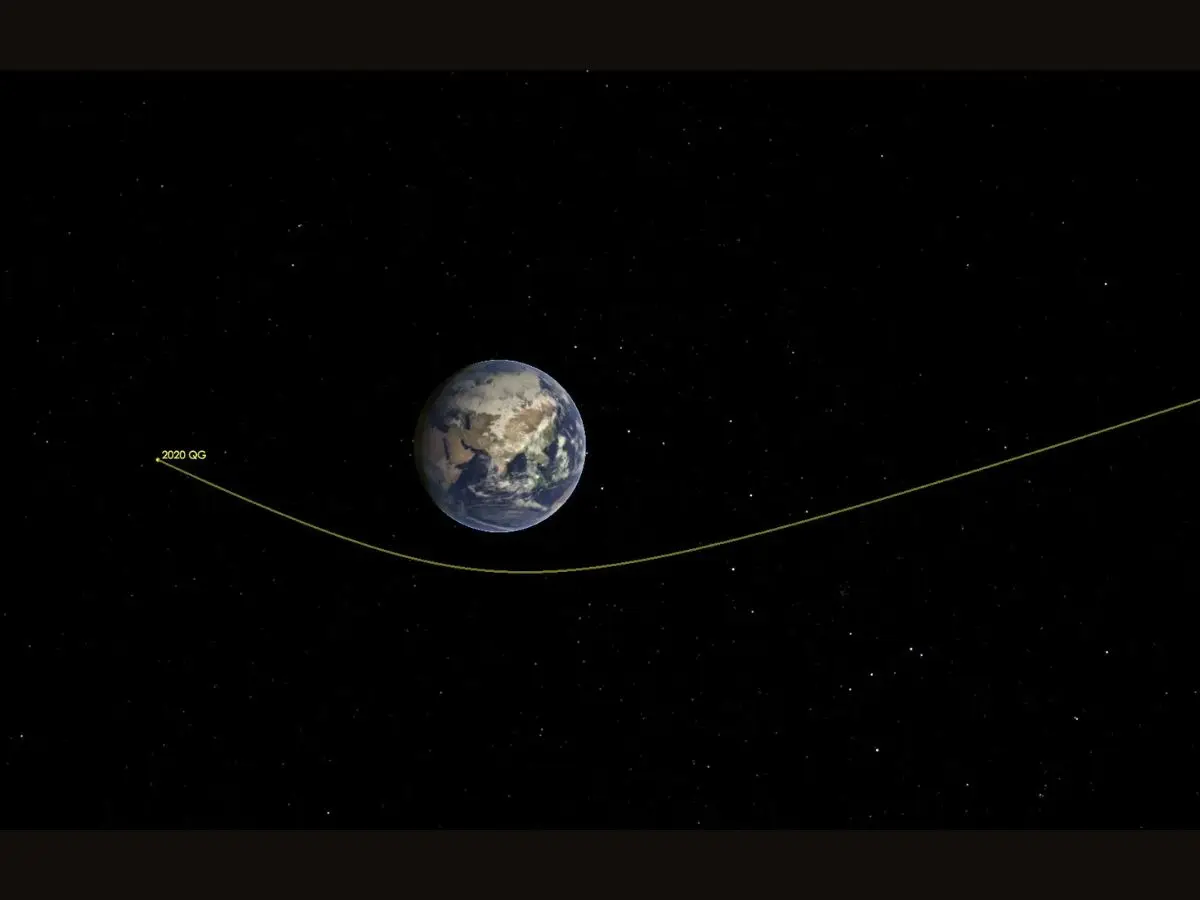
Dr. Chan Thomas, in his 1966 book The Adam and Eve Story, proposed that Earth’s poles have shifted rapidly in the past, leading to catastrophic changes. He suggested these shifts happen approximately every 6,500 years, causing extreme natural disasters.
2. Historical Catastrophes
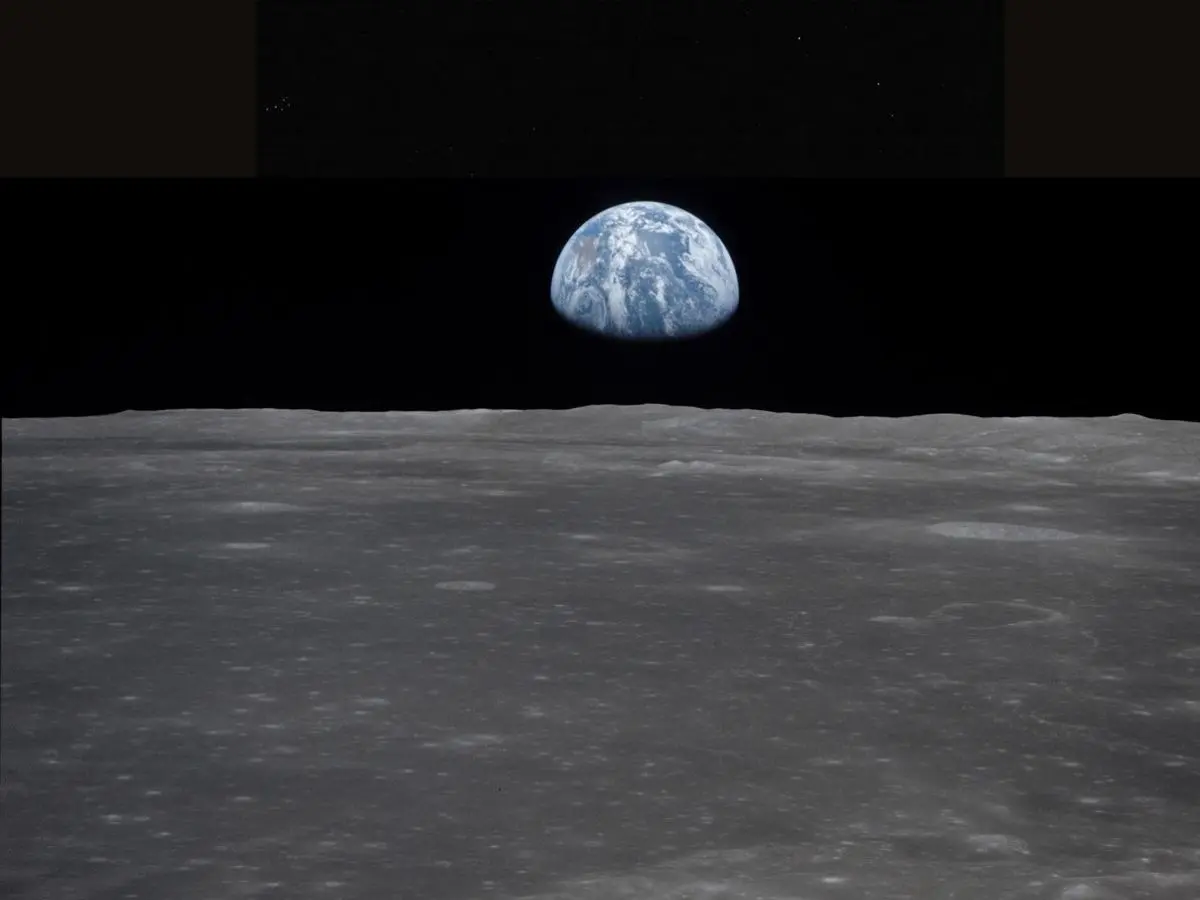
According to Thomas, past pole flips triggered massive earthquakes, tsunamis, and supersonic winds that reshaped landscapes and wiped out civilisations. He described these events as sudden and devastating.

3. Are We Due for Another Flip?
Thomas’s calculations suggest that Earth is overdue for a pole flip by thousands of years. While mainstream science does not support rapid pole shifts, the theory warns of potential global-scale calamities if such an event occurs.
4. Scientific Perspective
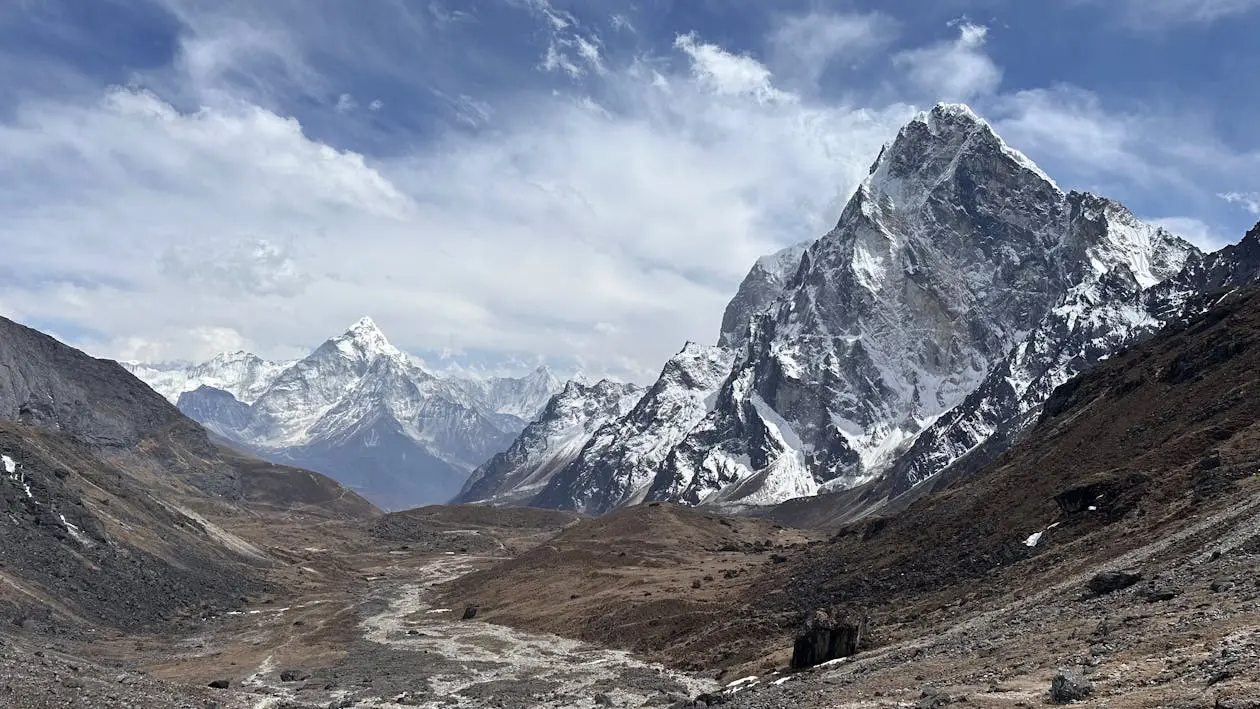
Modern geophysics recognises magnetic pole reversals, but these occur gradually over thousands of years. Rapid flips, as Thomas describes, are considered speculative. Nonetheless, the idea sparks discussion about planetary vulnerability.
5. Potential Global Impact
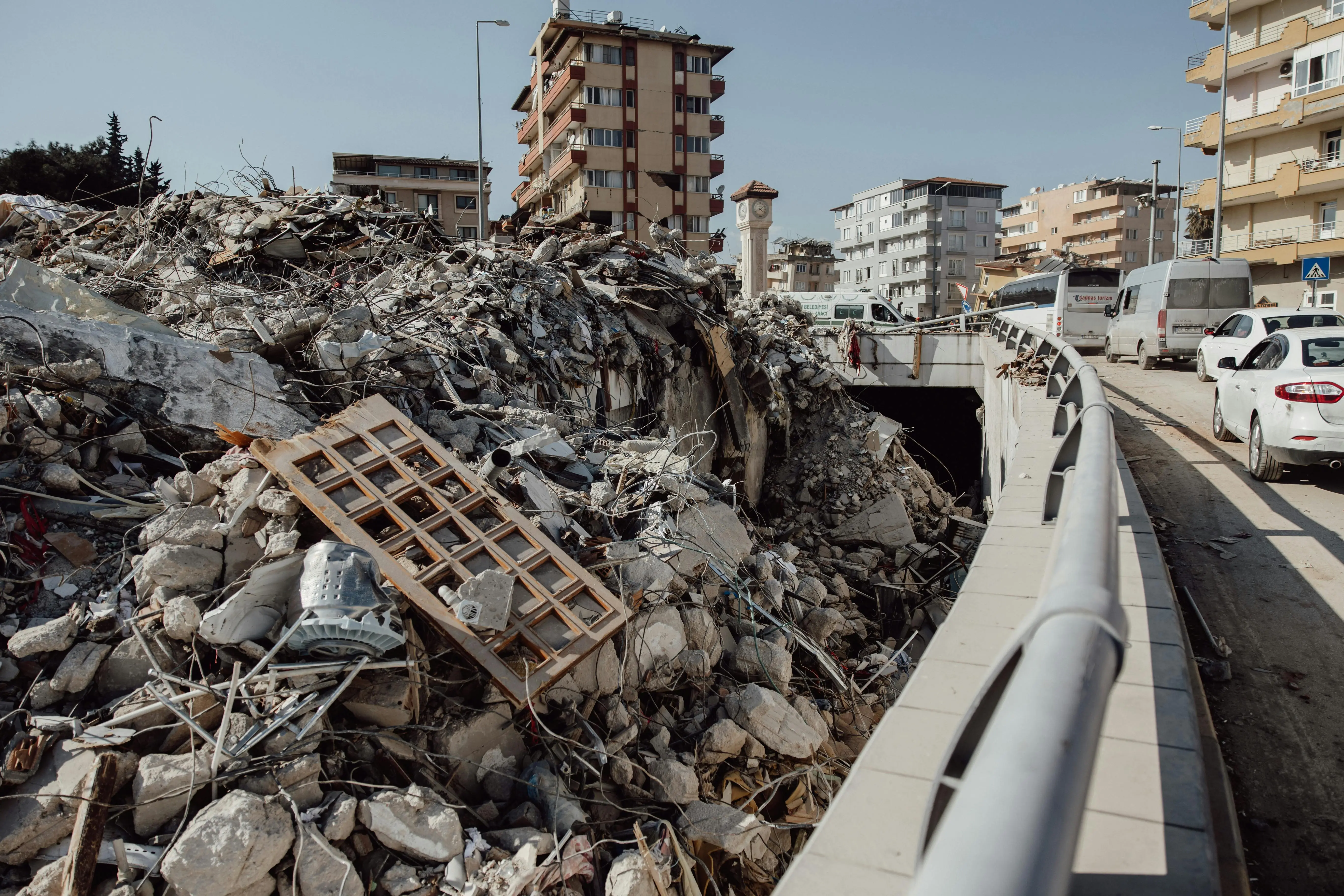
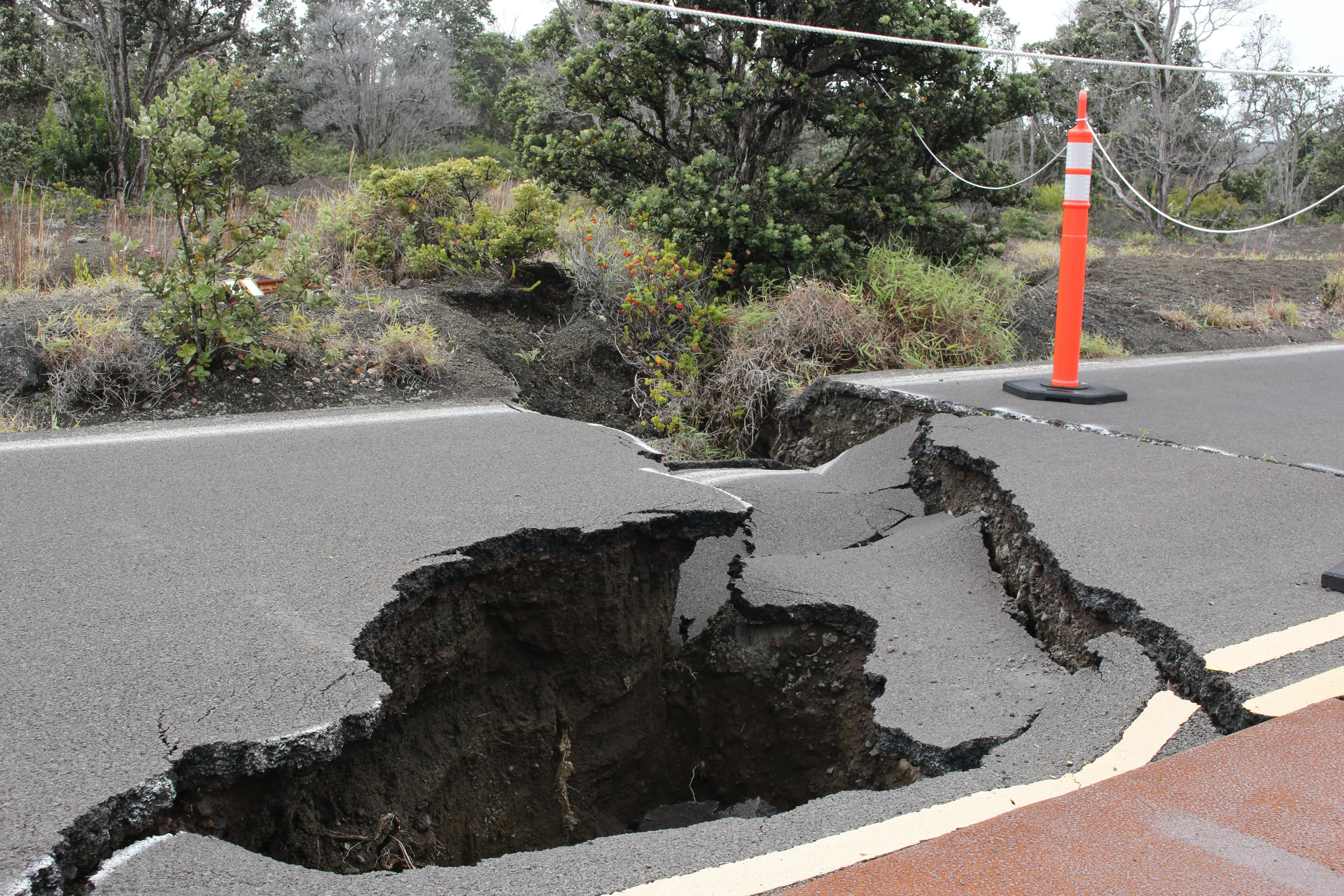
If a catastrophic pole shift were to happen suddenly, it could disrupt weather patterns, trigger volcanic eruptions, tsunamis, and earthquakes, and impact global infrastructure and human populations.
6. Emergency Preparedness
Regardless of the speculation, experts recommend keeping a survival kit ready with essentials like water, non-perishable food, flashlights, batteries, and a first aid kit to cope with natural disasters.
7. Family Safety Plans
Having a clear family emergency plan, including designated meeting points, communication strategies, and evacuation routes, can drastically improve chances of survival during sudden calamities.
8. Stay Informed and Resilient
Monitoring credible sources for scientific updates and participating in community disaster preparedness programs strengthens resilience. Even if a rapid pole flip remains unlikely, these measures help safeguard against earthquakes, floods, or other natural emergencies.
)
)
)
)
)