$585 million Dutch ship faces major security scare because of a $5 postcard

Dutch warship, HNLMS Evertsen, had a major security scare because of a mail that came on board. Dutch authorities have recognised the issue and taken appropriate steps to prevent something similar from happening in the future.
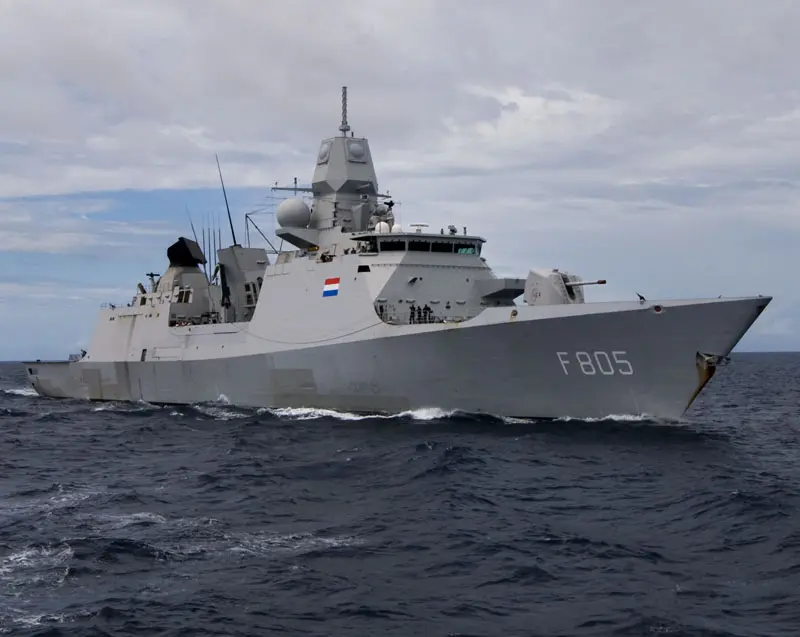
Dutch ship HNLMS Evertsen location exposed
A Bluetooth device that made its way to the HNLMS Evertsen, a Dutch air-defence frigate, caused a security scare when it enabled unauthorised persons to track it for 24 hours. It reached the warship after someone mailed it in the form of a postcard. The problem is that mail is not scanned like other objects, revealing that officials need to implement more stringent measures to ensure such items do not reach warships that not only threaten the security of one vessel, but could jeopardise the entire fleet.
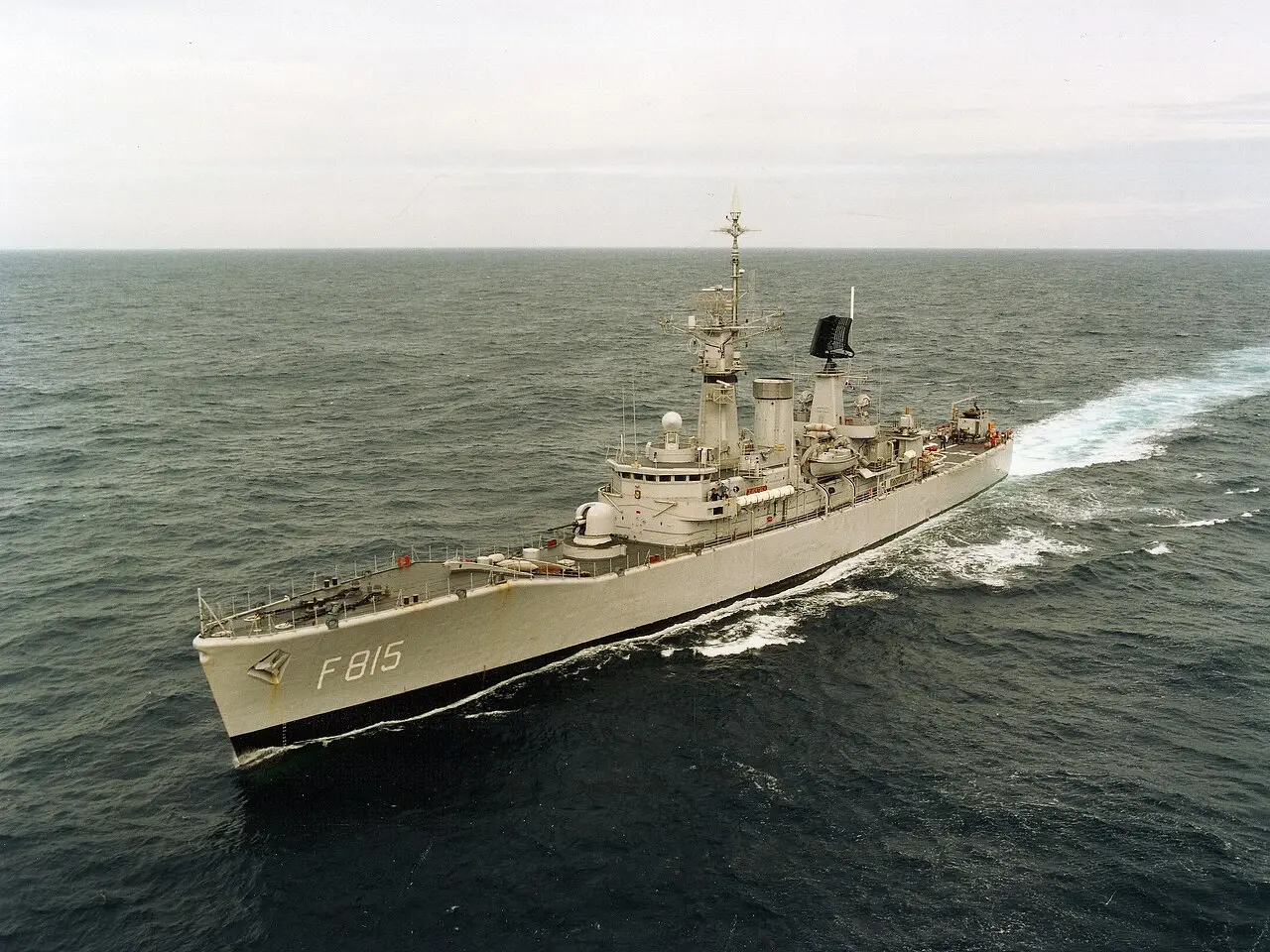
A simple communication system put the HNLMS Evertsen at risk
The incident happened when the HNLMS Evertsen received a postcard that contained a hidden Bluetooth tracker and passed all security without any issues. The Register reported that there was a streamlined process for friends and families of those on board to reach out to them. The Dutch Ministry of Defence posted all the instructions online, but did not take into account how this could turn into a dangerous security situation. But the ramifications were revealed when someone managed to misuse them to track the vessel.
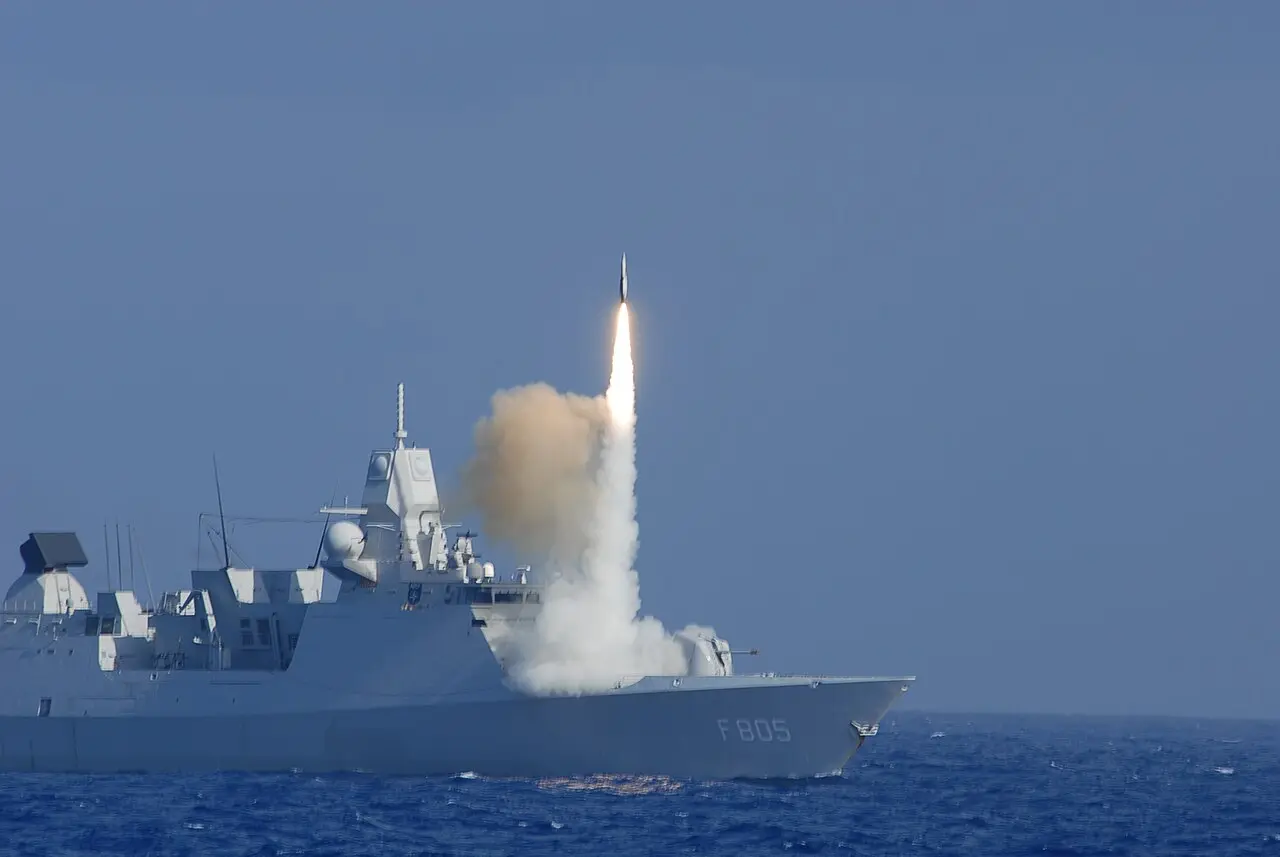
Dutch journalist was able to track HNLMS Evertsen for 24 hours
The person who mailed the postcard was thankfully not an enemy but a local journalist named Just Vervaart. Employed by the regional media network Omroep Gelderland, he followed the directions posted on the Dutch government website and mailed a postcard to the HNLMS Evertsen. It had a hidden tracker inside, which allowed him to track the ship for nearly 24 hours. He watched it sail from Heraklion, Crete, and turn towards Cyprus.
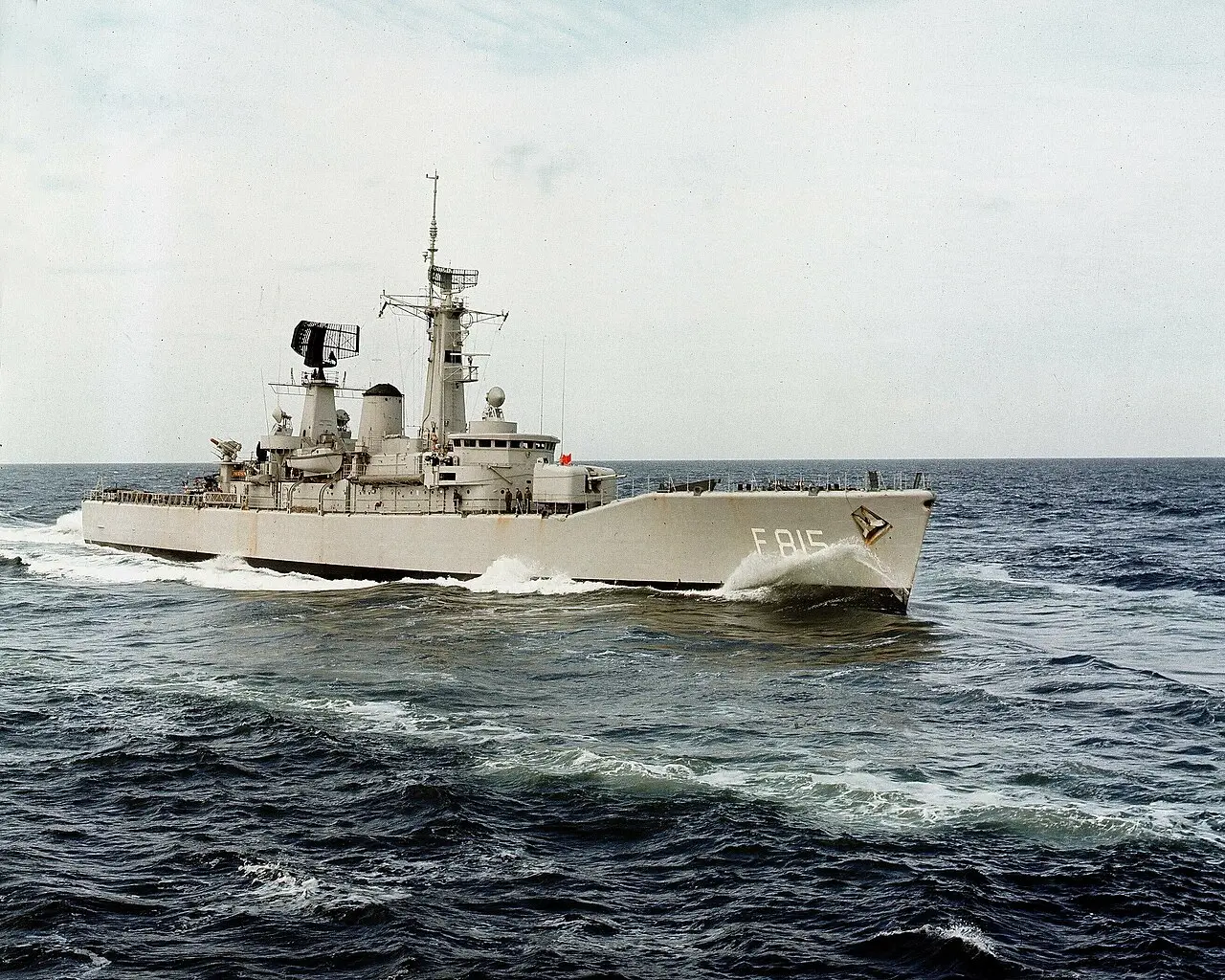
Electronic greeting cards have now been banned
The tracker was found when the ship arrived at port, and the mail was sorted, Navy officials said. It was promptly disabled, but not before it caused a scare for nearly a day. Dutch authorities have now banned electronic greeting cards as they are not scanned through X-rays before being brought on the ship, a process followed with every other package. The journalist's action exposed a major flaw in security.
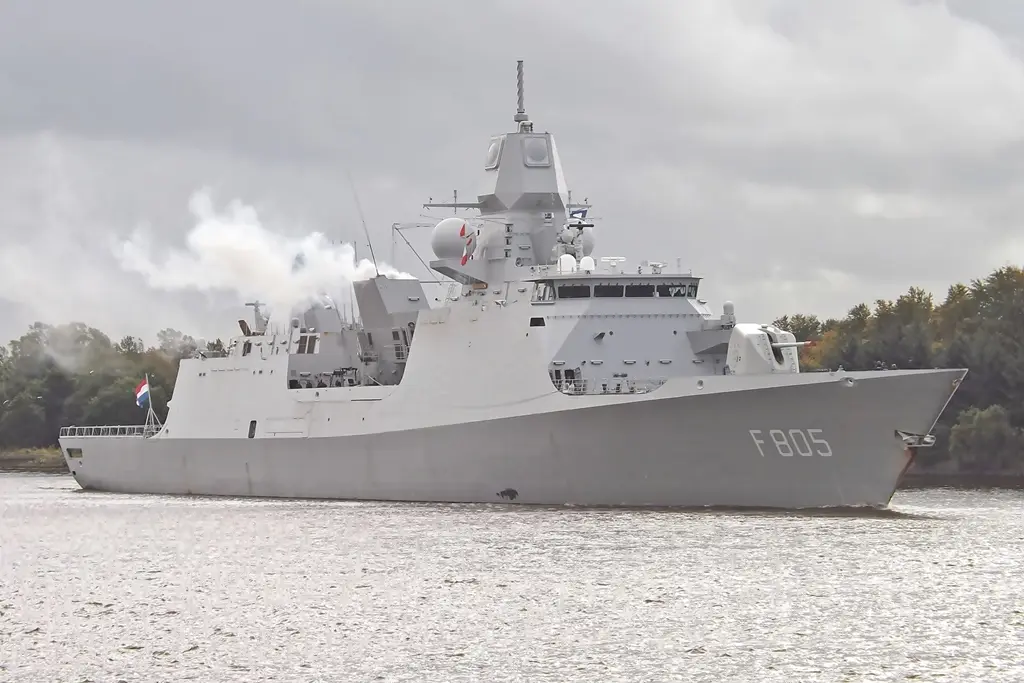
Major security risk for entire fleet
HNLMS Evertsen is part of the NATO carrier strike group which is centred around the French carrier Charles de Gaulle. The journalist could track the location of only one ship. However, it still becomes problem since the vessel is part of a fleet, and knowing the location of one ship means being able to track all of them. This puts the entire carrier strike group sailing in the Mediterranean at risk.
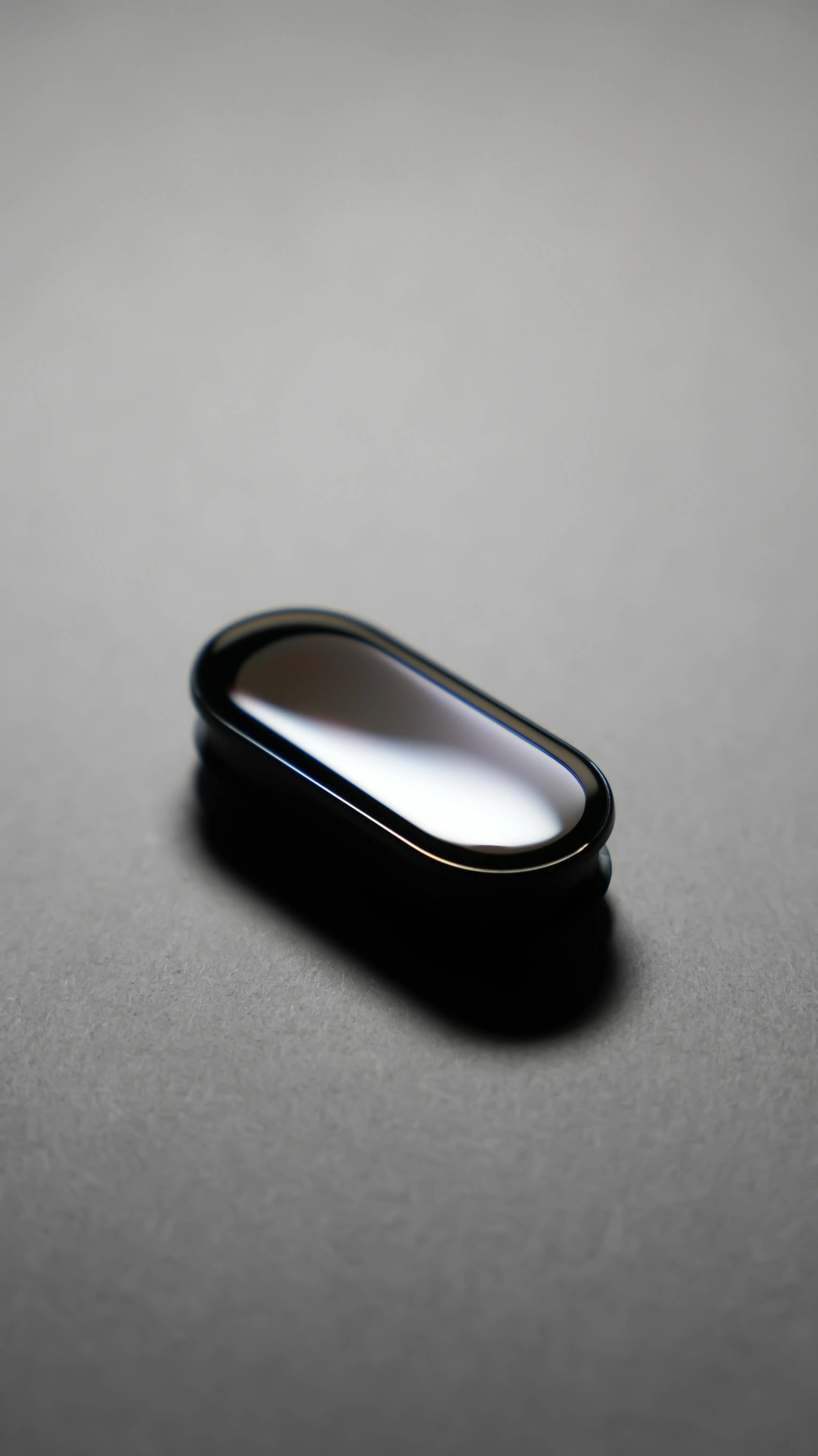
Bluetooth devices are easily available
Bluetooth trackers are easily available in the market, ranging from pricier options like the Apple AirTag, which cost $29 a piece, to the cheaper versions that can be bought for $10 for two trackers. The incident shows that an enemy can use them to track the ship in real-time, posing a danger to the entire fleet. The biggest takeaway is that the device was mailed using a perfectly authorised method, showing that planting a spy device is possible without the need to go near the ship.
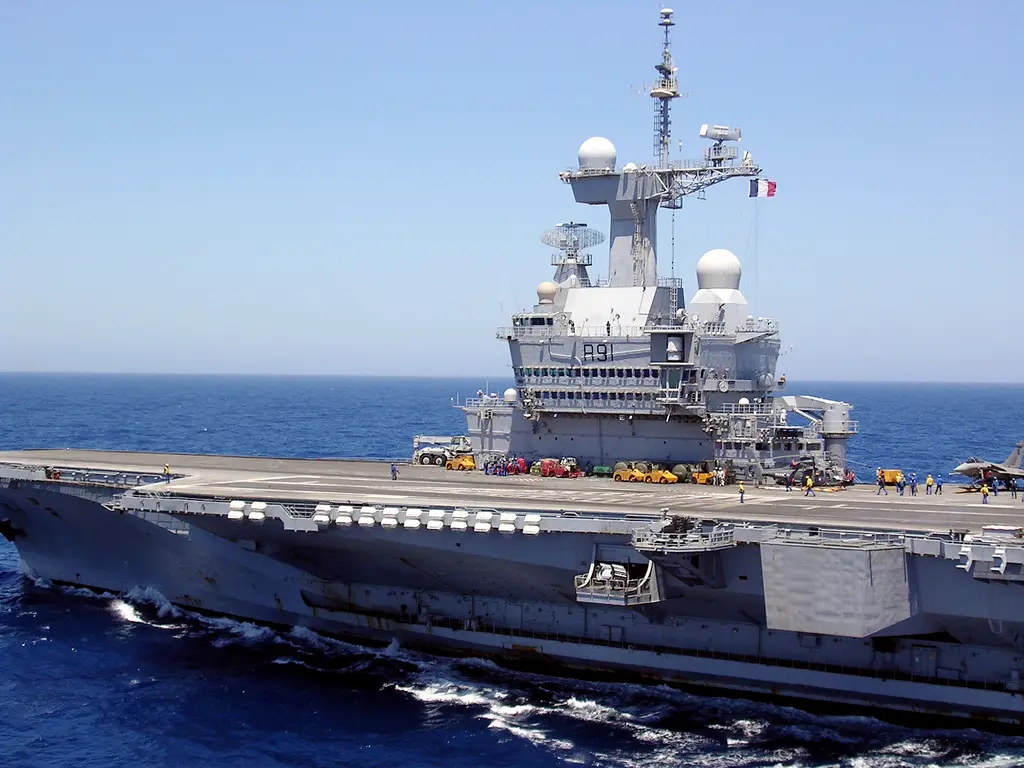
Charles de Gaulle location and route were exposed last month
This isn't the first time a ship has exposed itself because of carelessness. Last month, the running time and route of Charles de Gaulle became public after a French officer on board the ship posted the details on Strava. The carrier’s location in the Mediterranean was exposed as open-source intelligence could potentially identify the said officer and their position within the French Navy.
)
)

)
)