Dubai Airshow: How gulf weather pushes fighter jets like 'HAL Tejas' to their limits?

During airshows, Tejas may fly multiple back-to-back demonstrations. In hot climates, this compresses the maintenance cycle. Ground crews inspect engine components, panels, sensors, and fluid systems after almost every flight, making servicing much more visible than in home-base operations.
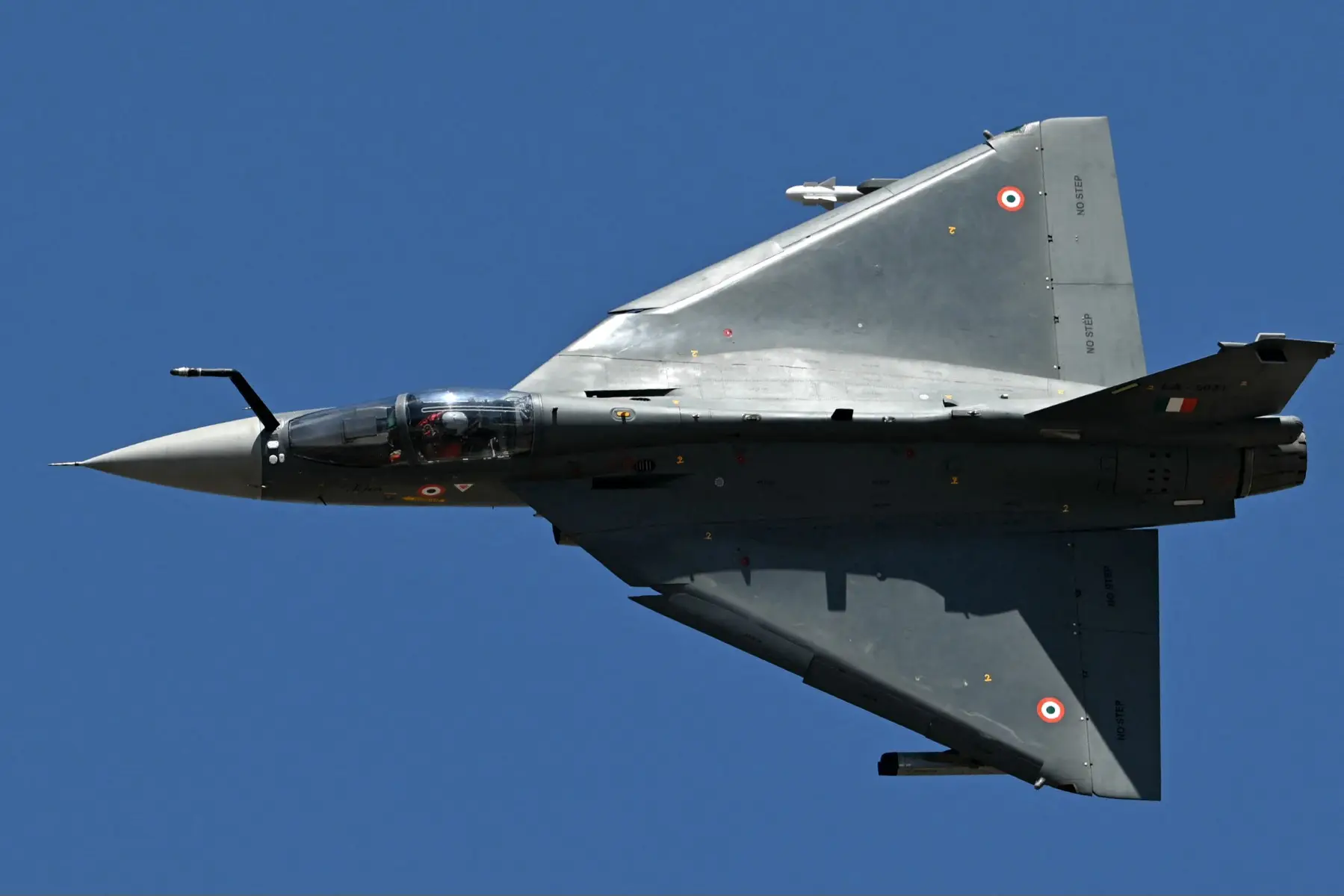
High Temperatures Reduce Engine Thrust
In Gulf regions, air temperatures regularly exceed 35–45°C. Hot air is less dense, meaning jet engines like the one on Tejas must work harder to produce the same thrust. This reduces performance margins during steep climbs and tight aerobatic manoeuvres at airshows, requiring careful engine management by pilots.
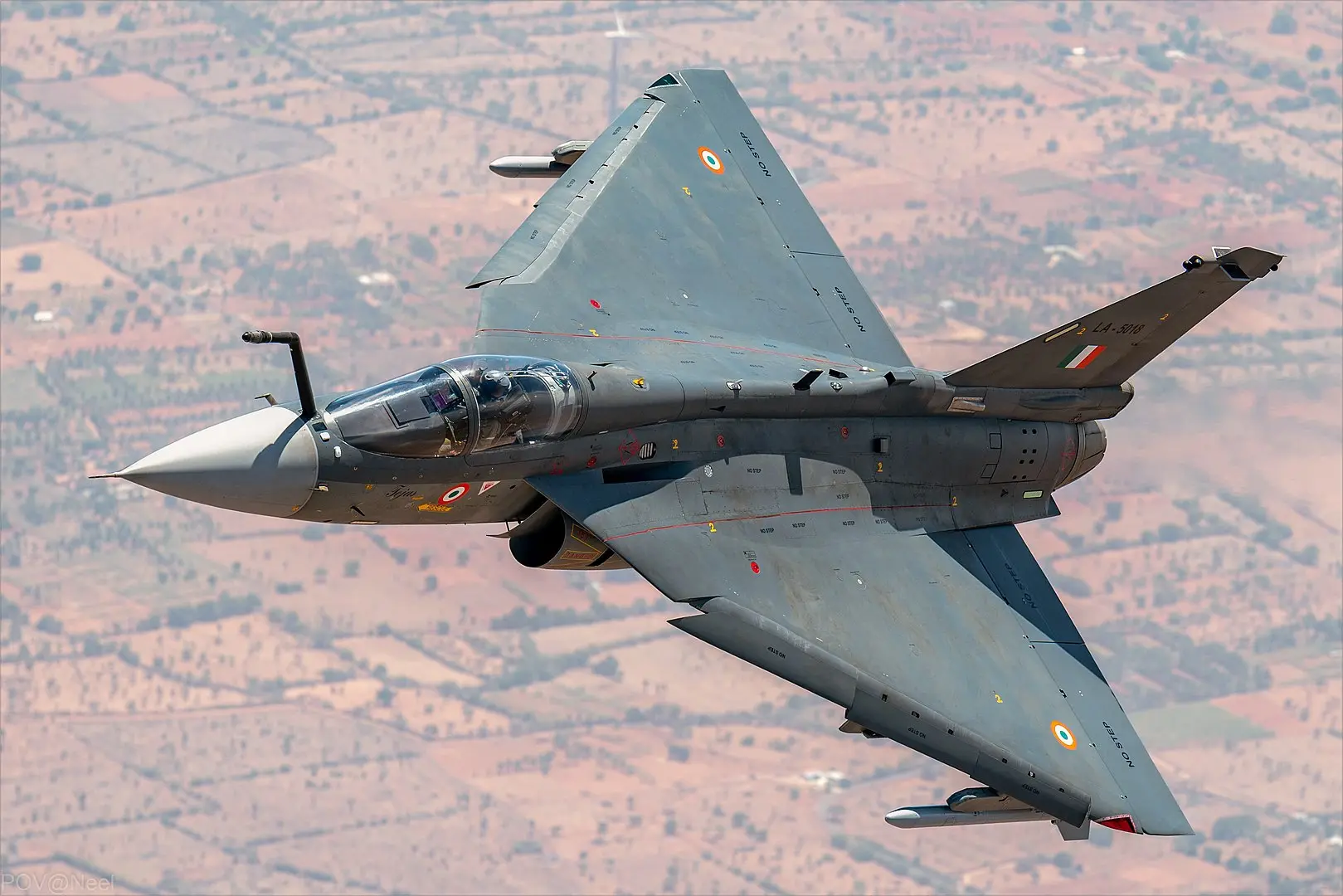
Humidity Affects Combustion and System Cooling
The coastal environment around Dubai introduces high humidity into the intake airflow. Moisture reduces combustion efficiency inside the engine and forces environmental control systems to remove more heat from onboard avionics. The result: higher thermal load on cooling systems during flights.
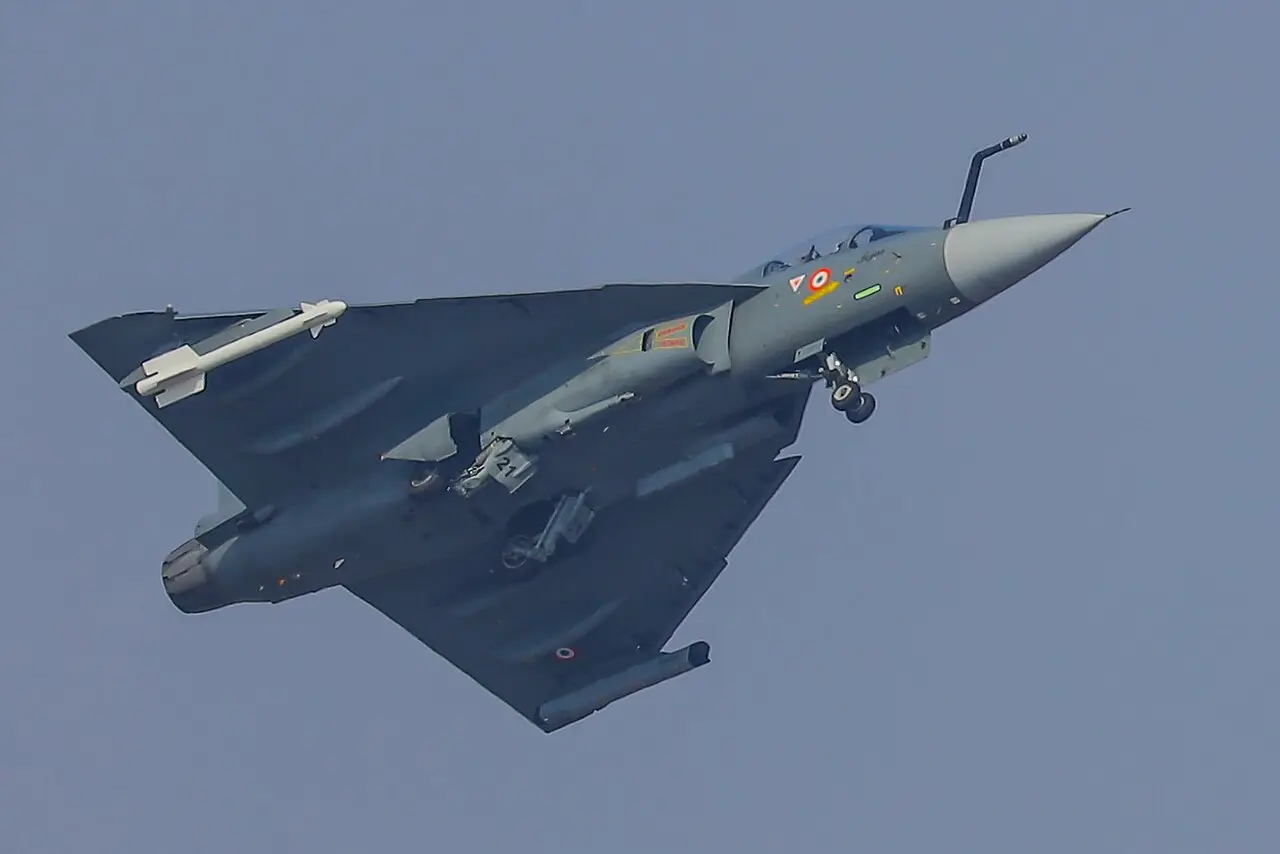
Salt-Laden Air Increases Corrosion Risk
Sea-salt particles suspended in Gulf air can settle into exposed joints and airframe surfaces. To prevent long-term corrosion, ground crews must wash and inspect the aircraft more frequently. Visible drainage of condensed water from systems, a standard corrosion-control practice, is often misunderstood by the public as a fuel or oil leak.
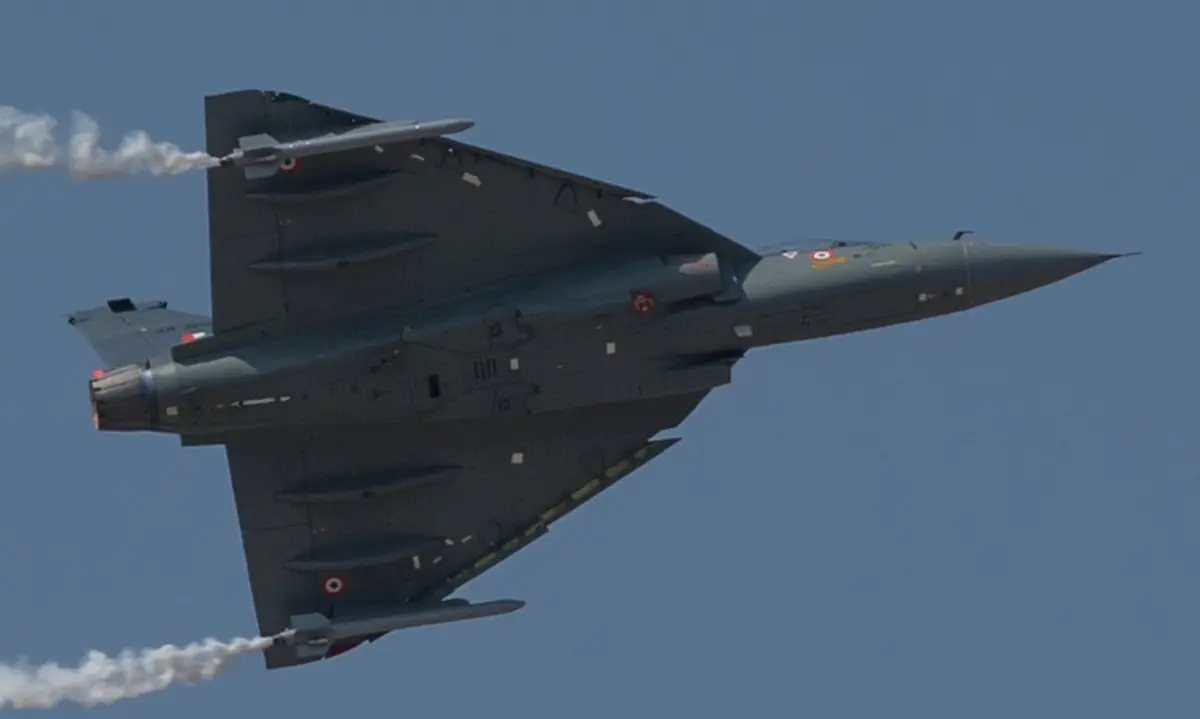
Hot Runways Stress Tyres and Brakes
Runway surfaces in the UAE can heat up beyond 50°C. When Tejas performs repeated takeoffs and landings for daily airshow displays, braking systems and tyres heat up faster and undergo faster wear. Maintenance teams monitor these components closely between sorties.
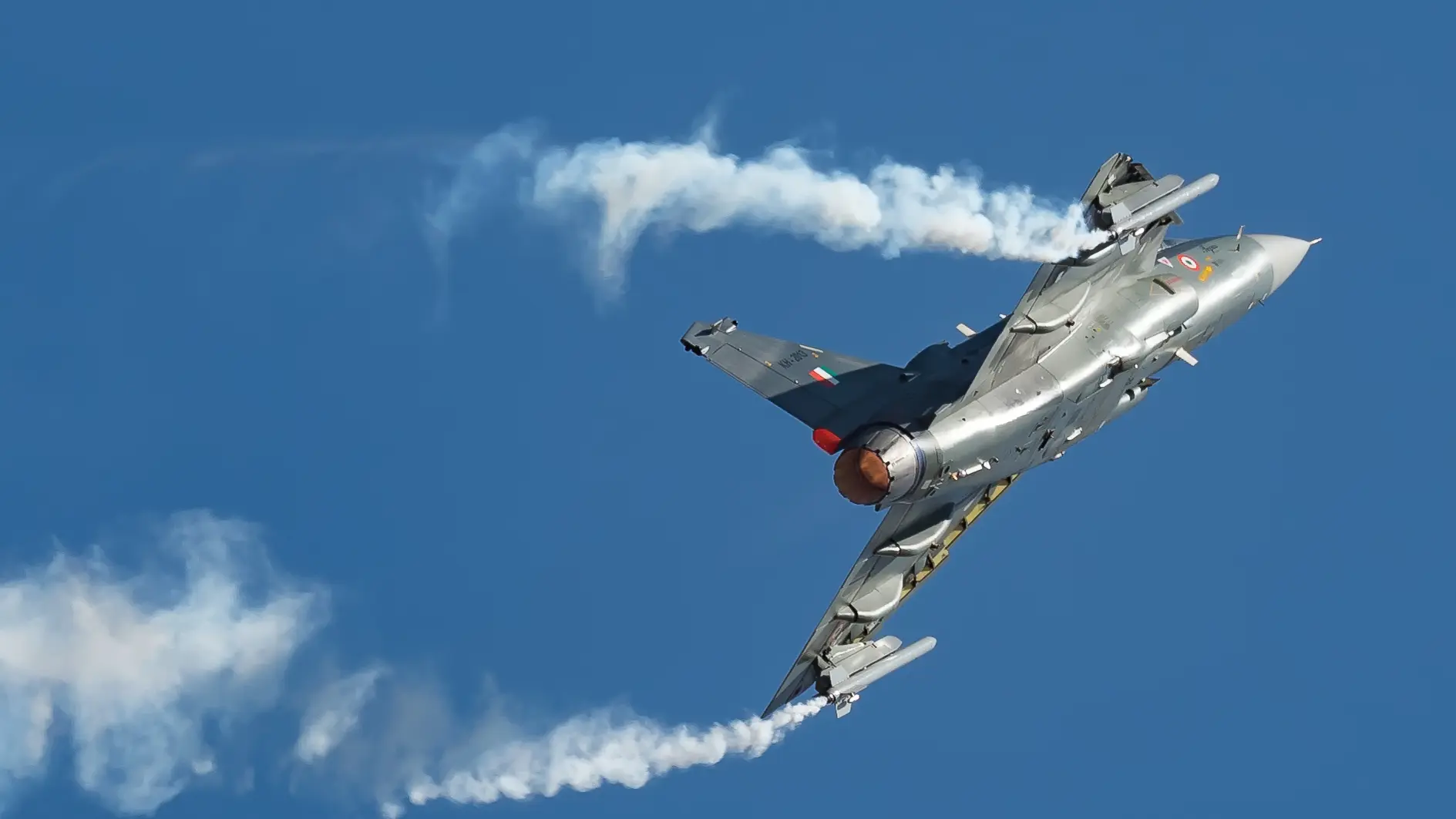
Aerobatic Routines Push the Flight Envelope
Airshow flying is more demanding than routine patrol or training missions. Manoeuvres like negative-G rolls, rapid throttle transitions, and high-angle turns impose additional aerodynamic stress on the aircraft. When combined with extreme weather, each system operates closer to its maximum design limits.
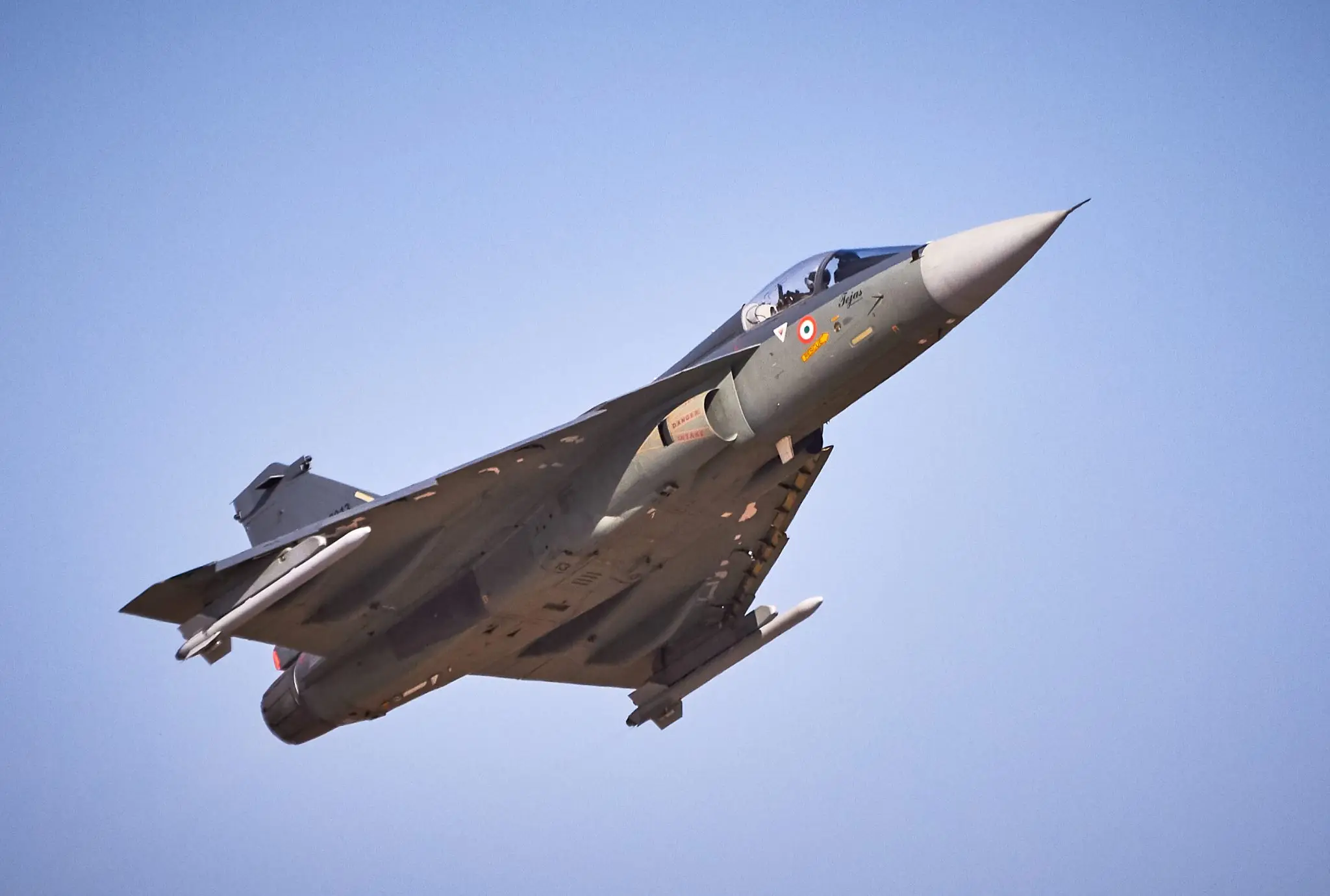
Short Turnarounds Mean More Frequent Checks
During airshows, Tejas may fly multiple back-to-back demonstrations. In hot climates, this compresses the maintenance cycle. Ground crews inspect engine components, panels, sensors, and fluid systems after almost every flight, making servicing much more visible than in home-base operations.
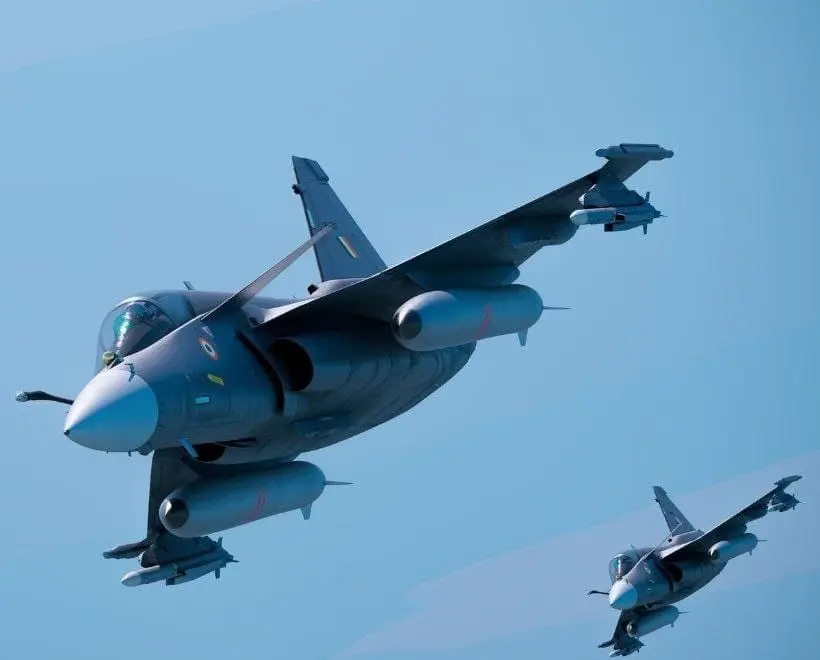
Performance Management Depends Heavily on Pilot Inputs
Pilots must constantly adapt to climate-driven performance shifts. Higher temperatures reduce climb rates, humidity affects drag, and engine settings must be fine-tuned mid-display. This increases pilot workload during complex sequences designed to showcase Tejas’ agility.
)
)
)
)
)