Drones vs Fighter jets: Is the future of warfare unmanned?

Drones and fighter jets are changing how wars are fought. With AI, stealth, and cost differences shaping strategy, will drones take over the skies? Explore how both technologies are shaping the future of air combat.
The Rise of Drones and Fighter Jets
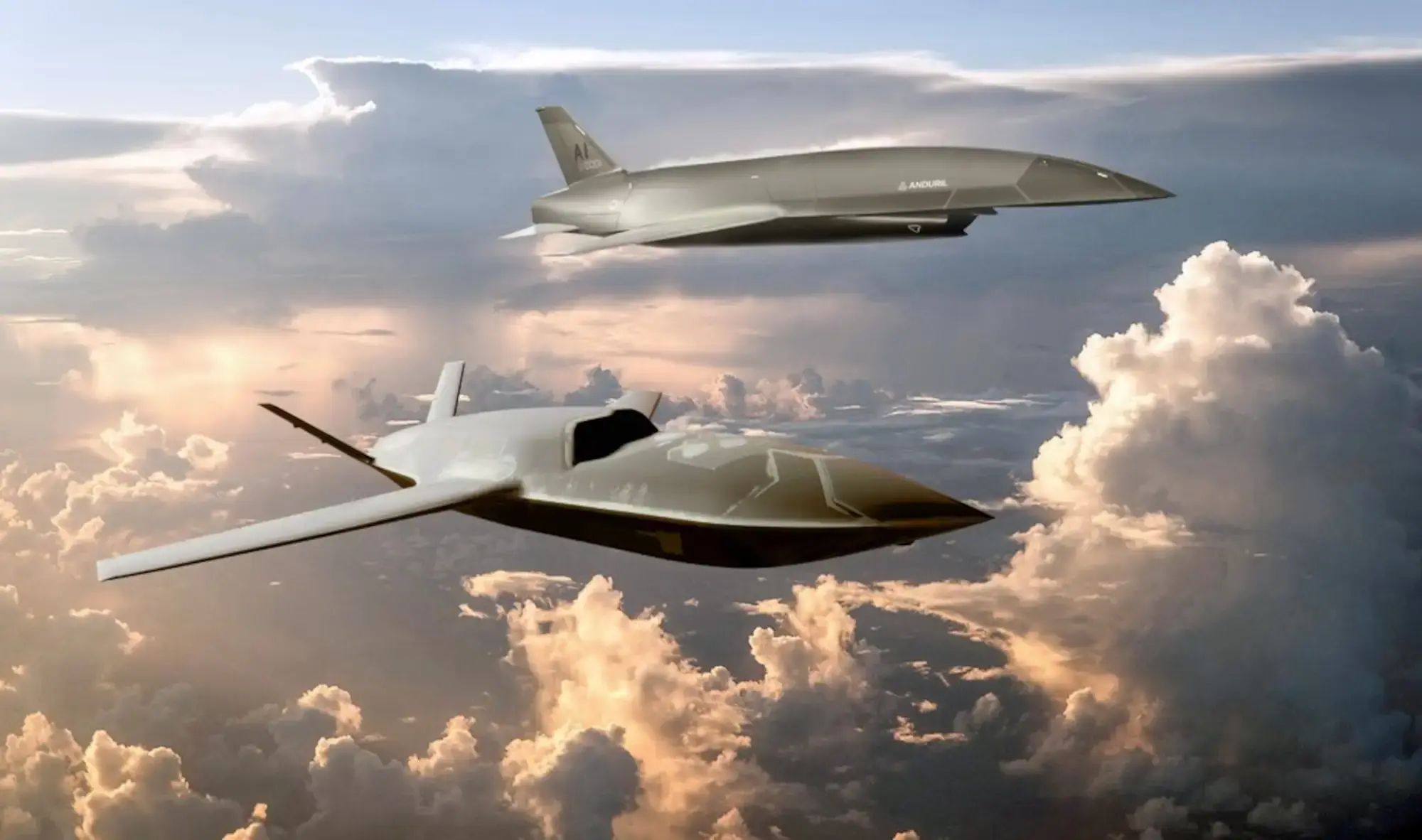
Fighter jets have long ruled the skies, with pilots at the centre of air battles. Today, drones, or unmanned aerial vehicles, are playing bigger roles. Militaries now use both in their strategy, raising the question: could drones one day replace fighter jets in warfare?
Autonomy and Artificial Intelligence
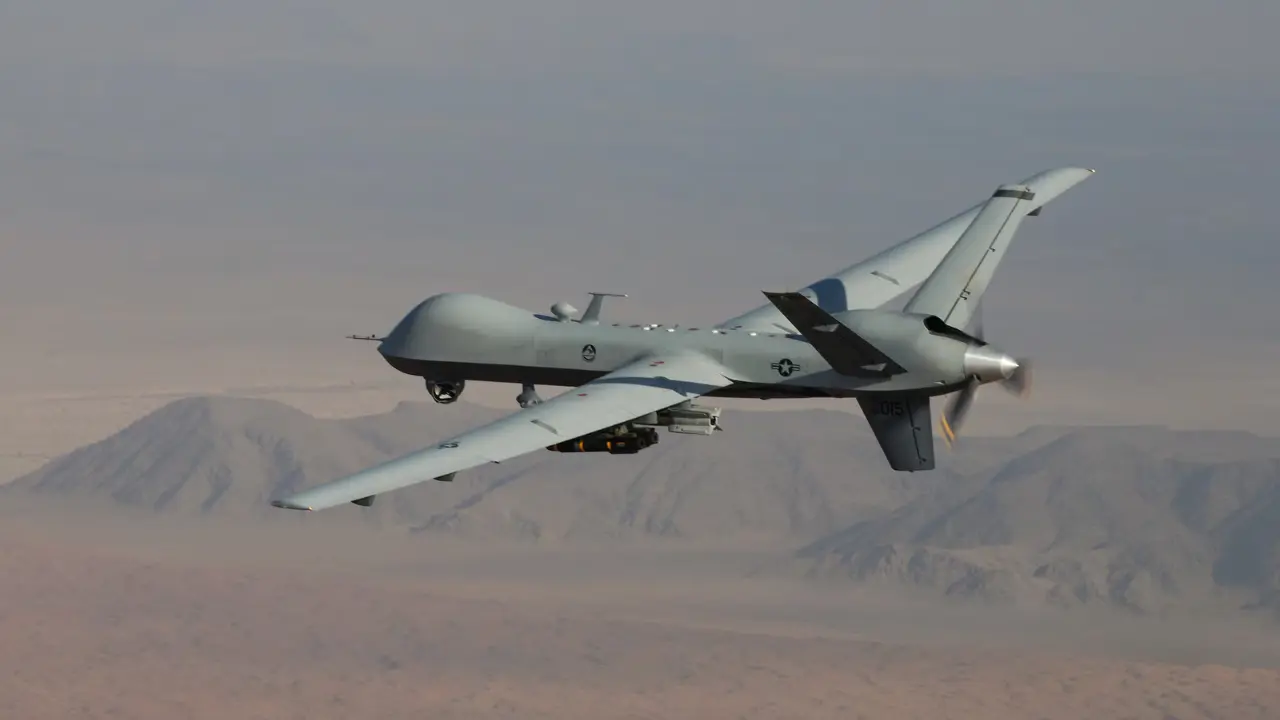
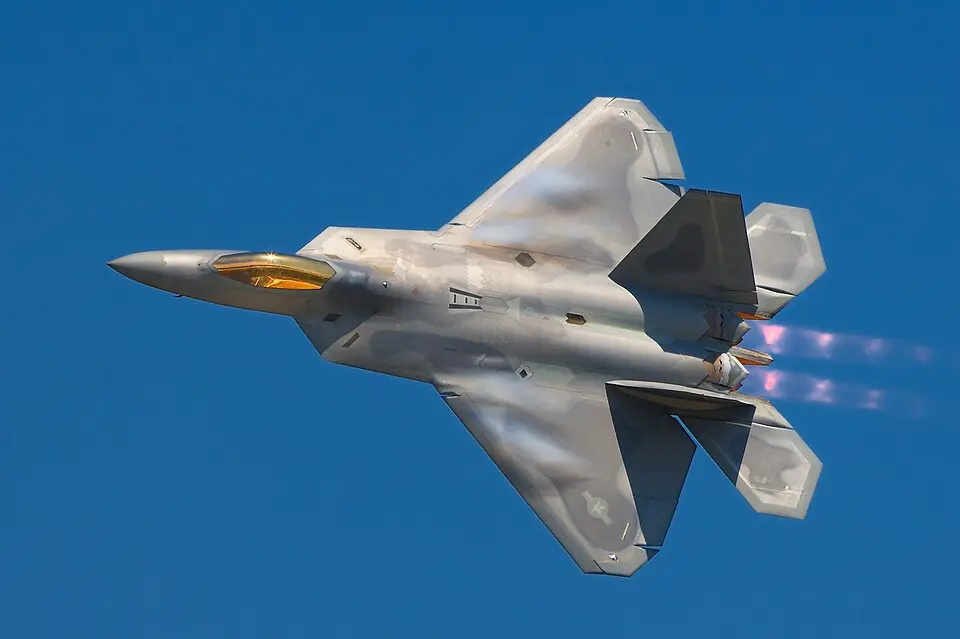
Both fighter jets and drones are using artificial intelligence (AI). Modern jets, like the F-22 and Gripen E, use AI for threat detection and decision-making. Drones such as the MQ-9 Reaper use AI for autonomous navigation and targeting, reducing the need for human control.
Speed and Maneuverability
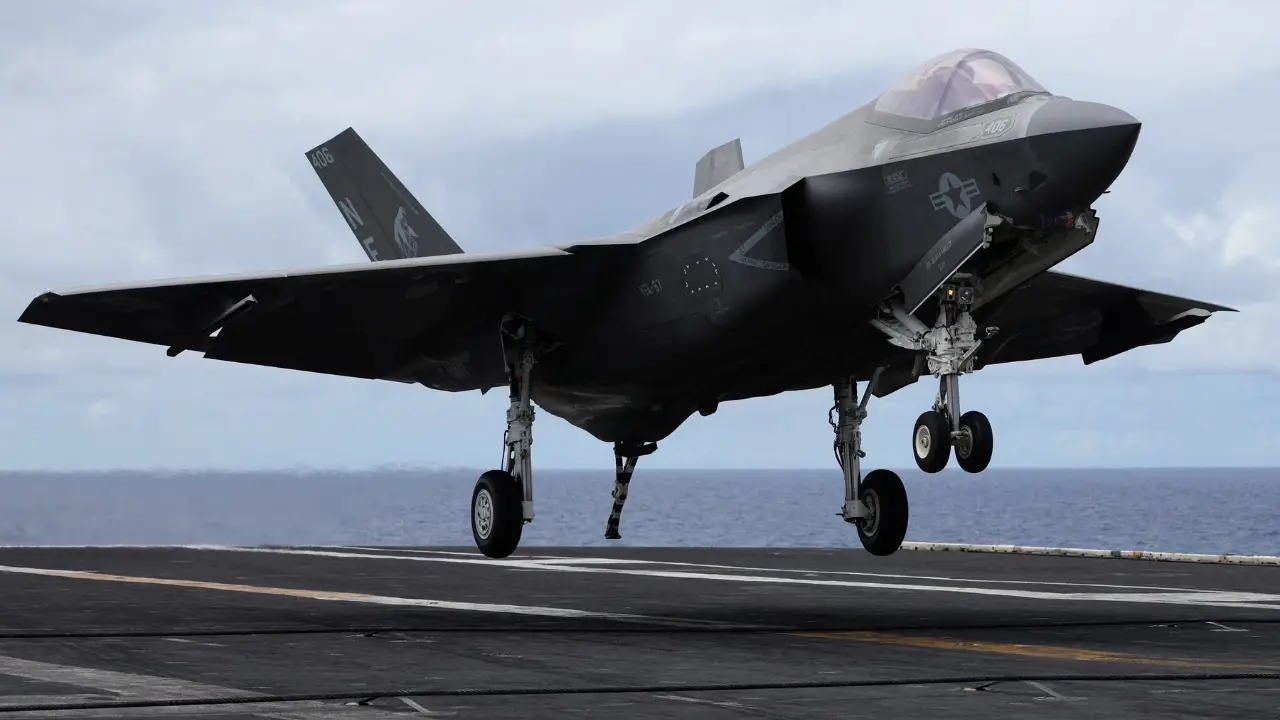
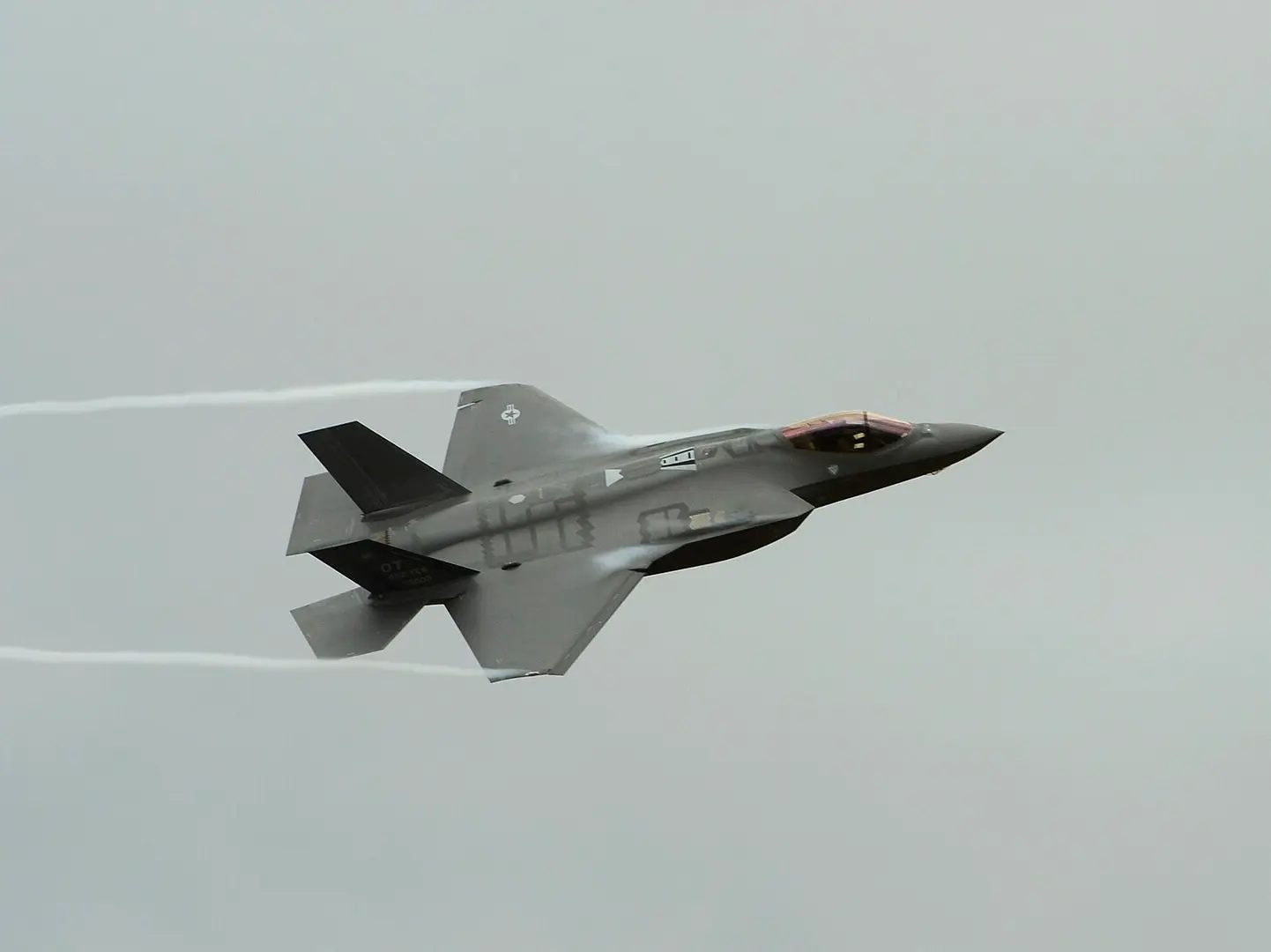
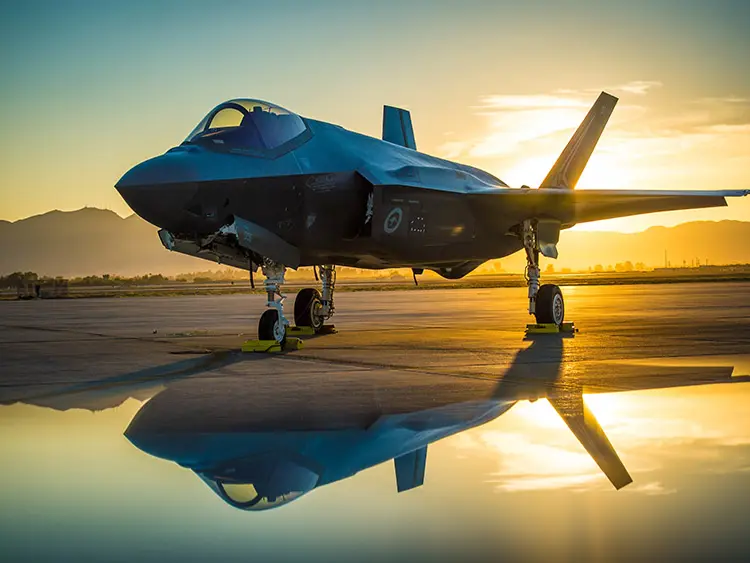
Fighter jets excel at high-speed manoeuvres and dogfights. Jets like the F-16 and F-35 can reach speeds over Mach 2. Drones are slower but focus on endurance and stealth. The MQ-9 Reaper, for example, can remain in the air for about 24 hours, ideal for long missions.
Cost Efficiency
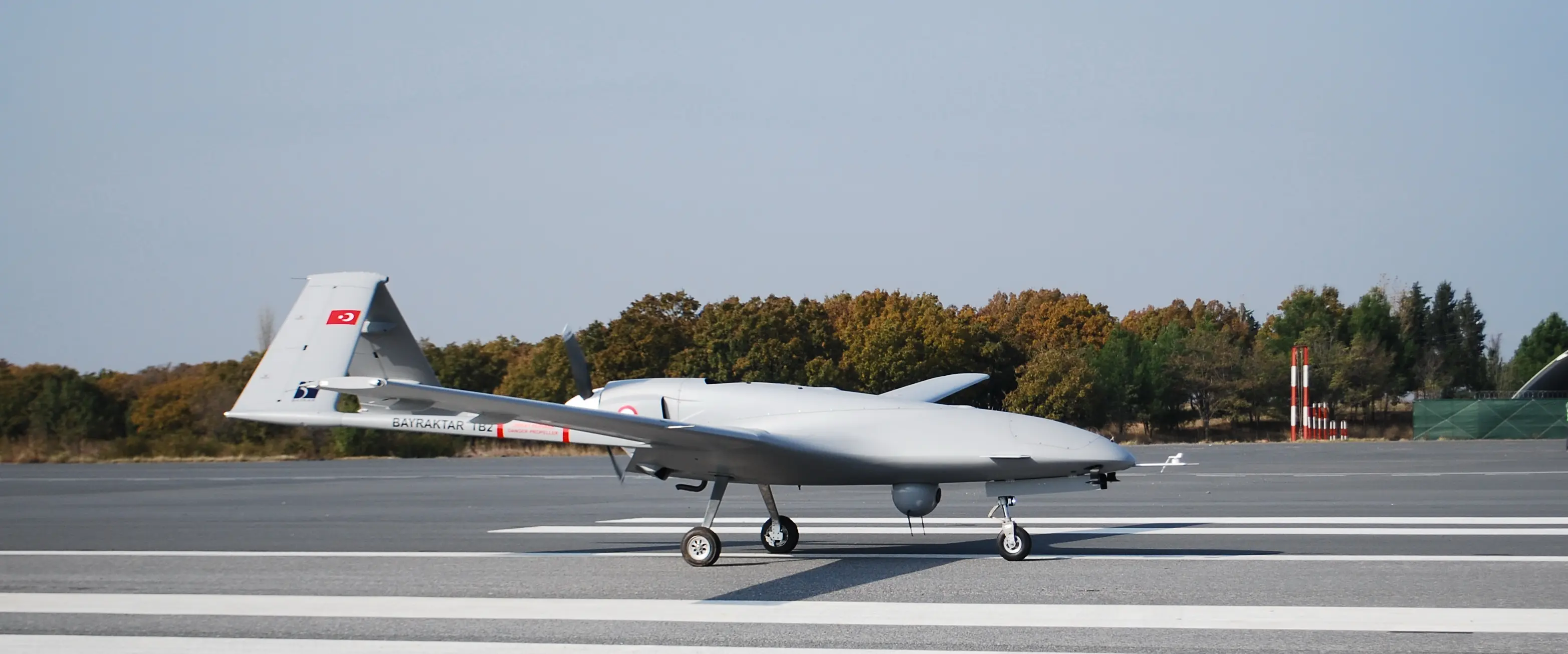
Building and operating drones is far cheaper than fighter jets. A single F-35 costs about $90-$109 million. In contrast, a Bayraktar TB2 drone can cost as little as $5 million, while the MQ-9 Reaper costs around $33 million. This price gap may influence future spending.
Pilot Safety and Strategy
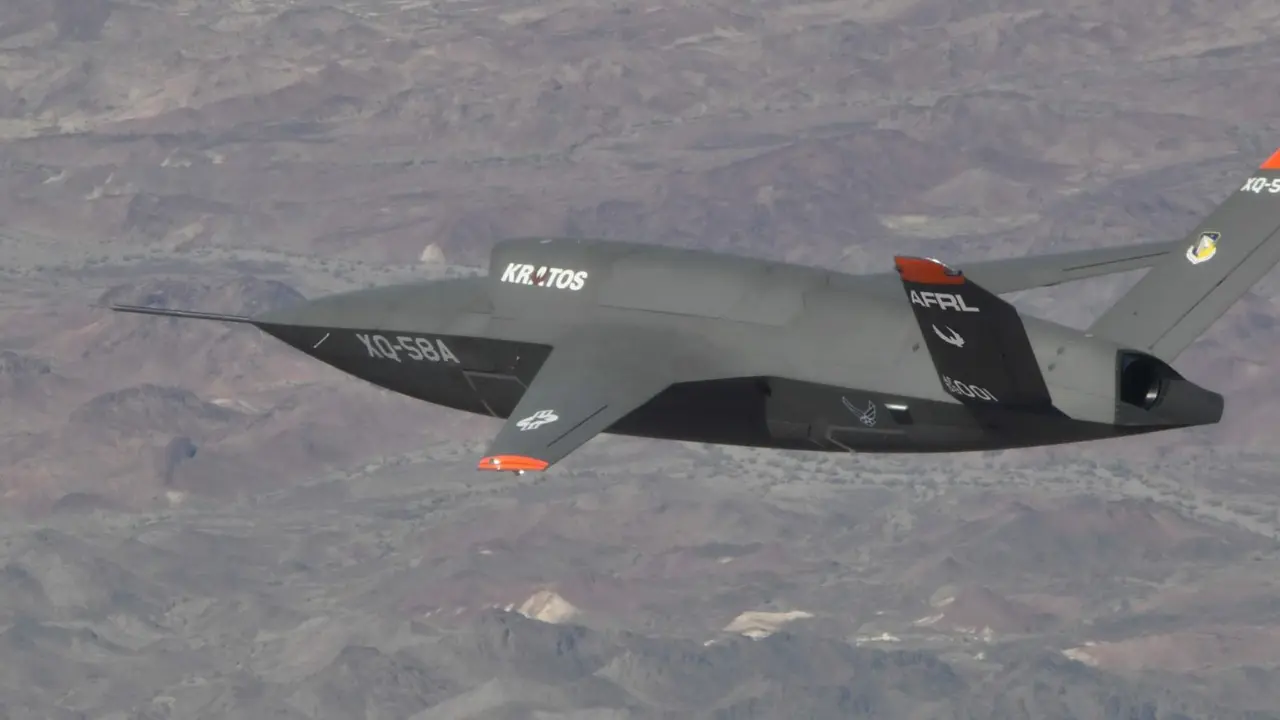
Drones eliminate risk for pilots by flying remotely or autonomously. Fighter jets still require skilled crew, whose lives may be at risk in combat. This safety difference is leading many militaries to invest more in unmanned systems for dangerous missions.
Mission Versatility
Both drones and fighter jets are used for surveillance, reconnaissance, and combat. Jets offer rapid response and air superiority. Drones provide long loiter times circling an area for hours and can support missions that need patience and persistence.
Will Drones Replace Fighter Jets?
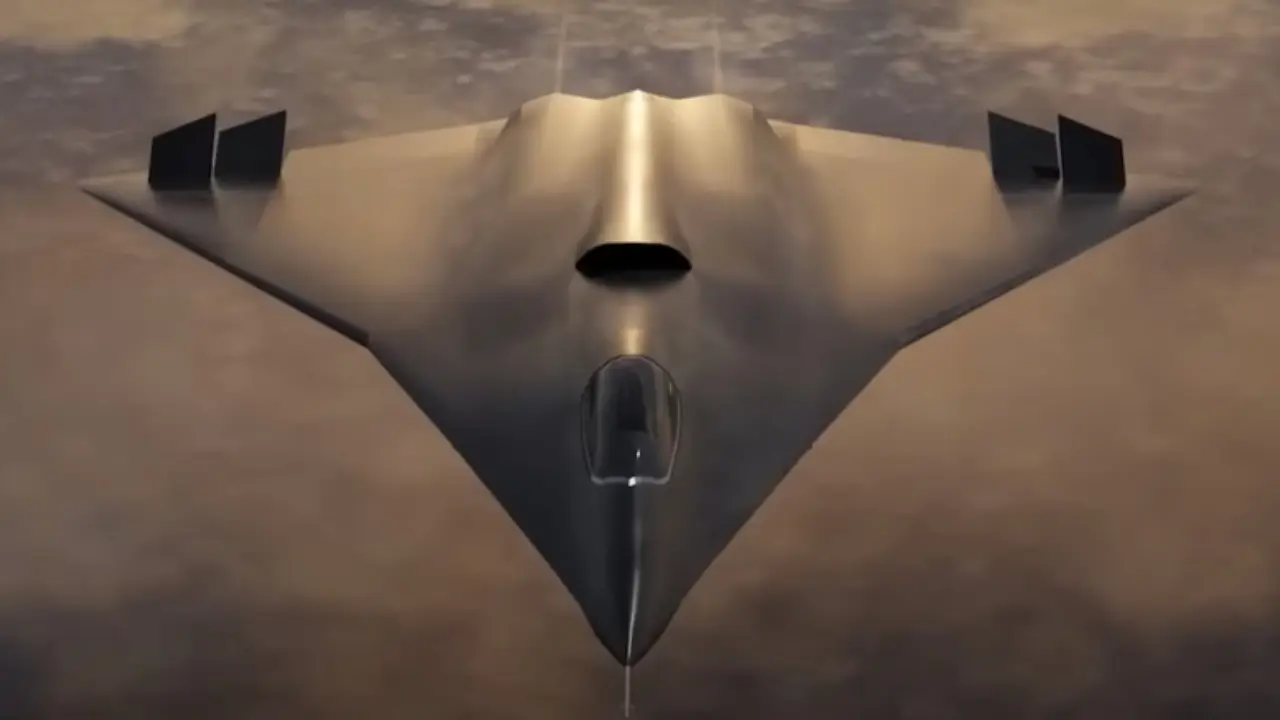
Fighter jets and drones each have strengths and limits. Technology trends suggest a future where both work together: drones for risky or long missions, jets for speed and flexibility. Whether drones will fully replace fighter jets remains uncertain; however, it is very clear that their importance is growing fast worldwide.
)
)
)
)
)