Droupadi Murmu or Yashwant Sinha, who will be the next President of India?


Former president Ram Nath Kovind will lead the panel
Former president Ram Nath Kovind will lead the panel
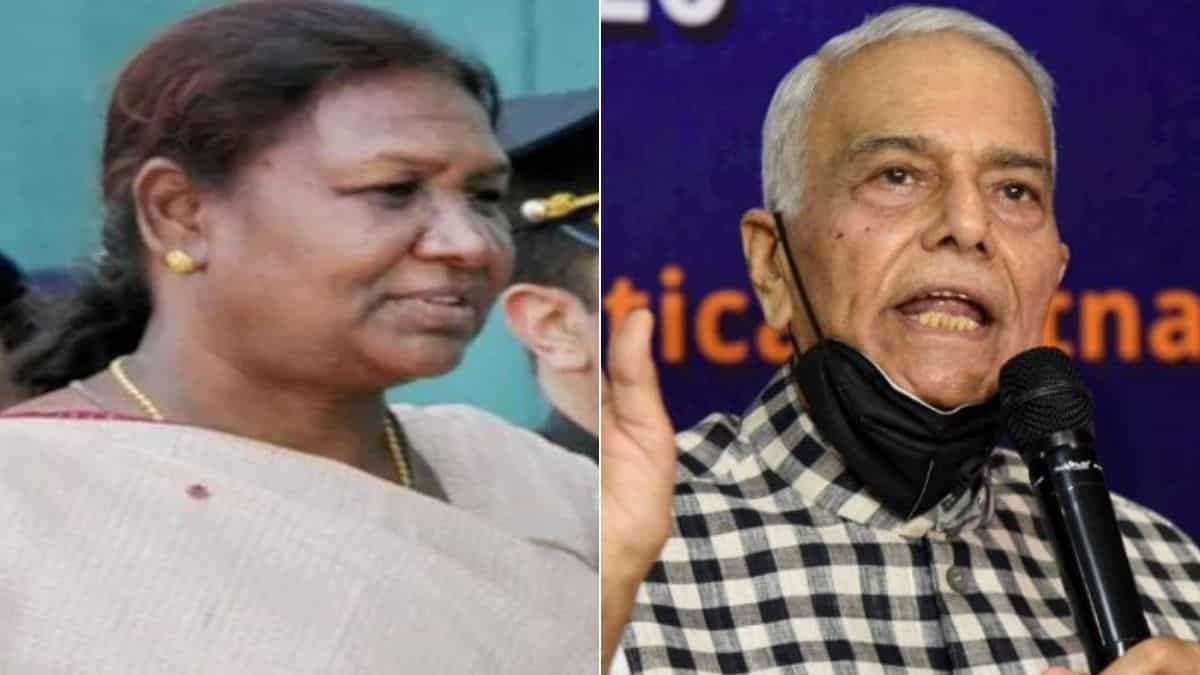
Is it going to be Murmu vs Sinha?
Yashwant Sinha was unanimously chosen as the common candidate of opposition parties for the presidential election in India. Sinha was a former union minister in the BJP government who walked away from the party.
Meanwhile, Bharatiya Janata Party (BJP)-led NDA announced Droupadi Murmu as a candidate for the upcoming Indian Presidential elections.
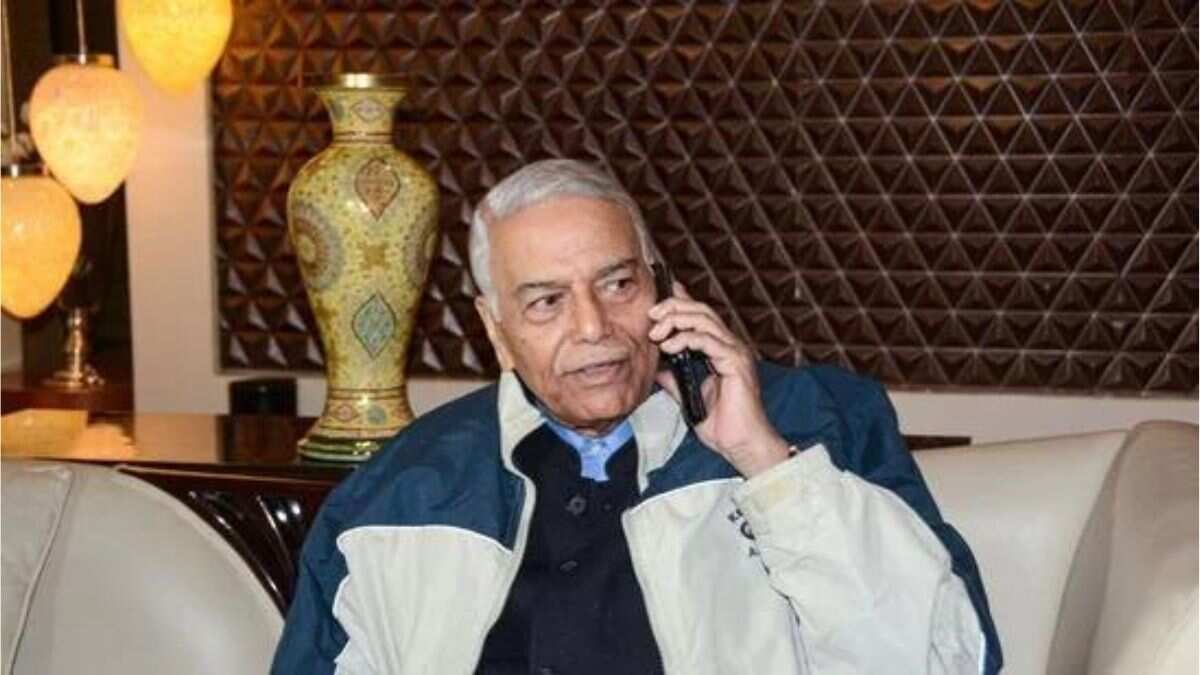
Who is Yashwant Sinha?
As mentioned, Sinha had walked away from the BJP party. He was a minister of finance between (1990–1991, when PM Chandra Shekhar was in office.
He was again the minister of finance in between March 1998 – July 2002 under PM Atal Bihari Vajpayee. He was the Minister of External Affairs netweem July 2002 – May 2004.
He joined All India Trinamool Congress on March 13, 2021, He finally left All India Trinamool Congress on June 21, 2022, for being the joint opposition Presidential Candidate.
Sinha was an IAS officer, he joined the Indian Administrative Service in 1960 and spent over 24 years holding important posts during his service tenure.
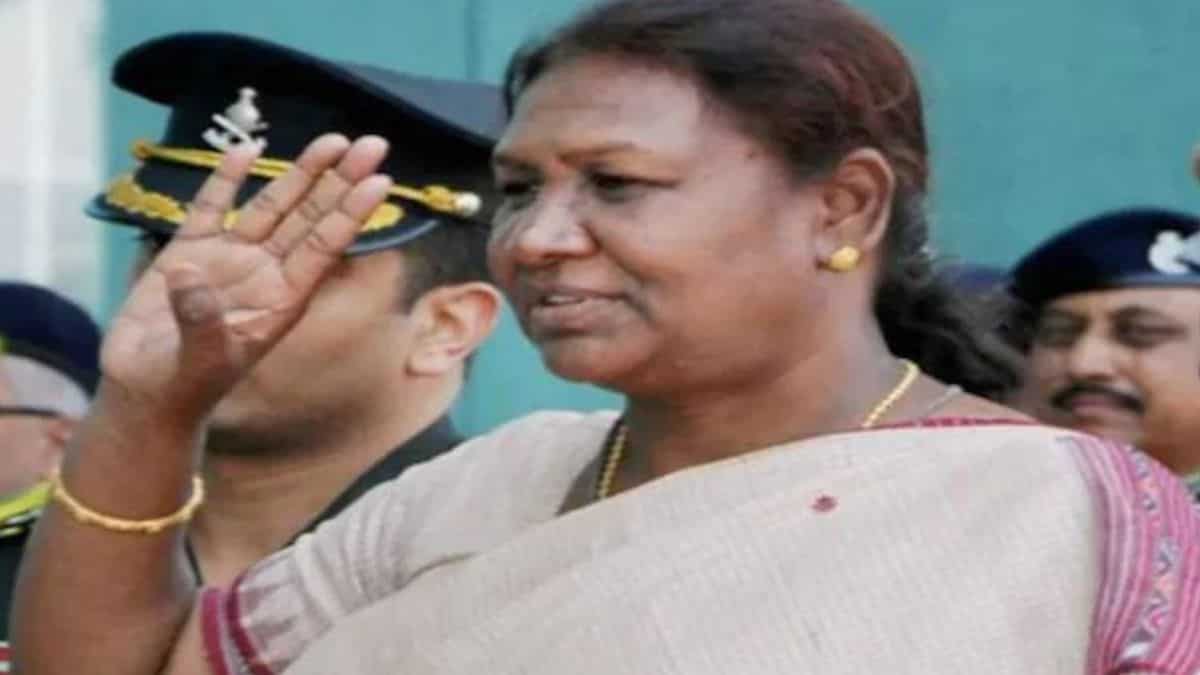
Who is Droupadi Murmu?
Murmu is a tribal leader of the party from Odisha - an eastern Indian state. She was born on June 20, 1958 in Baidaposi village of Mayurbhanj district in Odisha.
She is the first governor of Jharkhand to complete the five year term (2015-2021), since its formation in the year 2000. Murmu remained the BJP district president for the Mayurbhanja district from 2002 to 2009. Murmu started her career as a teacher after that she entered Odisha politics in 1997.
After the announcement, Indian Prime Minister Narendra Modi said the former Jharkhand governor has devoted her life to serving society and expressed confidence that she will be a "great President".
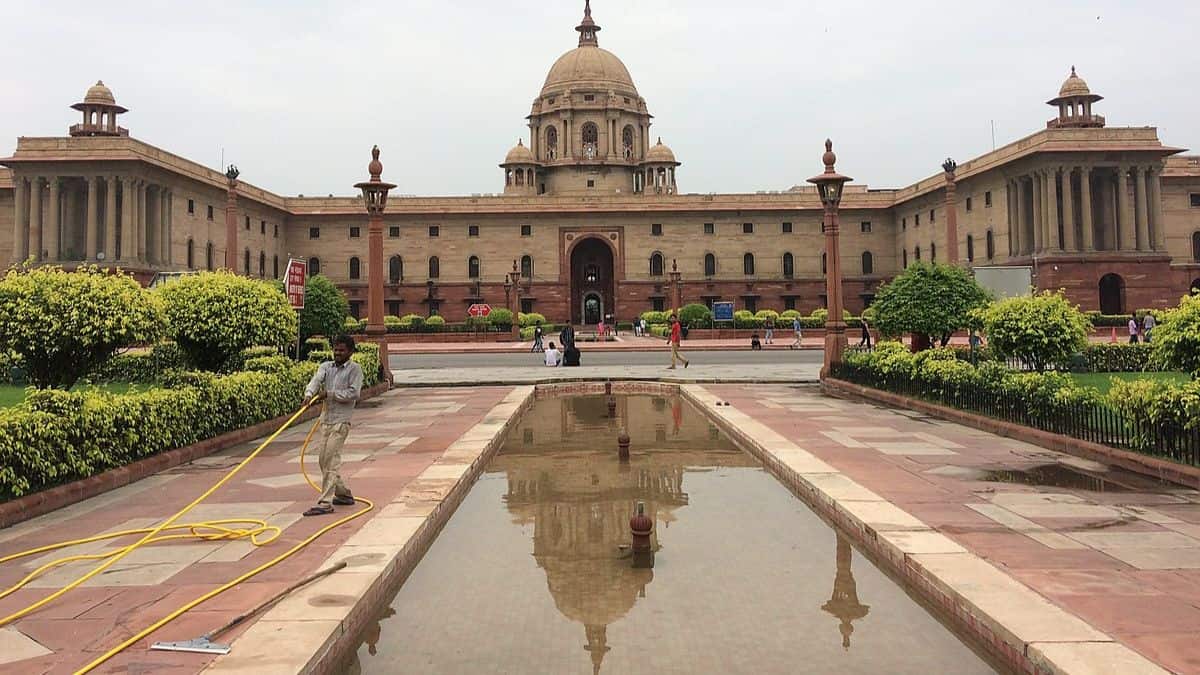
How India elects its President?
The election for the next President of India will be held on July 18. The counting of votes will take place on July 21 and the new president will take oath on July 25.
Notification for the presidential election will be issued on June 15 and the last day of filing a nomination will be June 29. The papers will be scrutinised on June 30. The last day to withdraw the nomination papers will be July 2.
According to Article 55 of the Constitution, the President of India is elected by members of the Electoral College consisting of elected Members of Parliament and that of all the state assemblies including the National Capital Territory of Delhi and the Union Territory of Puducherry. It follows the system of proportional representation utilising a single transferable vote system and secret ballots.
To be eligible for the election, the person: must be a citizen of India; have completed the age of 35 years; and is qualified for election as a member of the House of the People (Article 58).
The process starts with the nomination. The Presidential candidate should get his nomination paper subscribed by at least 50 electors as proposers and at least 50 electors as seconders. The candidate is required to deposit security, which is ₹15,000. It is supposed to be made along with the nomination paper.
Click Here to read the detailed report on How India elects its President?
)
)
)
)
)