Double-decker trains: How they balance weight and speed

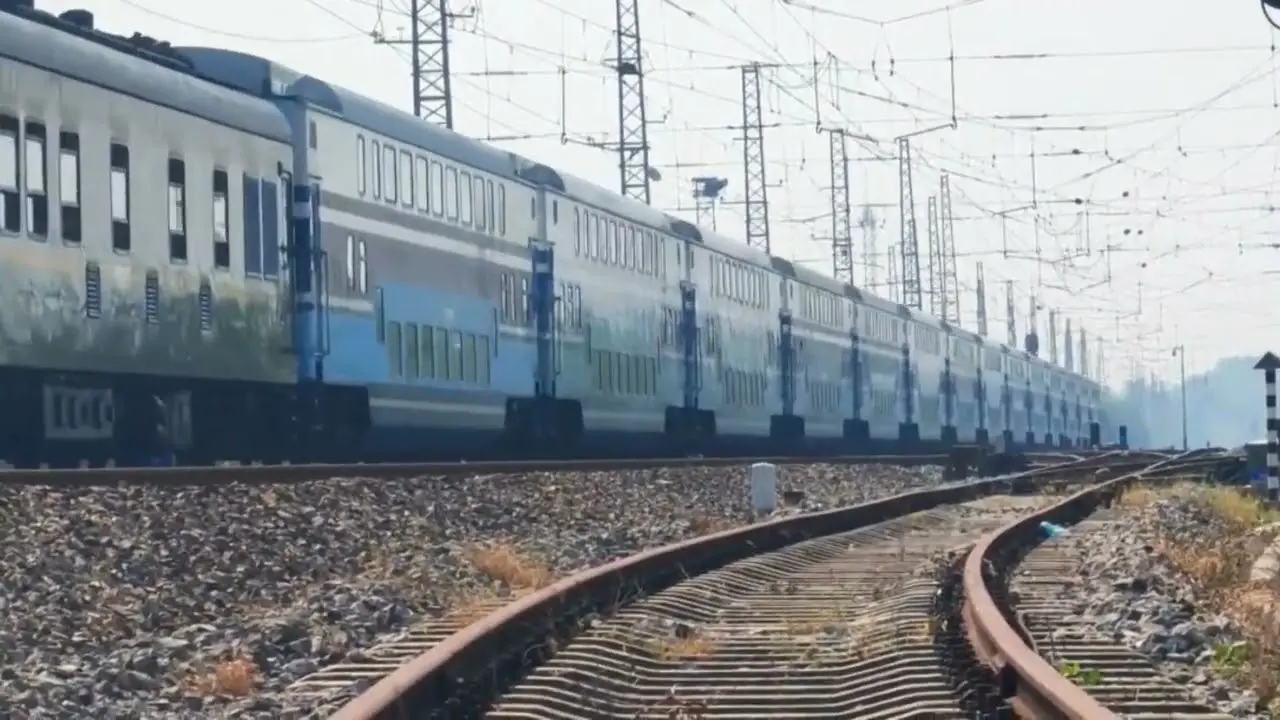
Double-decker trains are designed to carry more passengers without making trains longer. Double-decker trains use lightweight materials and smart engineering to carry double the passengers without losing speed. They offer energy efficiency and comfort, running up to 160 km/h.
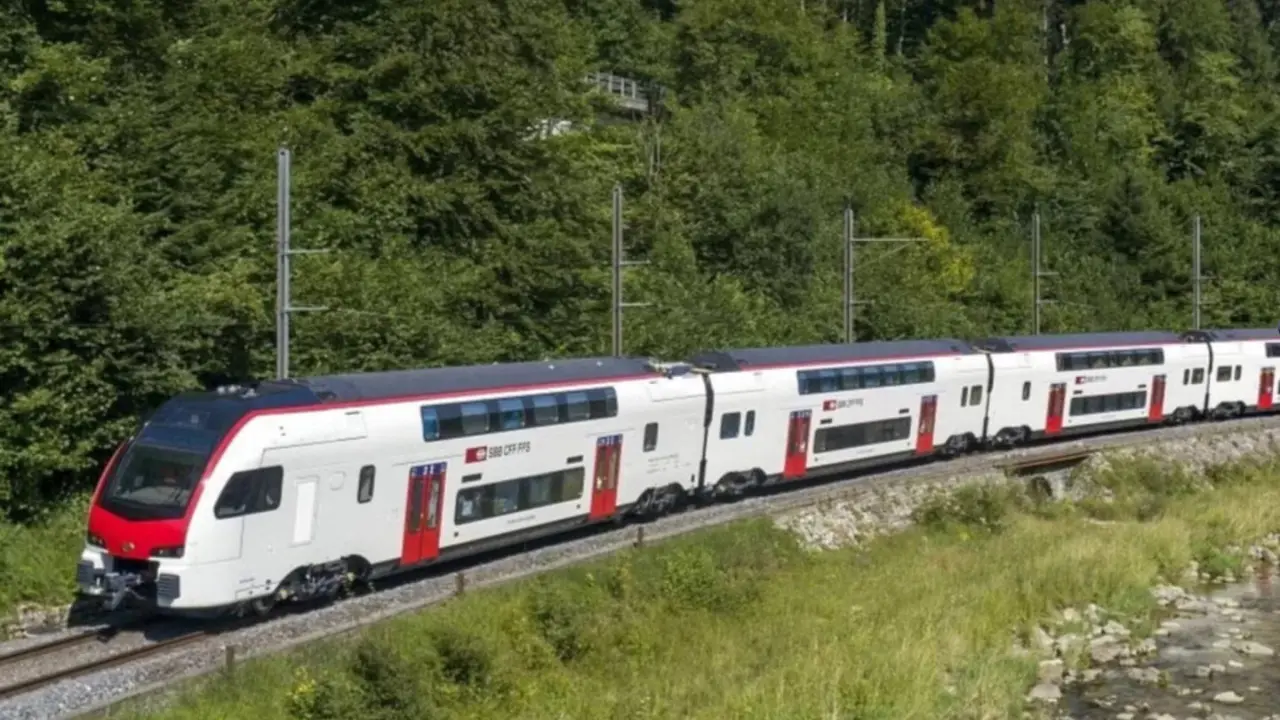
What Are Double-Decker Trains?
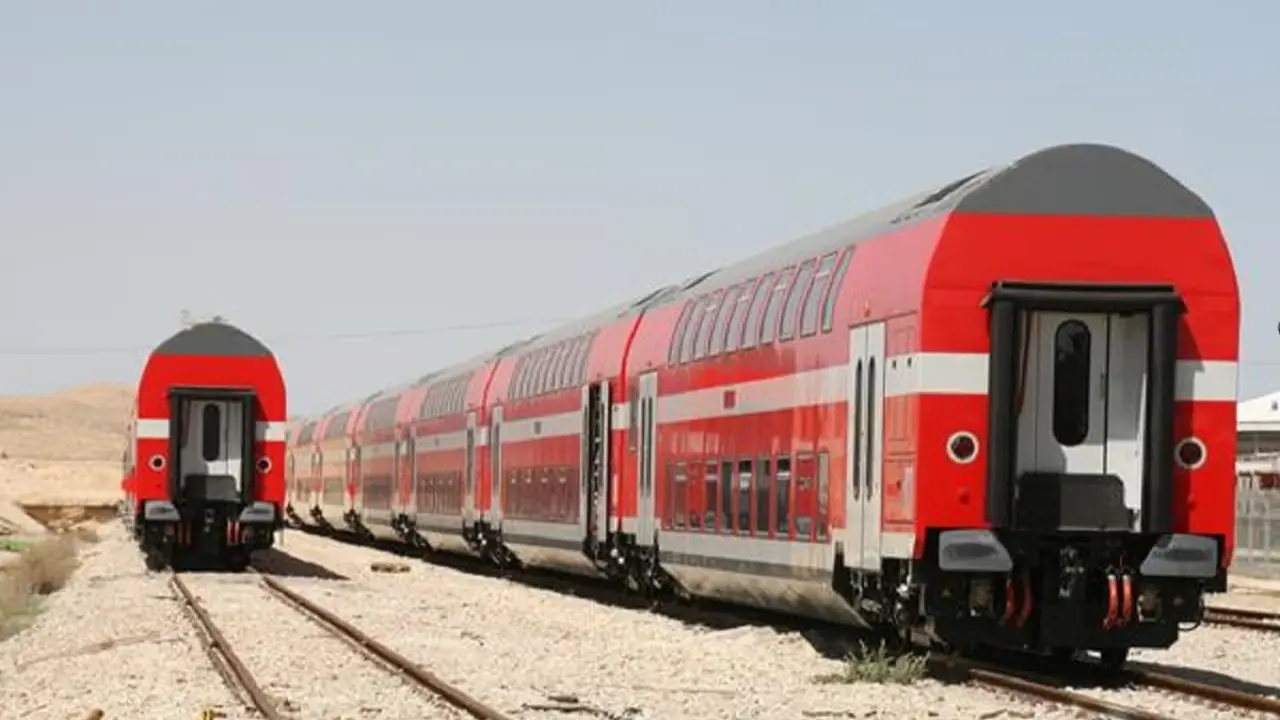
Double-decker trains have two floors for passengers, doubling seating capacity without longer trains. They are especially useful on busy routes needing more seats.
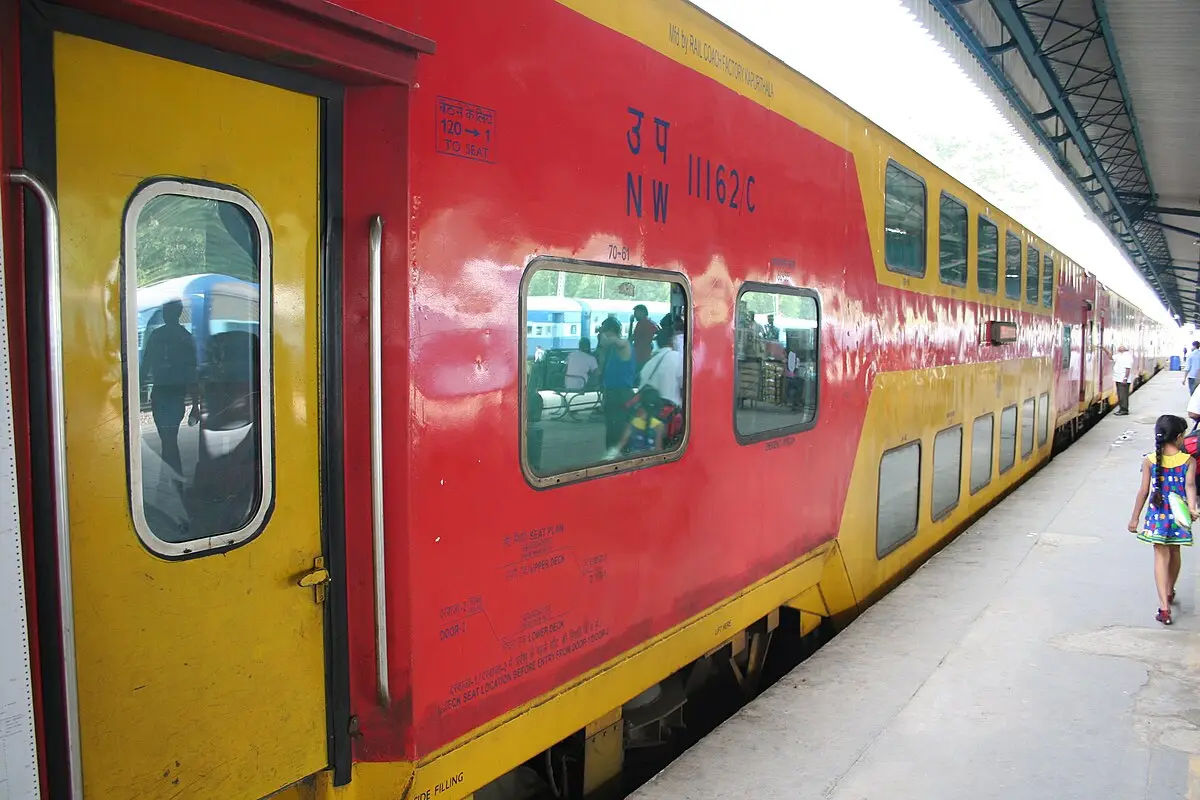
Weight Management
Double-decker coaches are made with lightweight materials like stainless steel. This helps reduce the extra weight of two floors and keeps the train light enough for high speeds.
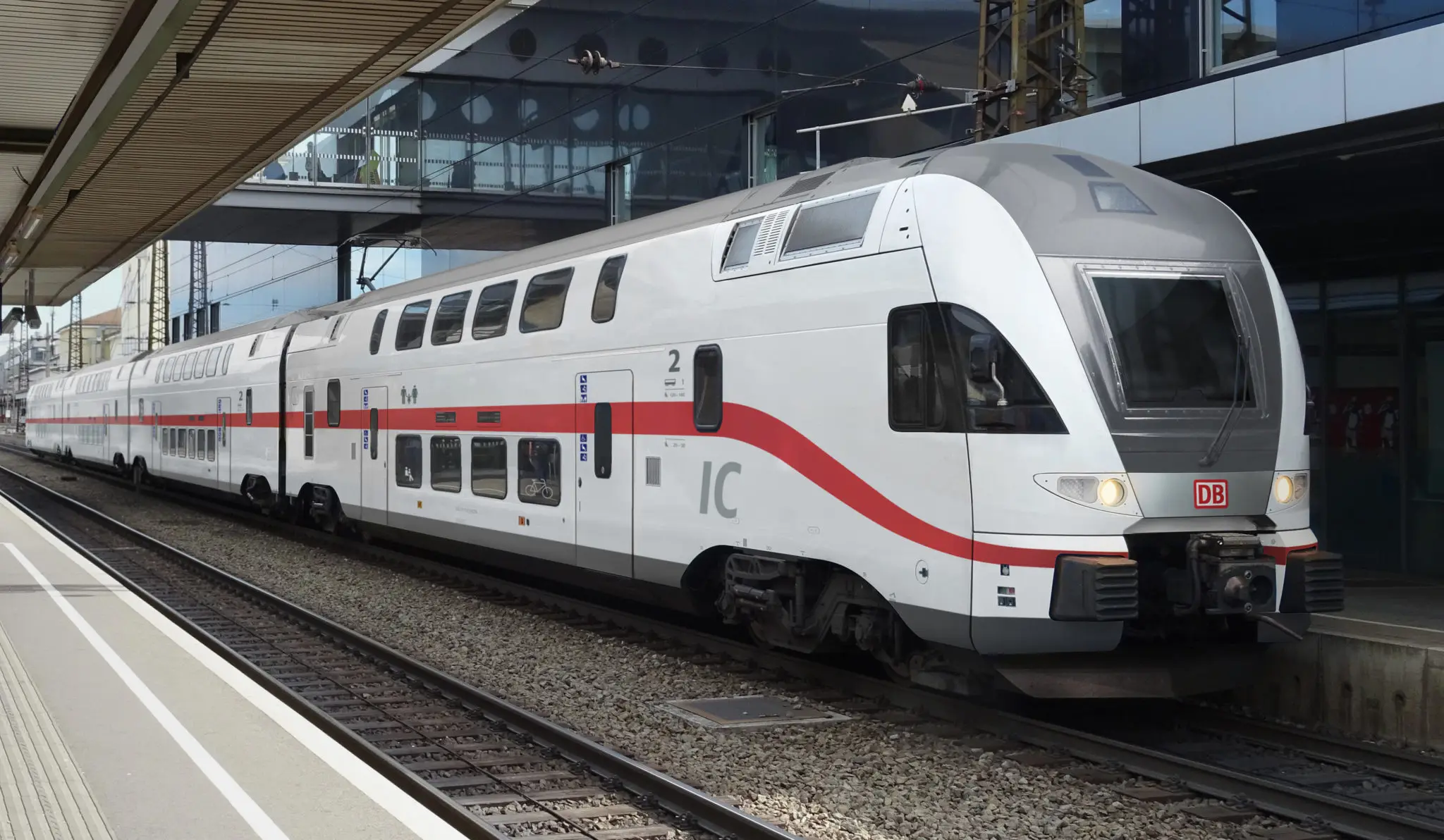
Height and Width Design
Trains are built within loading gauge limits. For example, India’s double-decker coaches have a height of 4,366 mm (compared to regular 4,025 mm) with adequate clearance to pass through tunnels and bridges.
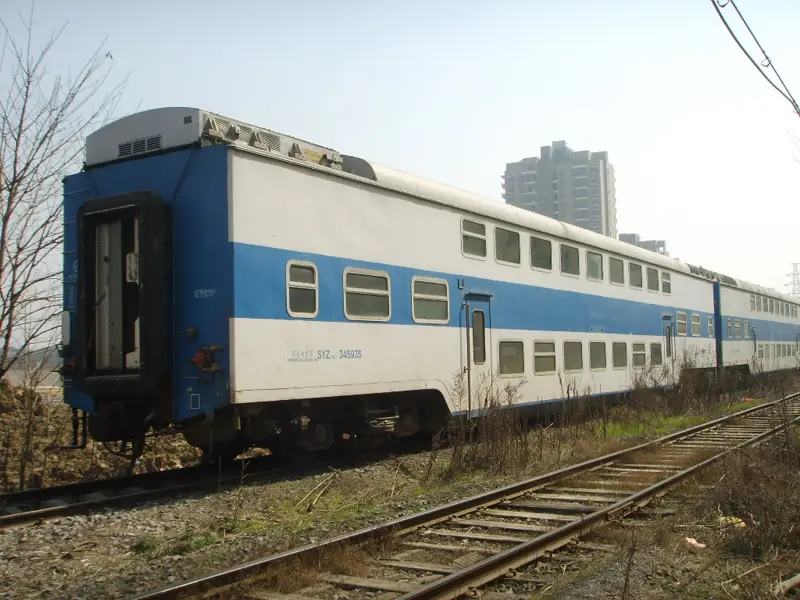
Speed Capability
Modern double-decker trains in India can reach speeds of up to 160 km/h. Efficient engines and smooth suspension systems help these trains maintain speed despite heavier coaches.
Suspension Systems
Double decker trains use advanced air spring suspension, ensuring a smooth ride even at high speeds. This reduces vibration and wear on rails and wheels.
Energy Efficiency
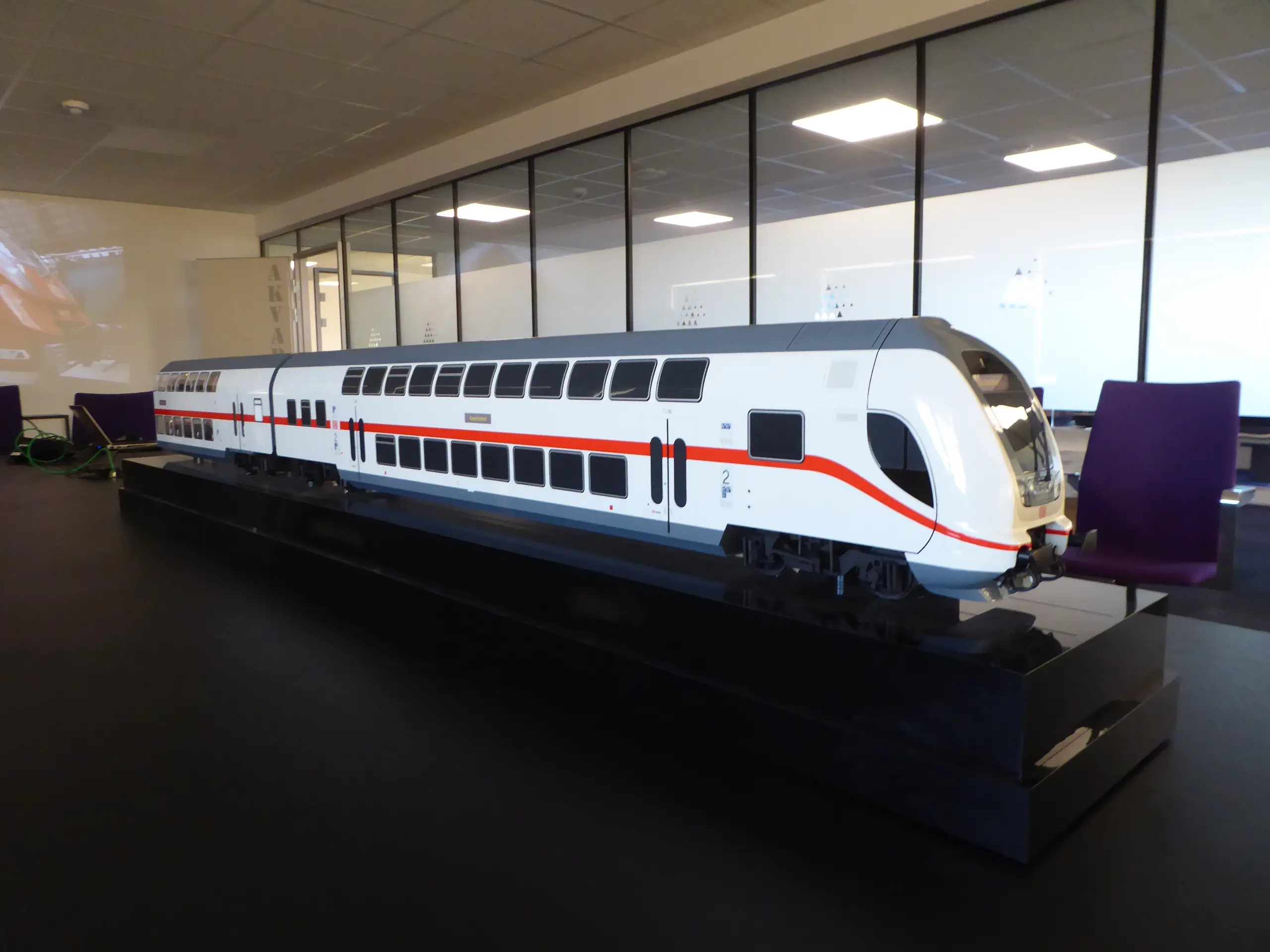
Bombardier’s TWINDEXX double-decker trains use efficient motors and smart designs to consume 50 per cent less energy per seat than traditional trains, balancing power with passenger volume.
Passenger Comfort
Seating arrangements on two floors increase space availability. Features like onboard Wi-Fi, charging points, and climate control are standard to improve travel quality.
)
)
)
)
)