Dollar slides, global markets shaken as Trump threatens tariffs on Europe over Greenland dispute

Investors shifted toward safe-haven assets such as the Japanese yen and the Swiss franc, reflecting a risk-off sentiment following heightened tariff uncertainties, pushing the dollar under pressure across major currency pairs.
Global markets hit by tariff ultimatum
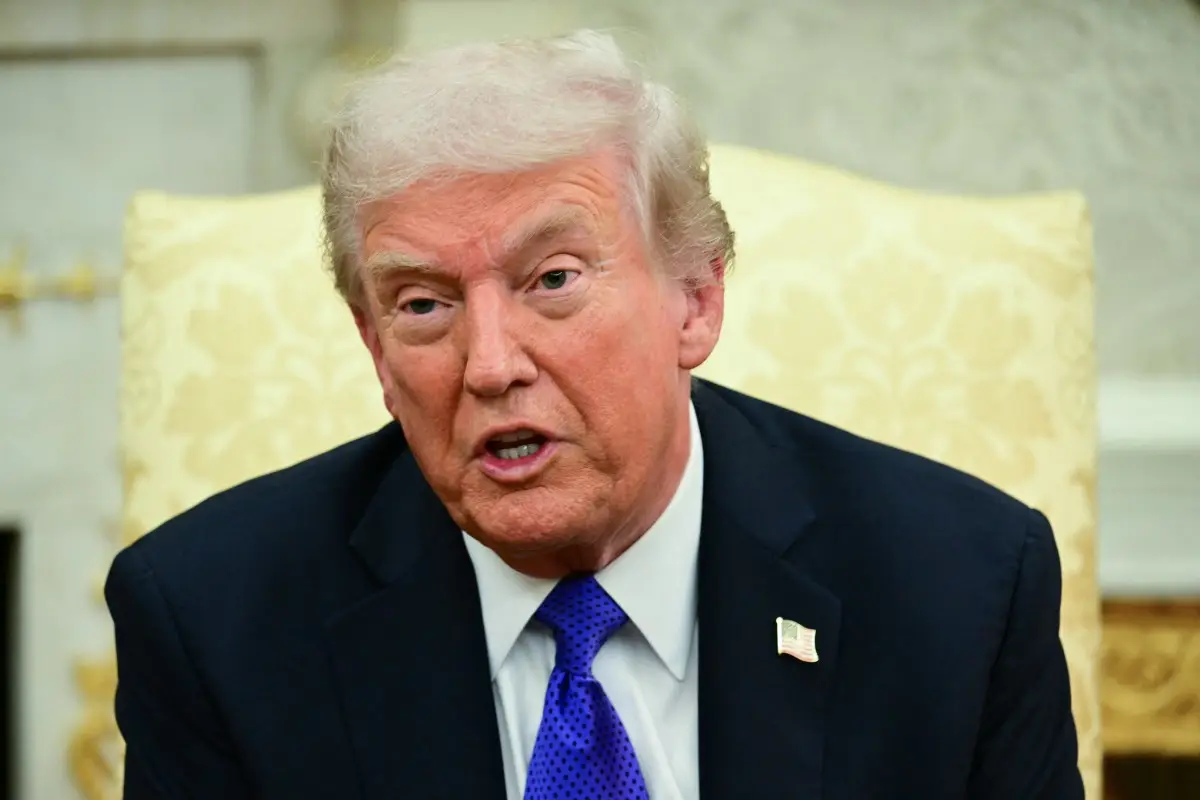
Global financial markets were shaken this weekend after US President Donald Trump announced his plans to levy fresh tariffs on a group of European nations as part of a bid to pressure them over the strategic Arctic territory of Greenland. Trump said a new 10 per cent tariff on imports from Denmark, Norway, Sweden, France, Finland, Germany, the Netherlands and the United Kingdom will take effect from February 1, rising to 25 per cent on June 1 if no agreement is reached to permit the United States to purchase Greenland.
Dollar weakens amid risk-off mood
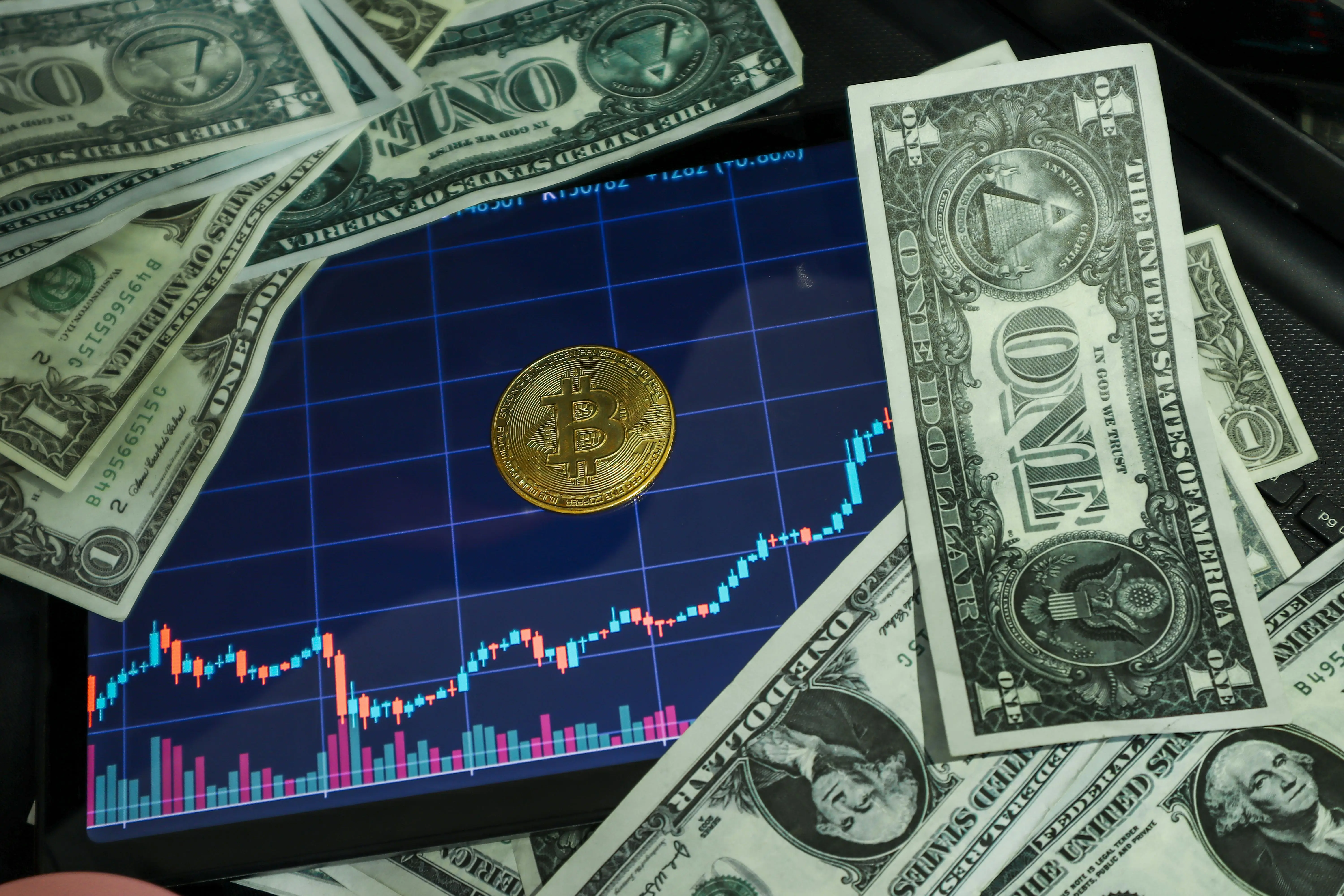
The immediate reaction in precious metals and bonds rallied, stocks were down and the dollar lower in response in Asia trade, as investors grew uneasy about the broader implications for global trade and political risk. According to the Reuters, investors, in a broad risk-averse move shifted toward safe-haven assets such as the Japanese yen and the Swiss franc, reflecting a risk-off sentiment following heightened tariff uncertainties, pushing the dollar under pressure across major currency pairs.
Equity futures slip and flight to safety
With US markets closed for the Martin Luther King Jr. holiday on Monday, the stock futures opened lower. S&P 500 and Dow Jones futures both softened, while early trading in Asia signalled mixed performances across regional indices. US stock futures were 0.7 per cent lower in early Asian hours. The cash Treasury market was shut, but 10-year futures firmed 1 tick, said Reuters.

European currencies and equities respond
In the foreign exchange market, the knee-jerk reaction in early Asia trade was to sell the euro and sterling , pushing the currencies to a seven-week low of $1.1572 and a one-month trough of $1.3321, respectively. As the trading day got underway, both bounced from their lows, however, with the dollar coming under pressure as investors assessed the longer-term implications of Trump's latest move on the greenback. That helped the euro reverse its losses, gaining 0.3 per cent to trade at $1.1634, while the British pound similarly recovered 0.16 per cent to $1.3397. European equity markets remained relatively resilient, with indices such as Germany’s DAX and the UK’s FTSE near record highs ahead of the tariff measures.
Safe-haven assets rally
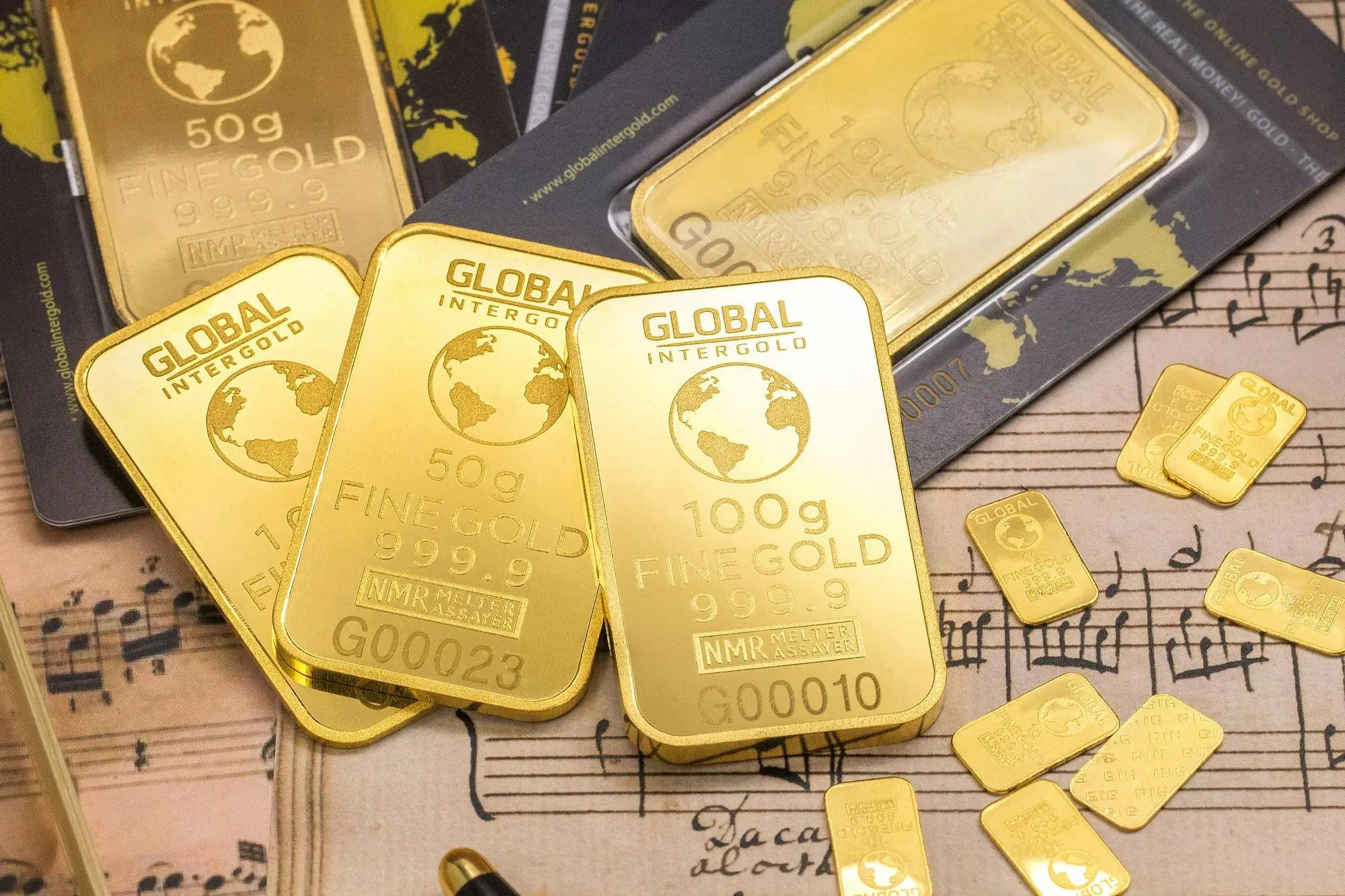
Precious metals strengthened as geopolitical and economic uncertainty rose. Gold climbed to near record levels, benefiting from the risk-off environment that has seen investors seek protective positions. It gained over 1 per cent on Monday to a record of $4,689.39 per ounce. The yellow metal is up nearly 8 per cent in January, after gaining 64 per cent last year, says Reuters. This increase in demand for safe stores of value highlighted broader concerns beyond trade, encompassing geopolitical friction and policy credibility.

Cryptocurrencies
Reuters reported on Monday, that cryptocurrencies, which are often used as a gauge of risk sentiment, were also sold off heavily. Bitcoin was down 3 per cent at $92,563.09, while ether sank more than 4% per cent to $3,200.99.
Broader implications for global risk perception
Analysts, according to Reuters, noted that linking trade policy to geopolitical aims, especially one involving Greenland, could reshape investors’ assessments of political risk and asset allocation. The World Economic Forum's annual risk perception survey, released before its annual meeting in Davos next week, which will be attended by Trump, identified economic confrontation between nations as the number one concern replacing armed conflict.
)
)
)
)
)