Does your car use more fuel during the summer?

Summer heat naturally improves engine efficiency and reduces aerodynamic drag. However, running the air conditioning can increase fuel consumption by up to 25 per cent, making summer driving highly expensive if not managed properly.
Warm weather efficiency
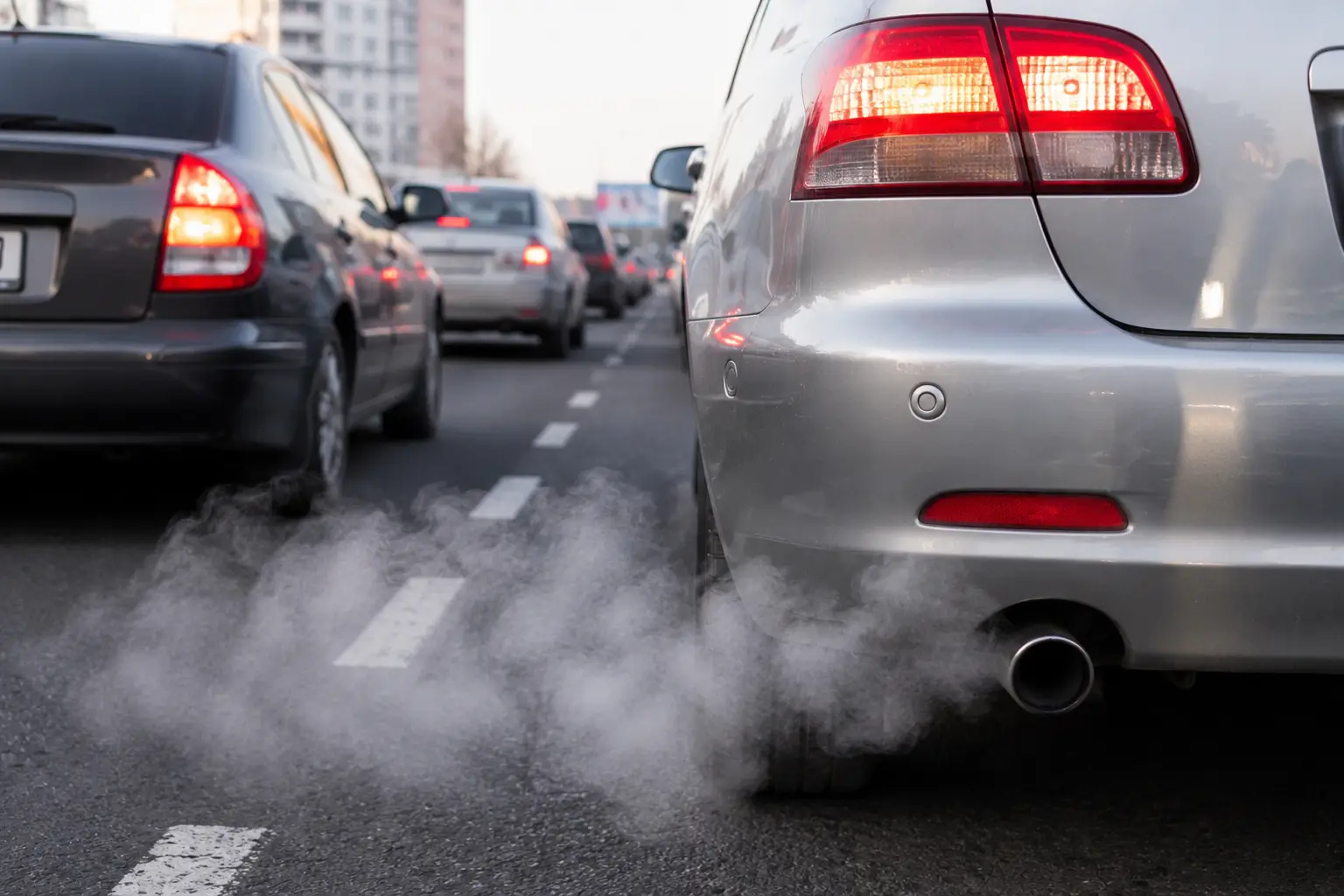
Summer temperatures actually help your car run more efficiently. Transport researchers note that warm engines reach their optimal operating temperature much faster, greatly reducing initial fuel waste during short trips.

Thinner air, less drag
Hot summer air is physically less dense than freezing winter air. Automotive engineers explain this lower air density creates less aerodynamic drag, allowing the car to cut through the air using less fuel.

The air conditioning penalty
Despite the natural efficiency of summer heat, using the air conditioning heavily ruins fuel economy. According to the US Department of Energy, running the AC in extremely hot weather reduces fuel efficiency by up to 25 per cent.
The idling trap
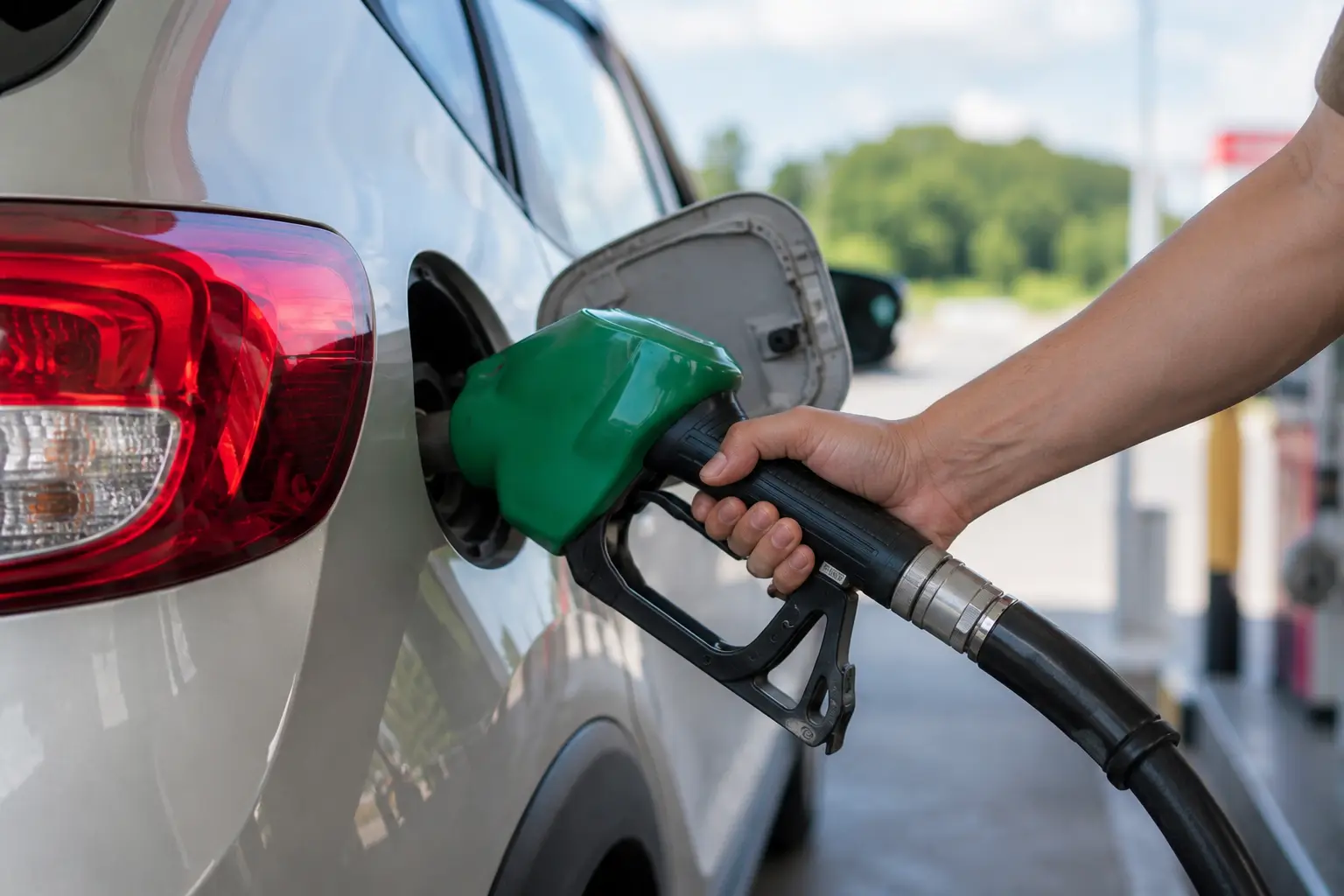
Drivers often leave their engines running to cool the cabin before getting in. The Energy Saving Trust warns that this stationary idling wastes roughly one to two litres of fuel per hour without moving an inch.
Windows down vs AC
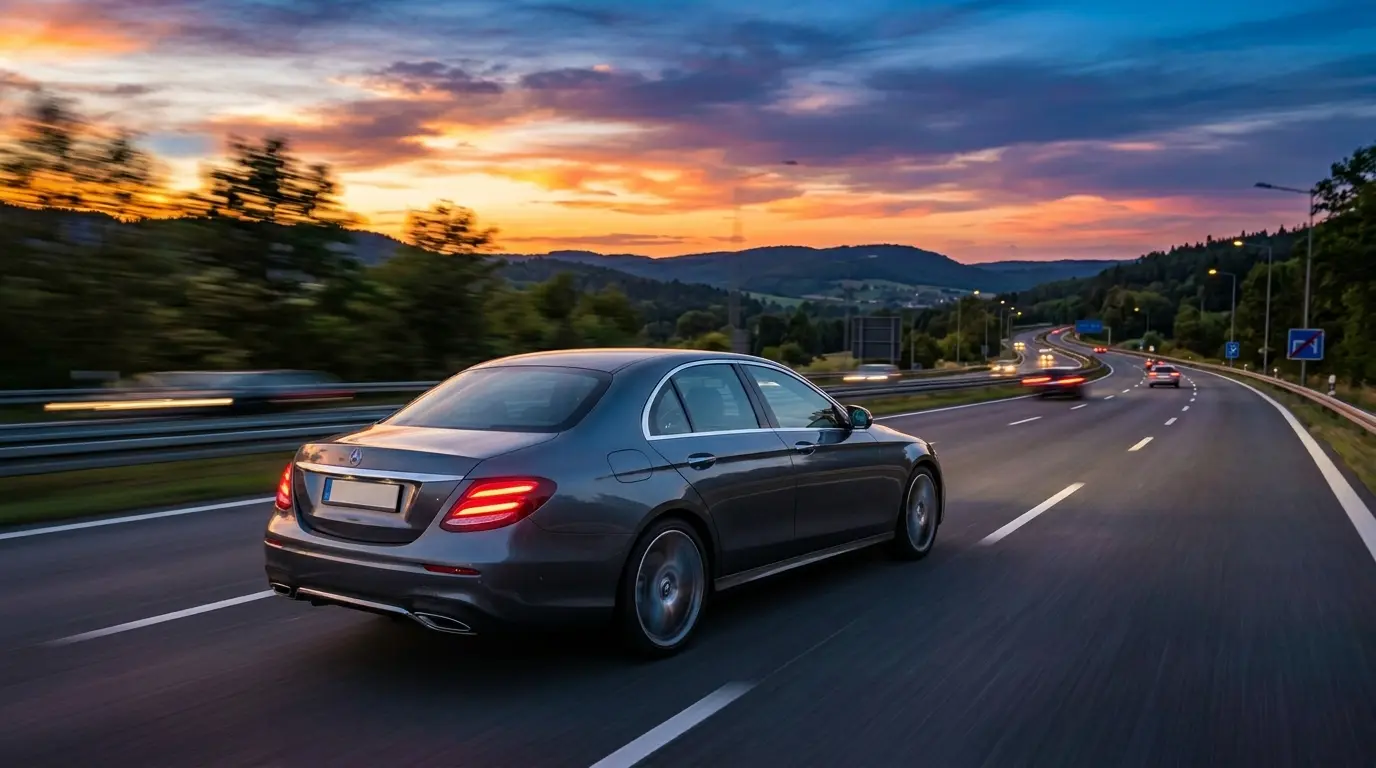
Driving with windows down at low city speeds saves fuel compared to using the AC. However, the Society of Automotive Engineers confirms that at highway speeds, open windows create massive aerodynamic drag that burns even more petrol.
Summer tyre pressure
Intense heat causes the air inside your tyres to expand, which can actually decrease rolling resistance. However, motoring experts at the AA advise checking pressures regularly, as over-inflated tyres pose a severe blowout risk.
Parking in the shade
Keeping the cabin cool while parked reduces the initial workload on your AC system. Transport authorities recommend parking in shaded areas or using sunshades to minimise cabin heat and save fuel upon startup.
)
)
)
)
)