Does turning off the radio and headlights actually save fuel?

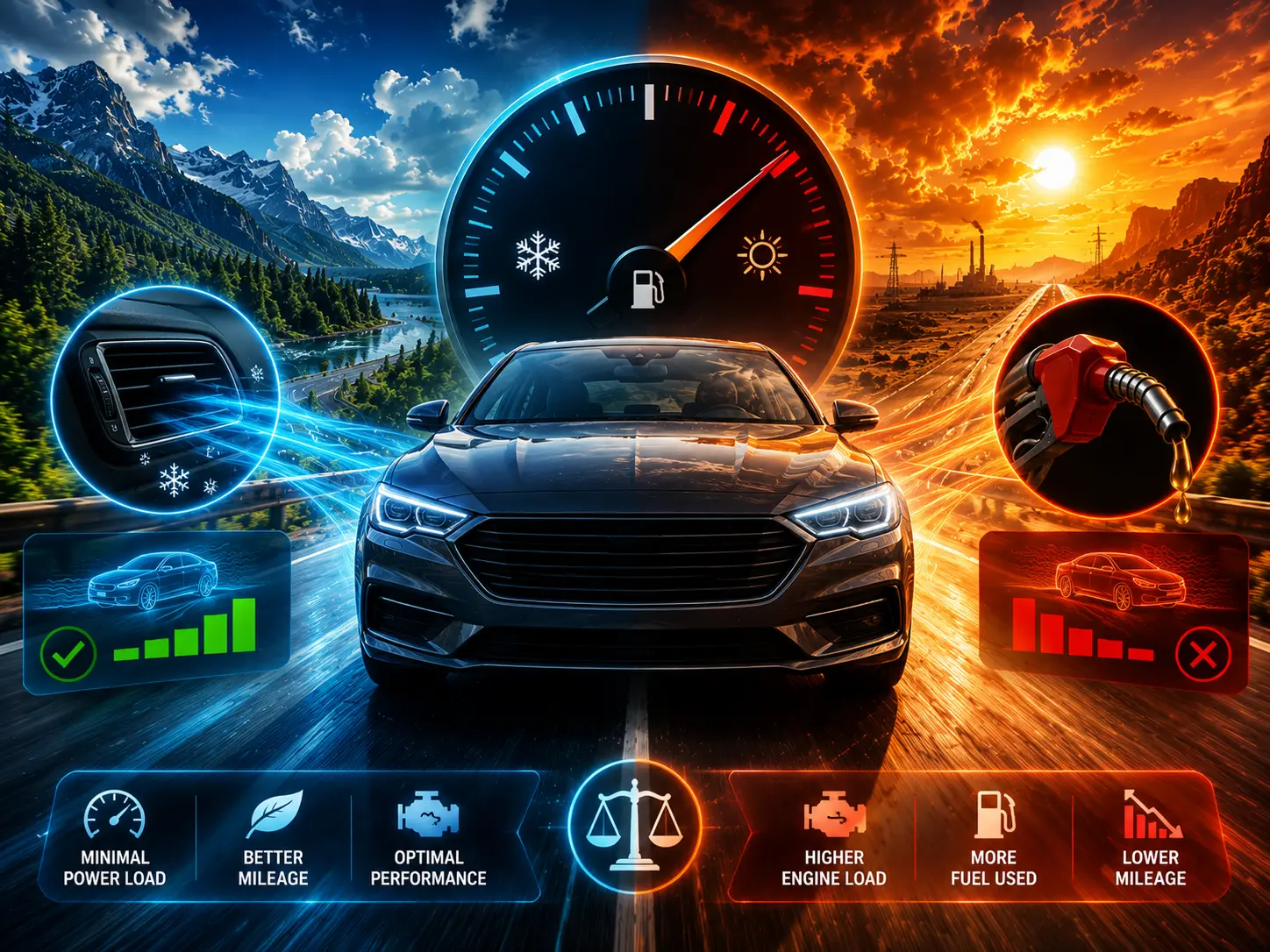
Turning off your car radio and headlights technically saves fuel, but the amount is negligible. Headlights reduce efficiency by just one per cent, while the stereo draws minimal power.
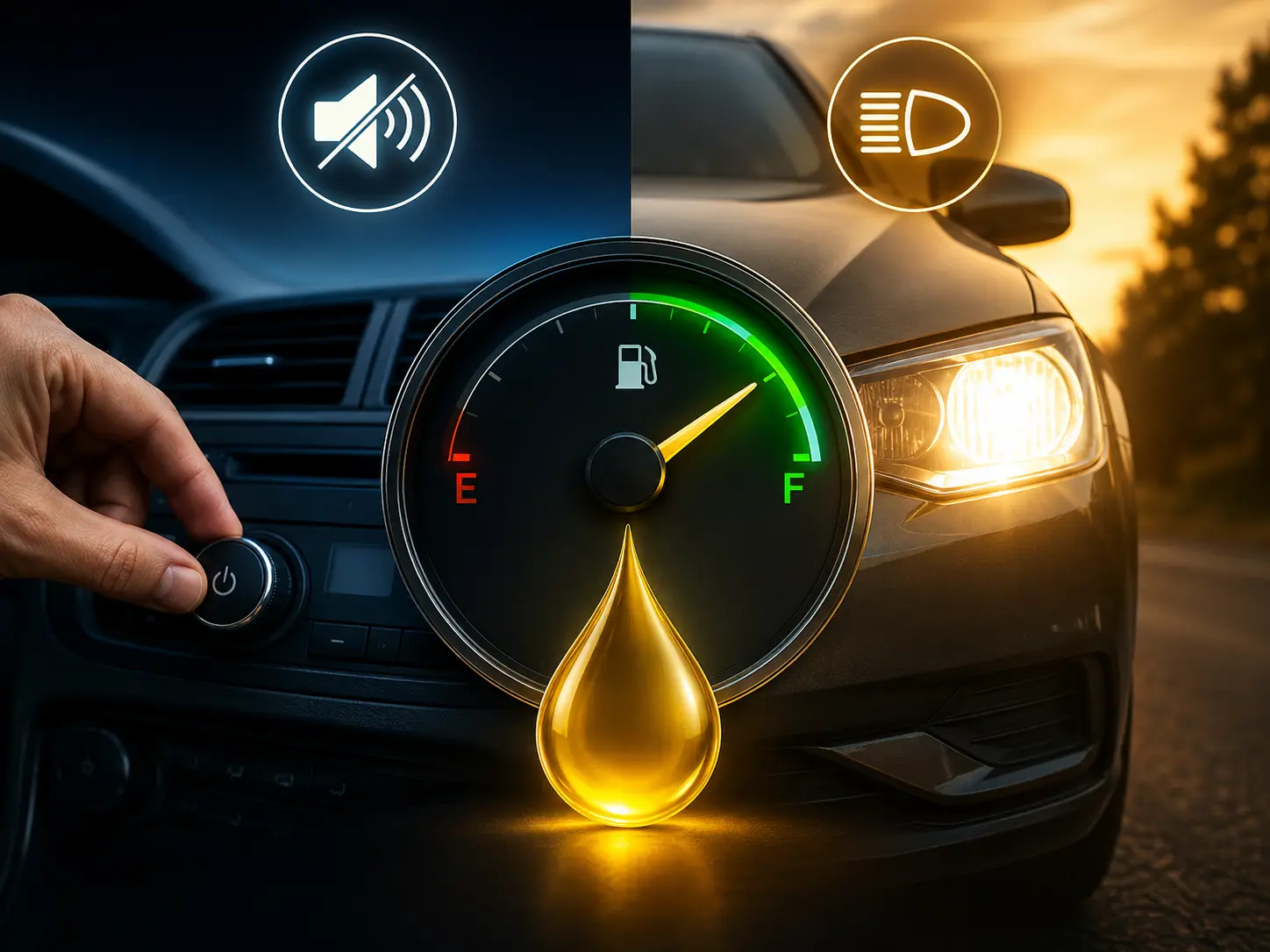
12-Volt Alternator Load
Your vehicle's 12-volt alternator supplies all electrical power by drawing mechanical energy directly from the engine. Turning on electronic accessories creates physical resistance, forcing the engine to work slightly harder and burn more fuel.
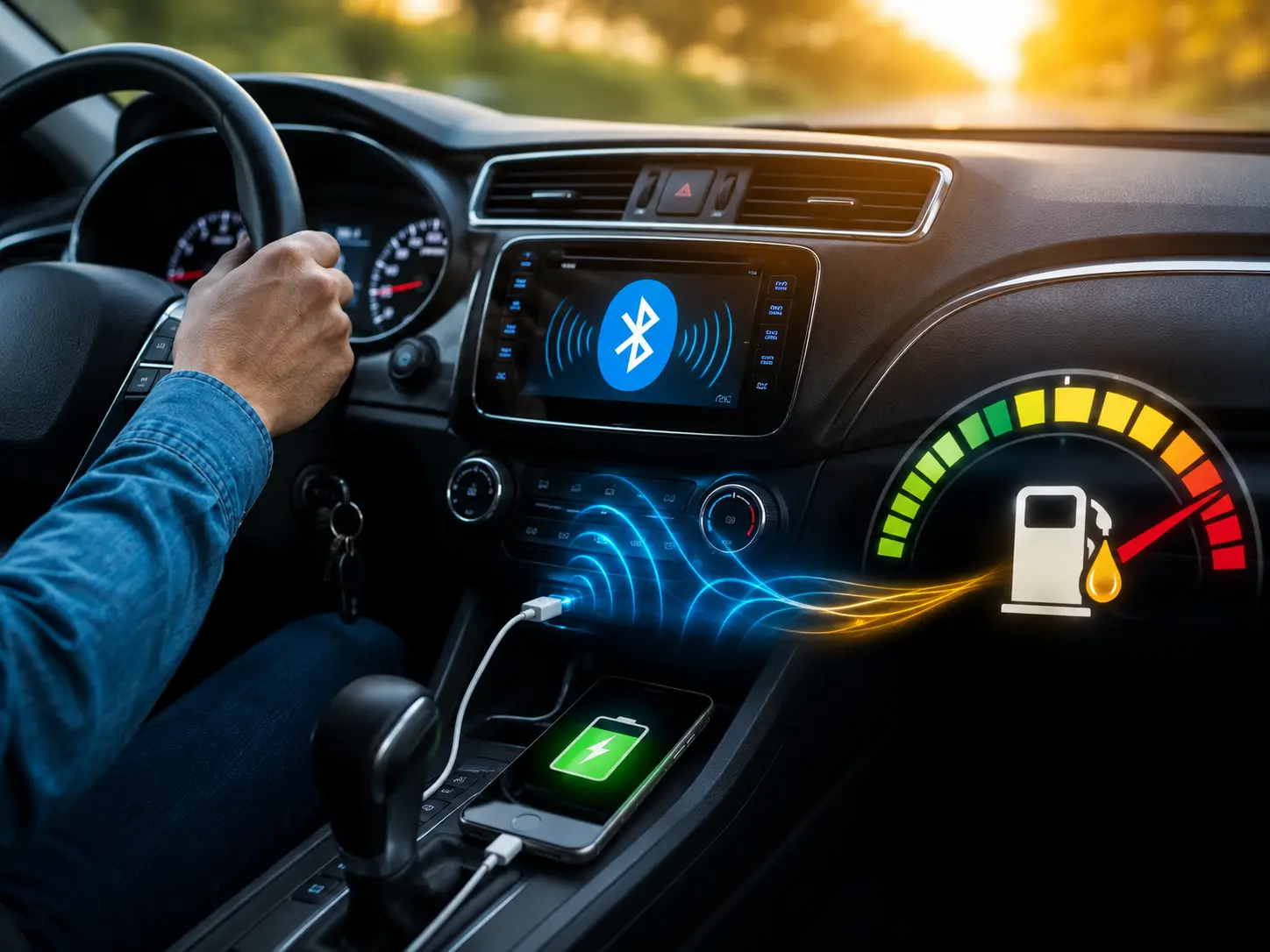
Just 20 Watts for Audio
A standard car radio consumes roughly 20 to 40 watts of electrical power when playing music. Because this energy requirement is so incredibly small, playing the stereo makes absolutely no measurable difference to your fuel efficiency.
110 Watts for Halogens
Traditional halogen headlights usually consume around 55 watts each, totalling 110 watts for a pair. When adding marker and taillights, the entire lighting system draws about 200 watts of power from the vehicle's alternator.
One Per Cent Fuel Drop
Driving with your headlights constantly turned on does reduce your mileage, but the penalty is extremely small. Studies indicate that running standard daytime running lights lowers overall fuel efficiency by just 0.5 to 1.5 per cent.
15,000 Watts to Cruise
To put these electrical loads into perspective, an average car requires roughly 15,000 watts of mechanical power just to maintain highway speeds. Compared to the engine's massive output, an extra 100 watts for lights is virtually unnoticeable.
Under Rs 250 a Year
The financial impact of turning off these accessories is completely negligible. Estimates show that running daytime lights costs an average driver just a few dollars, or under Rs 250, in extra fuel for an entire year.
100 Per Cent Road Safety
While keeping the headlights and radio off technically saves a microscopic amount of petrol, the financial benefits are meaningless. Operating with proper lighting prevents accidents, meaning you should always prioritise 100 per cent road safety over tiny fuel savings.
)
)
)
)
)