Running on low fuel: Can it really damage your car?

Driving on an empty tank deprives the fuel pump of liquid cooling, causing it to overheat and fail. It also forces debris into the engine, leading to extremely expensive repair bills.
100 per cent submerged
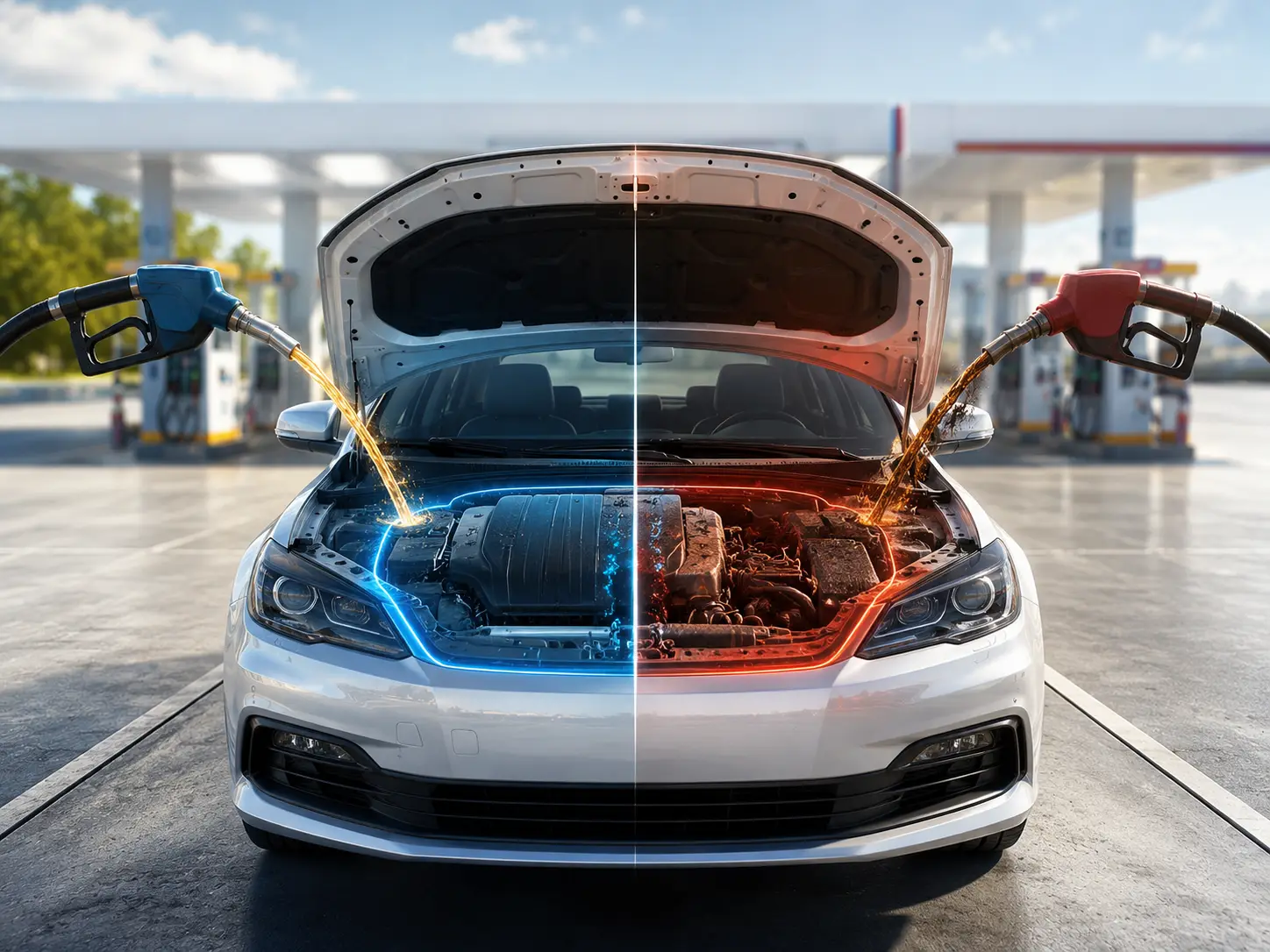
Modern electric fuel pumps are designed to remain entirely submerged within the vehicle's petrol tank. The liquid fuel actively serves as a vital coolant and lubricant for the internal motor components. Keeping the pump fully covered prevents dangerous friction and wear during your daily commute.
Zero liquid coolant
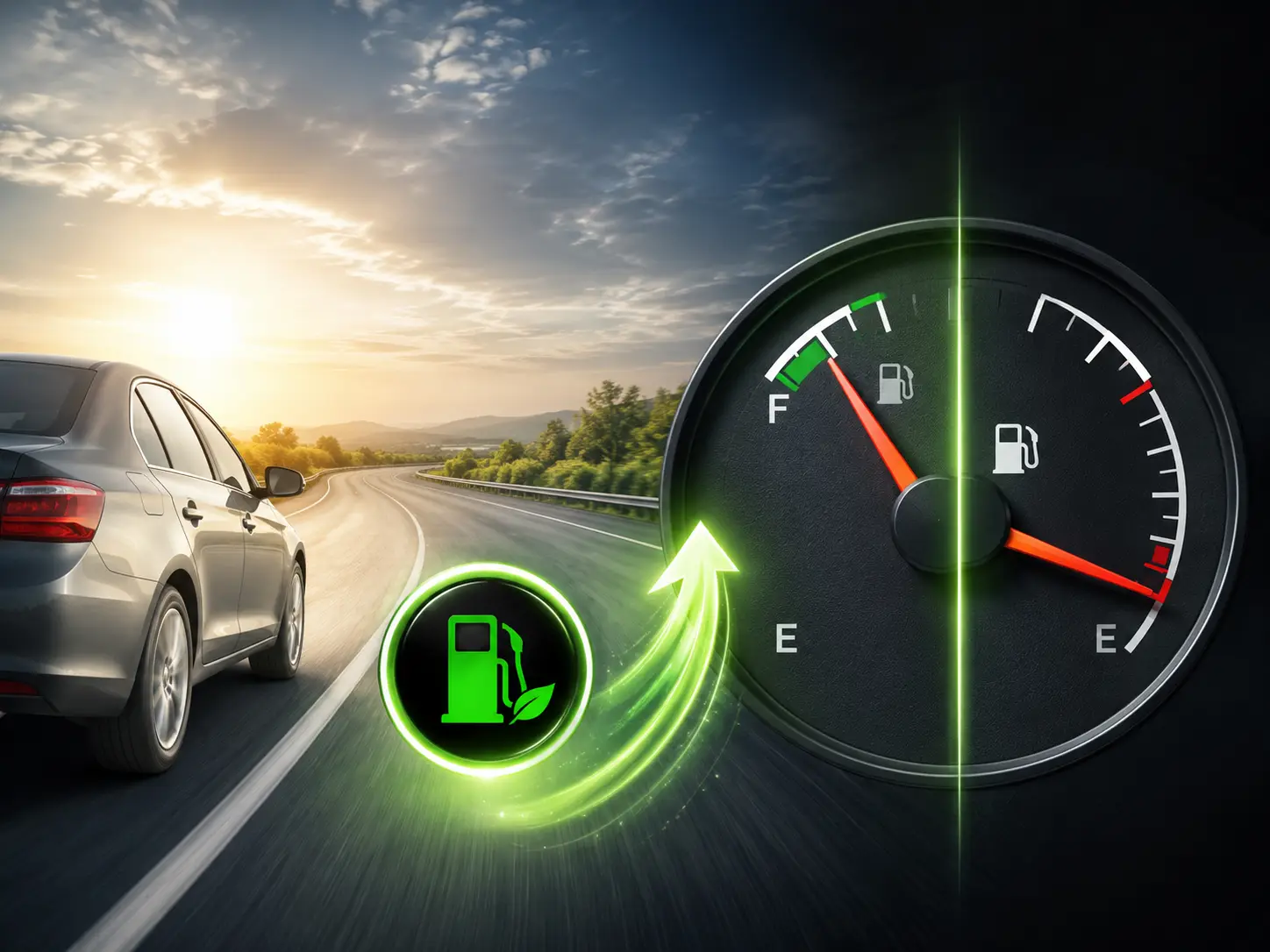
When the internal fuel level drops dramatically, the pump is suddenly exposed to open air. Air is a significantly less effective coolant than liquid petrol, causing the electric motor to heat up rapidly. Without adequate cooling, the sensitive internal windings can eventually melt and fail completely.

1 major debris risk
While fuel pumps always draw from the bottom of the tank, critically low fuel levels cause the remaining liquid to slosh violently, stirring up years of settled dirt and metal flakes. With far less clean petrol to dilute this sediment, a highly concentrated wave of debris hits the primary filter all at once. Sucking in this thick grime can quickly overwhelm and destroy the delicate internal mechanisms of the pump.
100 per cent clogged
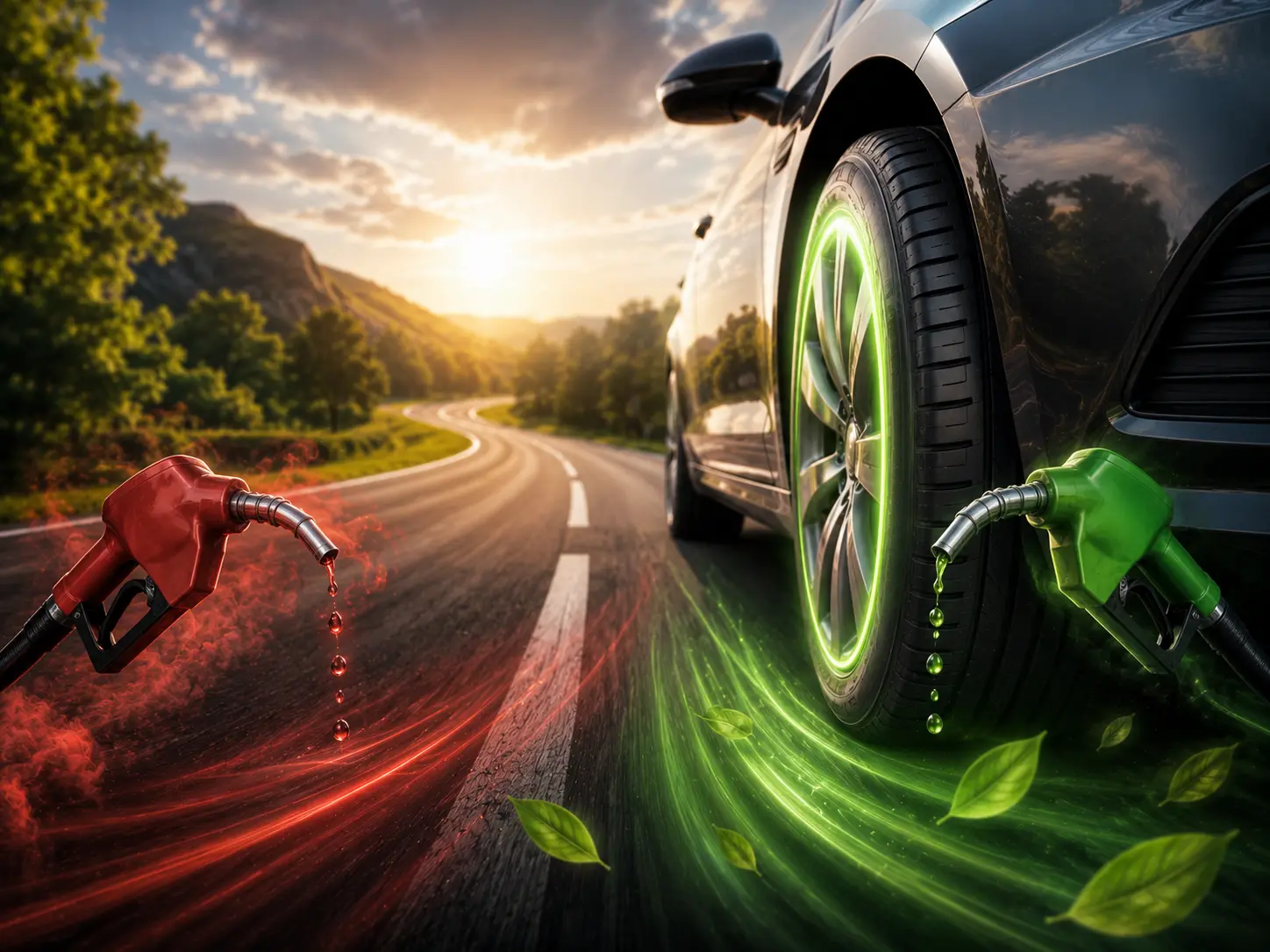
The sediment pulled from an empty tank does not just damage the primary pump. It travels forcefully through the system and aggressively clogs the secondary filters and delicate engine injectors. Blocked injectors inevitably result in a sudden loss of power and incredibly poor engine performance.

3 common warning signs
A damaged fuel pump will often produce a high-pitched whining noise from the rear tank area. Drivers may also experience sudden stalling, random misfires, or noticeable difficulty starting the vehicle. These major symptoms indicate that the internal system is struggling to maintain proper pressure.