Does regular servicing actually improve your car’s fuel economy?

A well-maintained engine can improve your car's fuel efficiency by up to 20 per cent, proving that routine servicing is a direct investment in lower daily running costs.

The overall efficiency boost
A badly maintained vehicle must work harder to move, burning excess petrol. Motoring authorities like the AA note that sticking to a strict service schedule can improve your overall fuel economy by up to 20 per cent.
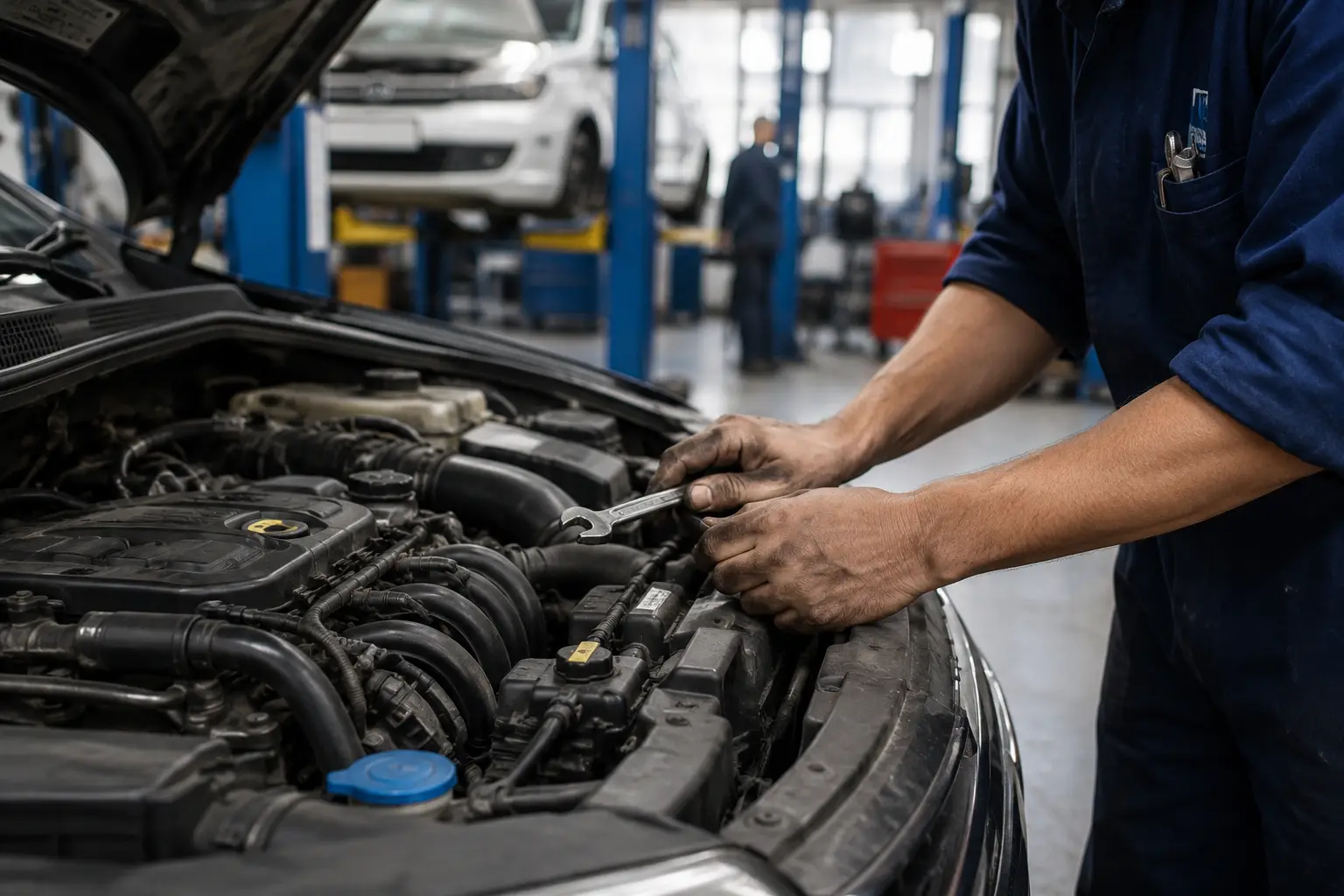
The role of clean engine oil
Degraded, sludgy oil increases internal engine friction. During a service, mechanics replace this with fresh, high-quality oil, which allows internal components to move smoothly and drastically reduces fuel consumption.
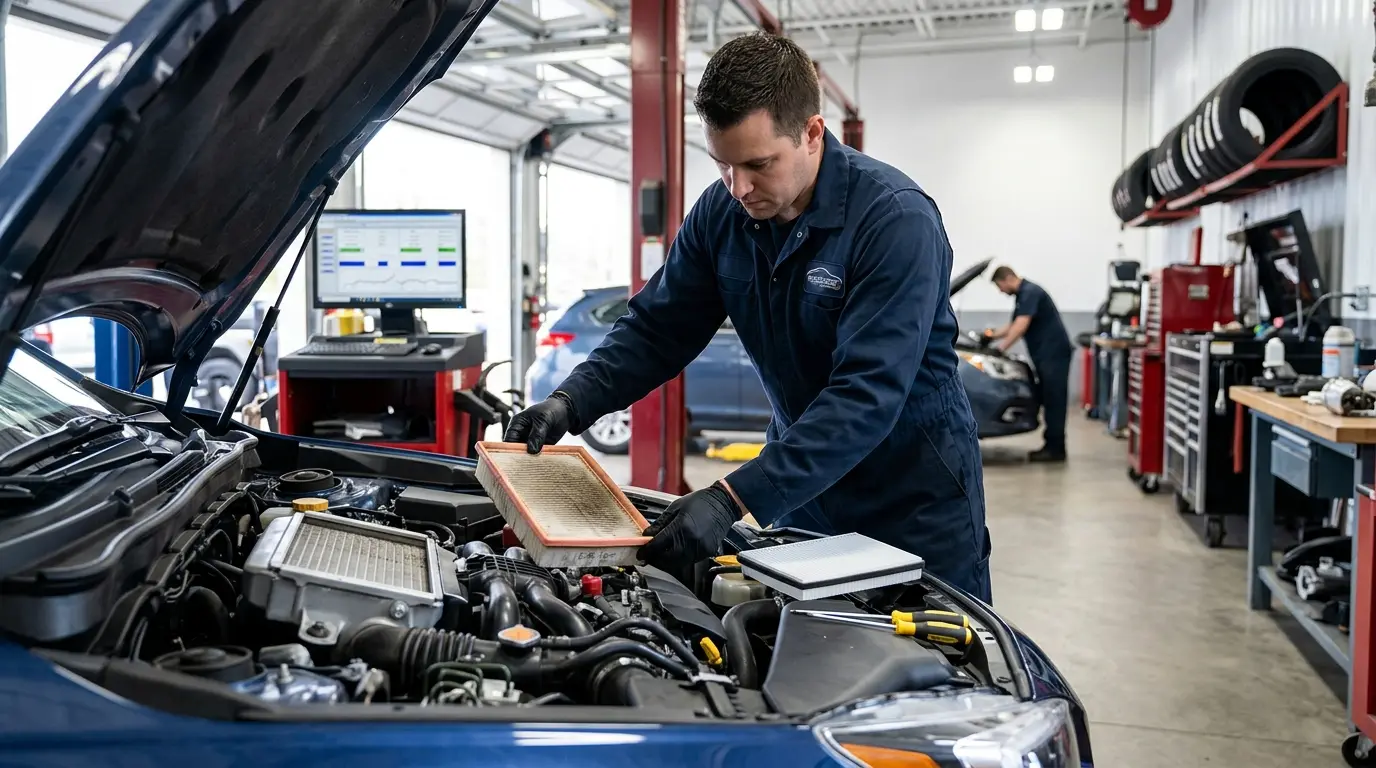
Replacing clogged air filters
An engine requires a precise mixture of oxygen and fuel to burn efficiently. Transport engineers explain that replacing a dirty air filter ensures maximum airflow, preventing the engine from compensating with extra petrol.

Fixing faulty oxygen sensors
Modern cars rely on sensors to regulate their fuel-to-air ratio. The US Department of Energy states that replacing a severely degraded oxygen sensor can instantly improve a vehicle's mileage by up to 40 per cent.

Spark plugs and combustion
Worn or dirty spark plugs cause the engine to misfire, leaving fuel unburnt. Routine servicing replaces these vital components, ensuring every drop of fuel is efficiently converted into mechanical energy.

Tyre pressure impact
While often overlooked, under-inflated tyres create massive rolling resistance. Mechanics ensure tyres are inflated to exact manufacturer specifications during a service, which can boost fuel economy by around 3 per cent.

Brake drag and alignment
Sticking brake calipers or poor wheel alignment forces the engine to drag the car forward. A comprehensive service resolves these mechanical friction issues, ensuring the vehicle glides effortlessly and saves fuel.
)
)
)
)
)