Does premium petrol really improve fuel economy?

While premium petrol can offer a 1 to 2 per cent efficiency boost in high-performance vehicles, automotive experts confirm it provides almost no mileage benefit for standard everyday cars.
The octane difference
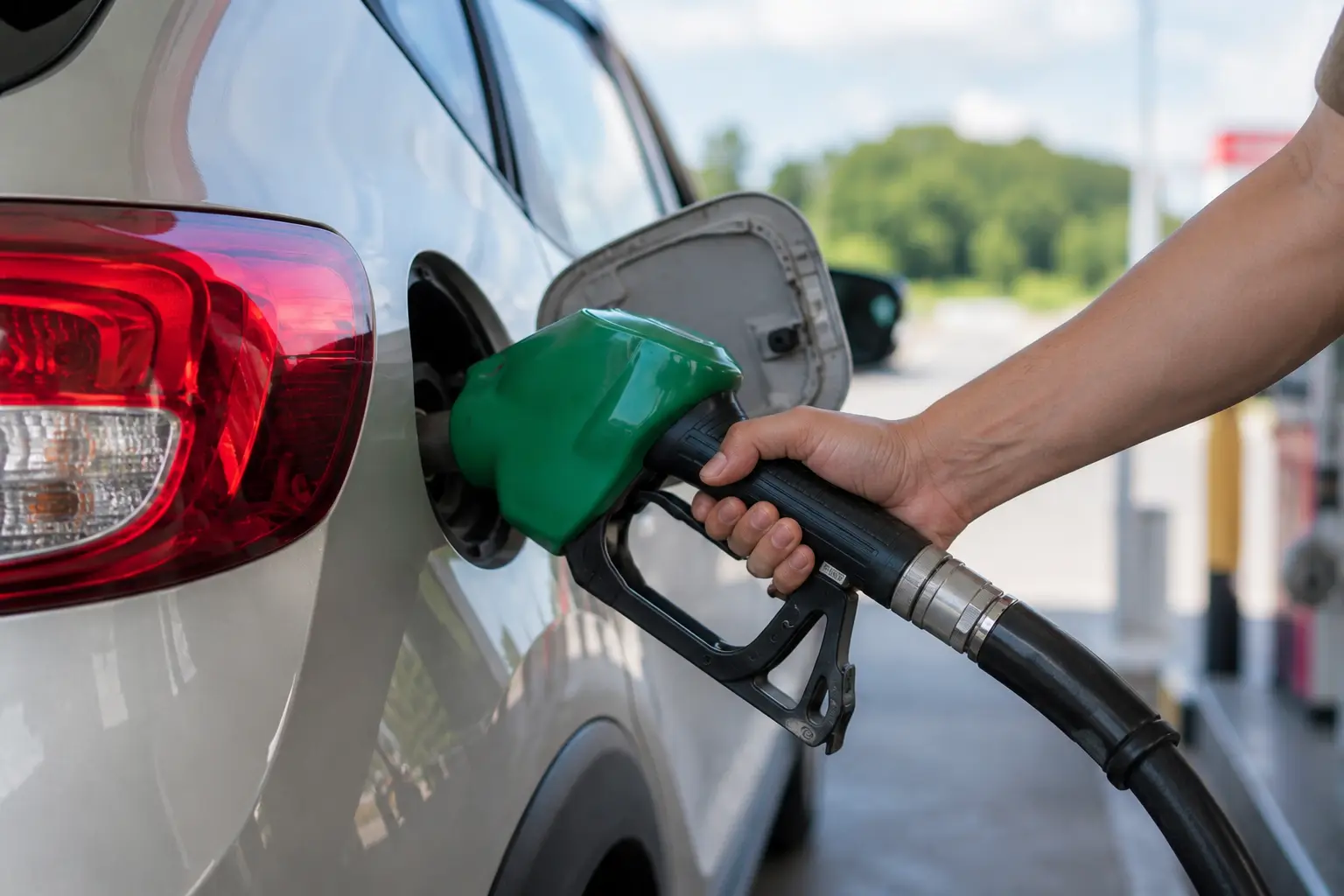
Premium petrol typically boasts a Research Octane Number of 97 or higher, compared to 95 for standard unleaded. The AA notes this higher rating simply means the fuel can withstand greater compression before igniting.
Built for high performance
Sports cars and heavy-duty vehicles with turbocharged engines are specifically tuned for high-octane fuel. According to the RAC, using premium petrol in these specific cars can slightly improve both engine power and fuel efficiency.

Standard cars see little benefit
For the vast majority of standard family hatchbacks and saloons, premium fuel offers minimal advantages. Consumer testing by Which? reveals that running a standard engine on high-octane petrol yields almost zero improvement in daily mileage.
The 2 per cent illusion
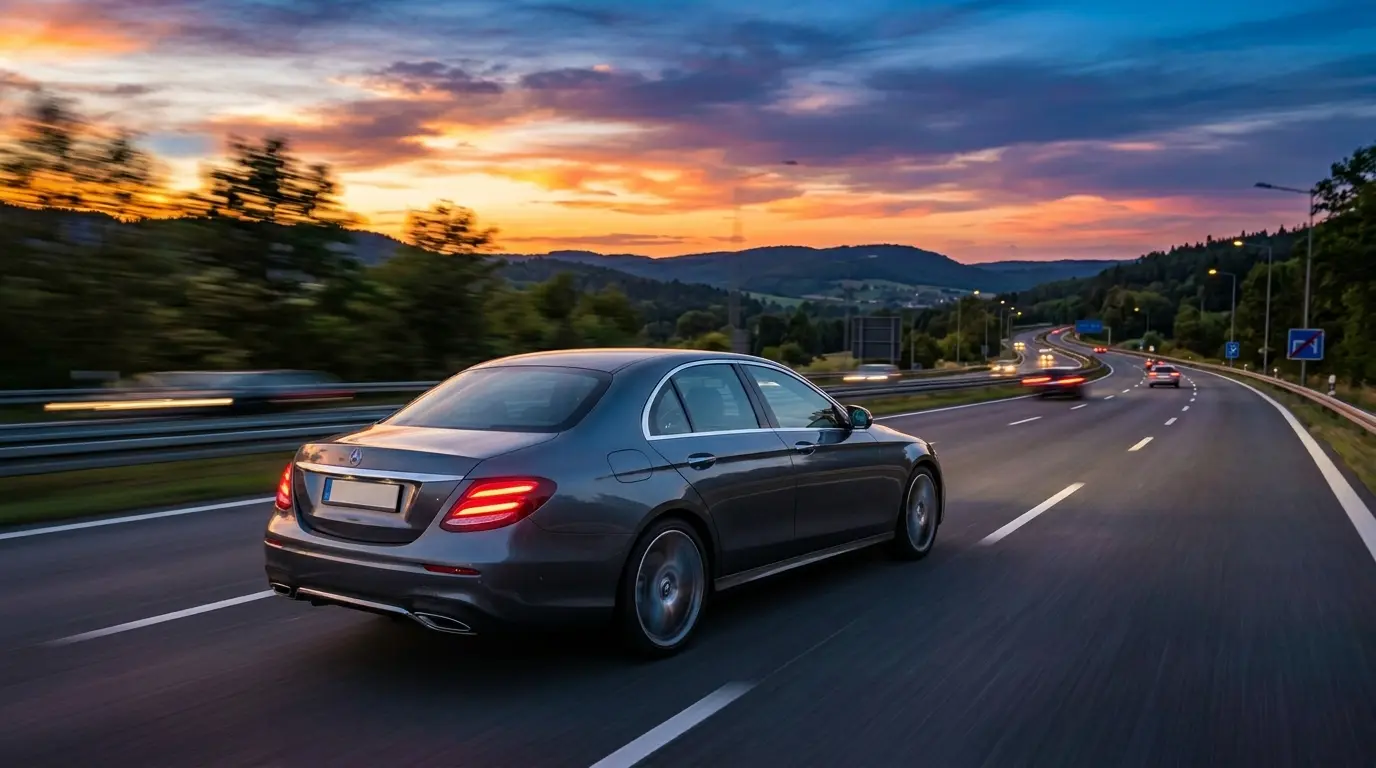
Even in ideal testing conditions, standard engines only see a maximum efficiency gain of 1 to 2 per cent with premium fuel. Financial analysts point out this tiny increase is entirely cancelled out by the much higher price at the pump.

Engine cleaning additives
One genuine benefit of premium fuel is the inclusion of advanced chemical detergents. Transport engineers explain these additives help clean engine valves over time, which can restore lost efficiency in older, heavily carbon-fouled engines.

Check your owner's manual
The easiest way to know what fuel to use is checking the manufacturer's handbook. If the manual strictly recommends standard 95-octane unleaded, automotive experts agree that spending more on premium fuel is a waste of money.
Better ways to save fuel
Instead of buying expensive petrol, drivers can improve mileage through better habits. The Energy Saving Trust states that simply checking tyre pressures and driving at a steady 50 to 60 mph saves far more fuel than upgrading to premium unleaded.
)
)
)
)
)