Does petrol freeze in extremely cold temperatures?

Petrol never fully freezes but thickens at -40°C to -60°C. Diesel struggles much sooner, turning cloudy at 32°F and gelling at 10-15°F when wax hardens and blocks filters. Winter additives prevent gelling, and mixing kerosene helps diesel keep flowing even in -40°C cold.

Petrol Versus Diesel In Cold
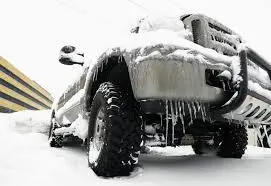
Petrol behaves differently than diesel in extreme cold. Petrol remains somewhat liquid even at -40°C to -60°C. Diesel becomes problematic much earlier. Diesel clouds and gels at much warmer temperatures. This is why diesel vehicles struggle in winter and petrol cars perform better.

When Diesel Starts Looking Cloudy
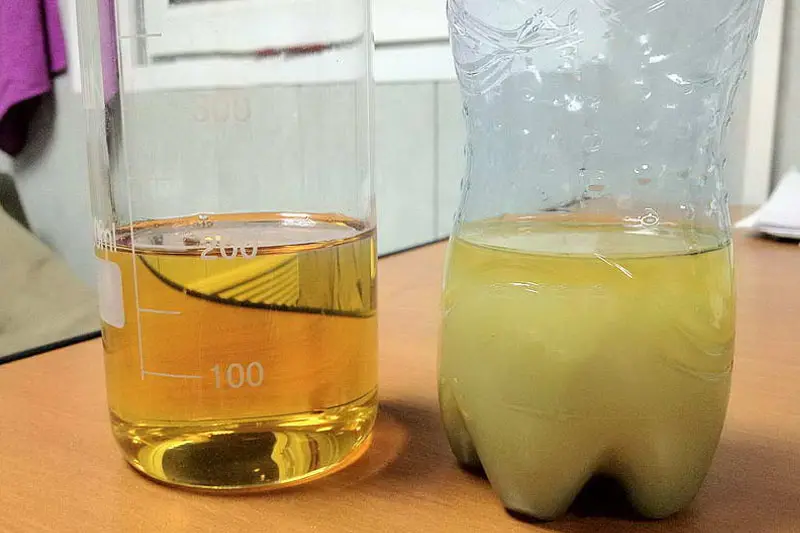
Diesel fuel begins changing at 32°F (0°C). This is the cloud point. Wax crystals form in the fuel. The fuel looks cloudy like someone dropped milk in it. The fuel still flows at this temperature. But problems are beginning to develop.

The Gel Point: Total Breakdown
Diesel reaches gel point at 10 to 15 degrees Fahrenheit. At this temperature, the fuel thickens into sludge. The fuel cannot flow through fuel lines or filters. Vehicles simply will not start. The fuel system completely freezes with thickened fuel blocking all passages.
Role of The Paraffin Wax
Diesel contains paraffin wax. When cold, this wax crystallizes into solid particles. These particles block fuel filters. The fuel pump cannot push fuel through clogged filters. The engine receives no fuel. The vehicle stops running completely.
Winter Diesel Additives Solve The Problem
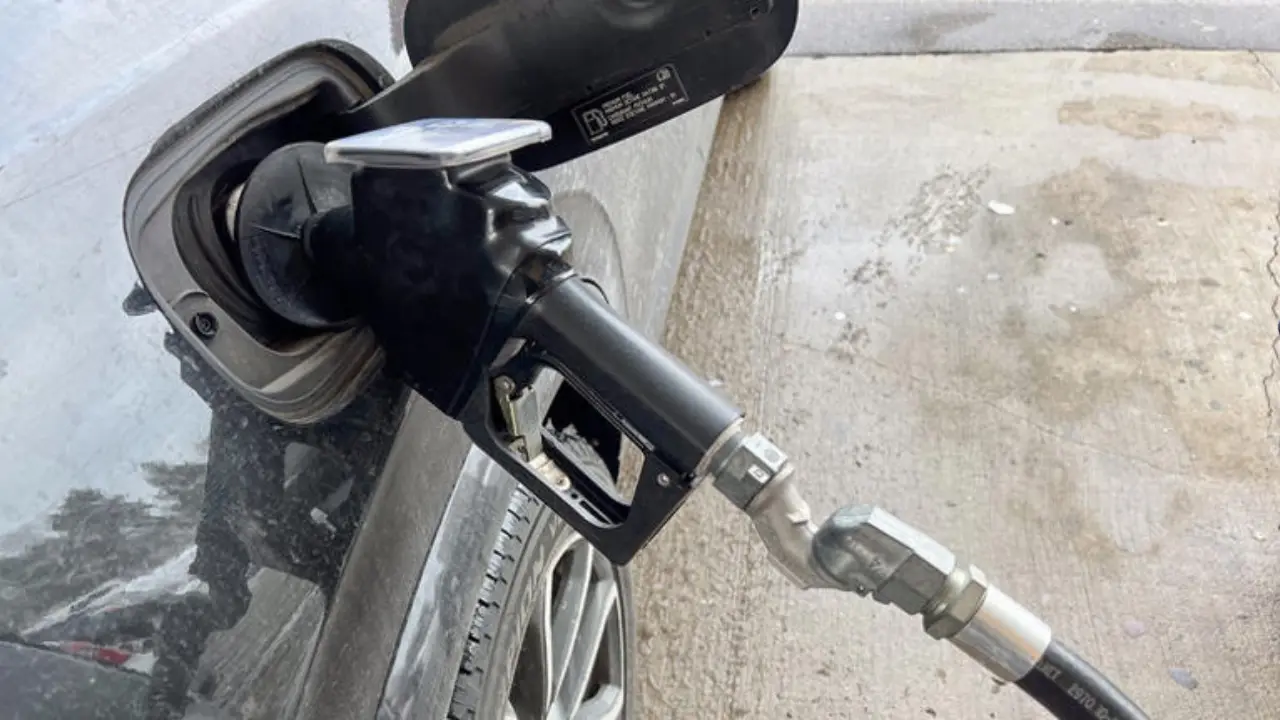
Winter fuel additives prevent wax crystallization. These additives coat wax crystals preventing them clustering together. The fuel remains fluid at colder temperatures. Anti-gel additives lower cloud point by 10 to 15 degrees. Vehicles can operate in much colder conditions.
Kerosene Blending For Extreme Cold
In extreme cold regions, kerosene is blended with diesel. Kerosene freezes at only -40°C compared to diesel at -10°C. Pre-blending creates fuel that remains fluid in extreme cold. Arctic regions use 50 per cent kerosene blending for winter operations.

Practical Protection For Vehicle
Vehicle owners should treat diesel fuel when temperatures drop below 35°F. Adding winter additive before clouds appear prevents problems. Once fuel gels, heating or de-icing agents are required. Prevention through early additive treatment is easier than fixing frozen fuel.
)
)
)
)
)