Does driving with the AC on actually ruin your mileage?

Using car air conditioning reduces fuel economy by up to 10 per cent. At highway speeds, the AC is more efficient than the aerodynamic drag caused by open windows. City driving favours open windows.

10 Per Cent Drop
Running your car air conditioning does lower your fuel economy. In hot weather, using the AC can reduce a conventional vehicle's mileage by roughly 8 to 10 per cent. The compressor requires engine power, which naturally burns more fuel.
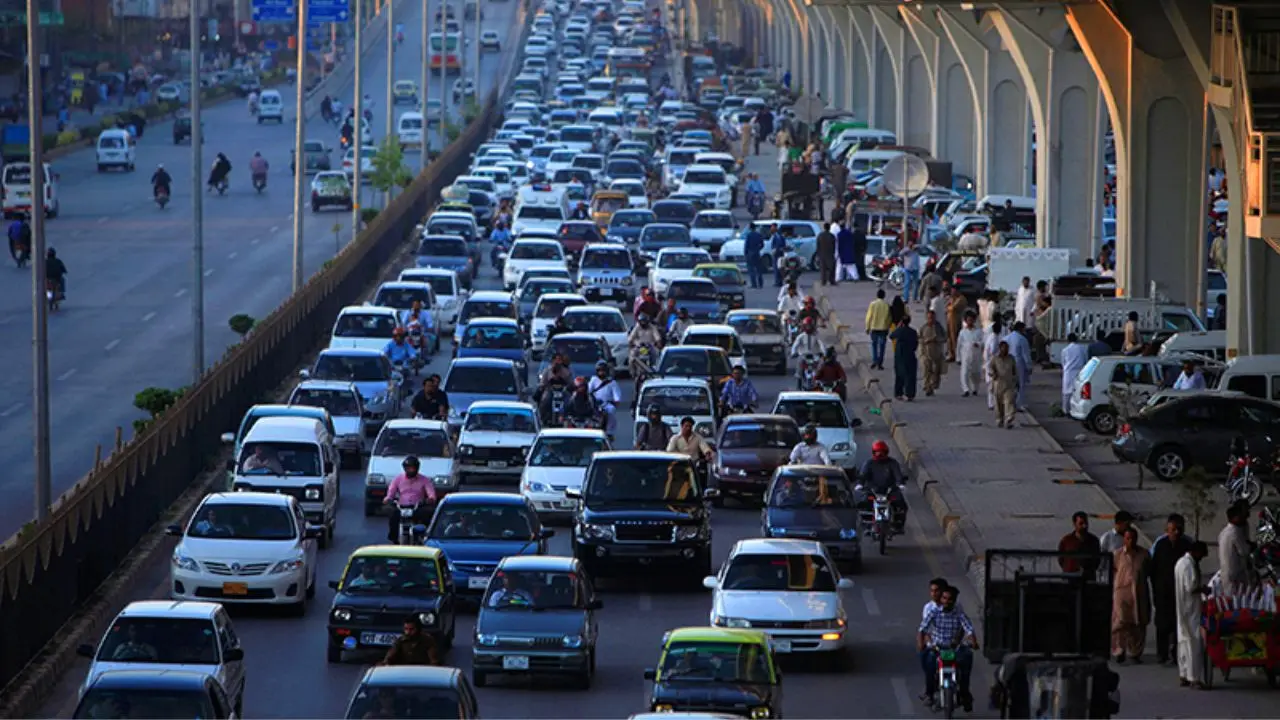
The Drag Effect Explained
Turning off the AC and rolling down the windows seems like a smart way to save fuel. However, open windows create aerodynamic drag. This forces your engine to work harder to push the vehicle through the air.
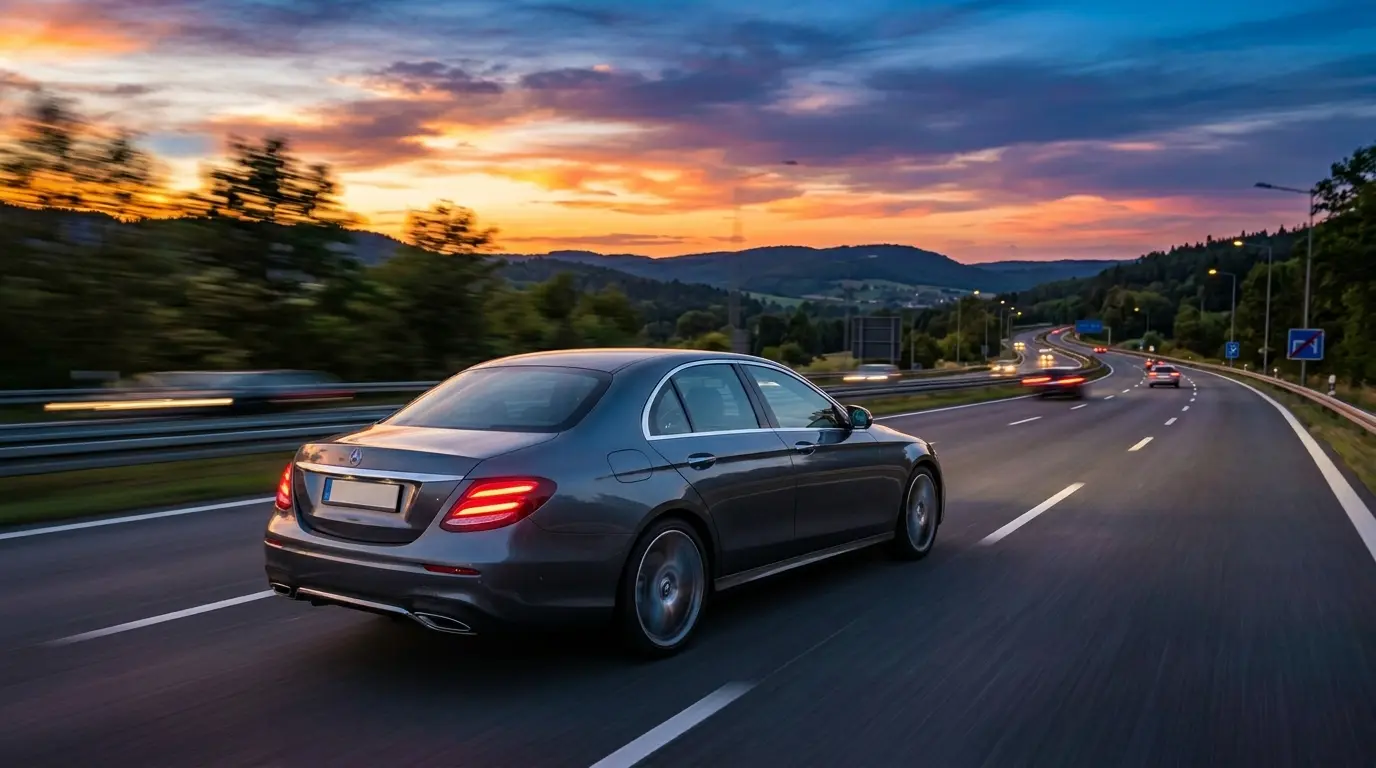
Speeds Over 80 km/h
When driving at higher speeds on the motorway, open windows create significant wind resistance. At speeds above 80 kilometres per hour, the drag consumes more fuel than running the AC. It is more efficient to keep windows rolled up.

Speeds Under 70 km/h
If you are driving in city traffic at lower speeds, aerodynamic drag is not a major issue. Under 70 kilometres per hour, keeping the windows down is generally more fuel-efficient than using the air conditioning.
Impact on Electric Vehicles
Electric vehicles also experience a drop in efficiency when using climate control. Running the AC can reduce the driving range of an electric car. Pre-cooling the cabin while the vehicle is still plugged in helps preserve battery life.
Park in the Shade
A simple way to reduce the load on your AC is to prevent the cabin from overheating. Parking in the shade or using a sunshade keeps the interior cooler. This means the system works less intensely to reach a comfortable temperature.

Maintain the AC System
An unmaintained air conditioning system works harder and drains more engine power. Regular servicing ensures the refrigerant levels are correct and filters are clean. A well-running system cools the car faster without ruining your overall mileage.
)
)
)
)
)