Does driving in heavy rain consume more fuel?

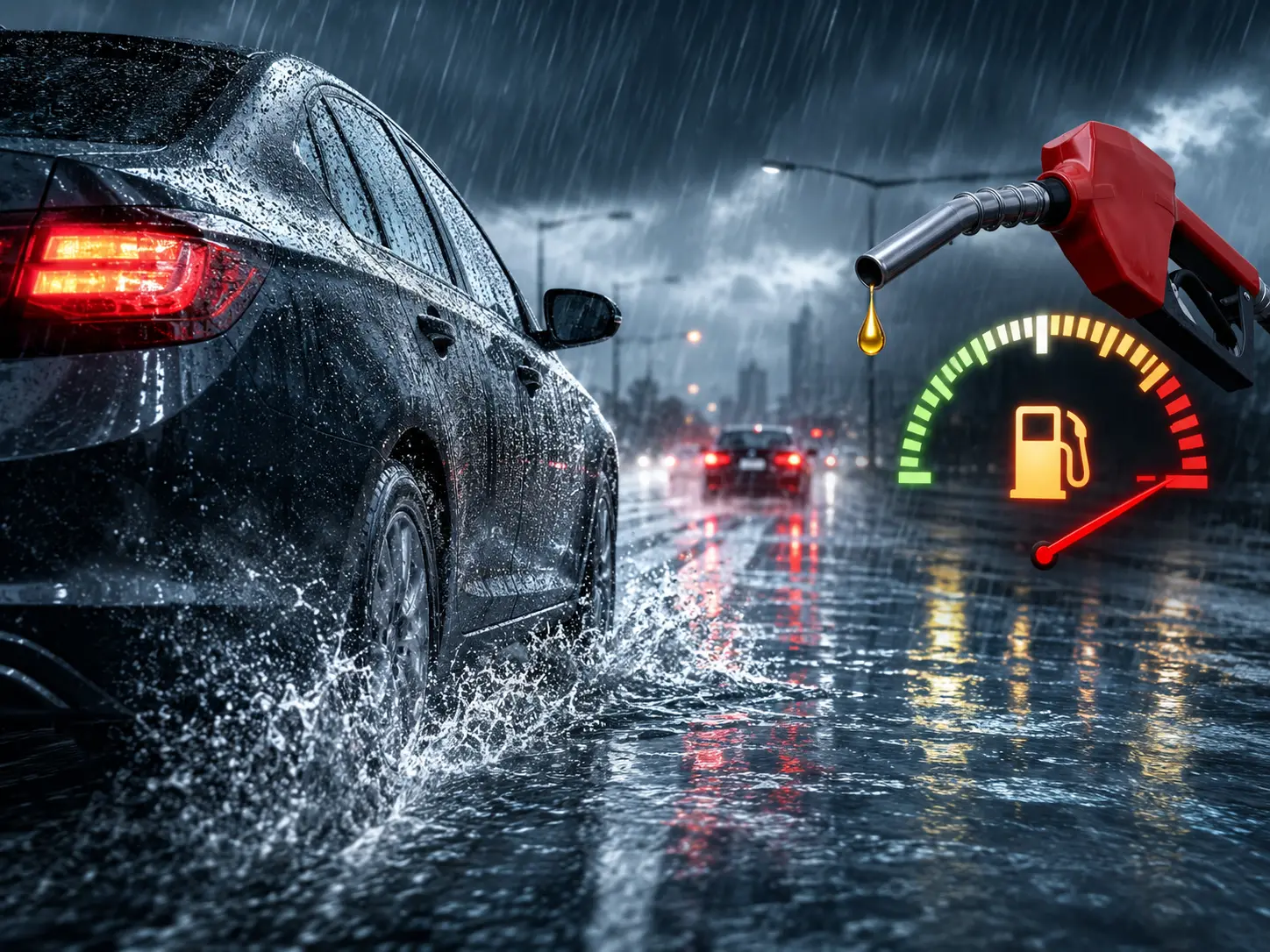
Heavy rain increases fuel consumption by up to 20 per cent due to high rolling resistance, extra electrical loads, and drag. Wet roads force your engine to work harder and burn more fuel.
Up to 20% More Fuel
Heavy rain genuinely forces your vehicle to consume more fuel on every trip. Depending on the intensity of the downpour and road conditions, efficiency can drop by 10 to 20 per cent. The engine simply has to work much harder to maintain your normal driving momentum.
Pushing 100s of Litres
Water pooling on the road dramatically increases the rolling resistance of your tyres. The vehicle must constantly push hundreds of litres of heavy water out of the way. This physical barrier forces the engine to burn extra fuel just to keep the car moving forward.
3 Extra Electrical Loads
Driving in a storm means running your headlights, wipers, and air conditioning to defog the windows. These three constant electrical loads draw significant mechanical power directly from the alternator. Your engine must consume more petrol or diesel to keep the battery fully charged.
1000s of Raindrop Impacts
While it might seem minor, driving through heavy precipitation noticeably increases aerodynamic drag. Your car is physically colliding with thousands of dense raindrops every single second. This added resistance forces the engine to push harder through the saturated, heavy air.
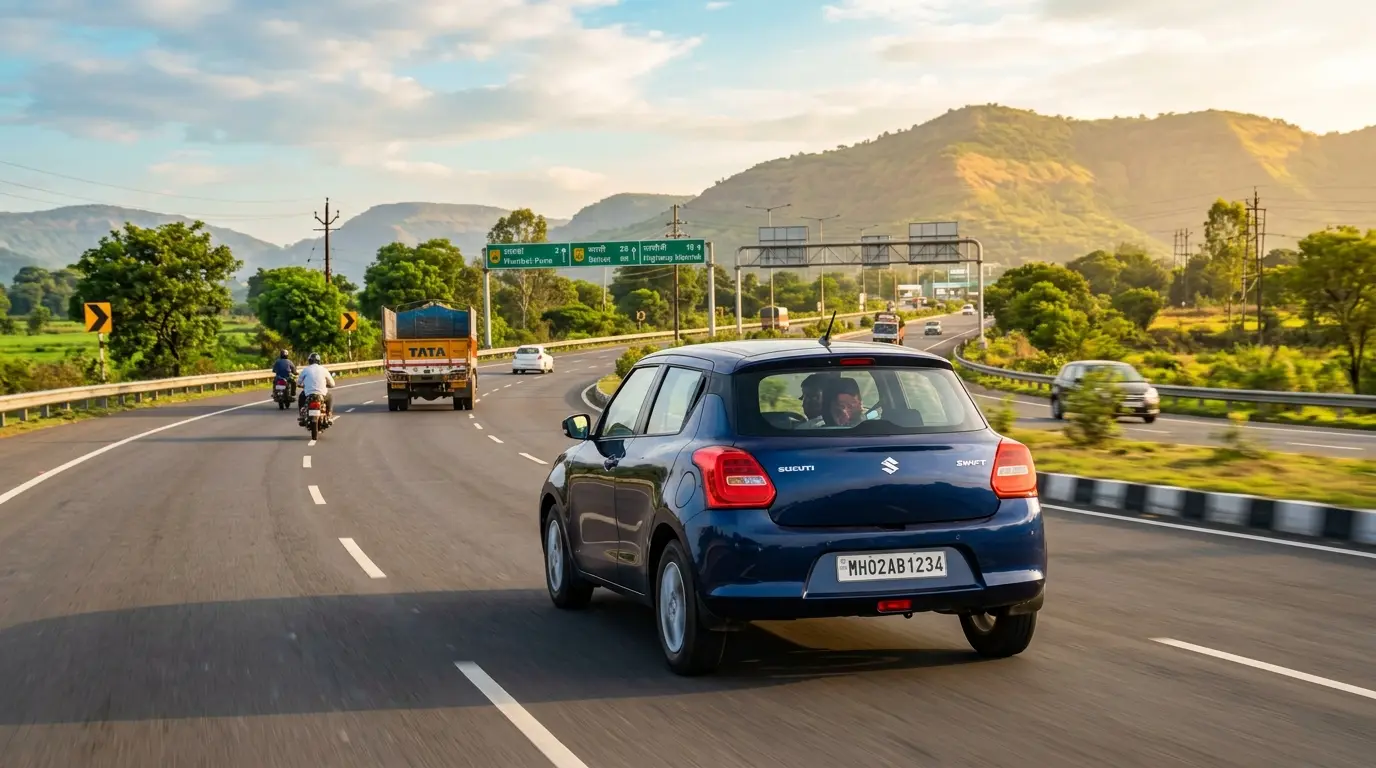
Cooling by 10 to 15 Degrees
Rainwater splashing against the underside of your vehicle cools down the transmission and axle oils. Driveline fluids that drop by 10 to 15 degrees Celsius become thicker and mechanically less efficient. This increased friction slightly reduces your overall fuel economy over long drives.

0 km/l During Idling
Heavy downpours notoriously cause severe traffic congestion and much longer daily commute times. Whenever your vehicle is stuck idling in a rain-induced jam, you are getting exactly 0 km/l. This wasted time and fuel heavily impacts your overall journey efficiency and costs extra Rs at the pump.
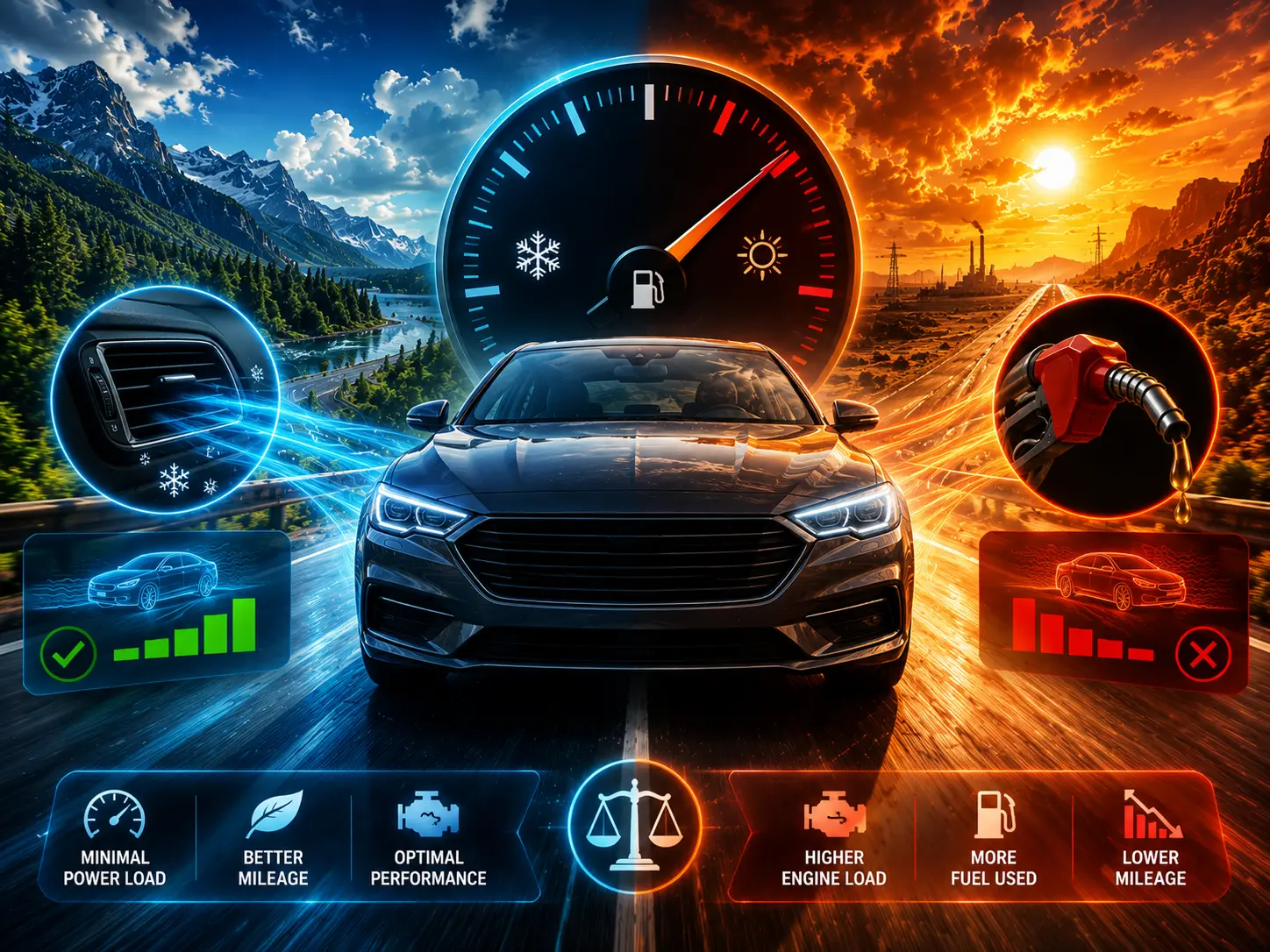
Speeds Below 40 km/h
Poor visibility and slippery roads logically force drivers to slow down to speeds well below 40 km/h. Navigating cautiously requires frequent braking, rapid accelerating, and staying in lower gears. These stop-and-go driving patterns are highly inefficient and drain fuel much faster than cruising.
)
)
)
)
)