Does cruise control really save fuel?

Cruise control saves up to 14 per cent on fuel on flat motorways by stopping wasteful speed changes. But, using it on steep hills or heavy traffic forces aggressive acceleration, drastically increasing fuel consumption.
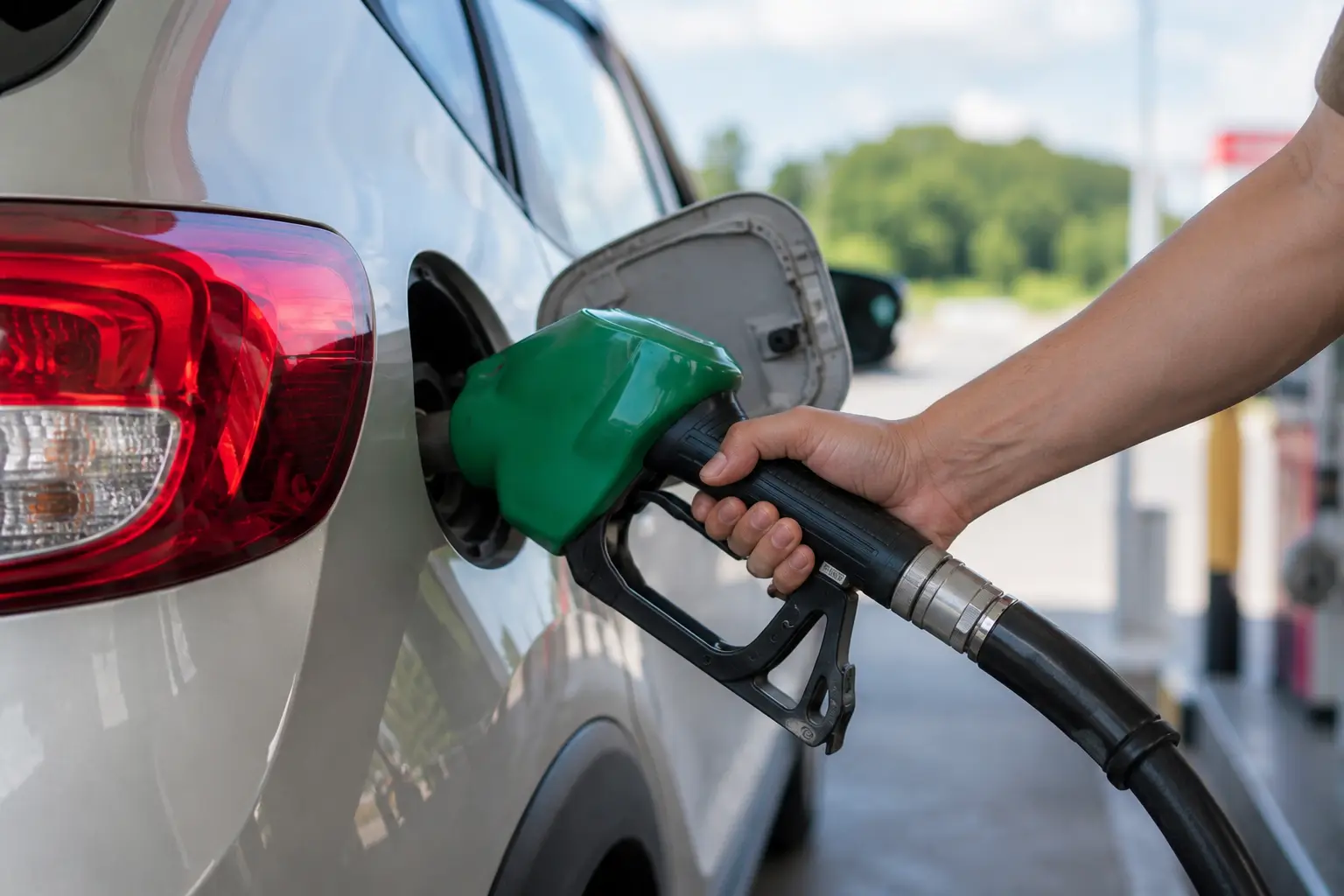
The flat road advantage
Using cruise control on flat, straight motorways is highly efficient. The RAC confirms that maintaining a constant, steady speed on level ground prevents the engine from constantly changing its power output, saving significant fuel.
Eliminating human error
Human drivers naturally fluctuate their speed, constantly pressing and releasing the accelerator. Transport researchers note that eliminating these constant micro-adjustments allows the engine control unit to seamlessly optimise fuel delivery.
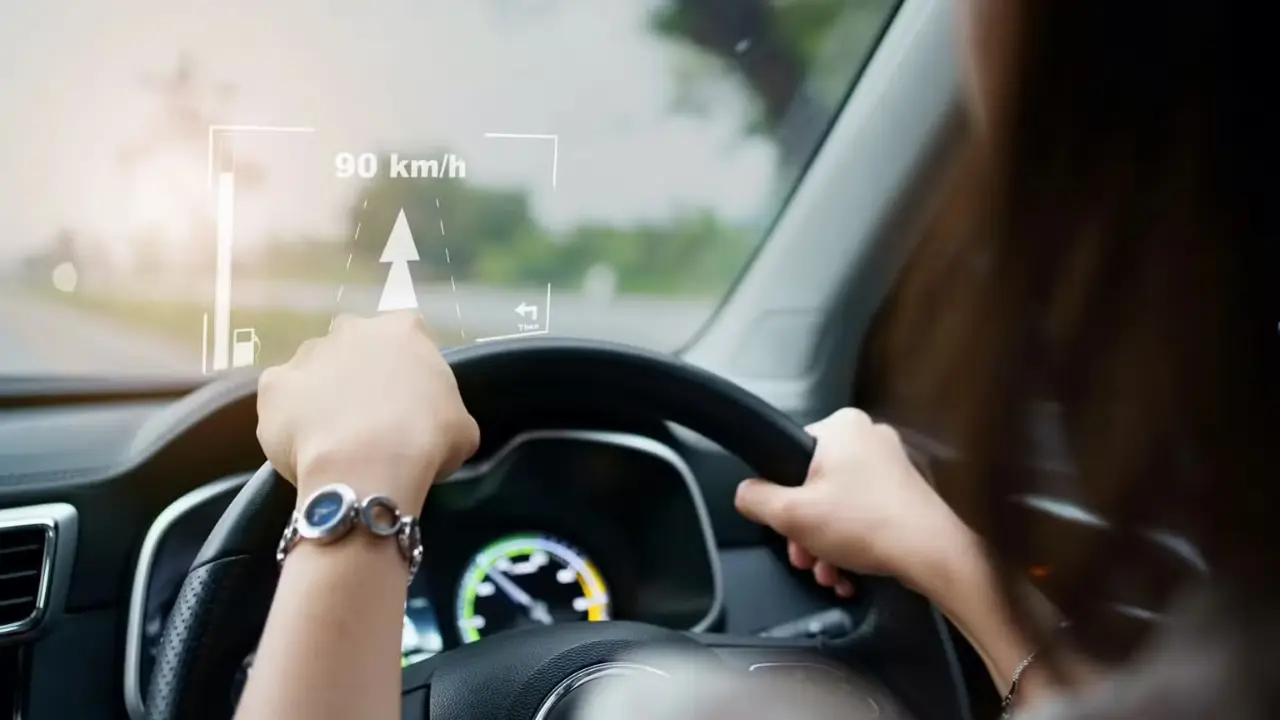
Up to 14 per cent savings
When used correctly on open highways, the fuel savings are substantial. Studies by Natural Resources Canada report that maintaining a strict, automated speed can save between 7 and 14 per cent on fuel compared to erratic manual driving.
The penalty of steep hills
However, activating the system on hilly terrain destroys fuel economy. The AA warns that cruise control cannot anticipate approaching hills, meaning it reacts too late and must burn excess fuel to forcefully maintain the set speed.
High revs and low gears
When ascending a steep incline, the system will aggressively downshift and force the engine into high revolutions. Automotive engineers state this sudden burst of heavy acceleration wastes massive amounts of petrol and diesel.
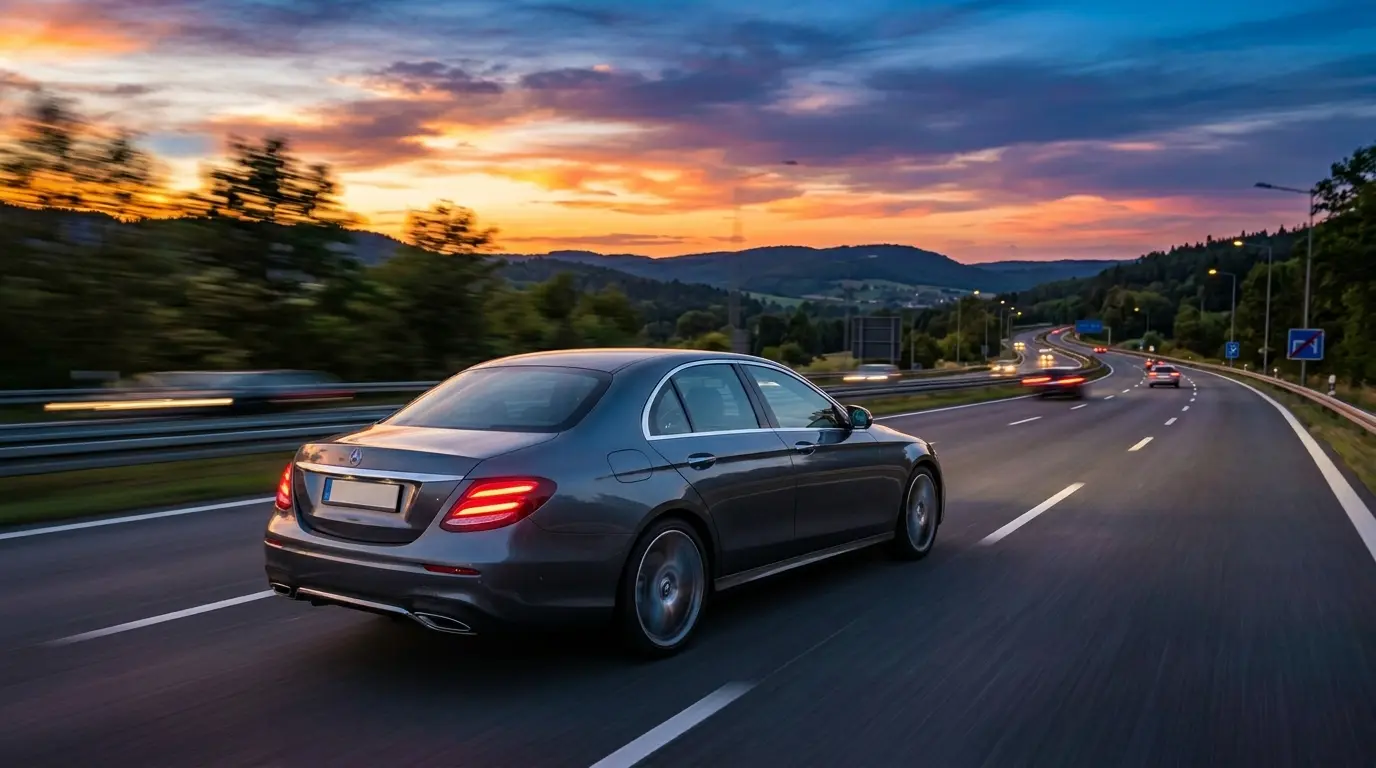
The human advantage on hills
A human driver is far more efficient on undulating roads. Transport experts explain that humans naturally allow the car to slow down slightly while climbing, saving expensive fuel rather than forcing the engine to work overtime.
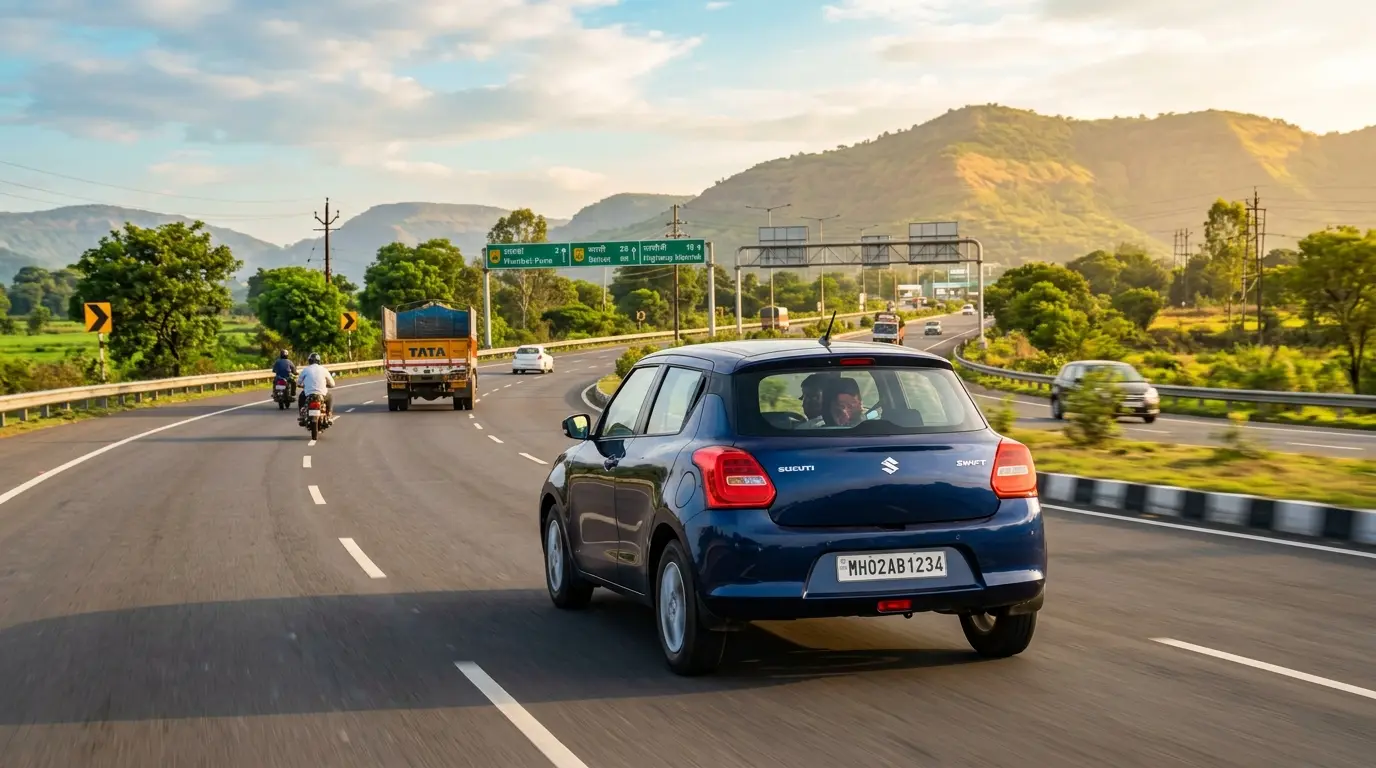
Heavy traffic inefficiency
Cruise control should never be used in stop-and-go traffic. Driver assistance experts confirm that constantly braking and aggressively accelerating to catch up with the car ahead burns far more fuel than driving smoothly manually.
)
)
)
)
)