Does cold weather make your petrol last longer?

Cold weather makes cars burn more fuel due to thicker engine oil, longer warm-up times, denser air and extra strain on batteries and tyres. With winter reducing fuel efficiency by up to 15%, simple habits like correct tyre pressure and smoother driving can help save fuel.
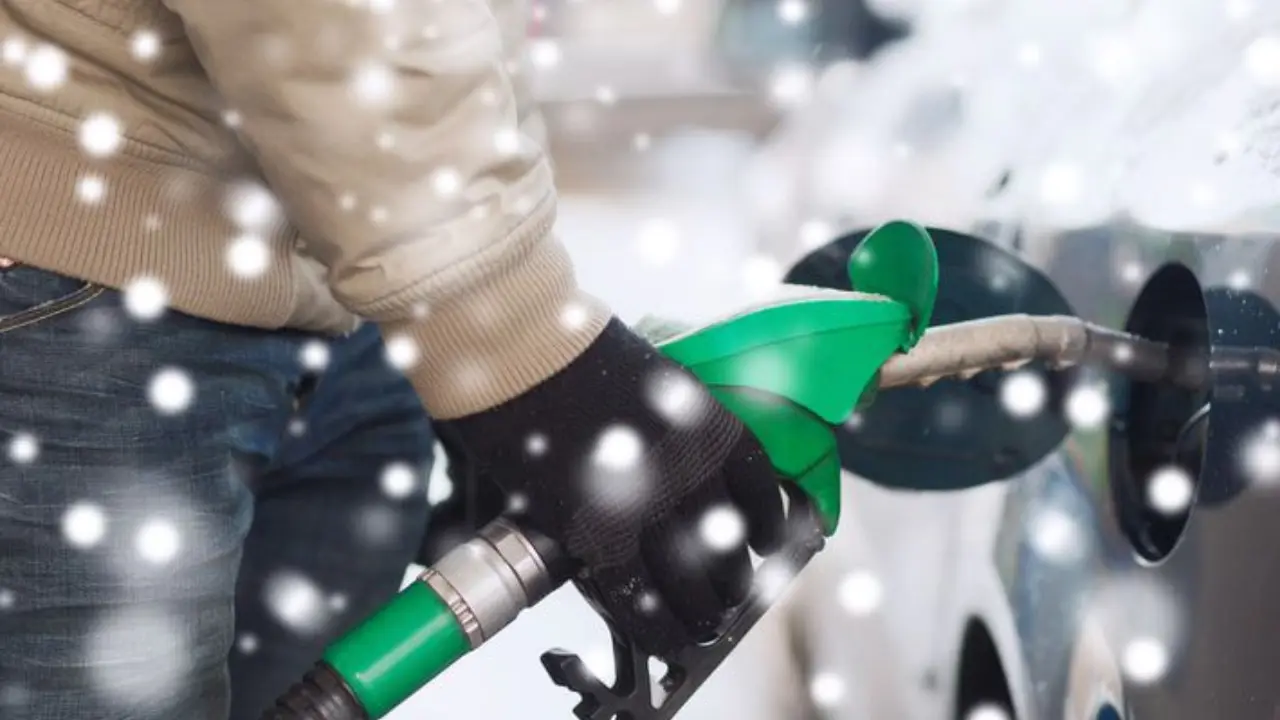
Cold Weather Reduces Fuel Efficiency
Contrary to common belief, cold weather makes petrol run out faster, not slower. Fuel economy tests show cars use about 15 per cent more fuel at -7°C compared to 25°C, with even worse figures on short trips.

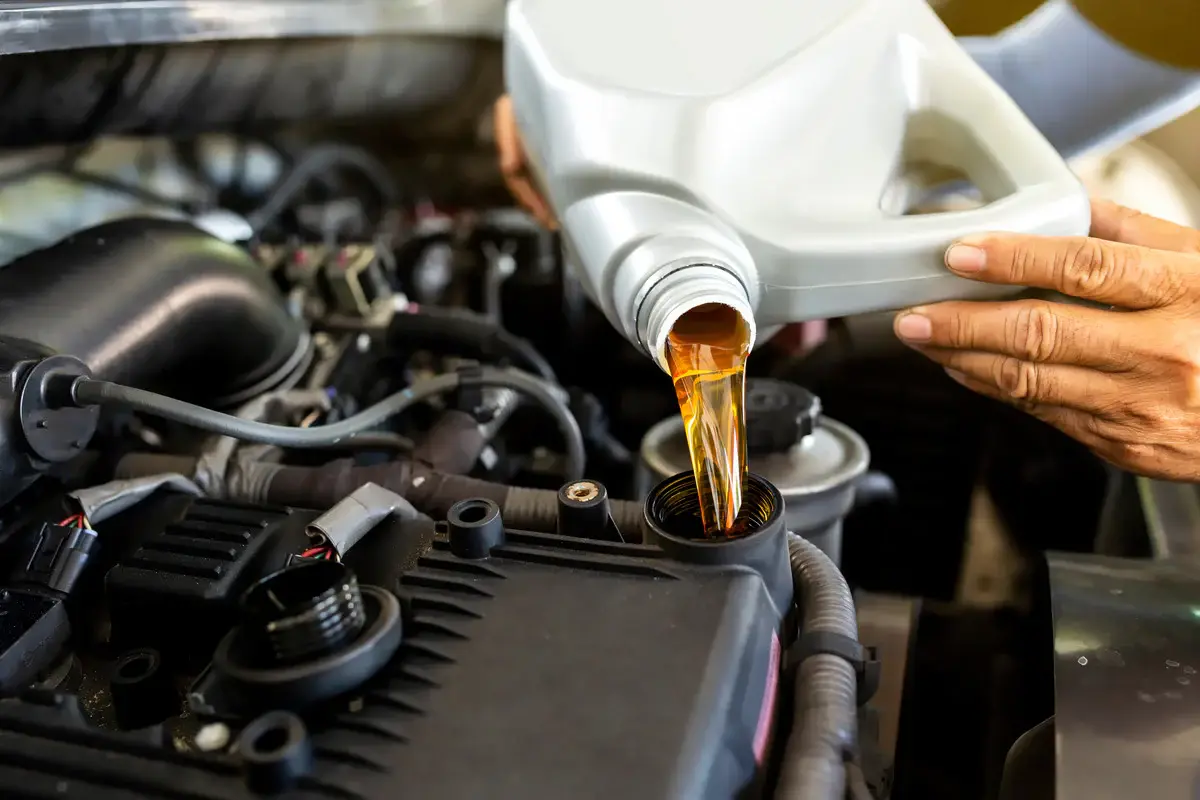
Thick Oil Creates More Friction
In cold temperatures, engine oil becomes thicker and more viscous. This creates more friction between engine parts, forcing the engine to work harder and burn more fuel to operate.
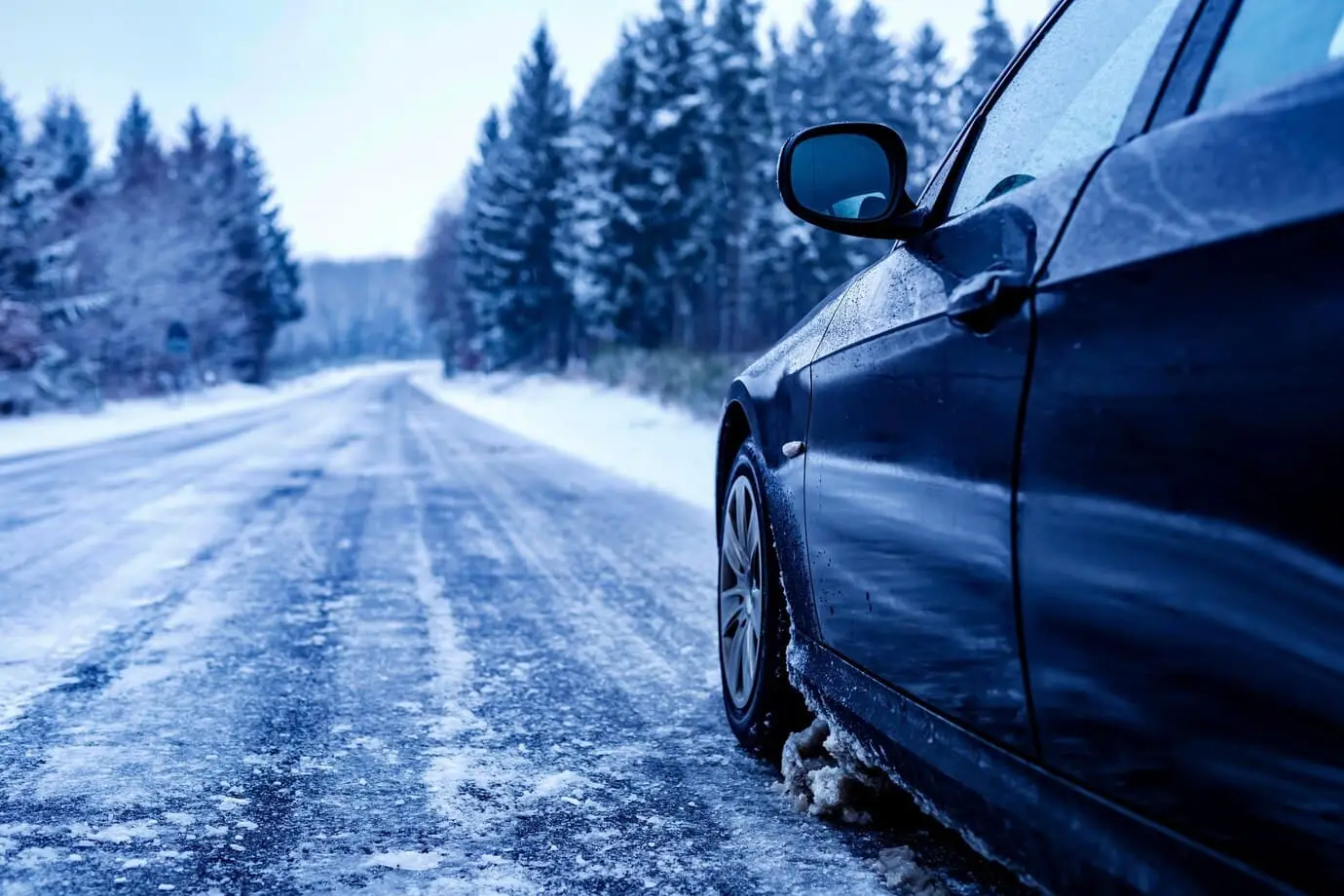
Engines Take Longer to Warm Up
Cold engines need more time to reach their most efficient operating temperature. During this warm-up period, fuel burns less efficiently, leading to higher consumption especially on short trips under 4 miles.
Denser Cold Air Increases Drag
Cold air is about 11 per cent denser than warm summer air. This increases wind resistance against the car, requiring more fuel to maintain the same speed, particularly on highways.
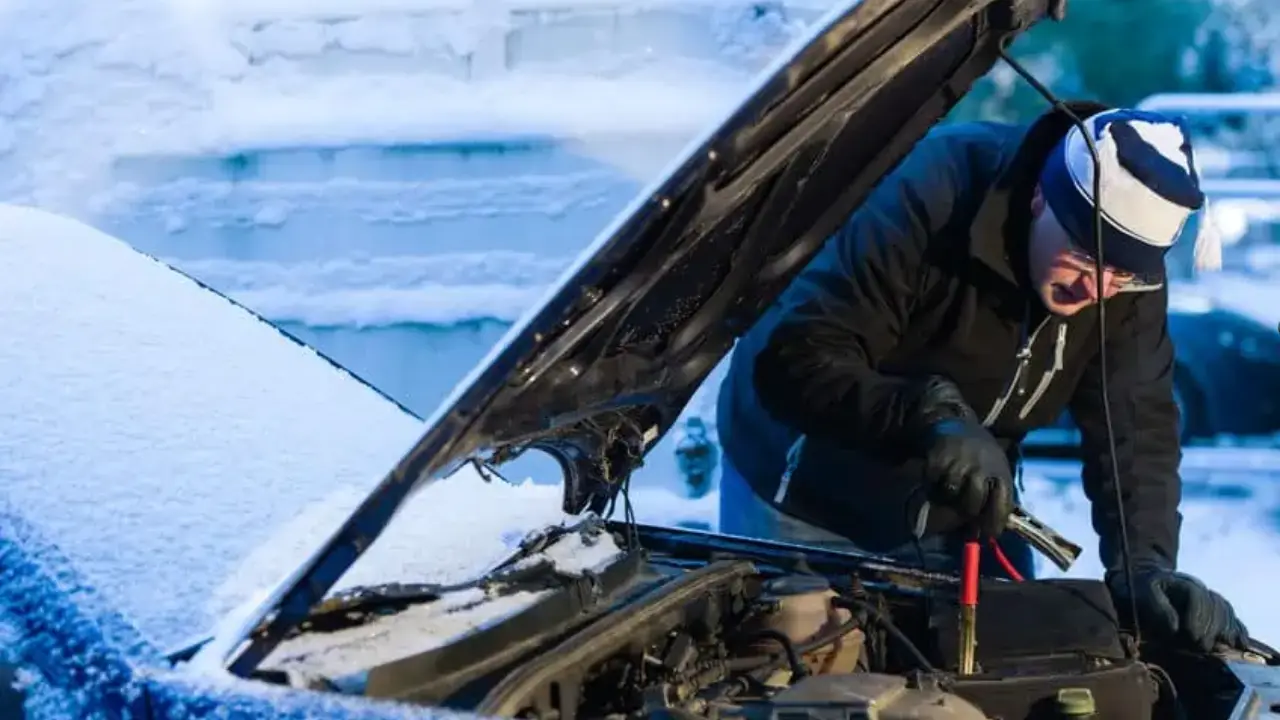
Battery and Electrical Systems Work Harder
Heaters, defrosters, heated seats, and wipers draw extra power from the battery in winter. This makes the alternator work harder to keep the battery charged, reducing overall fuel efficiency.
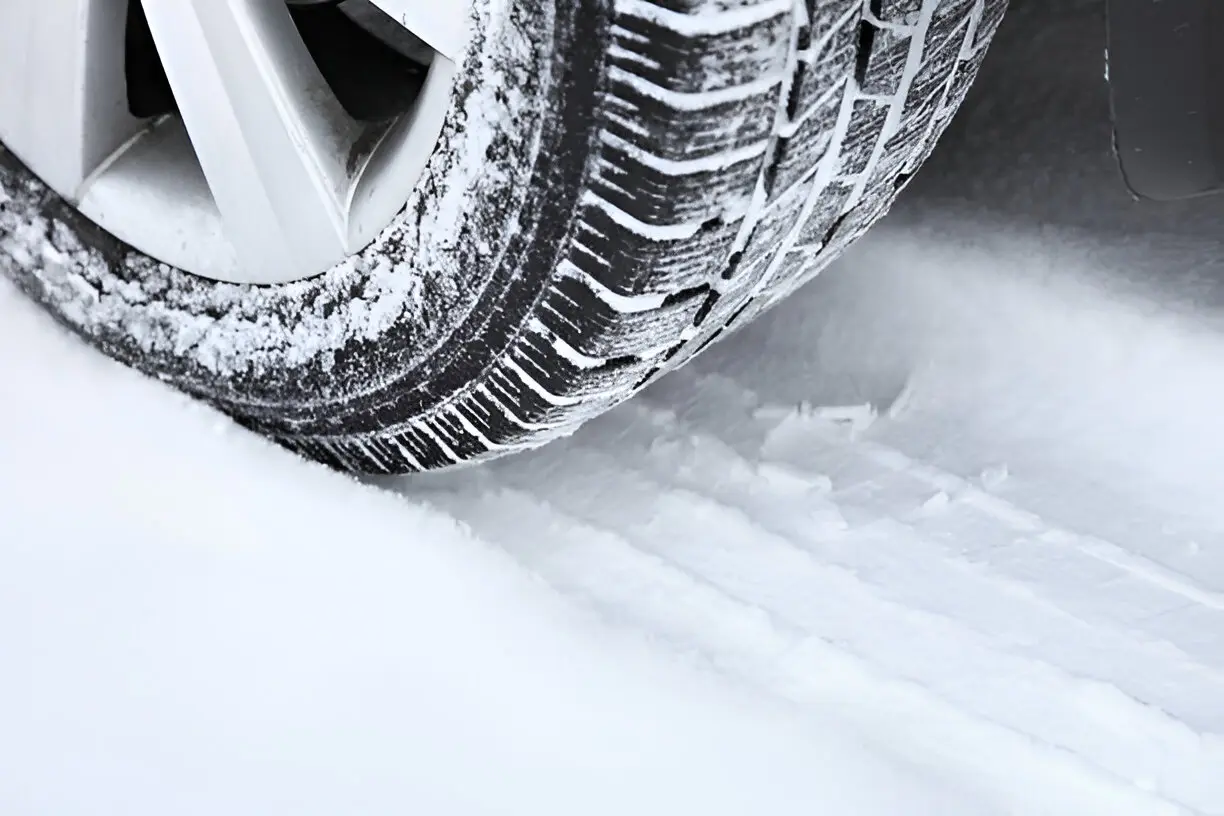
Tyre Pressure Drops in Cold
For every 5°C temperature drop, tyre pressure decreases. Lower pressure increases rolling resistance, meaning the engine must use more fuel to move the car forward.
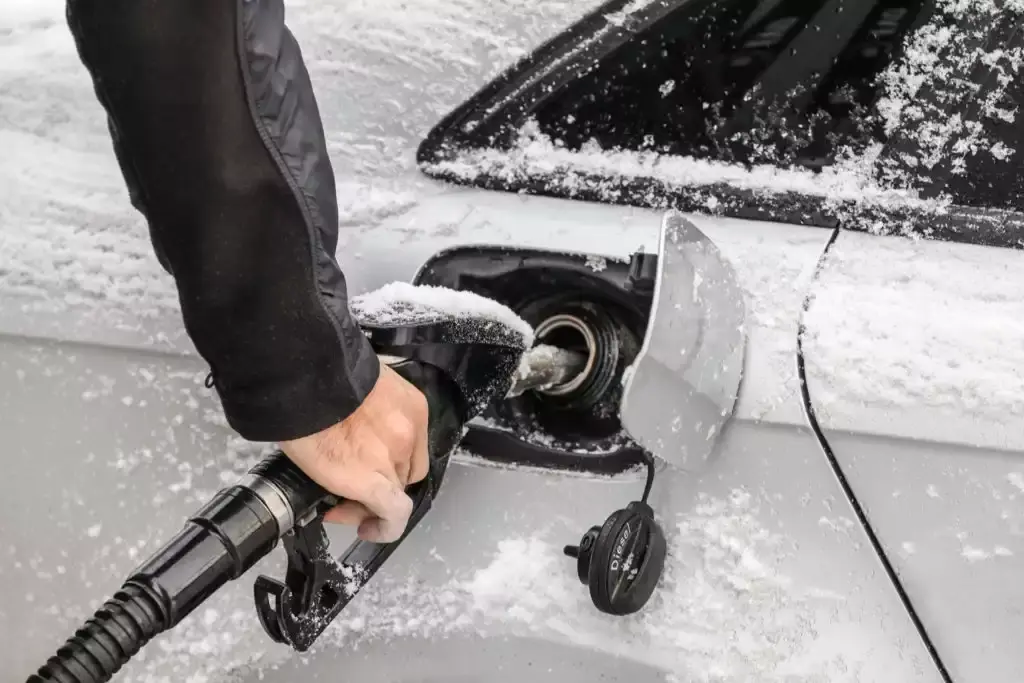
Save Fuel in Winter
Drivers can improve winter fuel economy by avoiding long idling, maintaining correct tyre pressure, combining short trips, and driving smoothly without sudden acceleration or braking.
)
)
)
)
)