Does charging your phone and using your car’s Bluetooth waste fuel?

Charging a phone and using Bluetooth draws under 20 watts of power from the car alternator. This negligible electrical load reduces fuel efficiency by less than 0.05 per cent, costing barely a fraction of a Rupee over thousands of kilometres.
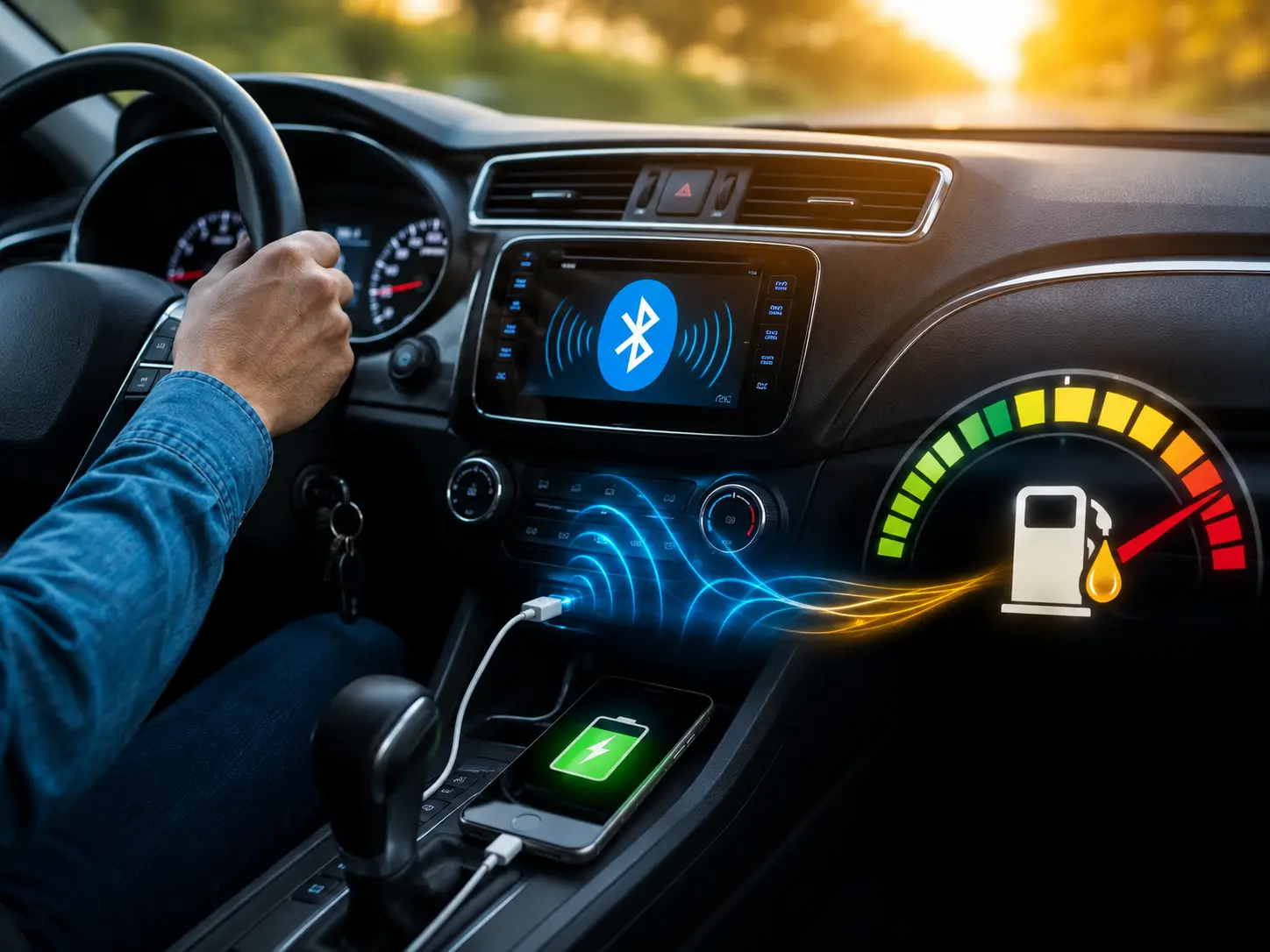
Only 15 watts used
Charging a standard smartphone via a USB port draws roughly 5 to 15 watts of electrical energy. This power comes directly from the car alternator, which is driven by the engine. The mechanical effort required to produce this small amount of electricity is virtually unnoticeable.
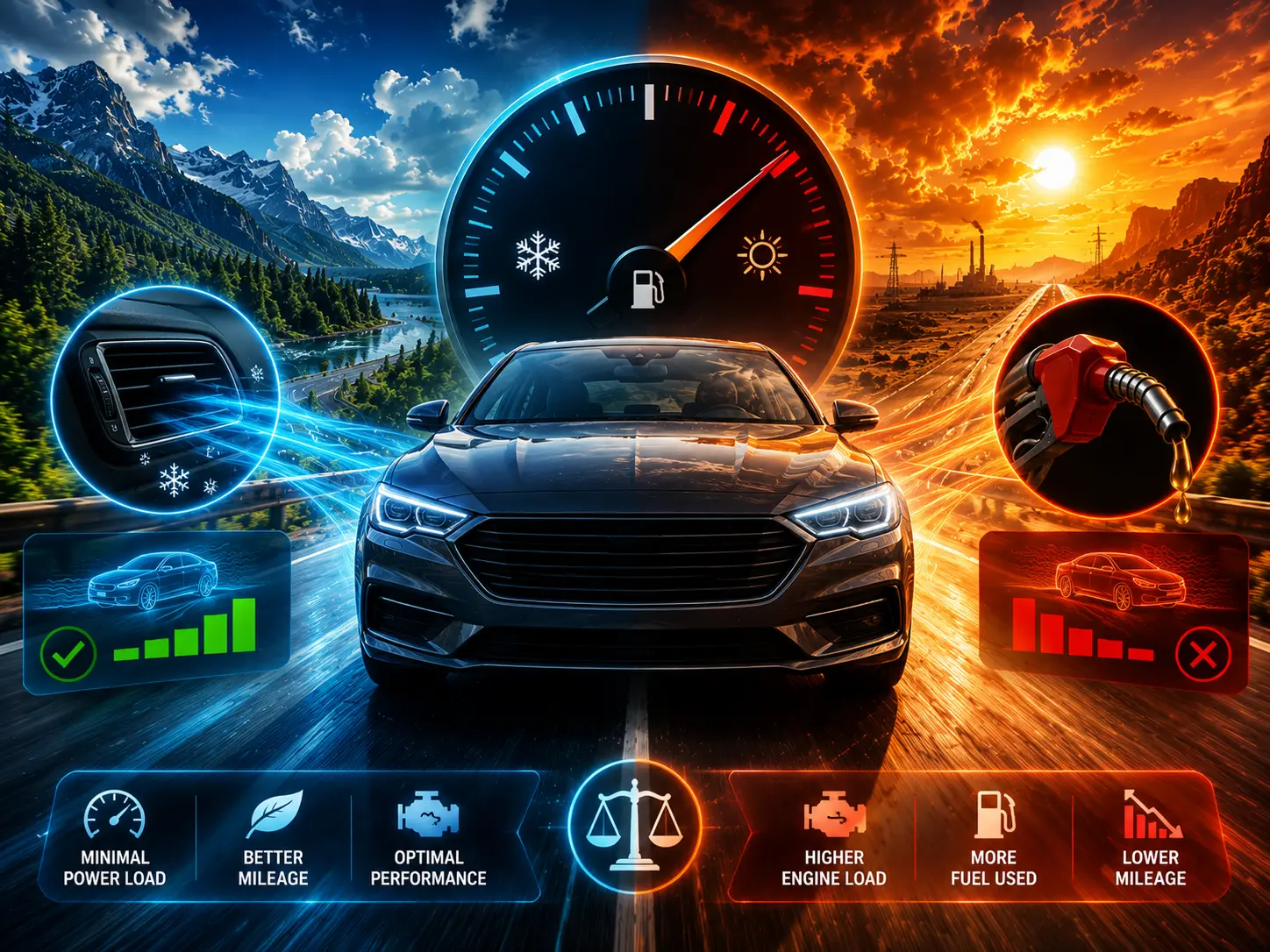
0.03 per cent drop
Because an average car engine produces thousands of watts to maintain highway speeds, the load from a phone charger is minuscule. It reduces overall fuel efficiency by roughly 0.03 per cent. You would have to drive for thousands of kilometres to waste even a single litre of petrol.
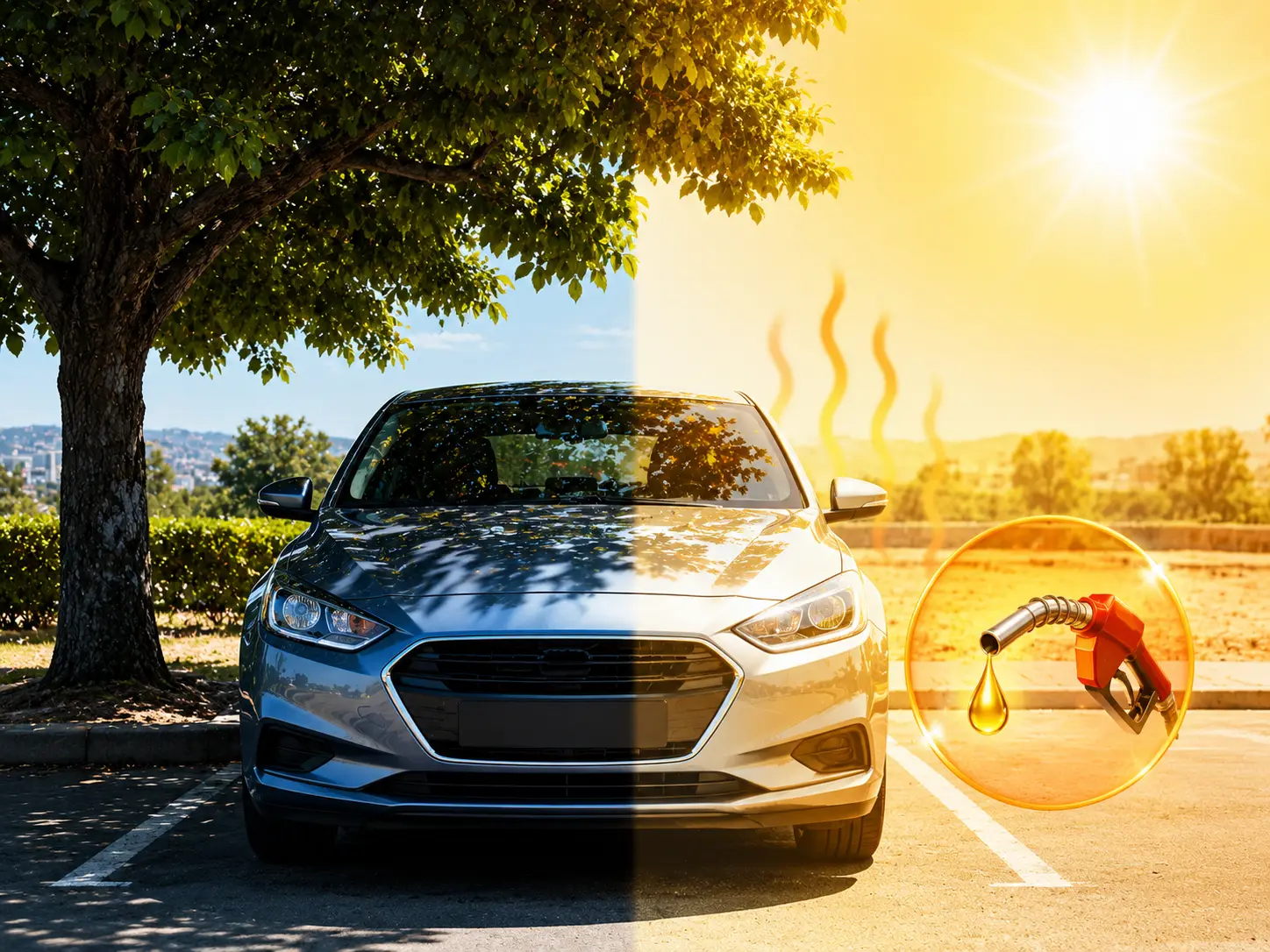
Costs under Rs 2
The financial impact of keeping your phone plugged in during a daily commute is almost zero. Generating the required electricity for a complete 0 to 100 per cent charge burns extra fuel costing under Rs 2. It is an entirely negligible expense that does not harm your overall monthly fuel budget.
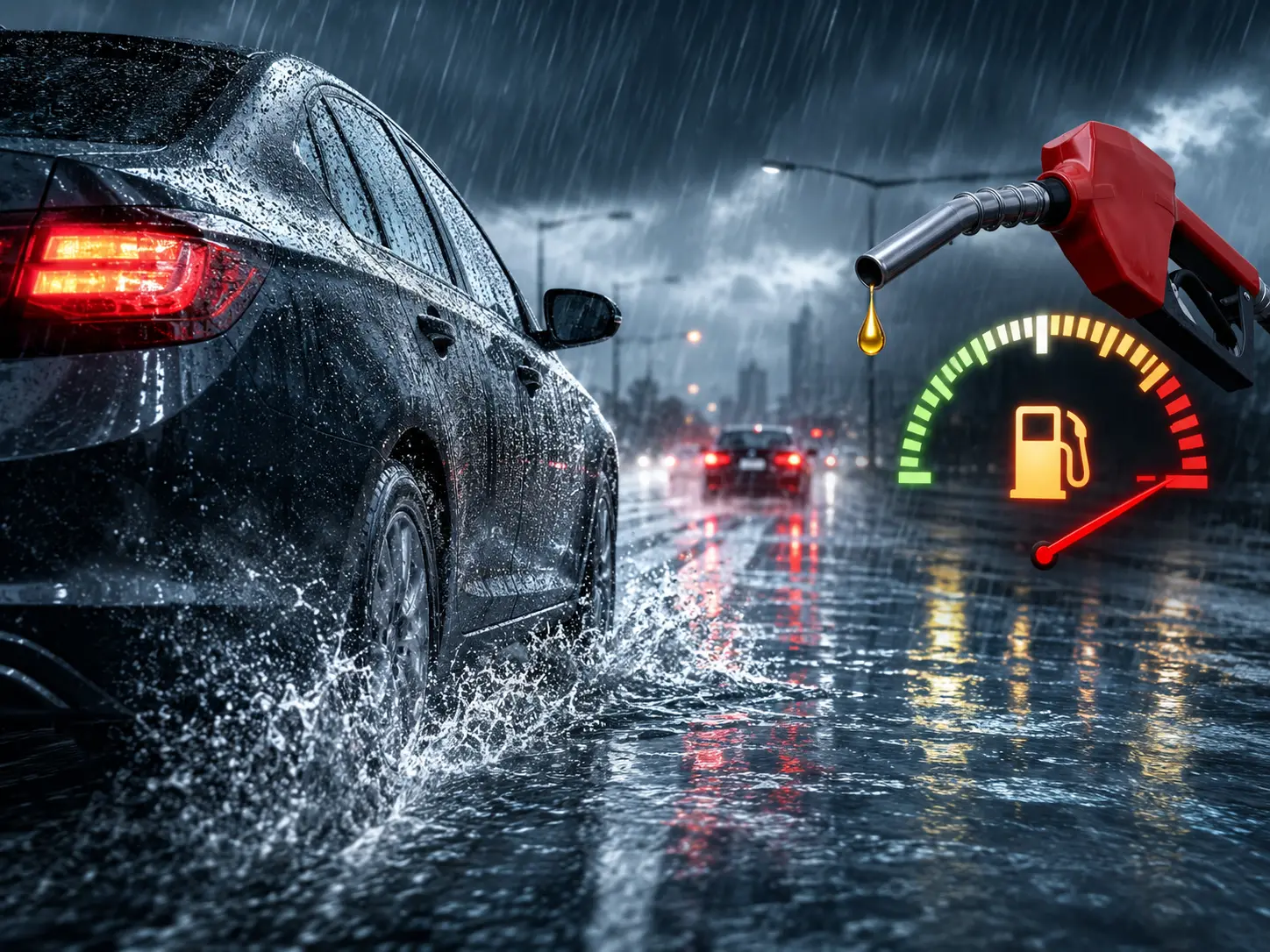
Uses 2.5 milliwatts power
Streaming music or taking calls through your vehicle's Bluetooth receiver requires extremely low power. A standard Bluetooth module operates on just 2.5 milliwatts. This tiny electrical draw places zero measurable strain on the alternator, meaning it has no actual impact on your daily mileage.
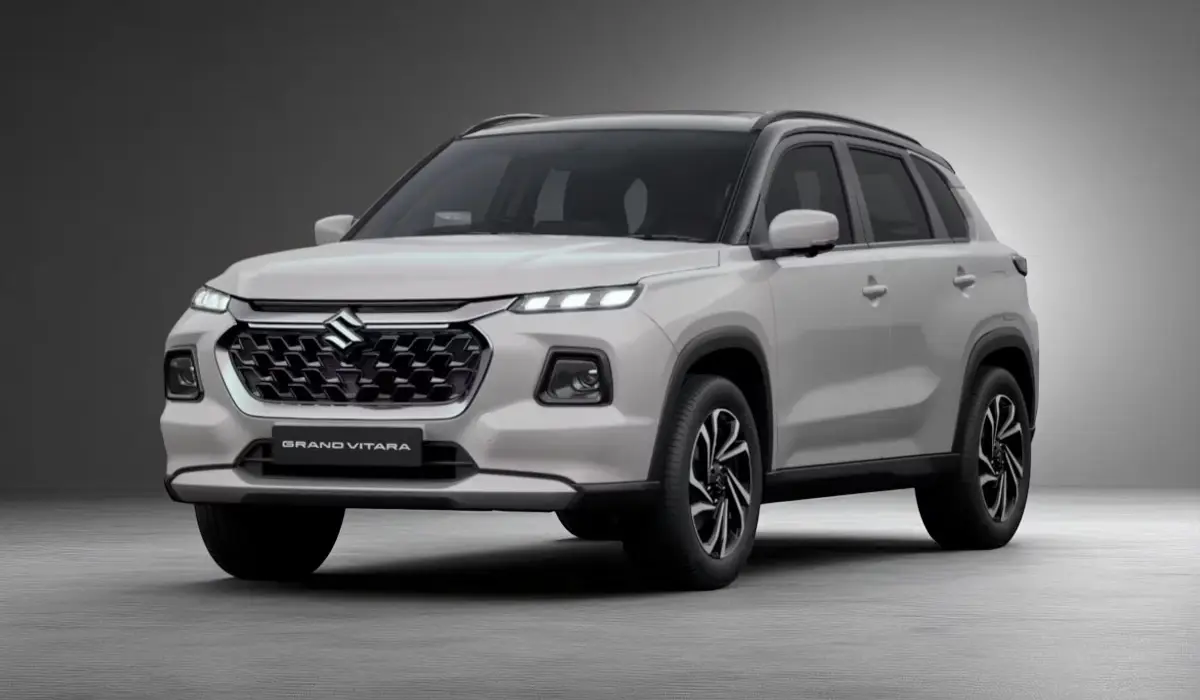
Screen takes 50 watts
The only noticeable power drain comes from the large dashboard infotainment screens used to control the Bluetooth and navigation. These digital displays can draw between 20 and 50 watts. Even then, the fuel required to keep the screen active remains incredibly small compared to the air conditioning.
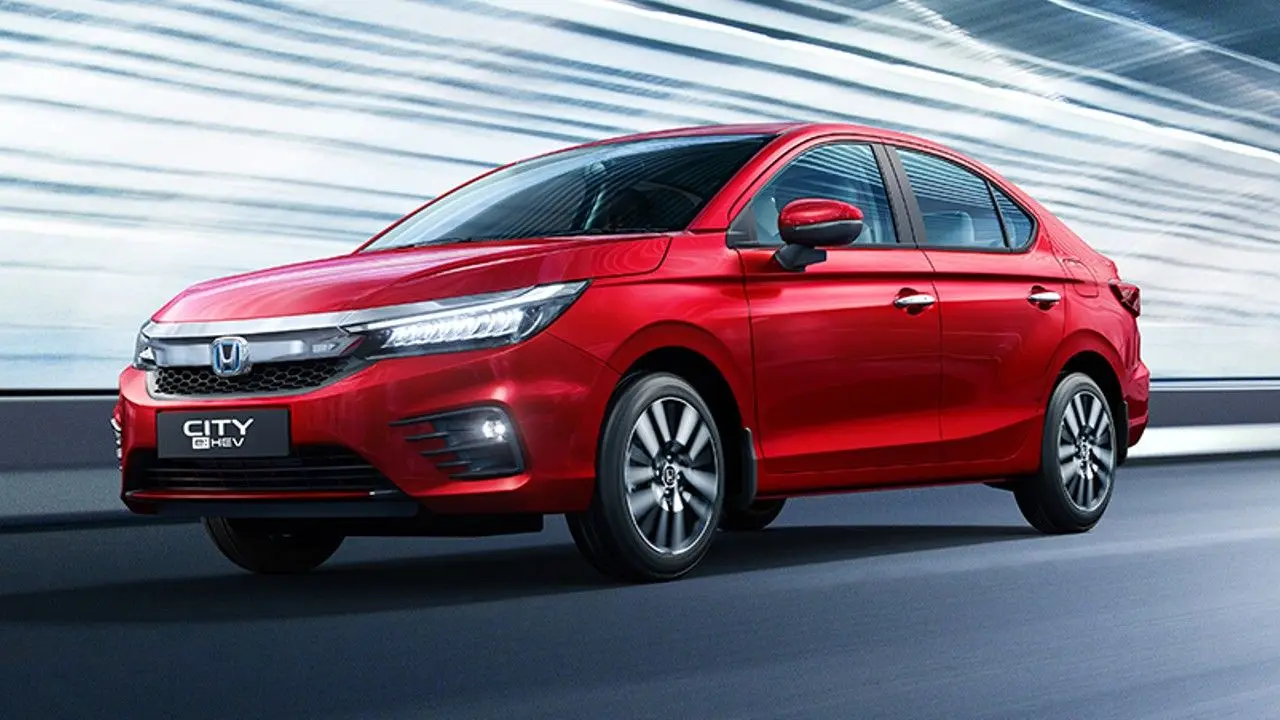
60 per cent conversion
A car alternator operates at around 60 per cent efficiency when converting mechanical engine power into electricity. Even factoring in this energy loss, modern alternators easily handle small electronics. Charging a phone creates far less engine drag than simply turning on your exterior headlights at night.
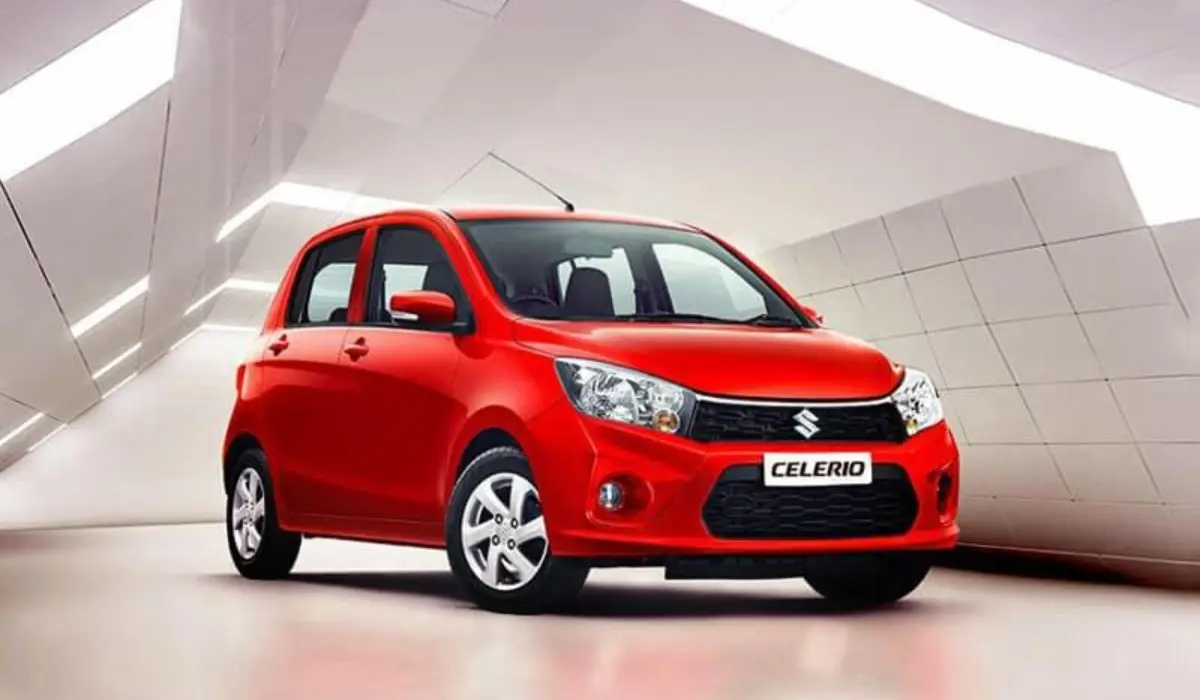
AC drains 10 times
If you want to save fuel, unplugging your smartphone will not make a difference. The vehicle's air conditioning compressor draws over 10 times more engine power than all cabin electronics combined. Managing your climate control and driving speed remains the only effective way to protect your mileage.
)
)
)
)
)