Does carrying 2 extra passengers noticeably burn more fuel?

Carrying two passengers adds 150 kg, cutting fuel efficiency by up to 5 per cent. Small cars and city driving see the highest increase in fuel consumption.
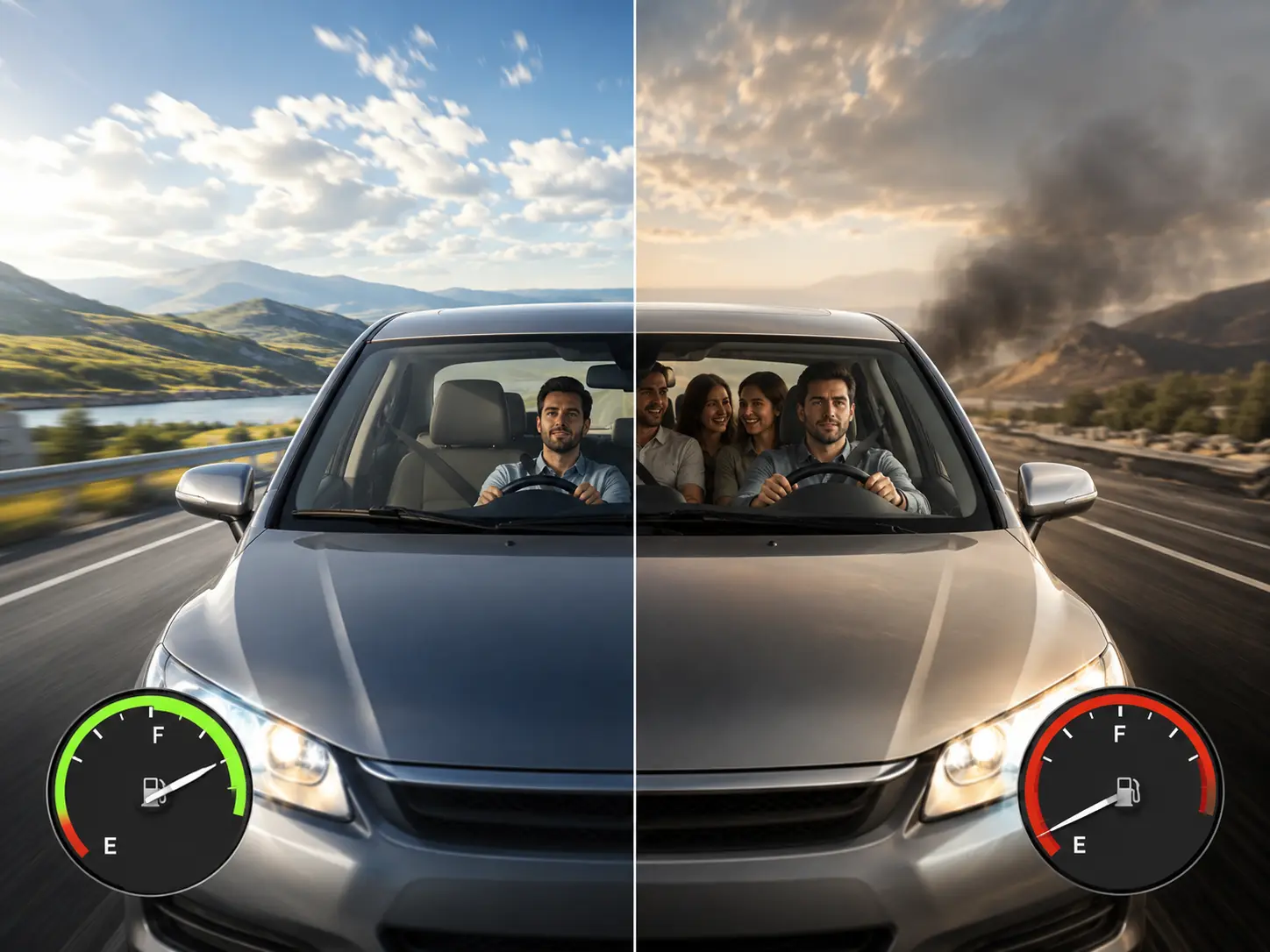
150 kg impacts engine power
Adding two adult passengers increases a vehicle's weight by roughly 150 kg. This extra mass forces the engine to generate more power during acceleration to overcome inertia. Automotive studies indicate that heavier cars naturally require more energy to get the vehicle moving.
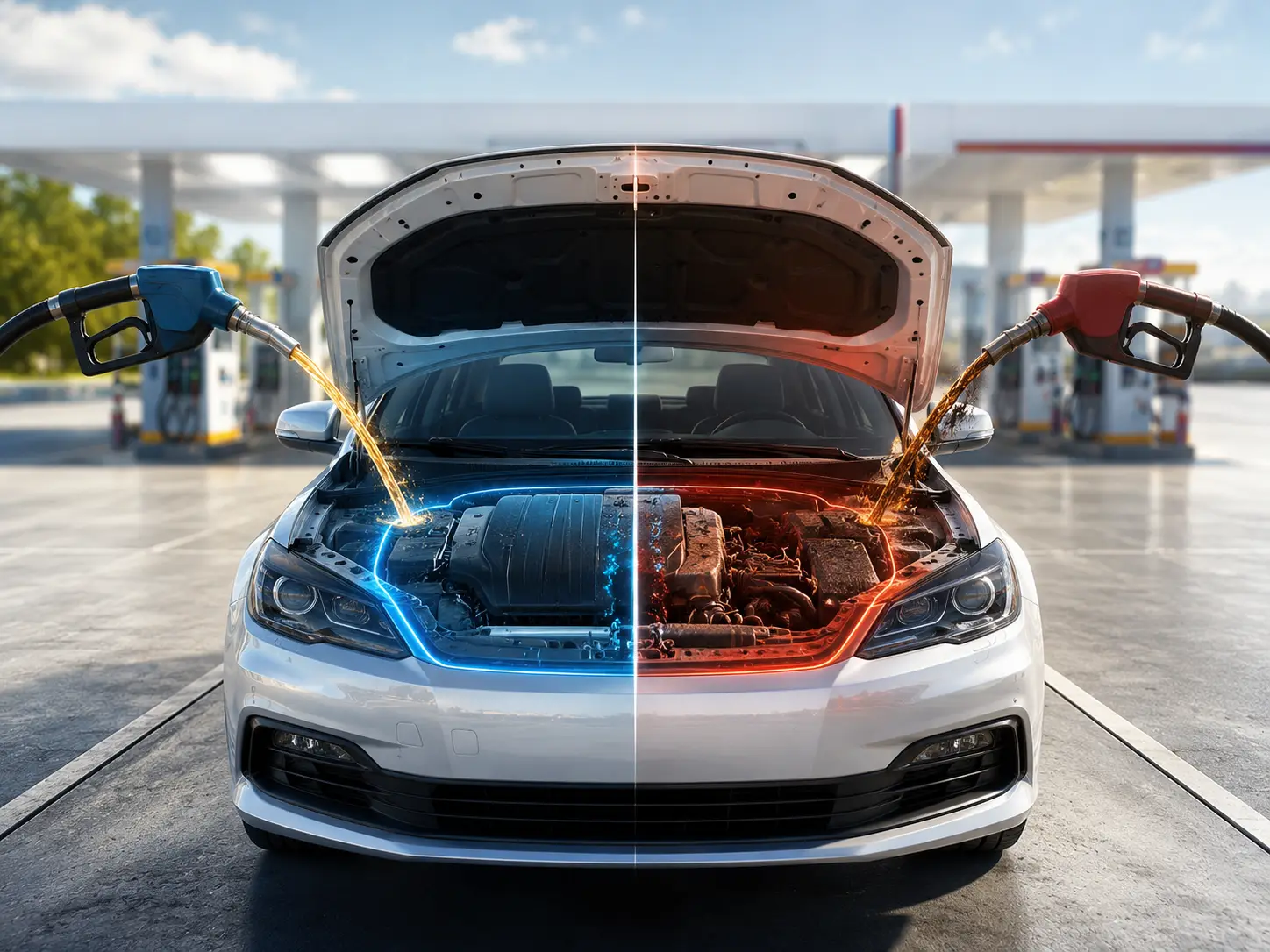
Efficiency drops 1 to 2 per cent
Data from the US Environmental Protection Agency shows that every 45 kg of added weight reduces fuel economy by 1 to 2 per cent. Therefore, carrying two extra adults can increase overall fuel consumption by up to 5 per cent. This slight drop results in higher fuel expenses over time.

150 kg lowers city mileage
The fuel penalty of carrying 150 kg is highly noticeable in stop-and-go city traffic. Every time a driver accelerates from a traffic light, the engine uses extra petrol to move the load. Conversely, highway driving is less affected by weight and more by wind resistance.
Small cars lose more fuel
Lightweight hatchbacks and compact vehicles feel the impact of extra passengers severely. Because the car itself is light, an additional 150 kg represents a large percentage of its total weight. Smaller engines, therefore consume noticeably more fuel to maintain normal speeds.
Tyres save Rs on fuel
Extra passenger weight increases the rolling resistance of your car's tyres on the road. Driving with under-inflated tyres while fully loaded forces the engine to work even harder, burning more fuel. Inflating tyres to the correct laden pressure prevents wasting unnecessary Rs on petrol.

)
)

)