Do you know which was India’s first fighter jet and its role in the 1965 war?

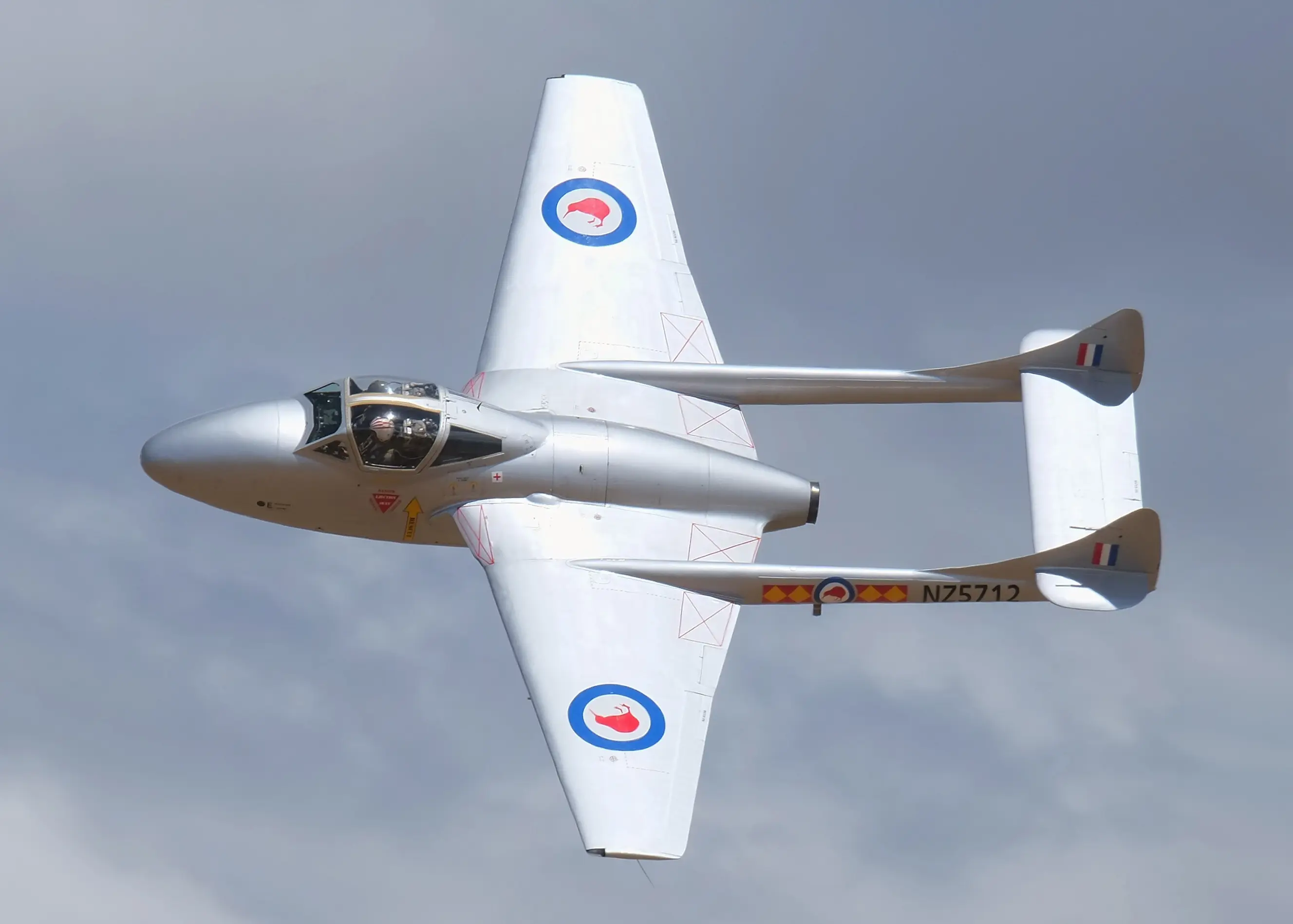
Originally built by the de Havilland Aircraft Company in the United Kingdom, some Vampires were later assembled by Hindustan Aeronautics Limited (HAL) in India.
Dawn of the Jet Age: India’s First Jet Fighter
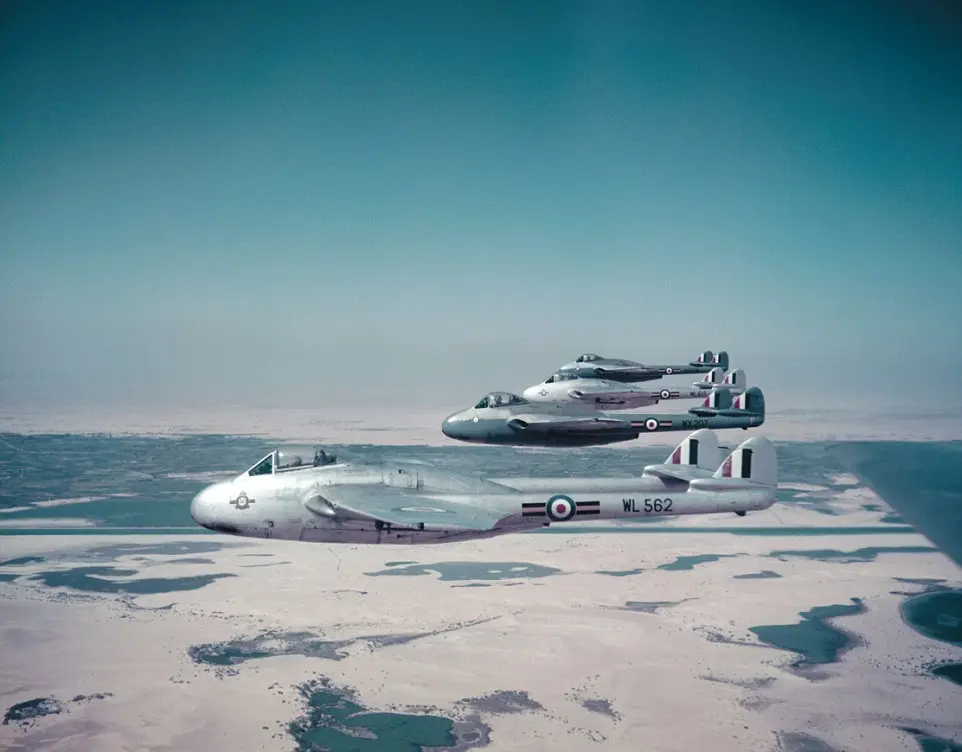
Following independence in 1947, the Indian Air Force (IAF) swiftly moved to modernise its fleet, transitioning from piston-engined aircraft such as the Spitfire and Tempest to the revolutionary era of jet propulsion. The de Havilland Vampire, a British-designed jet fighter, earned the distinction of being India’s first jet aircraft. Entering IAF service in 1948, the Vampire marked India’s formal entry into the jet age, becoming the first Asian air force to operate jet fighters. Originally built by the de Havilland Aircraft Company in the United Kingdom, some Vampires were later assembled by Hindustan Aeronautics Limited (HAL) in India, further cementing its role in India’s aviation history.
A British Design with Distinctive Features
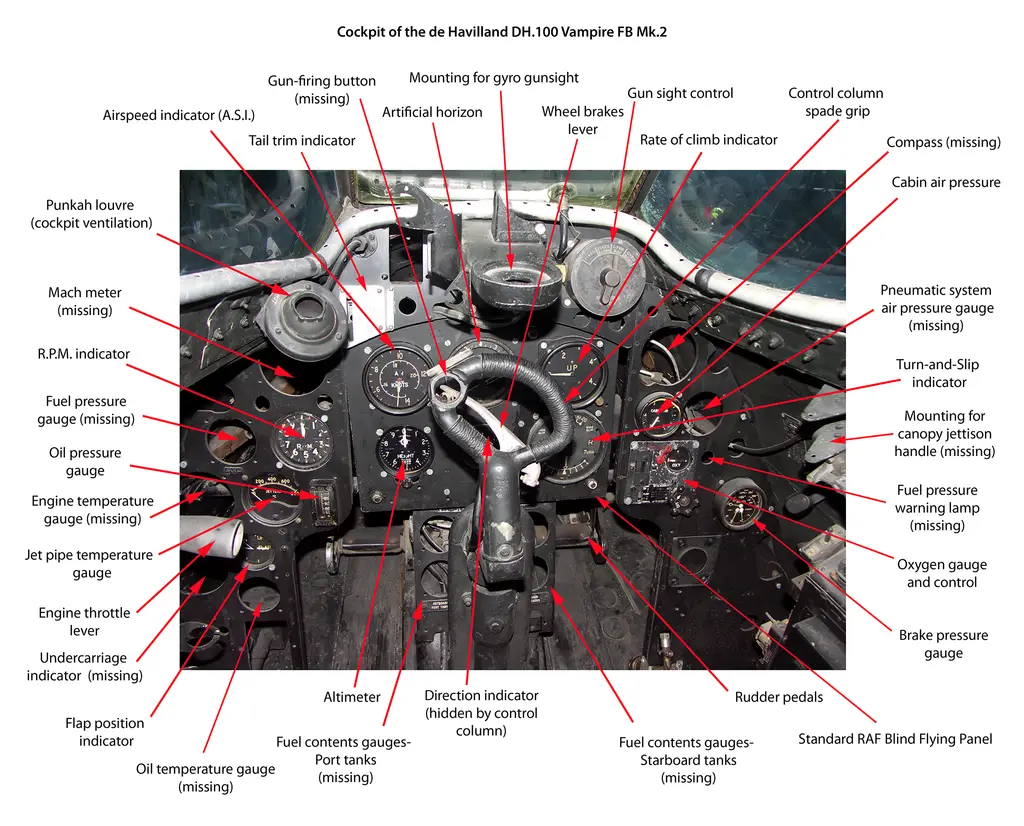
First flown in 1943, the Vampire featured an unmistakable twin-boom tail, a single de Havilland Goblin turbojet engine, and a central fuselage nacelle. Its design, while innovative in propulsion, was relatively straightforward, employing manual flight controls and lacking radar. Notably, the cockpit design suffered from limited ergonomics; essential instruments such as fuel meters were hard to read without moving the control column. Despite this, its compact size afforded the pilot good visibility, and its armament was formidable: four 20 mm Hispano Mk. V cannons complemented by the capacity to carry bombs or rockets.
Service in the Royal Air Force and the Indian Air Force
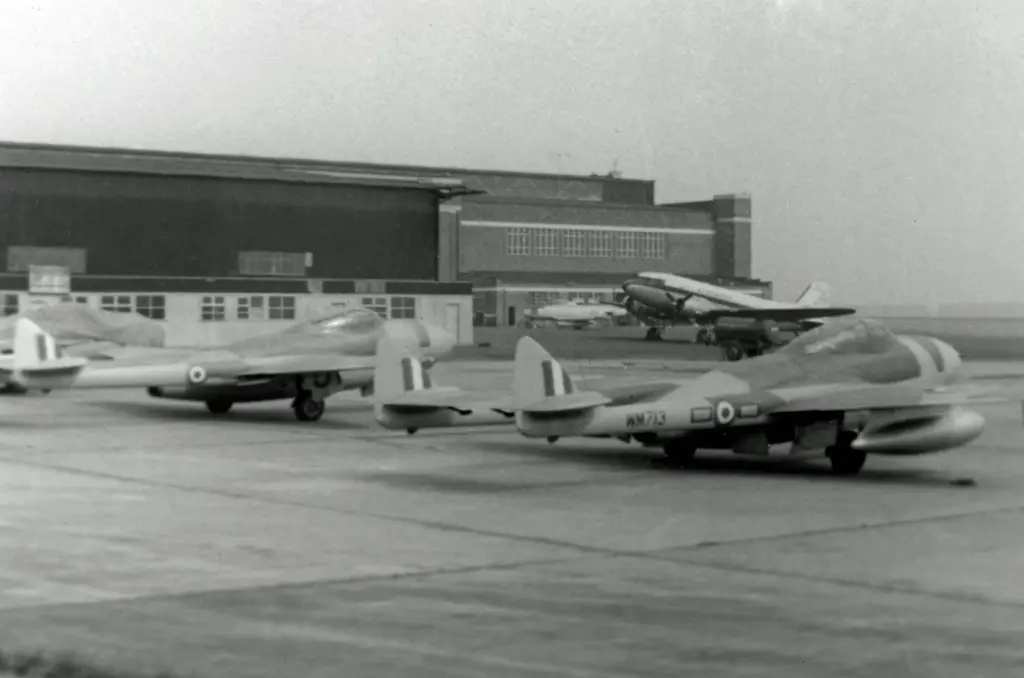
The Vampire served extensively with the Royal Air Force (RAF) before and during its years with the IAF. In the RAF, it achieved several milestones: becoming the second jet fighter after the Gloster Meteor and the first jet aircraft to cross the Atlantic Ocean. Inducted into the IAF in 1948, the Vampire replaced ageing World War II-era piston fighters. Its maximum speed reached 882 km/h (548 mph), with a service ceiling of 42,800 feet and a combat range of approximately 1,960 km. Over the years, the IAF operated several variants, including the day fighter F.3, the fighter-bomber FB.52, the night fighters NF.10 and NF.54, and the reconnaissance PR.55.
Variants and Their Operational Timeline
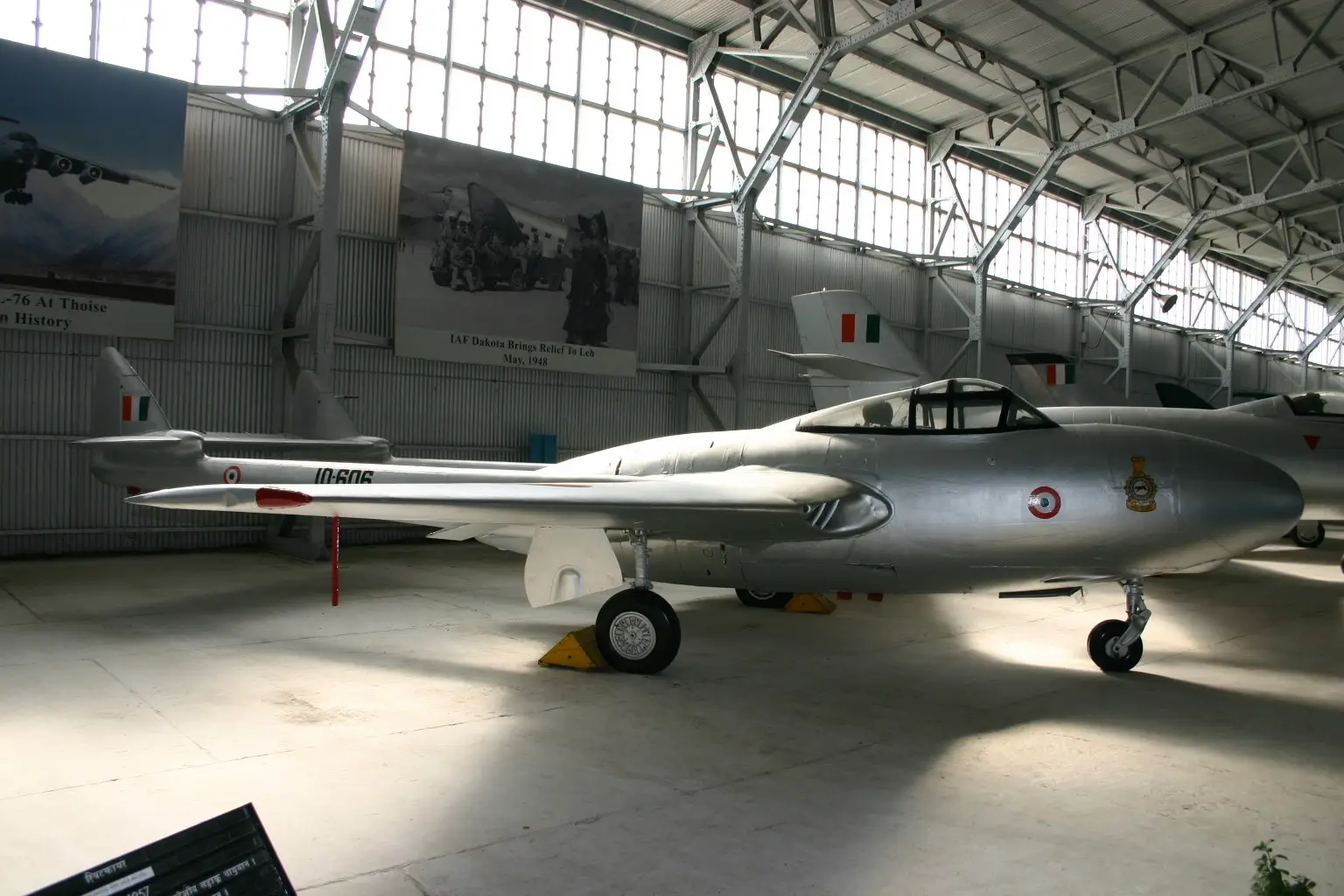
The Vampire F.3 joined the IAF in 1948 and served until its decommissioning in 1955. The FB.52, introduced in 1950, remained in service until 1974. The night-fighter variants had briefer careers: the NF.10, inducted in 1953, retired by 1955, while the NF.54, introduced the same year, served until 1966. The PR.55, a reconnaissance variant, entered service in 1954 and was retired in 1965. Each fulfilled distinct operational roles, from day fighting to night defence and reconnaissance.
Combat Role in the 1965 Indo-Pakistani War
Though the Vampire entered service too late to participate in the 1947–48 Kashmir conflict, it saw notable action in the 1965 Indo-Pakistani War. On 1 September 1965, Pakistan launched Operation Grand Slam in the Chamb sector. Vampires from No. 45 Squadron were deployed to stem the advance, successfully attacking Pakistani armour and positions. It weakened Pakistan's position in the war. However, the ageing Vampires were also faced with modern Pakistani F-86 Sabres, though they fought courageously, four aircrafts were lost in the engagement. Following this, the IAF withdrew Vampires from frontline combat roles, replacing them with more advanced fighters such as the Hawker Hunter and Dassault Mystère IV.
Replaced by Supersonic Successors
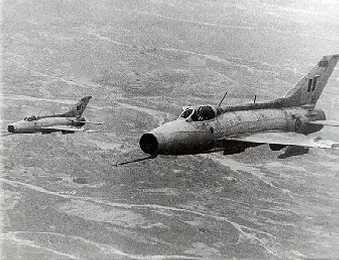
By the mid-1960s, the rapid evolution of jet technology outpaced the Vampire’s performance. India acquired the MiG-21 from the Soviet Union, becoming its first supersonic jet fighter, and introduced the indigenously designed HF-24 Marut, which entered service in 1963. The Marut, designed by German engineer Kurt Tank, was India’s first home-built jet fighter, marking an important step in self-reliant defence production. While the Marut played a ground attack role in the 1971 Indo-Pakistani War, the MiG-21 redefined IAF’s air combat capability.
Legacy and Significance
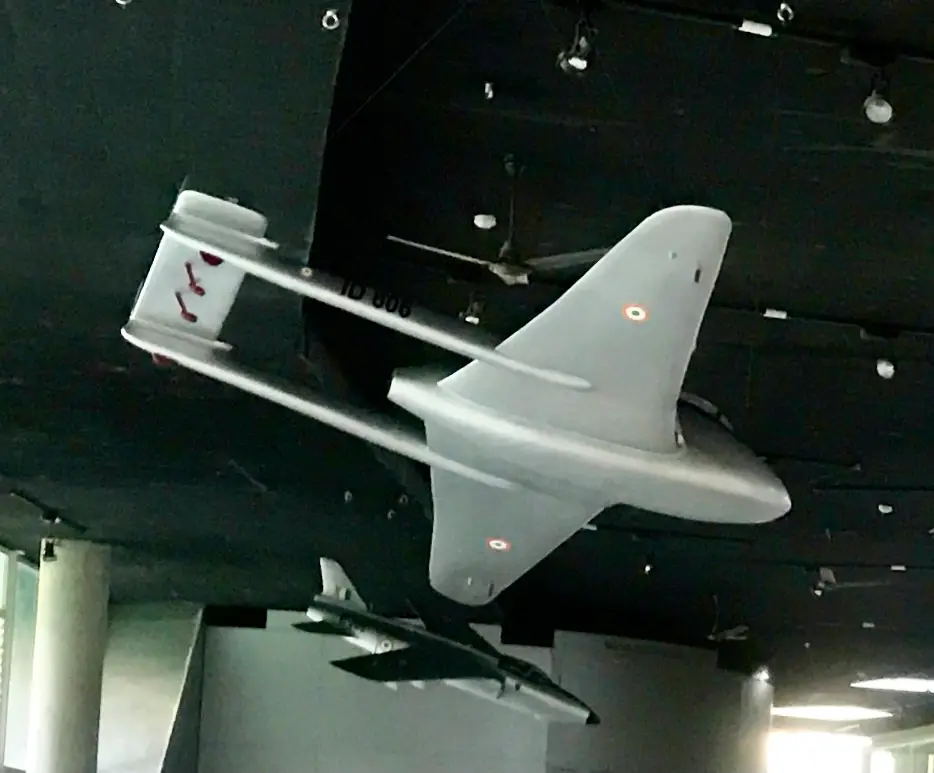
Despite its limitations by modern standards, the Vampire’s legacy endures. It symbolised India’s embrace of the jet age, offered invaluable operational experience, and served as a critical bridge to more advanced designs. Its service history, spanning over two decades, highlights a transformative era in the IAF, bridging the gap between propeller-driven fighters and supersonic jets.
Conclusion
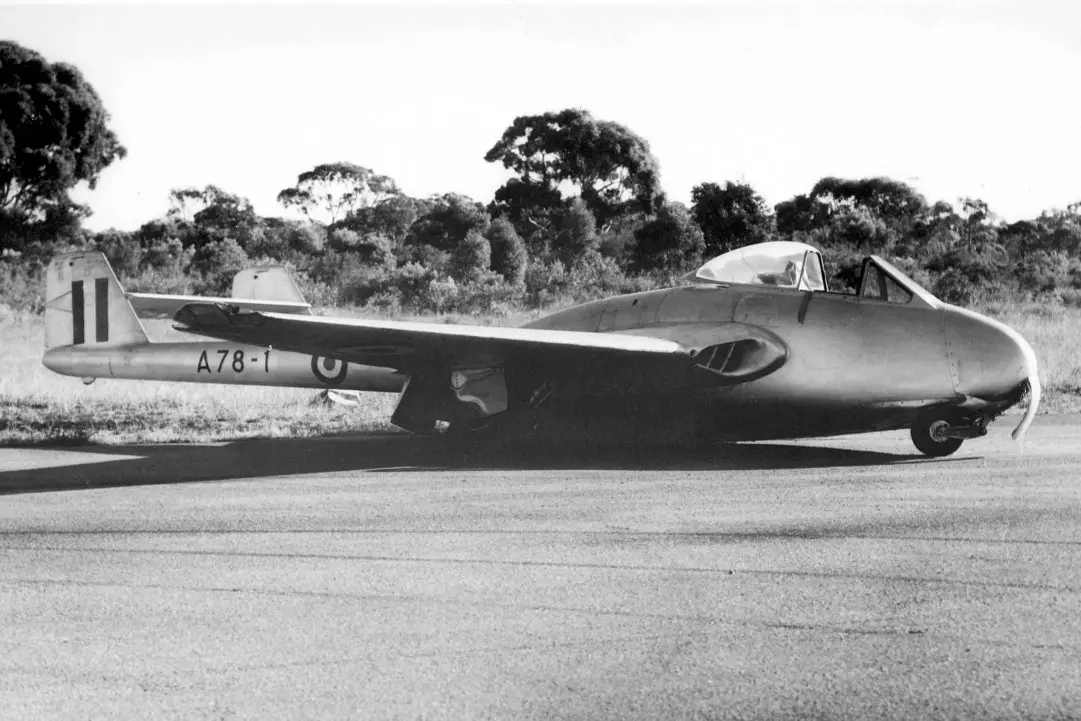
The de Havilland Vampire was more than just India’s first jet fighter; it represented a bold leap into modern air combat, tested in war and refined through service. Though replaced by faster, more capable aircraft, its place in Indian aviation history remains unique, a testament to the nation’s early ambition to master the skies in an era of profound technological change.
)
)
)
)
)