Do you know which 7 countries top the global arms import list?

A sudden surge propelled Ukraine to the number one spot, India’s long-held dominance slipped, Gulf states pursued rapid buildups, and Asian powers like Japan and Australia recalibrated their defence strategies.
A Global Arms Trade in Flux
Global arms flows are shifting in ways few expected. 2025 Data from SIPRI shows how wars, shifting alliances and rising regional tensions have redrawn the map of the world’s top arms importers. A sudden surge propelled Ukraine to the number one spot, India’s long-held dominance slipped, Gulf states pursued rapid buildups, and Asian powers like Japan and Australia recalibrated their defence strategies. The top seven buyers together account for more than a third of global imports, revealing where security fears, and money, are reshaping global power.
Ukraine
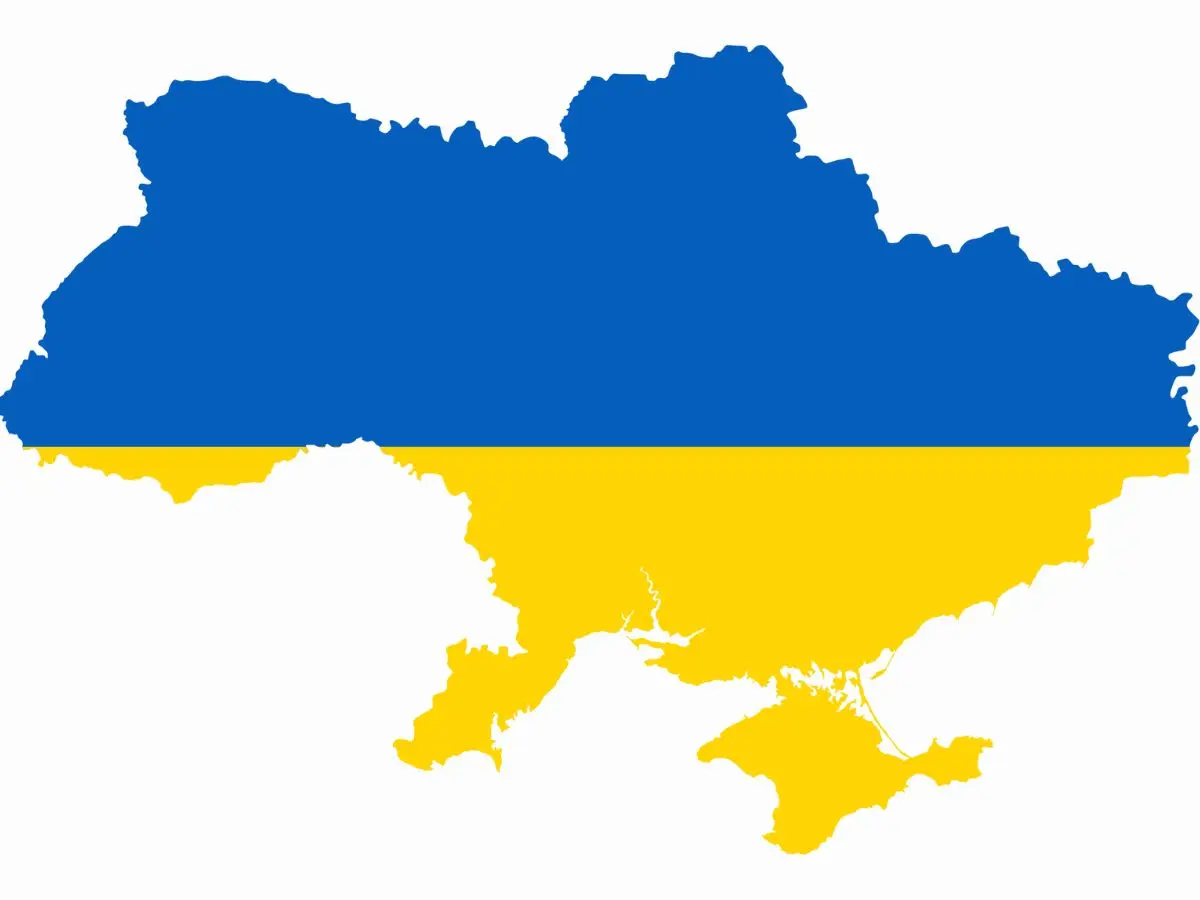
Ukraine accounted for 8.8 per cent of all global arms imports in 2020–24, an unprecedented rise from negligible levels in earlier periods. The surge reflects the enormous flow of weapons into the country following Russia’s invasion in 2022. Its main suppliers, the United States, Germany and Poland, provided advanced air defence systems, tanks and artillery. Ukraine’s sudden leap to the top position illustrates how direct conflict can completely transform the global arms trade.
India
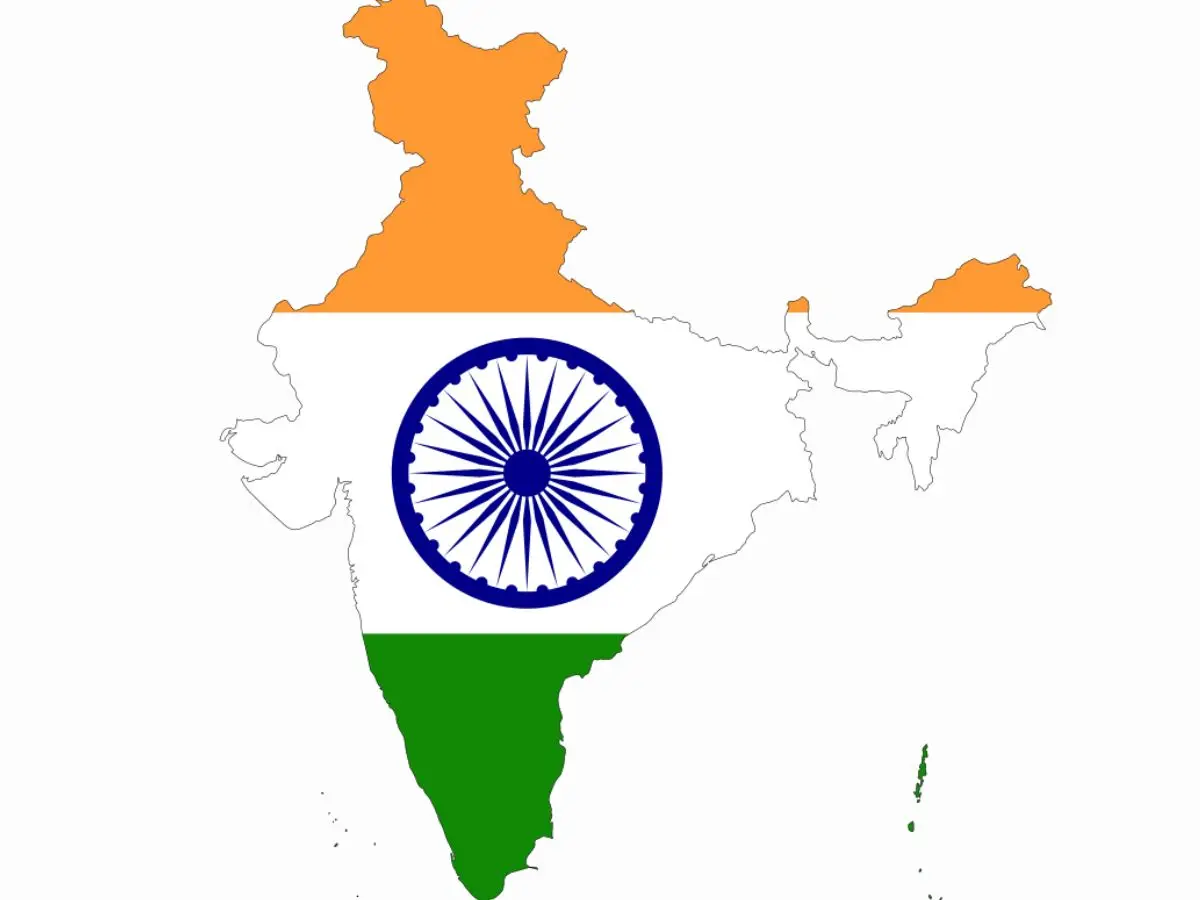
India ranked second with 8.3 per cent of imports, maintaining its status as one of the world’s largest buyers of weapons. Yet this share represented a 9.3 per cent fall compared with 2015–19, as New Delhi sought to expand its domestic arms industry. Russia remained its single biggest supplier, delivering 36 per cent of India’s imports, but the reliance is shrinking. Increasing purchases from France, Israel and the United States reflect a deliberate strategy of diversification and a gradual move towards self-reliance.

Qatar
Qatar placed third, responsible for 6.8 per cent of global imports. Unlike India, its trend is sharply upward: deliveries more than doubled compared with the previous five years. Major acquisitions came from the United States, Italy and the United Kingdom, supporting Doha’s drive to rapidly enhance its military capabilities. The acceleration of imports underscores the country’s determination to secure its position in a turbulent Gulf region.

Saudi Arabia
Saudi Arabia also accounted for 6.8 per cent of the global share, ranking fourth. However, its imports dropped by 41 per cent compared with 2015–19, marking one of the steepest declines among the top buyers. The United States, Spain and France remained its leading suppliers. Although Riyadh is no longer the world’s largest importer, the volume of its purchases still places it among the central players in the global arms market.

Pakistan
Pakistan emerged as the fifth-largest importer, responsible for 4.6 per cent of the global total. Its imports rose by 61 per cent compared with the previous five years. China supplied the bulk of these weapons, consolidating its position as Pakistan’s closest military partner, while the Netherlands and Türkiye also contributed. The figures highlight Pakistan’s determination to expand its arsenal and maintain military balance in South Asia.
Japan
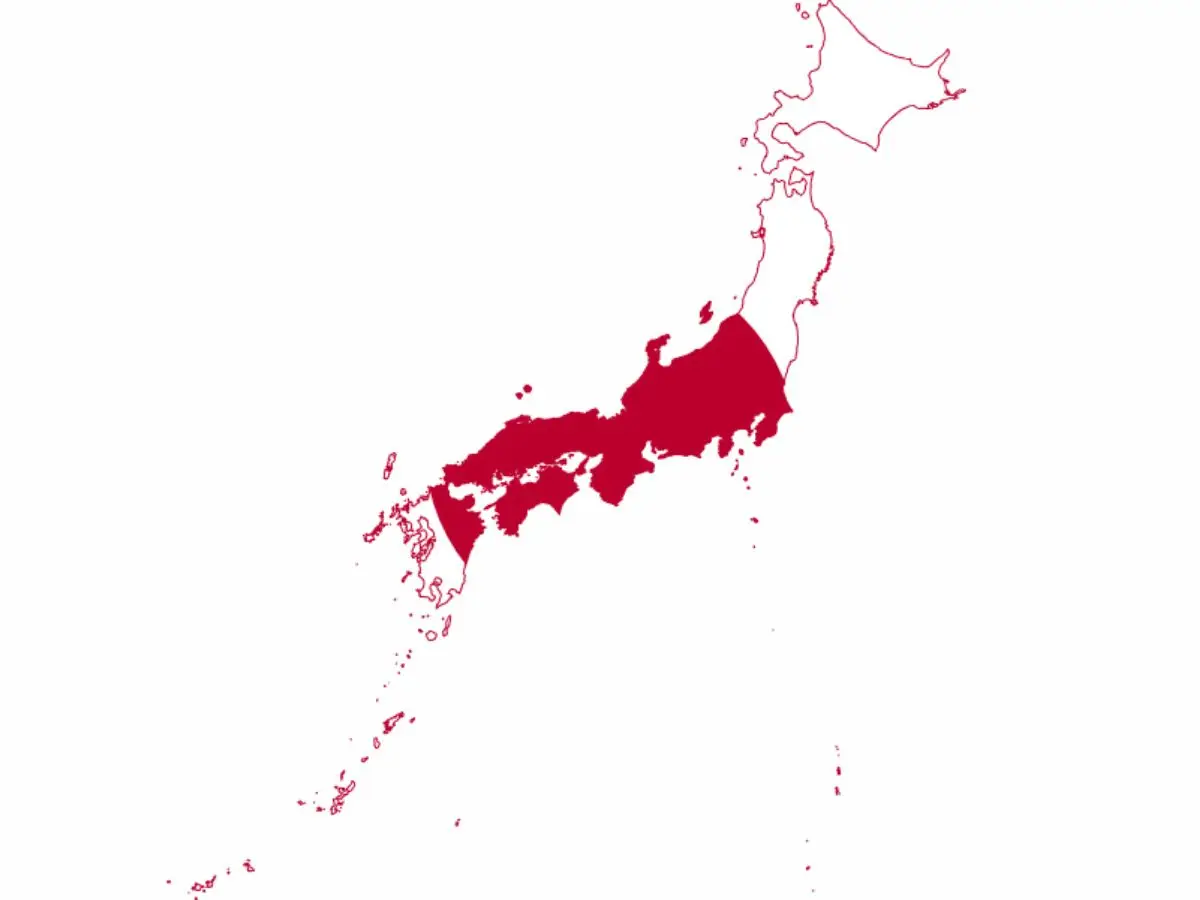
Japan ranked sixth, accounting for 3.9 per cent of global imports. Deliveries to Tokyo almost doubled compared with 2015–19, reflecting a significant shift in its defence posture. The United States remained the dominant supplier, supported by deliveries from the United Kingdom and Germany. Japan’s expansion of arms imports underscores its growing concern over security challenges in East Asia, particularly tensions with China and North Korea.
Australia
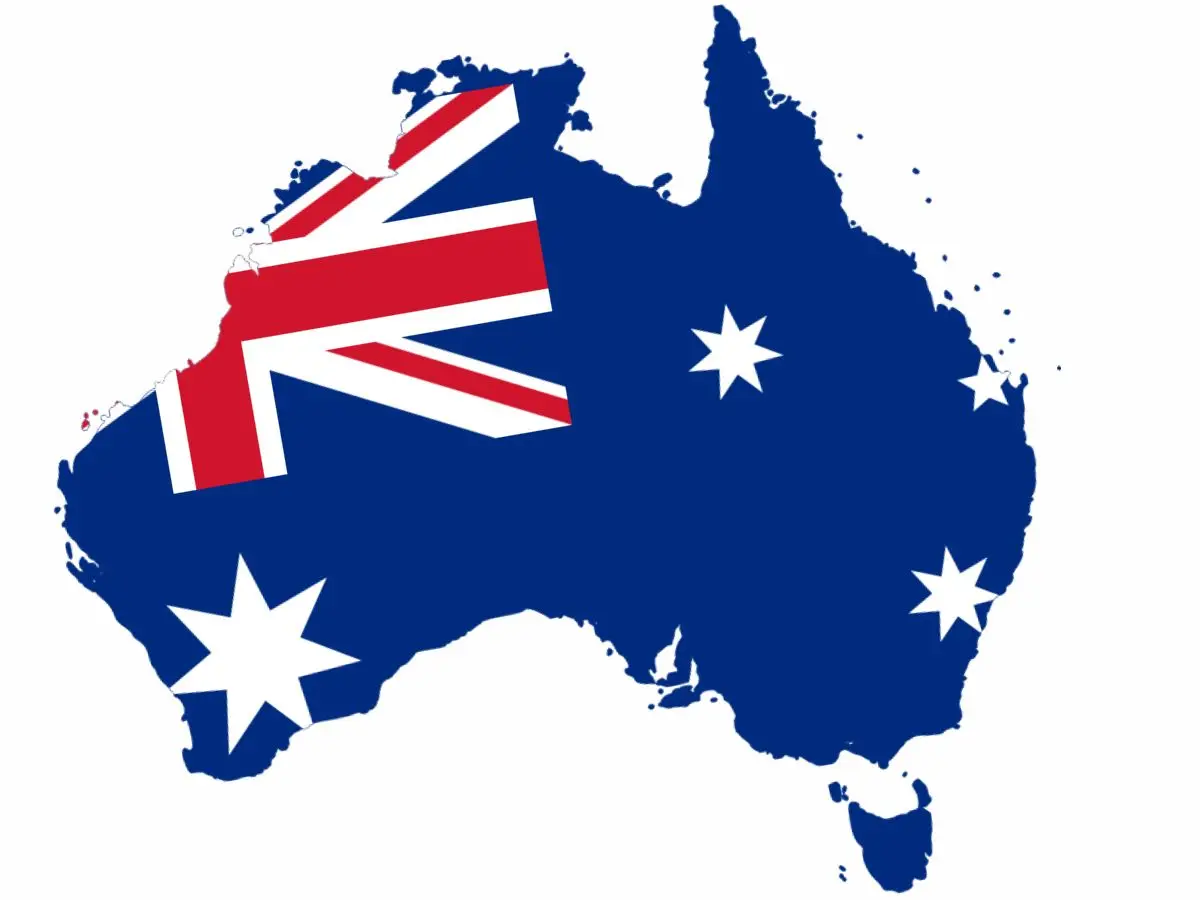
Australia completed the top seven with 3.5 per cent of global imports. Unlike most others in this group, its purchases declined by 27 per cent compared with the previous period. The United States remained Canberra’s primary supplier, with Spain and Norway also contributing. Despite the fall in volume, Australia remains a major actor in the Asia-Pacific arms market, reflecting its long-term strategy of modernisation and alliance with Western partners.
)
)
)
)
)