Do you know at what age you can legally buy petrol?

While often overlooked, strict safety laws in regions like the UK make it illegal for anyone under 16 to buy or pump petrol. Fuel stations frequently enforce ID checks to ensure that hazardous and highly flammable liquids are handled safely.
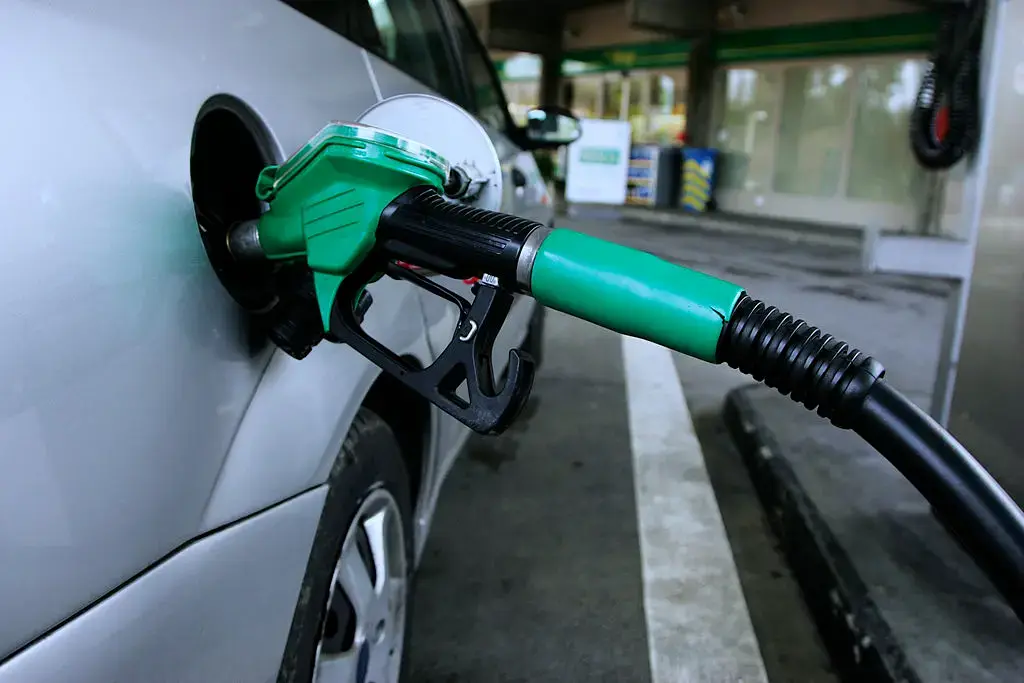
Age restriction
While everyday items like groceries have no age limits, buying fuel is heavily restricted in several parts of the world. Because petrol is a highly volatile chemical, governments regulate its sale to prevent severe safety hazards and accidental fires.
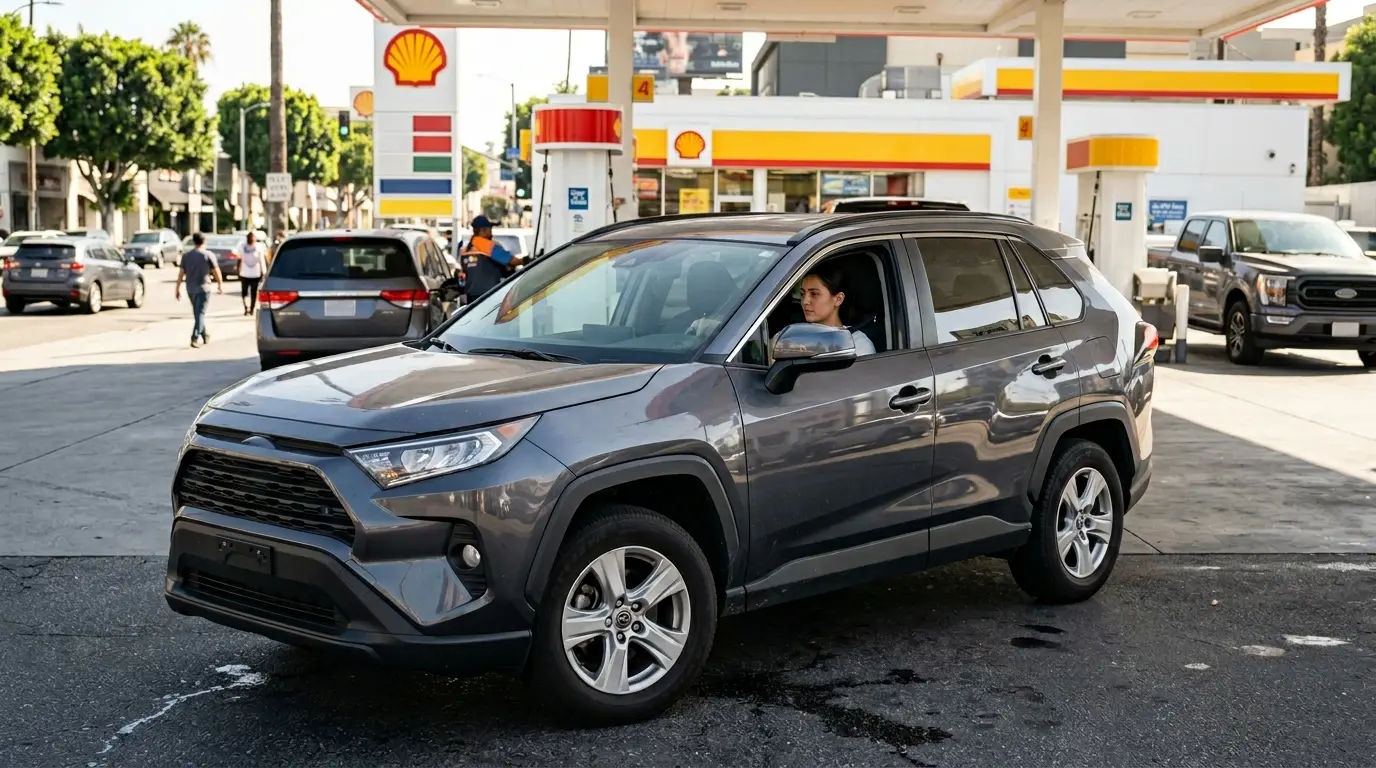
The 16-year age limit
Under the United Kingdom's Petroleum (Consolidation) Regulations 2014, it is strictly illegal to sell or supply petrol to anyone under the age of 16. Retailers caught violating this law can face severe financial penalties of up to £5,000.
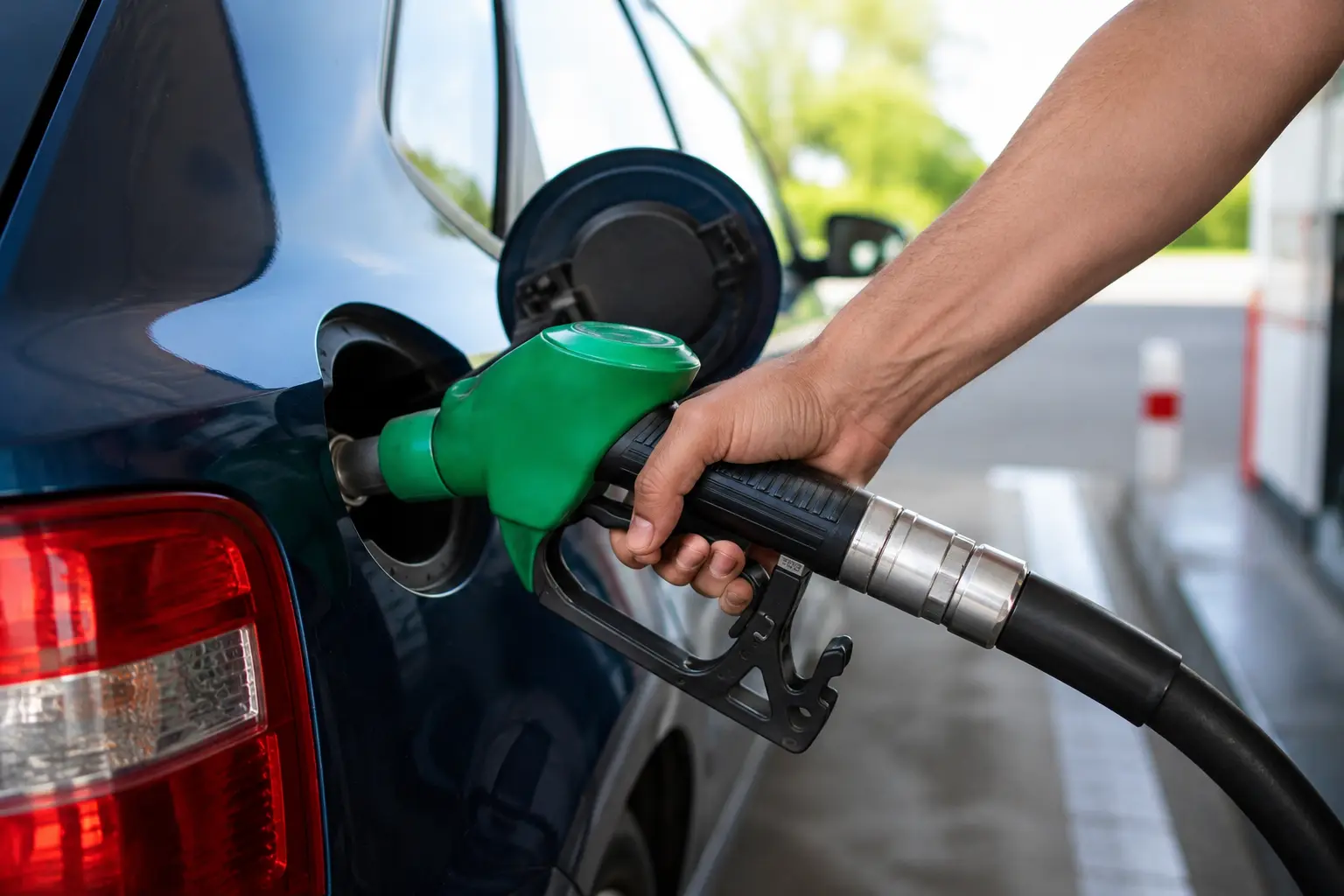
Operating the fuel pump
The legal restriction does not just apply to paying at the counter. The UK law explicitly states that no person under the age of 16 is allowed to operate a petrol dispenser on a forecourt, even if a supervising adult is present in the vehicle.
Proof of age required
To comply with these strict safety laws, many fuel stations actively enforce a 'Challenge 25' policy. If a customer attempting to buy petrol or fill a portable jerry can looks under 25, the cashier will demand a valid photo ID to verify their age.
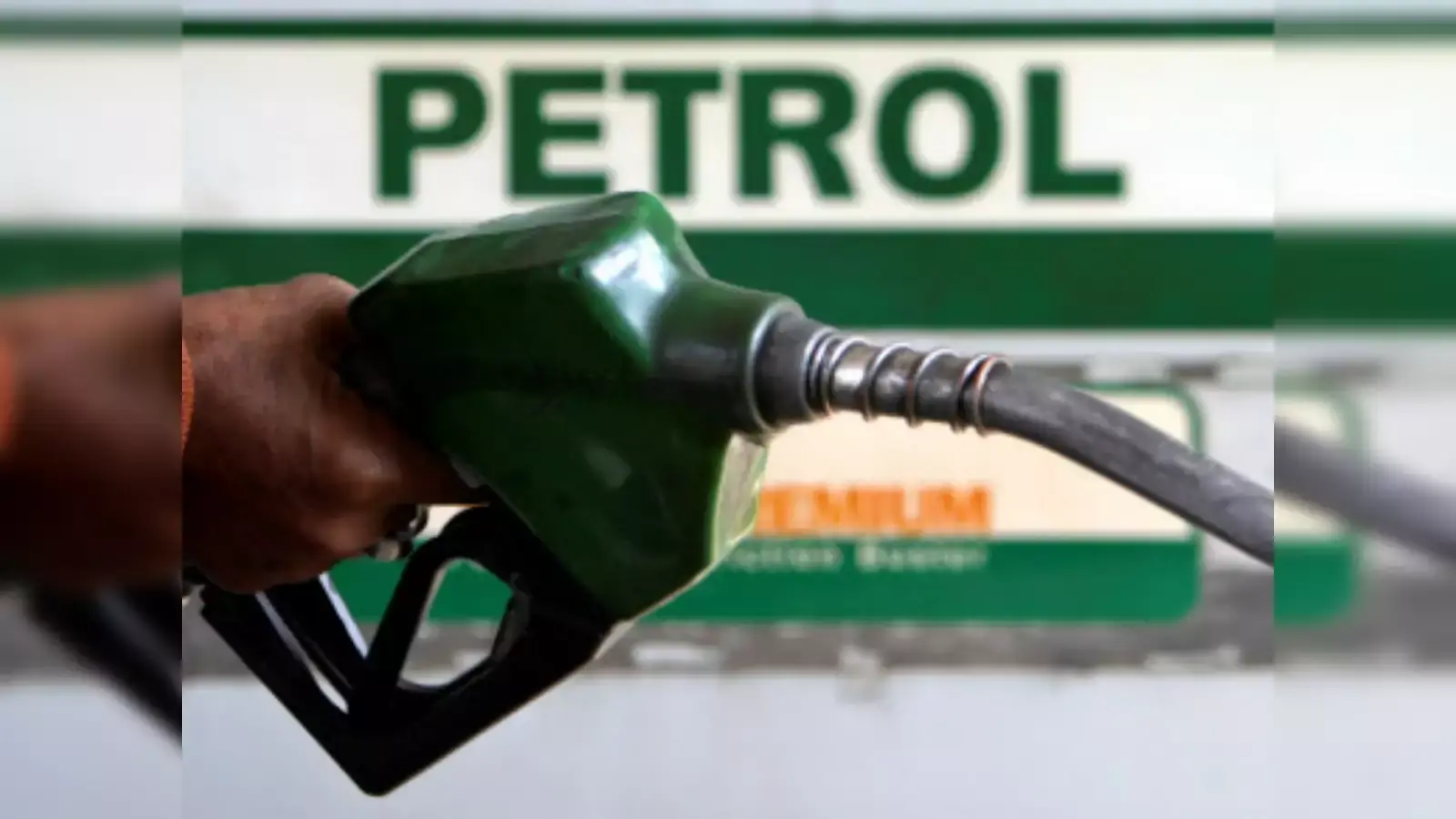
Strict rules
Petrol is exceptionally flammable, and its toxic vapours can be dangerous if inhaled directly. These age restrictions are designed by health and safety executives to ensure that only responsible individuals handle the hazardous liquid, preventing intentional misuse and catastrophic accidents.
)
)
)
)
)