Do fighter jets use afterburner during takeoff from USS Abraham Lincoln?

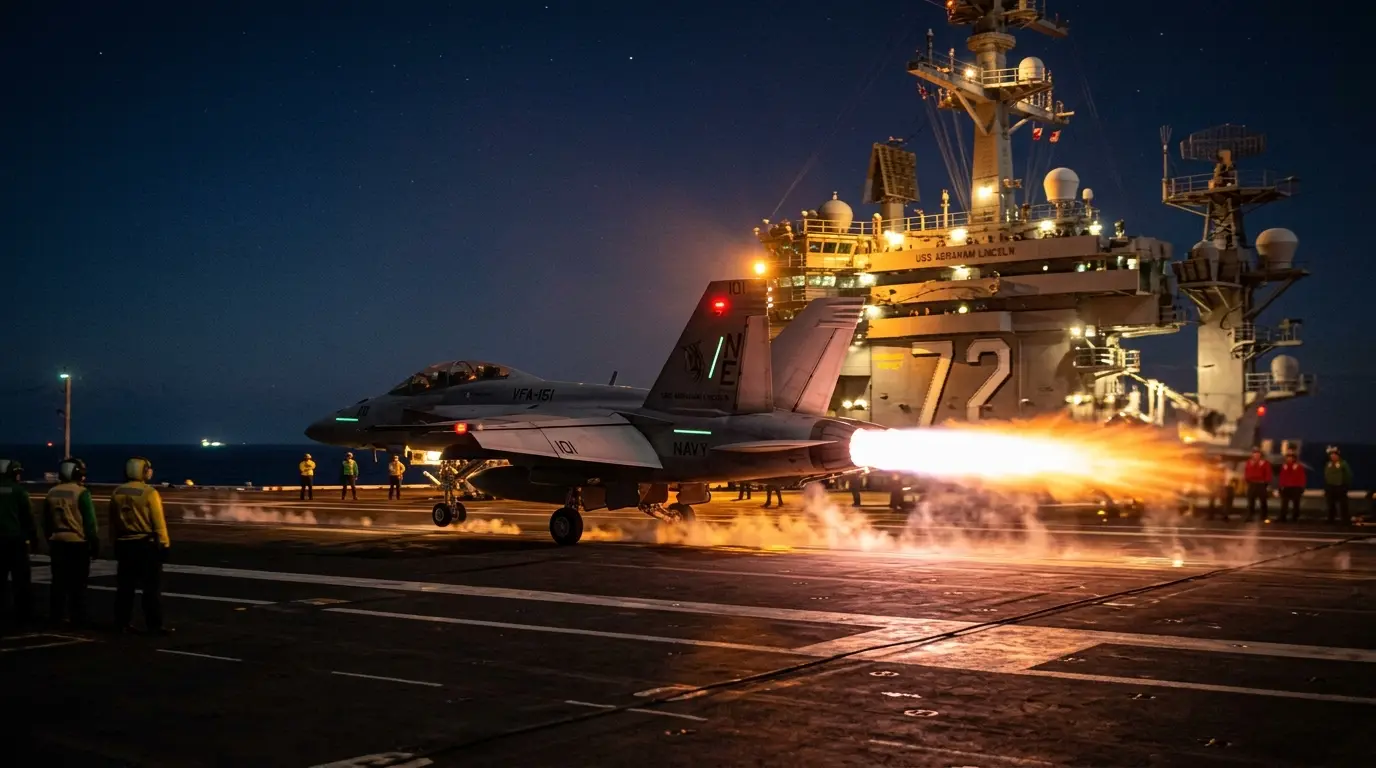
Do fighter jets use afterburners taking off from the USS Abraham Lincoln? F/A-18 Super Hornets regularly ignite afterburners to lift heavy ordnance, but the $102 million F-35C relies on its massive F135 engine to launch in dry 'Military Power'.
The Catapult Boost
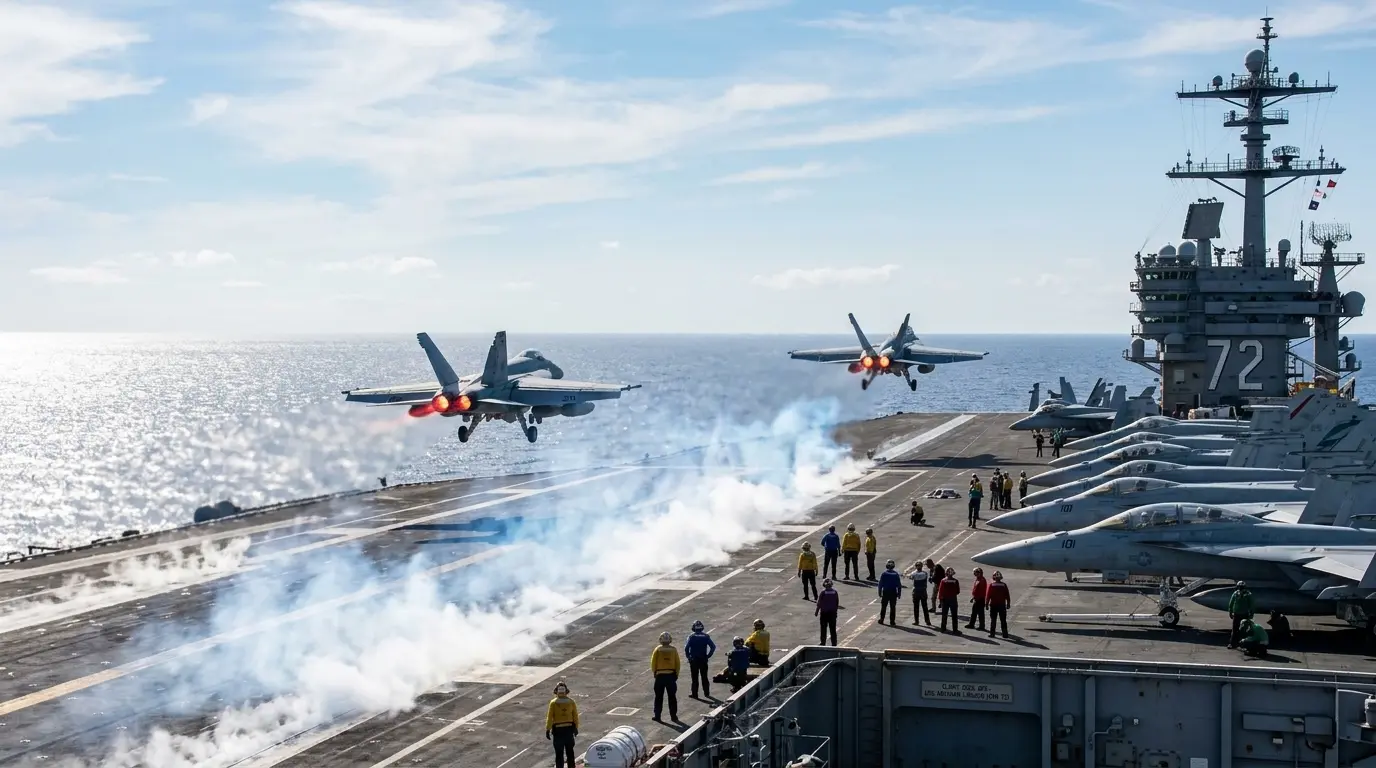
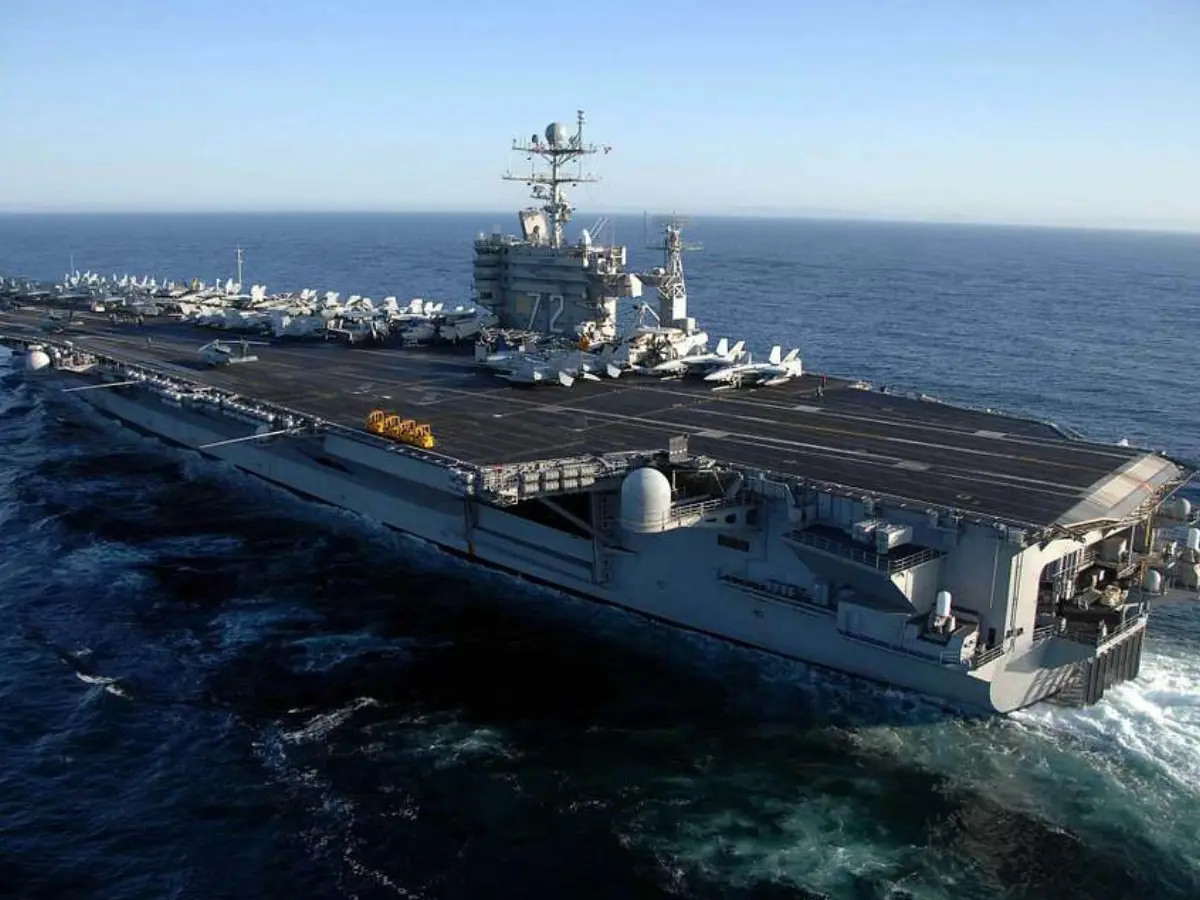
Taking off from the 300-foot runway of the USS Abraham Lincoln is physically impossible without the C-13 steam catapults. While these systems hurl aircraft to 160 miles per hour in two seconds, the jets require massive immediate engine thrust to remain airborne.
The F/A-18 Super Hornet
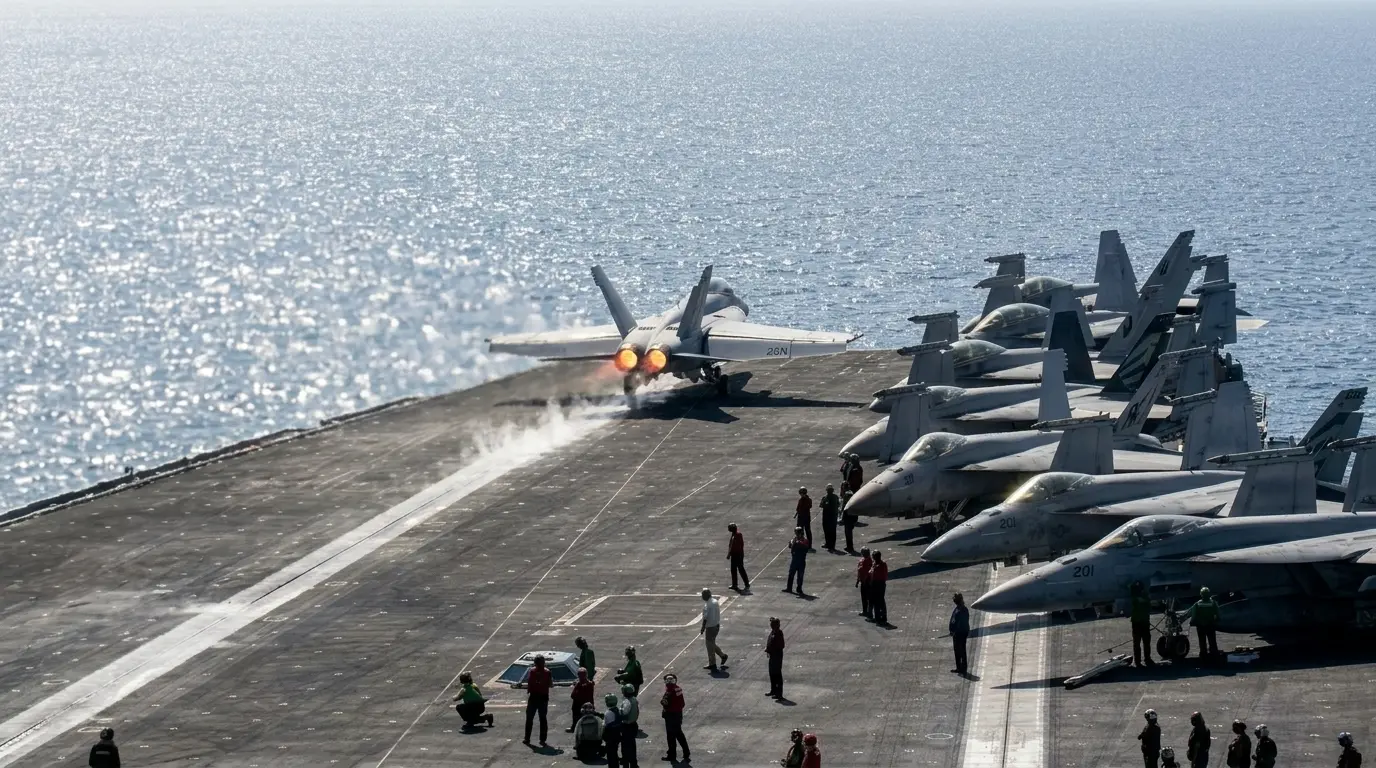
The Boeing F/A-18 Super Hornet operates as the absolute backbone of the US Navy carrier air wing. When launching from a carrier, Super Hornet pilots almost universally ignite their afterburners, pushing the throttles into 'Zone 5' maximum power.
Heavy Ordnance Demands
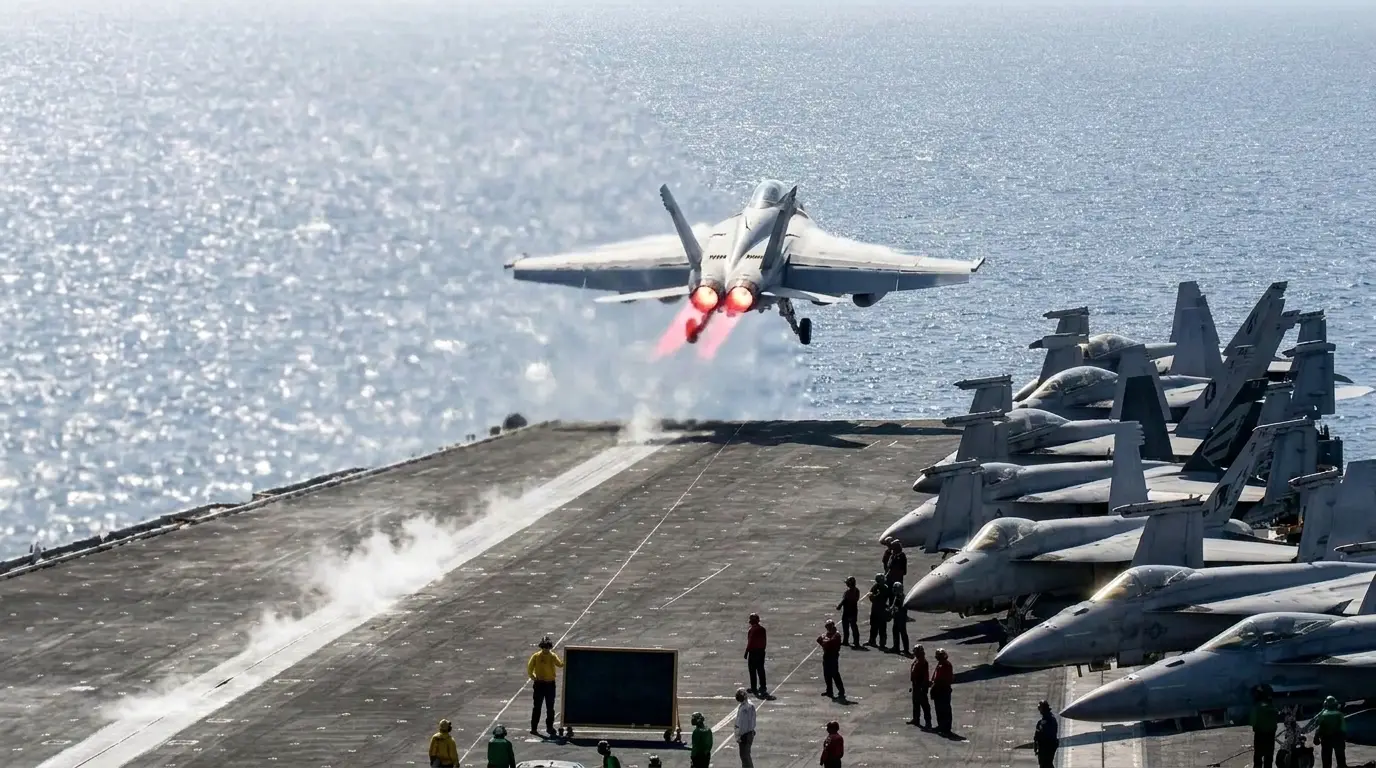
Because Super Hornets regularly launch carrying thousands of pounds of bombs and external fuel tanks, they require a massive thrust boost. The afterburner injects raw fuel directly into the exhaust, generating up to 50 per cent more thrust to prevent the heavy jet from sinking into the ocean.
The F-35C Exception
Unlike older fighters, the Navy's newest $102 million stealth aircraft handles carrier launches completely differently. According to military operational data, the Lockheed Martin F-35C Lightning II rarely uses its afterburner during a standard catapult takeoff.
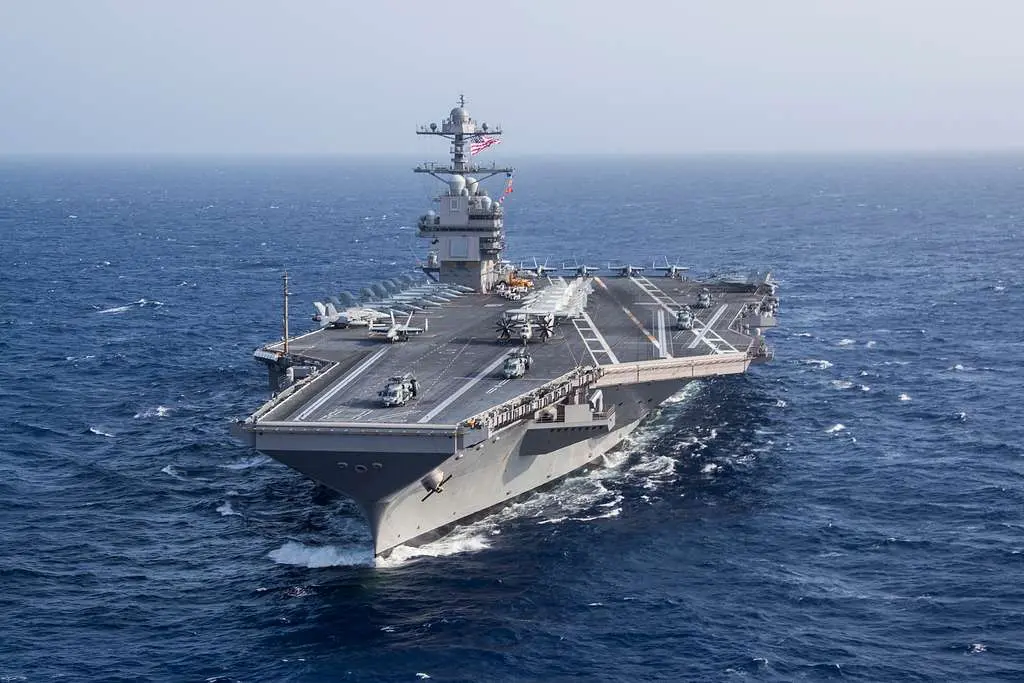
The F135 Engine Power
The F-35C avoids afterburner usage because it is equipped with the Pratt & Whitney F135, the most powerful fighter engine ever built. Operating in standard 'Military Power', this single engine generates a staggering 28,000 pounds of dry thrust to safely lift the aircraft off the flight deck.
Tactical Fuel Conservation
Relying strictly on dry thrust gives the F-35C massive tactical advantages during prolonged combat deployments. By avoiding the extreme fuel consumption of an afterburner, the stealth fighter preserves critical range while simultaneously preventing severe heat damage to the flight deck.
The Night Launch Spectacle
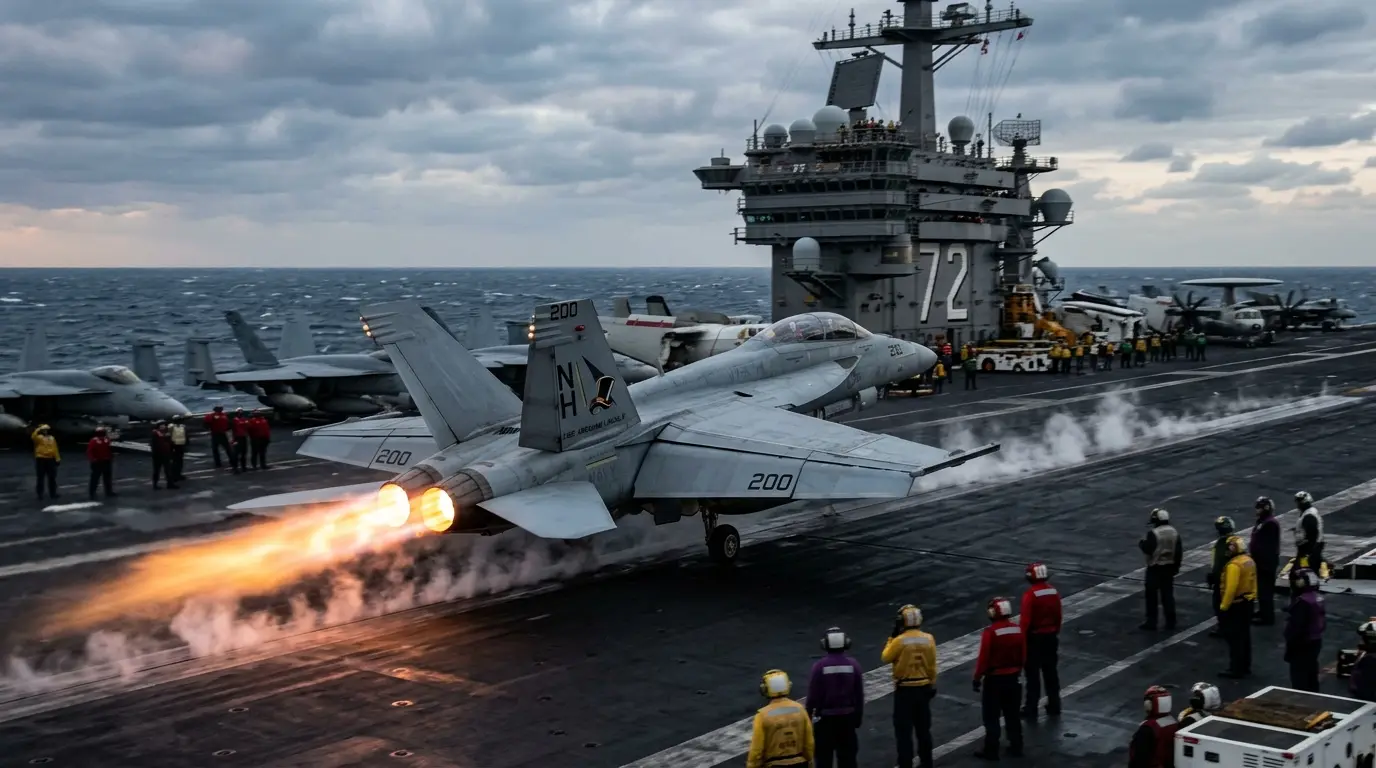
When afterburners are engaged, they ignite raw kerosene in the exhaust stream to generate temperatures exceeding 3,000 degrees Fahrenheit. This explosive reaction creates the iconic glowing shock diamonds and roaring flames that make night launches on the USS Abraham Lincoln incredibly spectacular.
)
)
)
)
)