Do fighter jets speed up when landing on USS Abraham Lincoln?

Fighter pilots on the USS Abraham Lincoln apply full military power upon touchdown instead of braking. This ensures the jet has enough speed to take off again if its tailhook misses the arresting wires, preventing a crash.

The 150 mph approach
Fighter jets approach the USS Abraham Lincoln flight deck at speeds of roughly 150 mph. Despite flying towards a very short runway, the pilots do not prepare to hit the brakes.
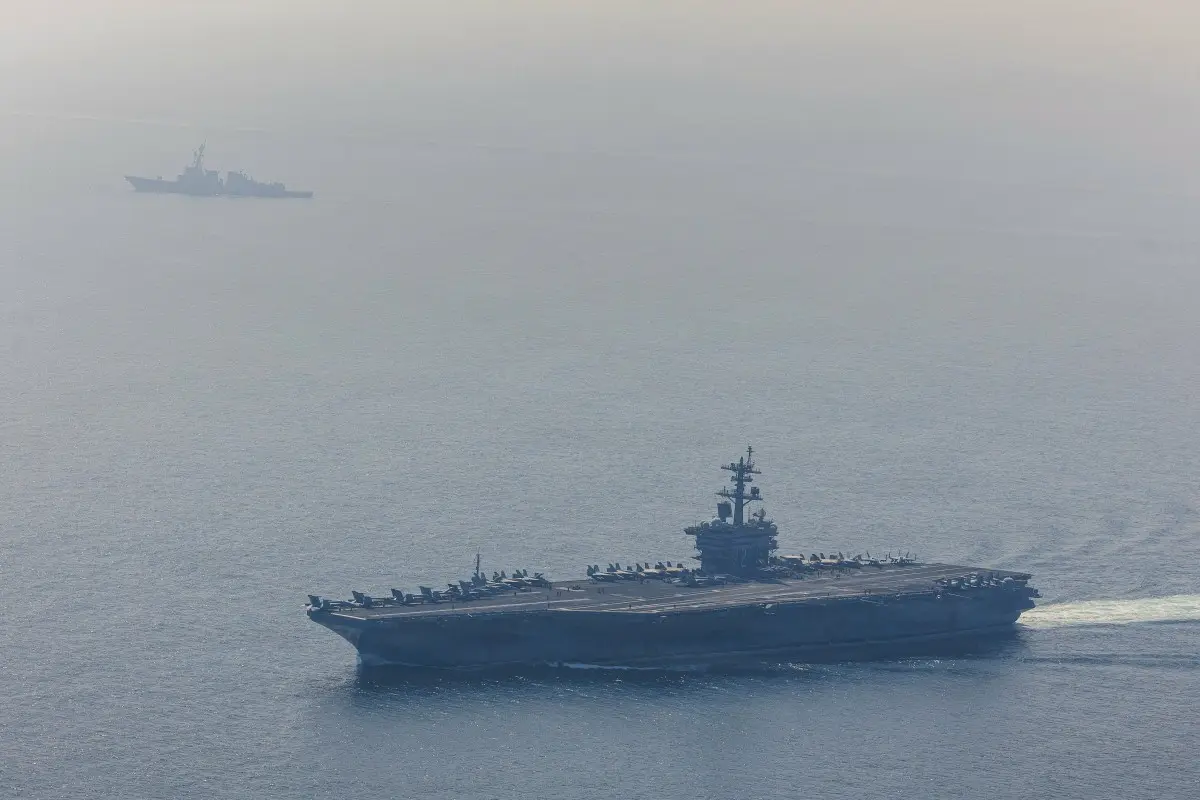
Applying full military power
The moment the aircraft's wheels touch the deck, the pilot instantly pushes the engines to full military power. Rather than slowing down, they actively command the jet to accelerate.
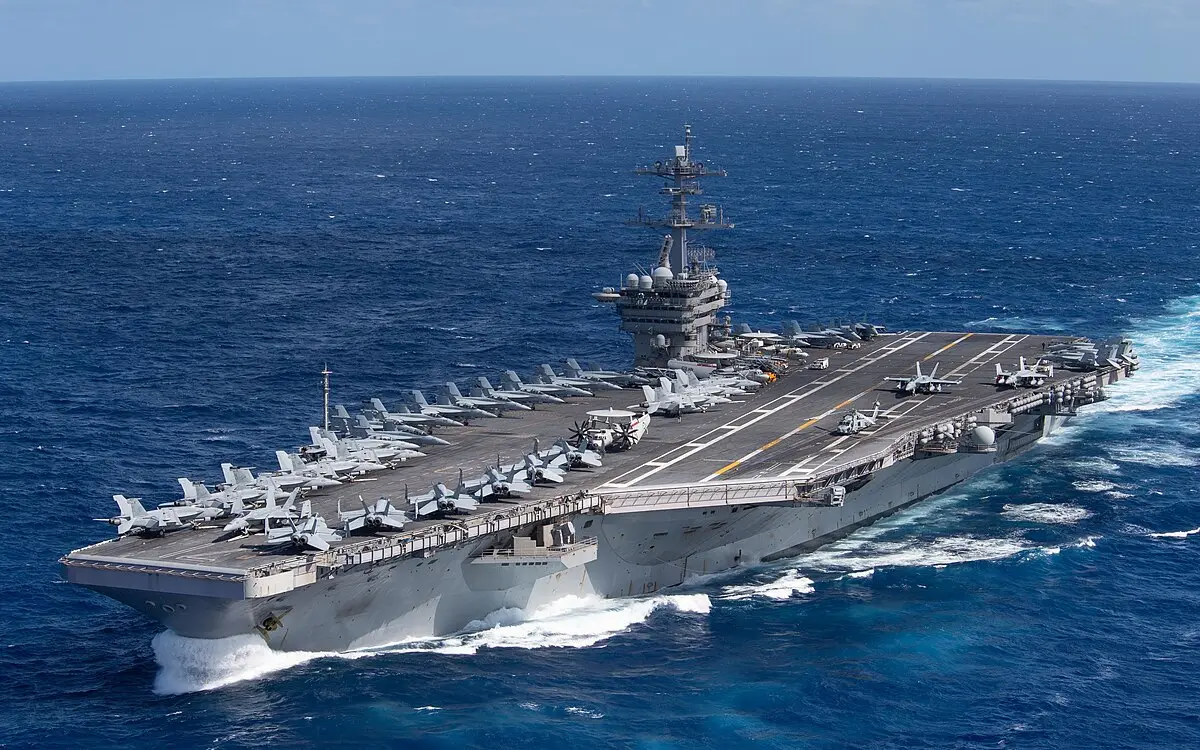
The 'bolter' scenario
This massive burst of speed is required for a scenario known as a 'bolter'. If the jet's tailhook fails to snag the deck's arresting wires, the aircraft must immediately fly back off the ship.
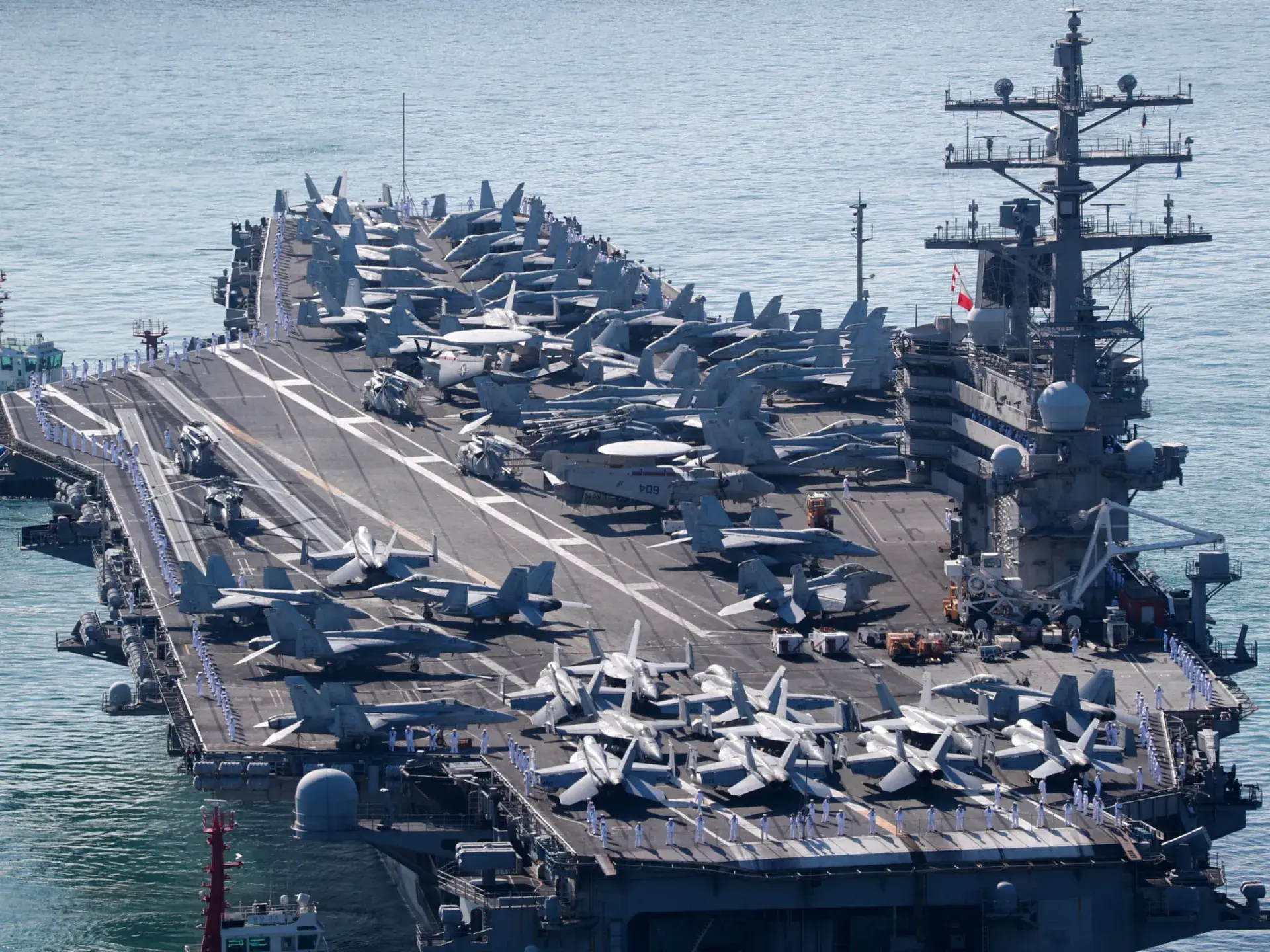
Avoiding a deck crash
Because the landing strip is only about 315 feet long, a jet without full throttle would simply fall off the edge into the sea. The instant acceleration ensures the pilot can safely go-around for another attempt.
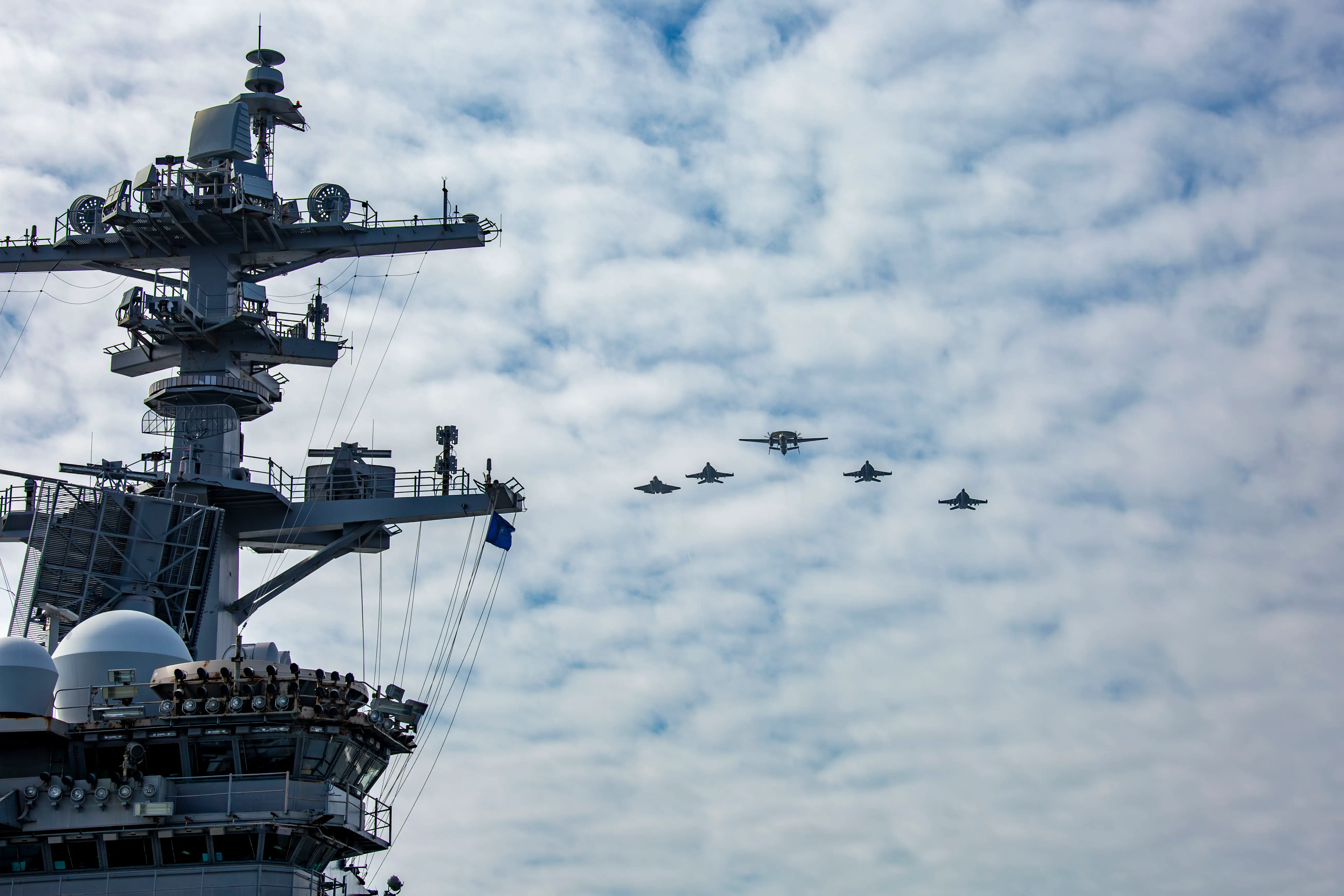
The arresting wires
The USS Abraham Lincoln is equipped with high-tensile steel arresting wires laid across the deck. Pilots are trained to aim precisely for the third wire, which offers the safest margin for error.
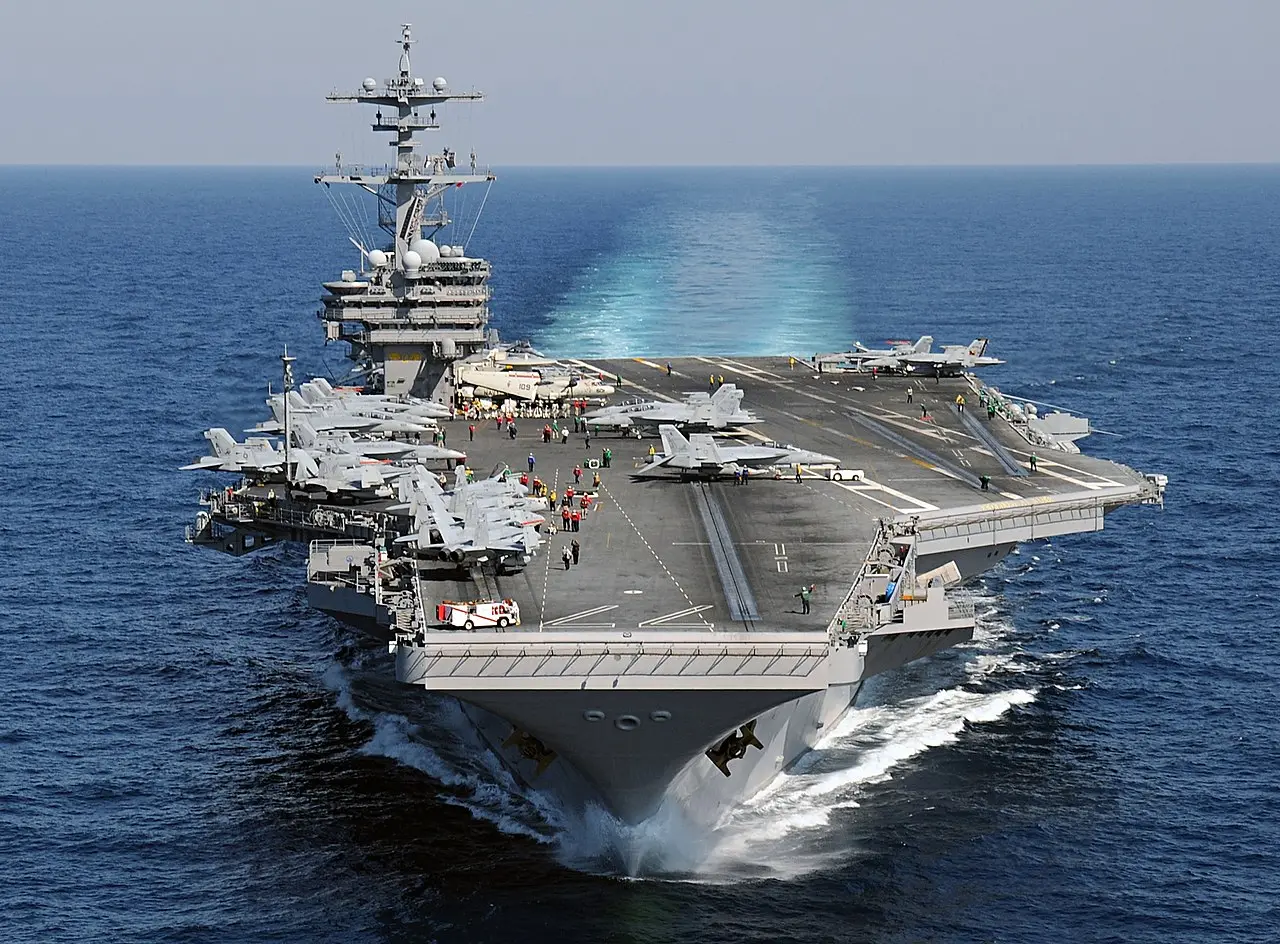
Two seconds to stop
If the tailhook successfully catches a wire, the ship's massive hydraulic engines absorb the jet's kinetic energy. This system violently forces a 50,000-pound aircraft to a complete halt in just two seconds.
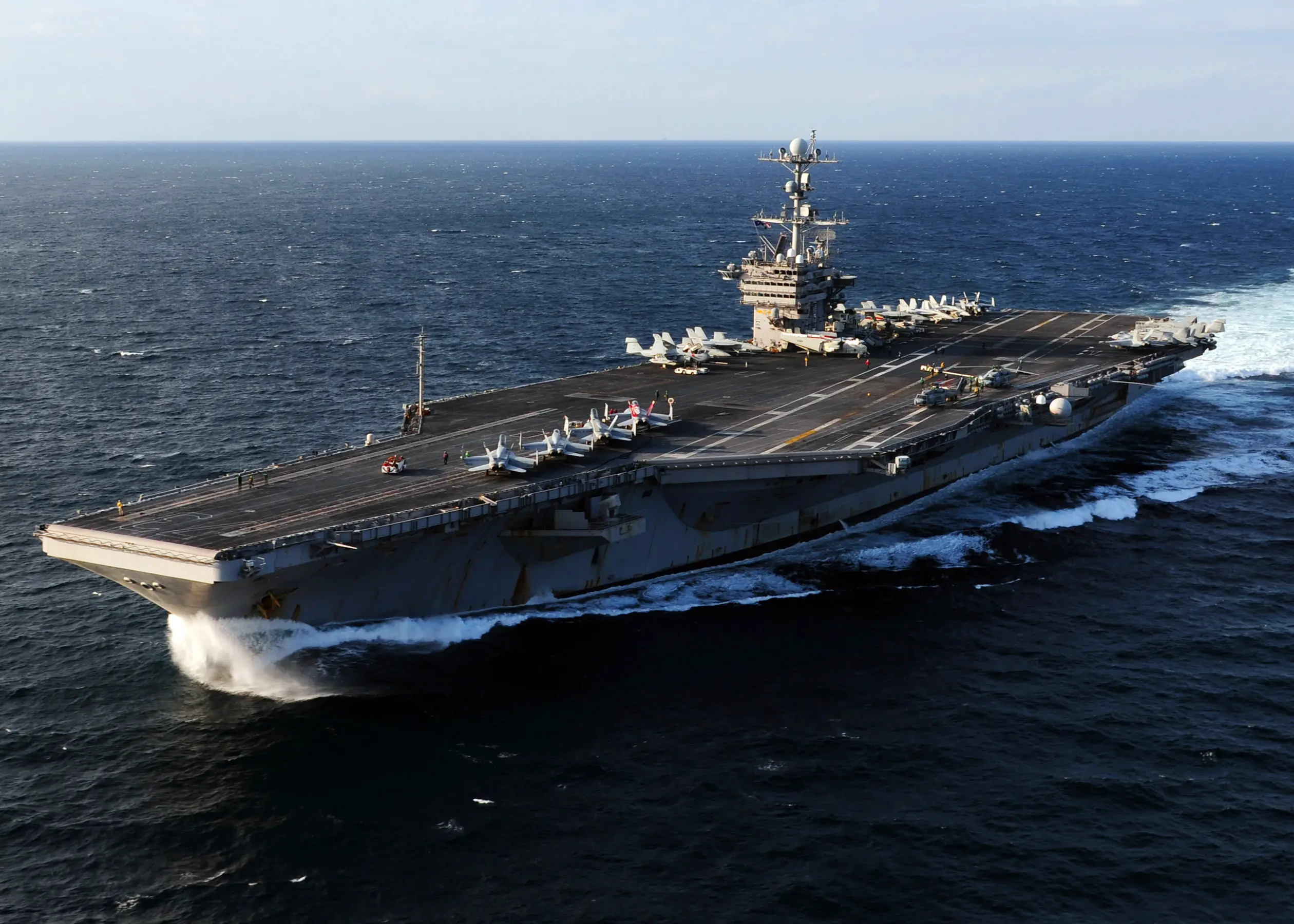
Throttling down safely
The pilot keeps the engines roaring at full power until they physically feel the massive deceleration of the wire pulling them backward. Only then do they pull the throttles back to idle to safely taxi away.
)
)
)
)
)