Do fighter jets need new tyres after every landing?

Fighter jet tyres face extreme pressure during landings and usually it last few landings. They are inspected after every landing to maintain safety. Why tyre checks are vital to fighter jet safety.
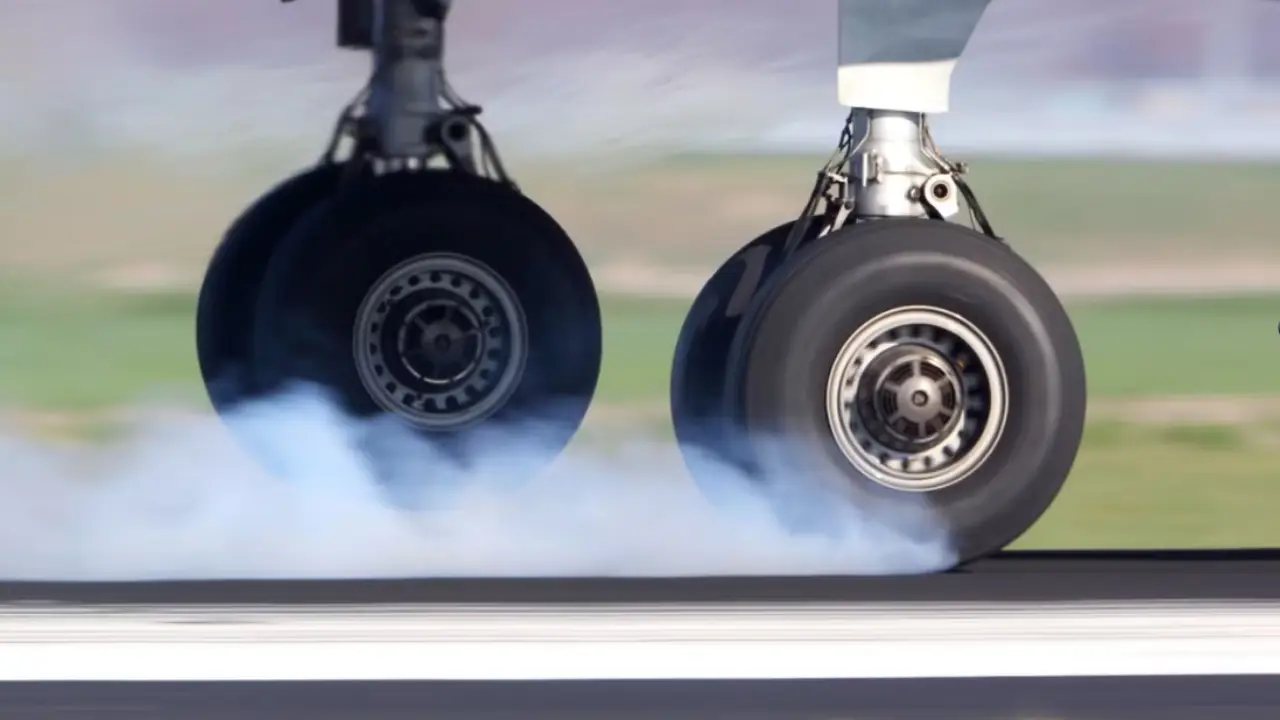
Fighter Jet Tyres Take a Lot of Strain
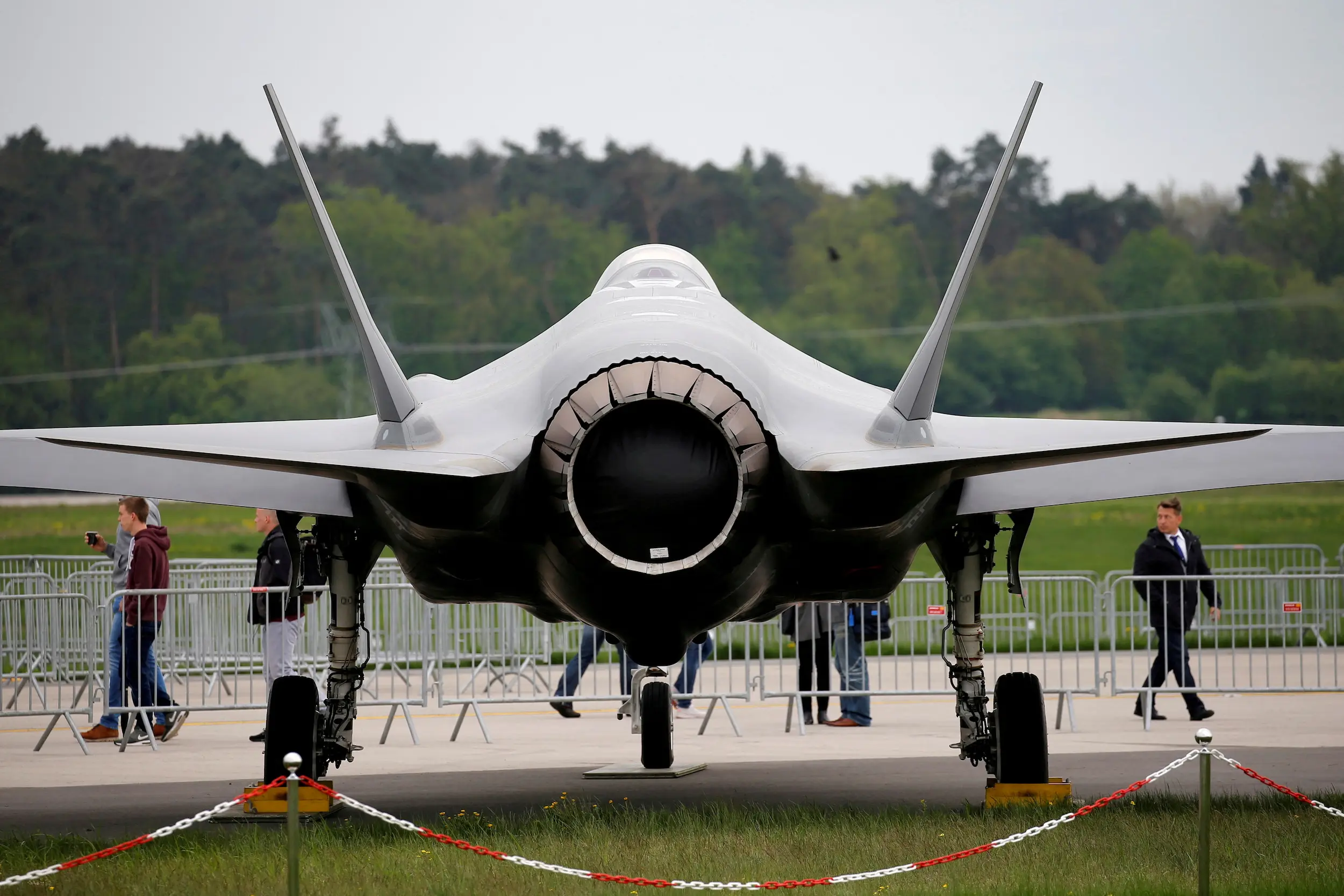
Every time a fighter jet lands, its tyres face huge pressure. Jets touch down at very high speeds, and their tyres have to handle sudden heavy loads during landing and braking. This means wear and tear can happen very quickly.
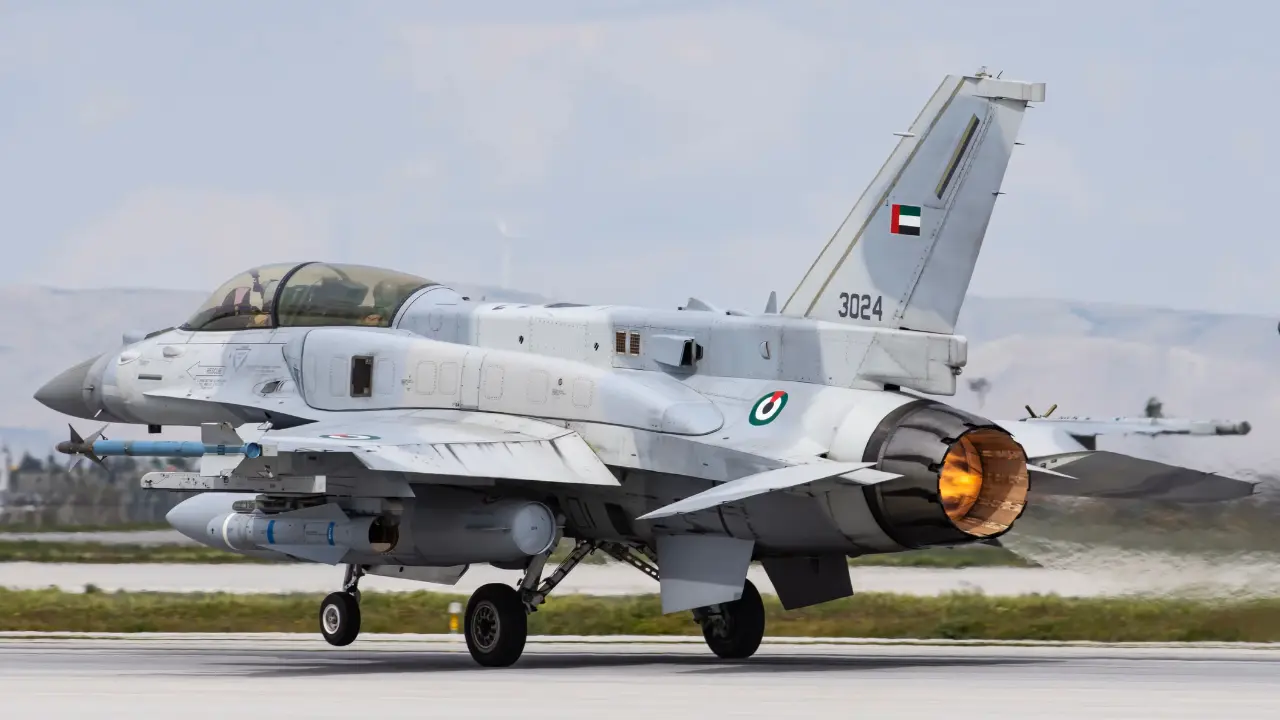
Why Are Fighter Jet Tyres So Special?
These tyres are made from tough rubber mixed with Kevlar or other fibres to resist heat and cuts. They are designed to grip the runway during landings.
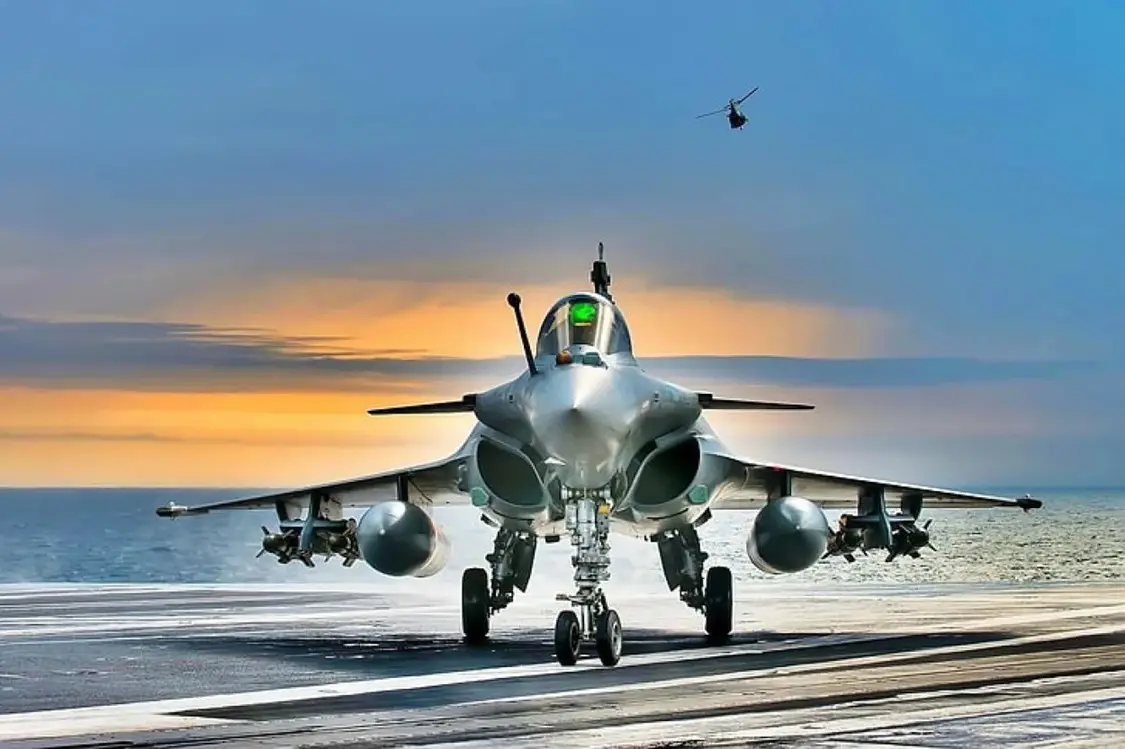
How Long Do Fighter Jet Tyres Last?
Tyres are tested to last for about 4 to 6 landings under regular conditions, however this depends on the type of aircraft, runway, and weather. After each landing, tyres are inspected thoroughly to check for cuts, heat damage, etc.
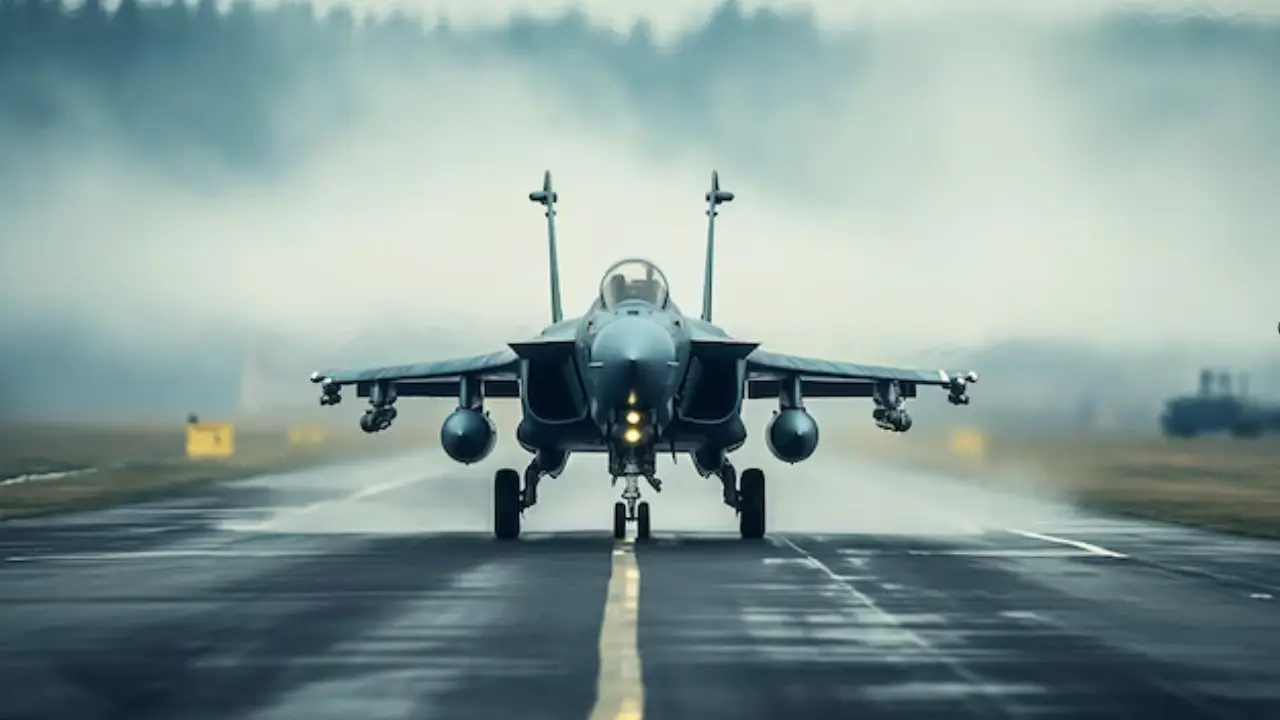
When are Tyres Replaced?
If a tyre shows signs of damage, or if the rubber is worn thin, it has to be replaced before the next flight. For safety, fighter jet tyres are often changed much more frequently than commercial planes, sometimes even after a single landing in very demanding conditions.
Carrier Landings Cause Extra Wear
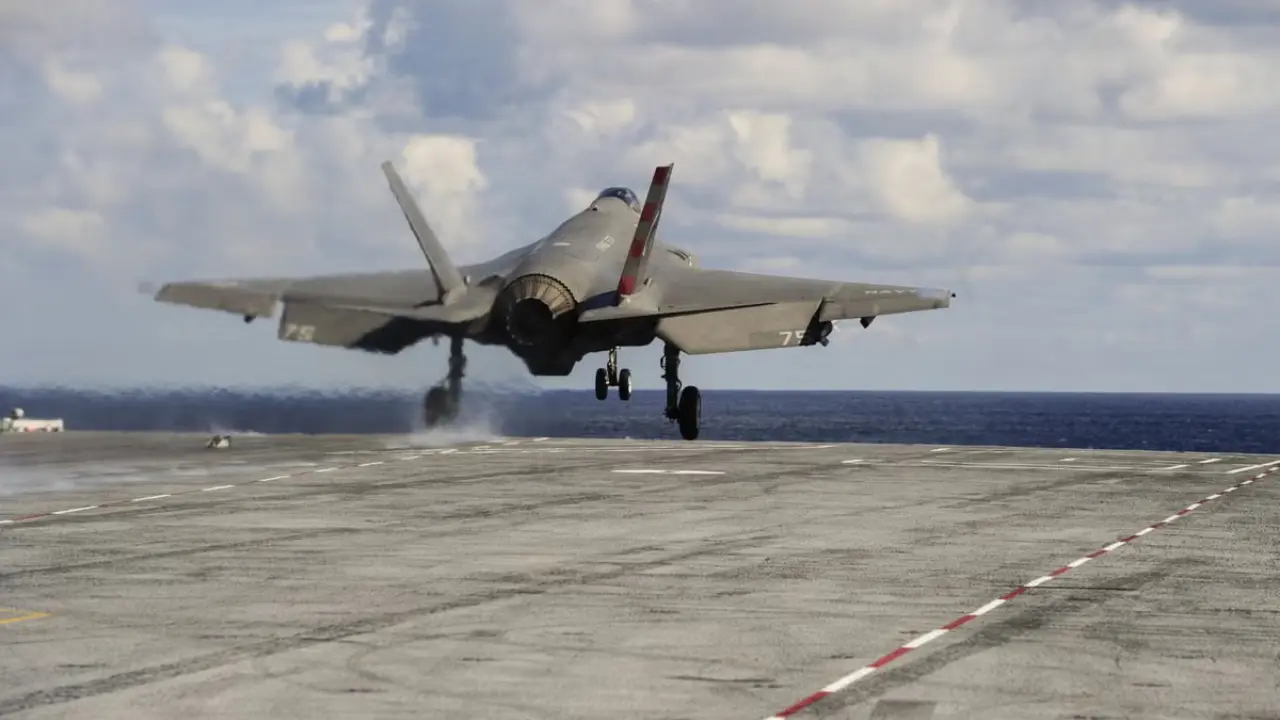
Jets landing on aircraft carriers face even greater stress. The arrestor cables and short deck make landings harsher, reducing tyre life to even just one or two landings before replacement is needed.
Replacing Tyres is a High-Tech Job
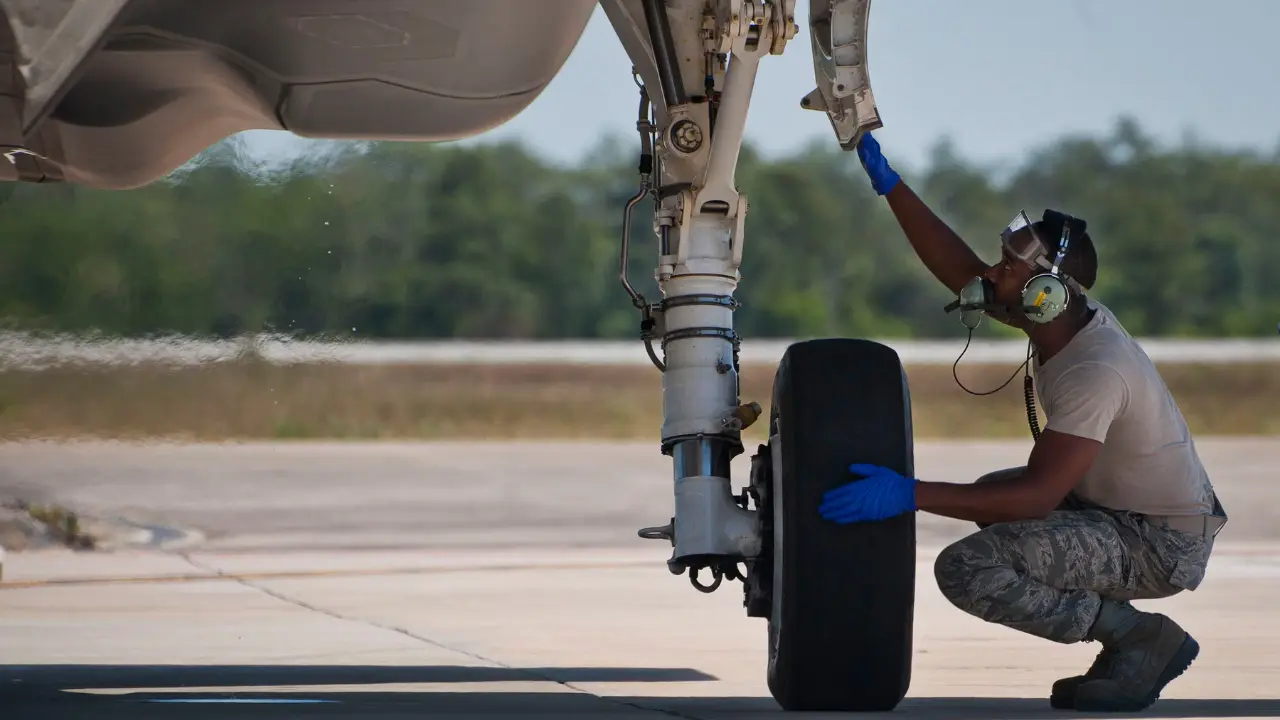
Tyres are carefully fitted and balanced, and experts make sure the jet is ready for take-off with perfect grip and pressure. The right tyre pressure and condition are vital to prevent accidents and keep performance top-notch.
Why Quick Tyre Checks Matter
Fast inspections and replacing tyres quickly keep fighter jets ready for urgent missions. Pilots and ground teams rely on hard-working tyres to safely handle the intense forces of landing, making tyre health critical to flight safety.
)
)
)
)
)