Do fighter jets have toilets? Here’s how pilots manage hunger and hygiene in the sky

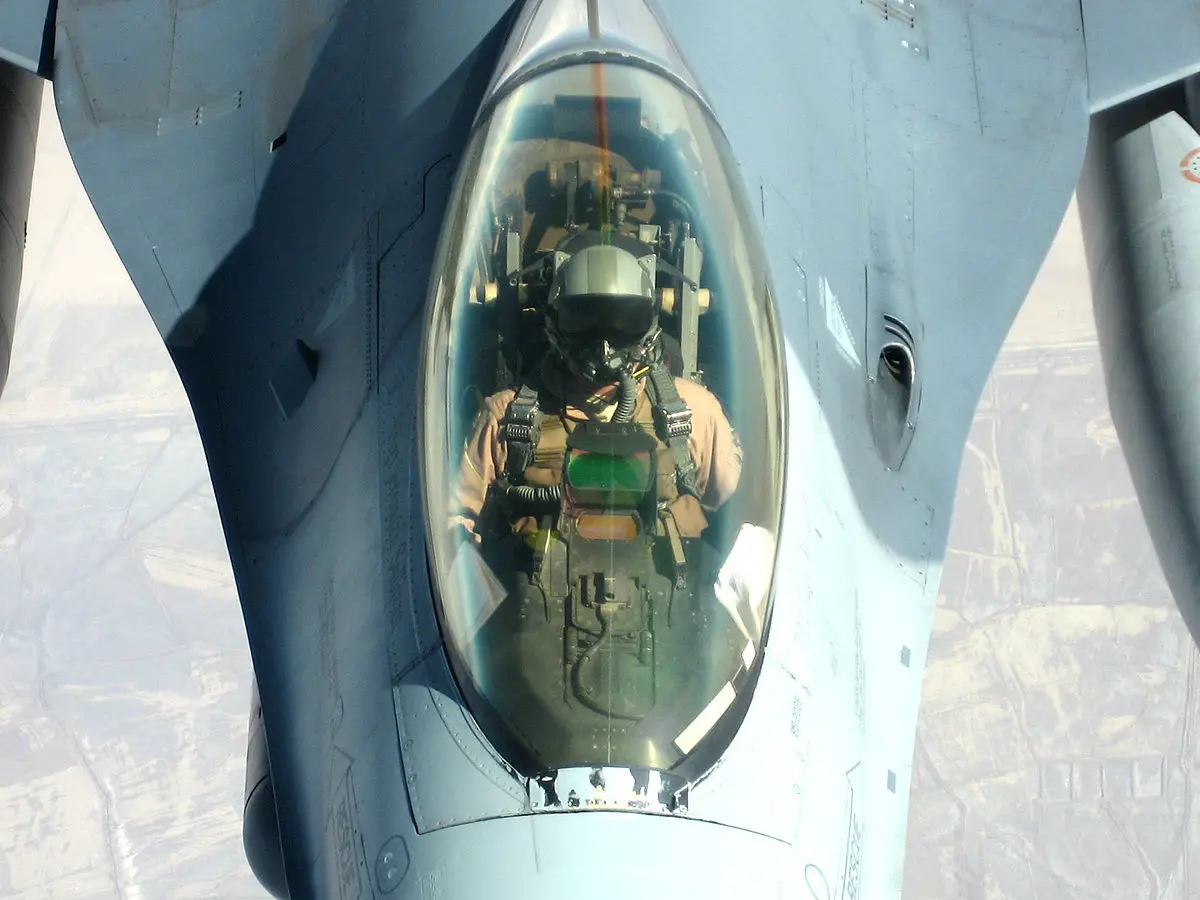
The cockpits are compact, with just enough space for the pilot and essential controls. The priority is to minimise weight and maximise performance.
No Room for a Lavatory
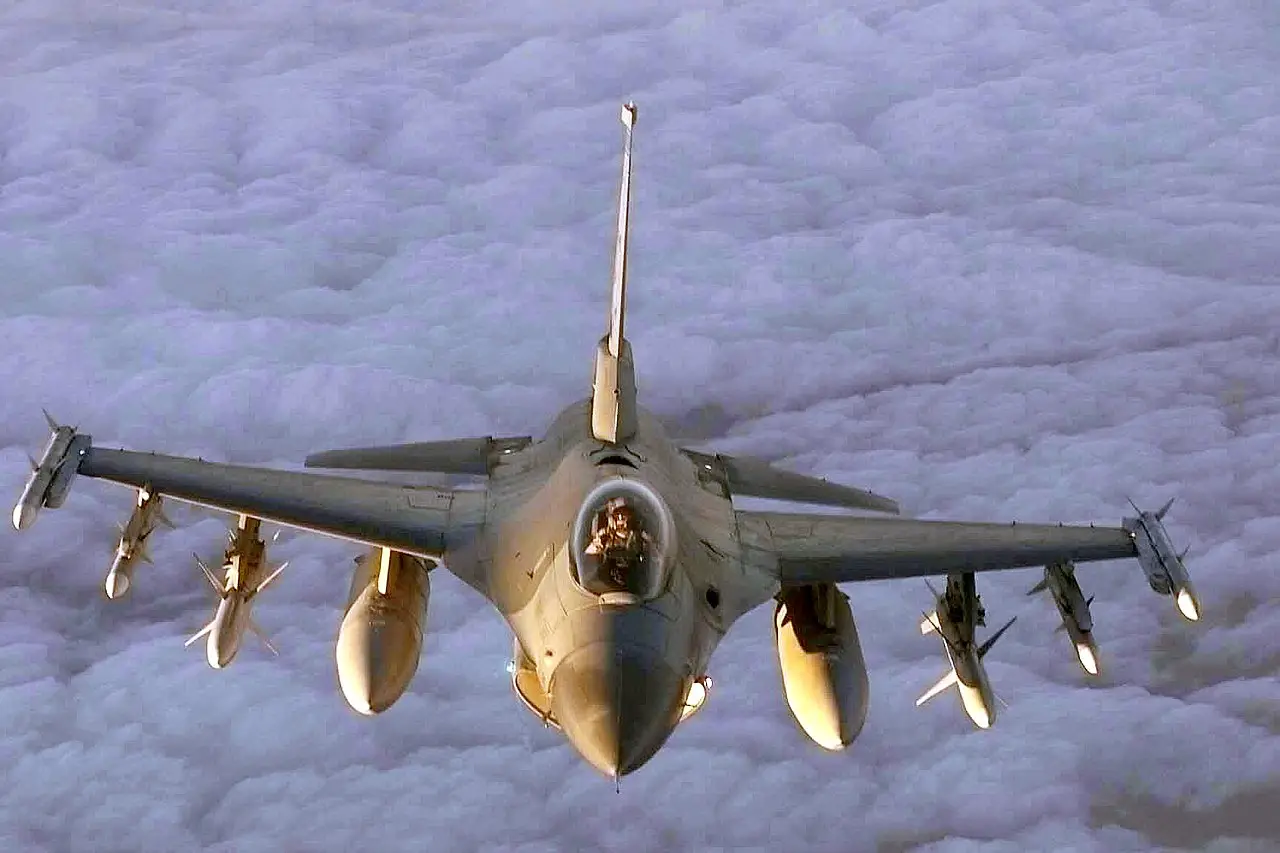
Fighter jets are built for speed, agility and combat, not comfort. Unlike commercial airliners, these high-performance aircraft do not come equipped with toilets, galleys or space for even the simplest facilities. Yet fighter pilots often spend hours strapped into cramped cockpits, facing high G-forces, extreme focus and changing mission demands. The priority is to minimise weight and maximise performance. So how do they cope with basic human needs like eating, drinking and using the toilet at 40,000 feet?
Flights Are Shorter, But Demanding
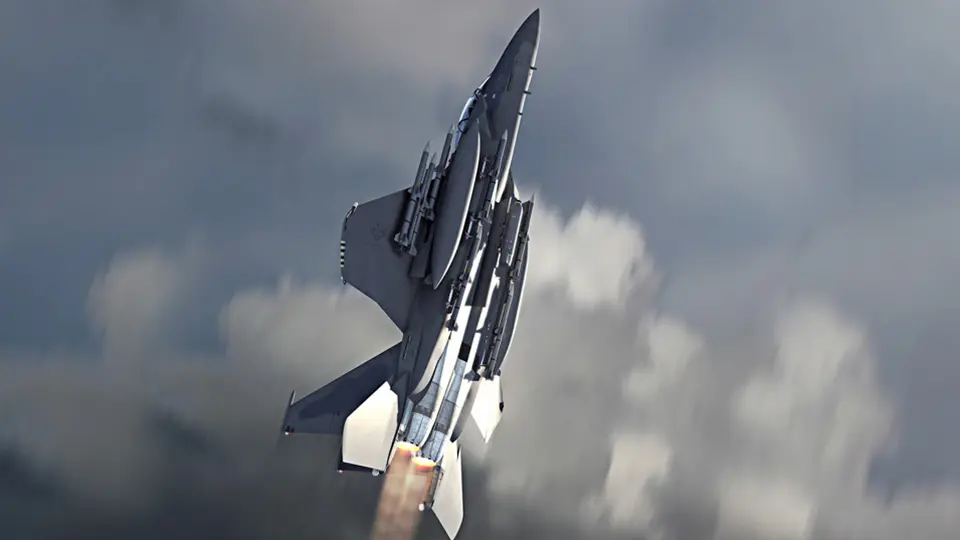
Most combat missions or training flights in fighters last between 1.5 to 3 hours, sometimes stretching to 8–10 hours with in-air refuelling. Unlike commercial pilots, fighter pilots cannot easily stand up or take breaks during flight.
How Do Pilots Relieve Themselves?
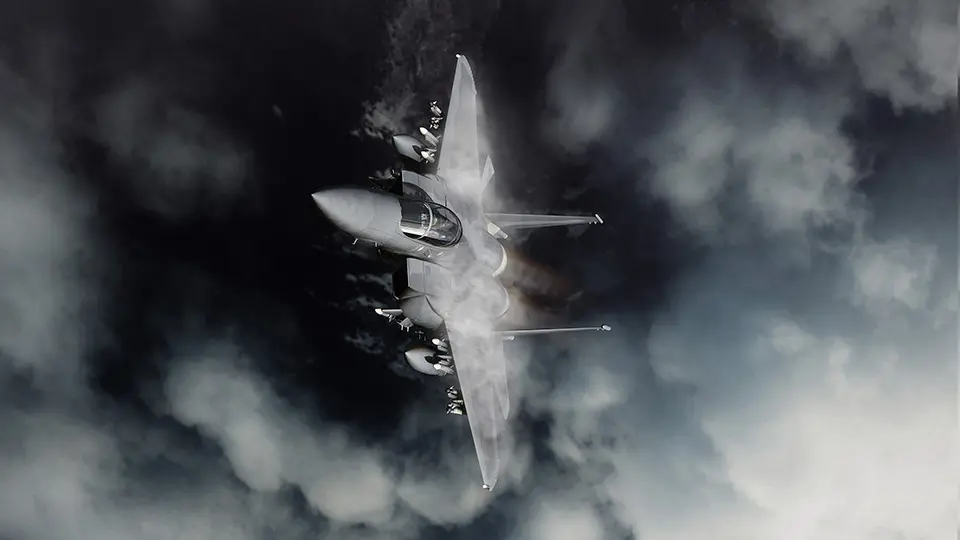
To manage toilet needs, fighter pilots use absorbent pads known as 'piddle packs'. These small, disposable bags contain absorbent crystals that turn liquid into gel. Pilots use them discreetly during longer missions when there is no option to land.
Dealing With Emergencies
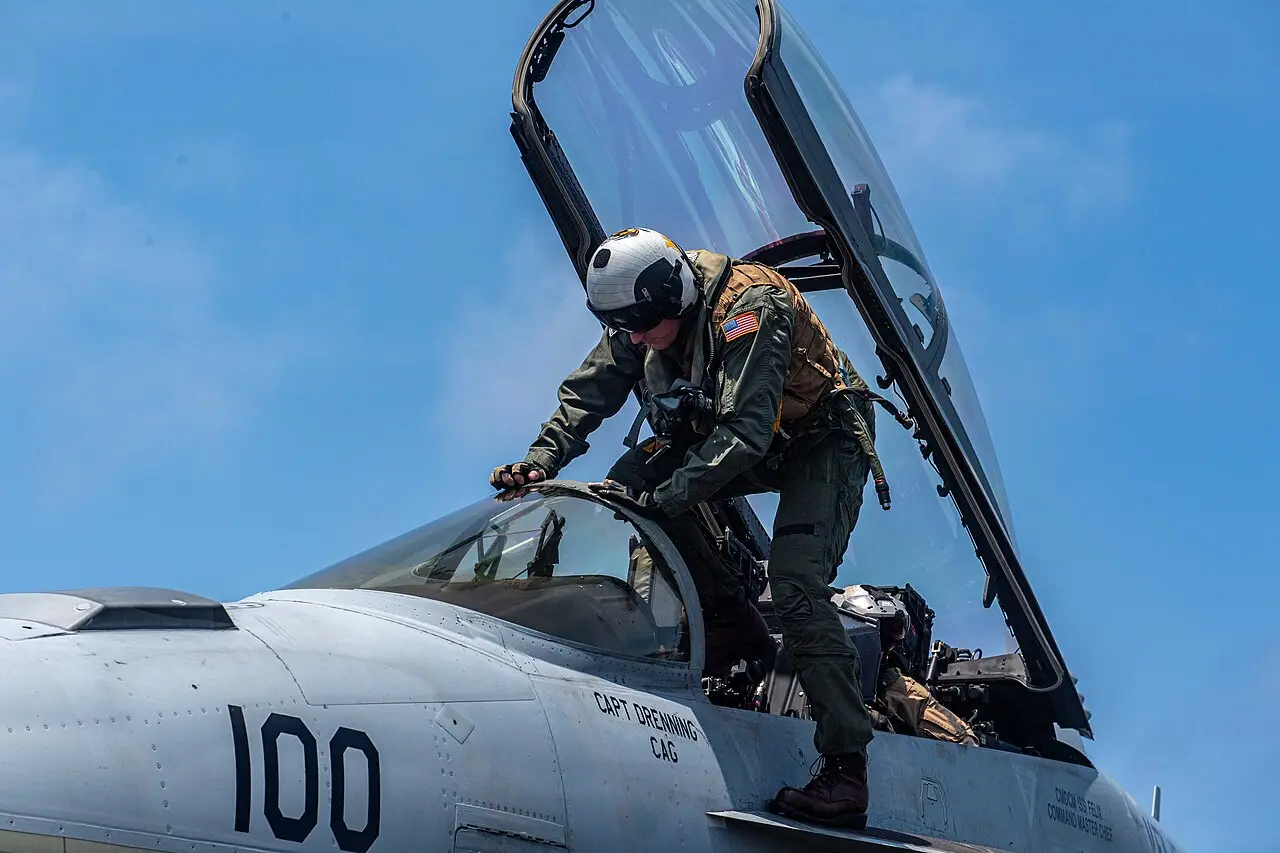
For very long flights, some air forces provide pilots with adult incontinence garments as a backup. Using these is not pleasant, but it is safer than risking dehydration by not drinking enough before or during a sortie.
Eating in the Cockpit
Fighter pilots generally eat before or after missions, as cockpit space and conditions do not allow for full meals in flight. On longer sorties, they may carry compact, high-energy snacks such as energy bars that can be consumed without removing their hands from the controls. To stay hydrated, many flight suits or helmets are fitted with built-in hydration systems, allowing pilots to sip water through a small tube. This setup helps avoid loose food particles or spills that could interfere with sensitive cockpit equipment.
Training for Endurance
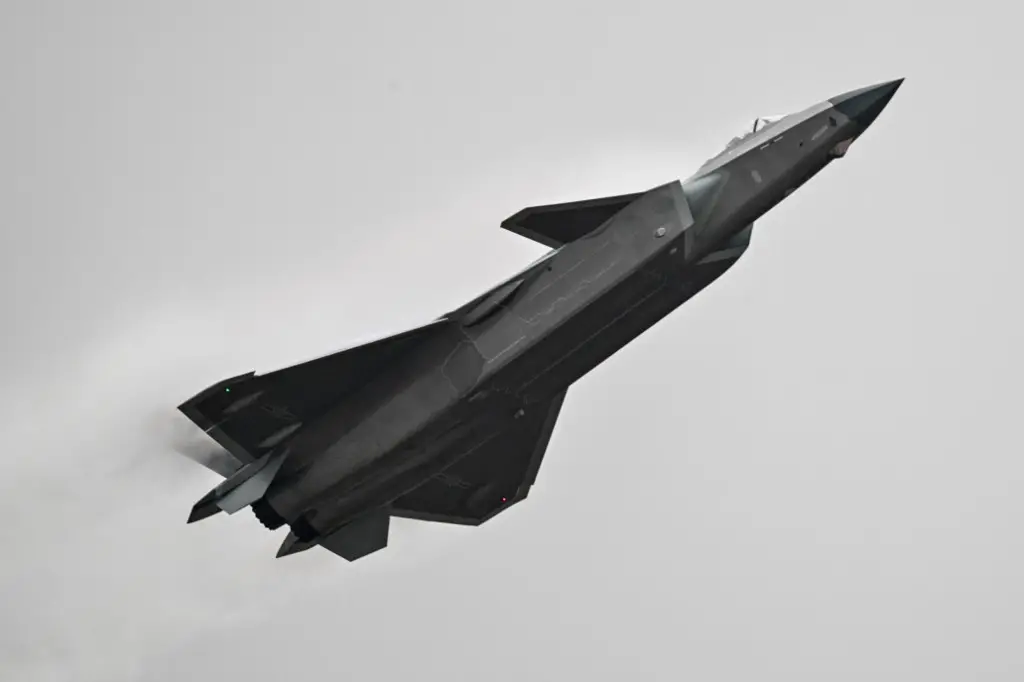
Pilots undergo training to manage physical discomfort, dehydration and fatigue. Mission planning includes strict fluid intake guidelines to prevent the need for frequent toilet breaks while staying alert and fit for high G-force manoeuvres.
Aircraft with toilets
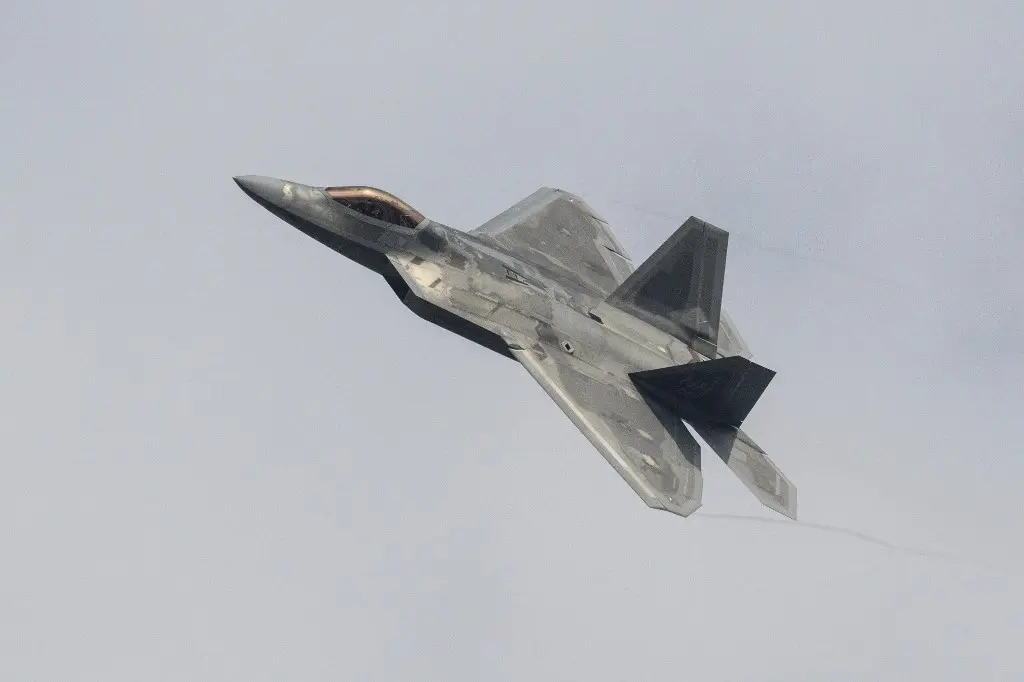
Most fighter jets like the F-16, F-35 and Rafale do not have toilets due to space and weight limits. However, larger military aircraft, including the KC-135 and KC-46 tankers, C-130J and C-17 transports, B-52 and B-2 bombers, and surveillance planes like the E-3 AWACS and P-8 Poseidon, do have basic lavatories. The E-4B Nightwatch even includes multiple full bathrooms for extended missions. These facilities are essential for crews flying sorties lasting 10–20 hours or more.
)
)
)
)
)