Do fighter jet pilots really risk freezing to death at 40,000 feet, in seconds?

Pilots must place absolute faith in their equipment, knowing that even the smallest fault could be fatal. It is an unforgiving environment where both human and machine are pushed to their limits.
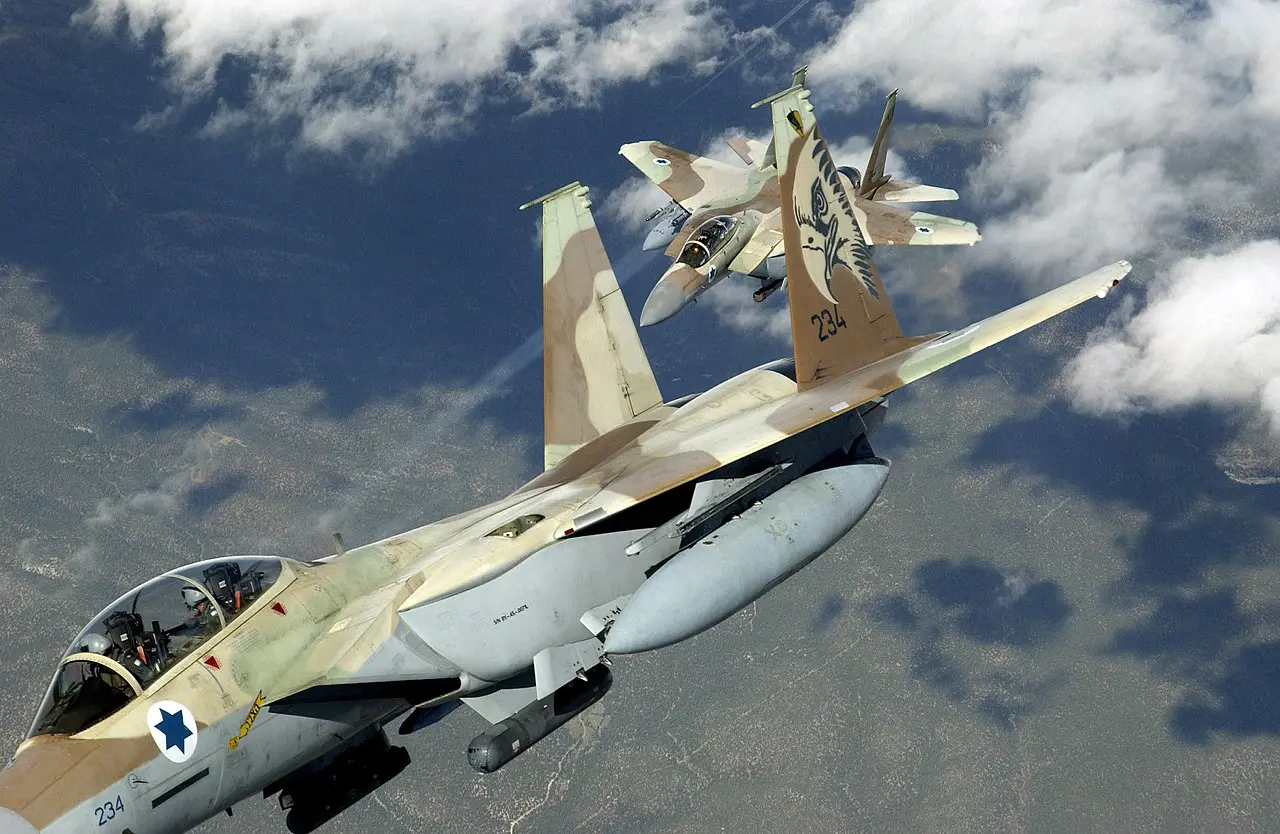
The Brutal Reality of High-Altitude Flight
Above 40,000 feet, where temperatures plunge below -50°C and the air thins to near nothing, fighter pilots operate on the edge of survival. Here, a cockpit failure can mean rapid unconsciousness or death within seconds. Yet, a handful of fighter jets have mastered this brutal realm so completely they became legends. Their success isn’t just about speed or weaponry but decades of reliability, adaptability and trust earned in countless conflicts. Pilots must place absolute faith in their equipment, knowing that even the smallest fault could be fatal. It is an unforgiving environment where both human and machine are pushed to their limits.
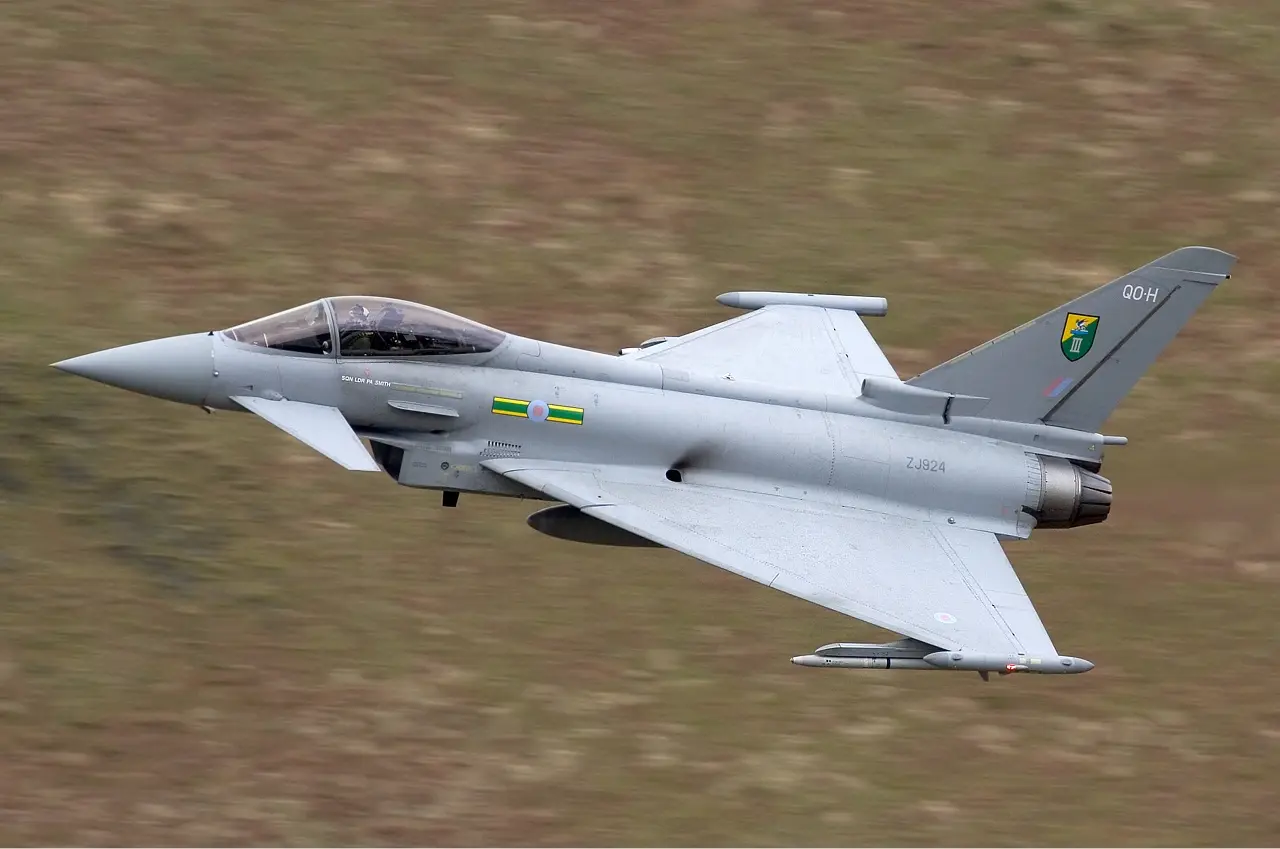
Why Pilots Shouldn’t Freeze – in Theory
Fighter pilots wear insulated flight suits, gloves, and helmets. Crucially, they rely on the cockpit's Environmental Control System (ECS), which maintains breathable air pressure and cabin warmth even when external conditions are extreme. These systems are carefully tested to withstand combat damage and rapid climbs. In training, pilots learn to spot early signs of cold stress, though nothing truly replicates the danger outside the canopy.
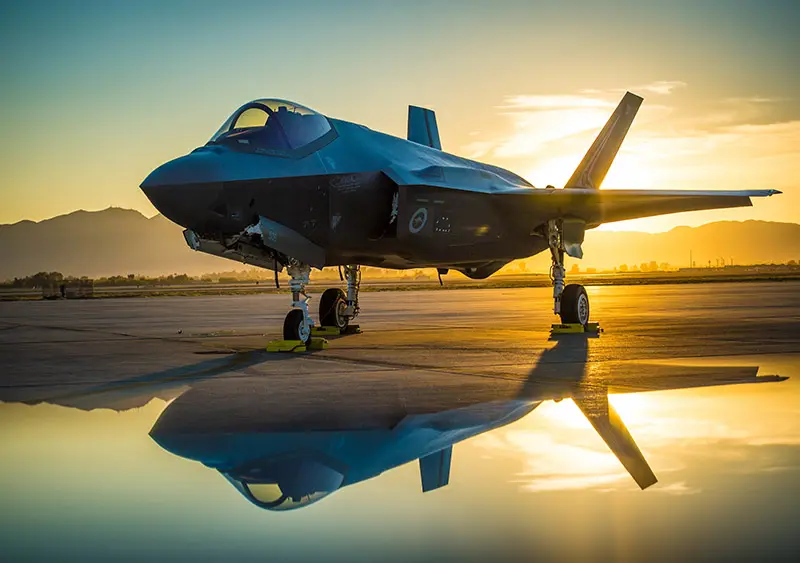
What Happens in an Ejection
Ejecting from a fighter jet at altitude suddenly exposes the pilot to outside air. The seat fires the pilot clear of the jet, often above 30,000 feet, where the air is dangerously thin and cold. Without the cockpit’s heat, the pilot's body temperature can start to fall immediately. Parachute descent from such heights can last minutes, during which the pilot is left entirely at the mercy of wind chill and thin oxygen. Those brief moments become a fight for survival.
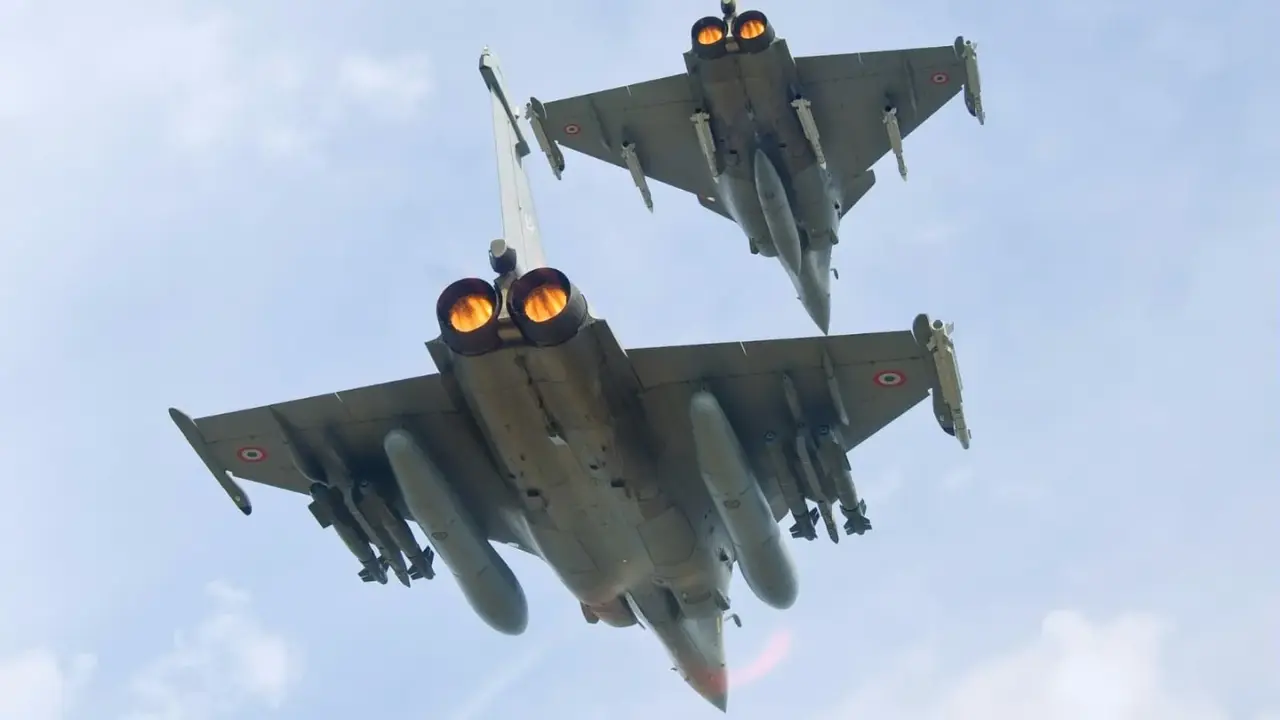
Rapid Hypoxia vs. Freezing
The first real danger after ejection isn’t freezing but hypoxia. At high altitudes, unconsciousness can occur in as little as 10–15 seconds without supplemental oxygen. The pilot's ejection seat is equipped with an emergency oxygen bottle to help prevent this. Training drills stress the importance of securing the oxygen mask instantly. Even with equipment, a single malfunction could render the pilot unconscious before they can react.
The Cold Takes Its Toll
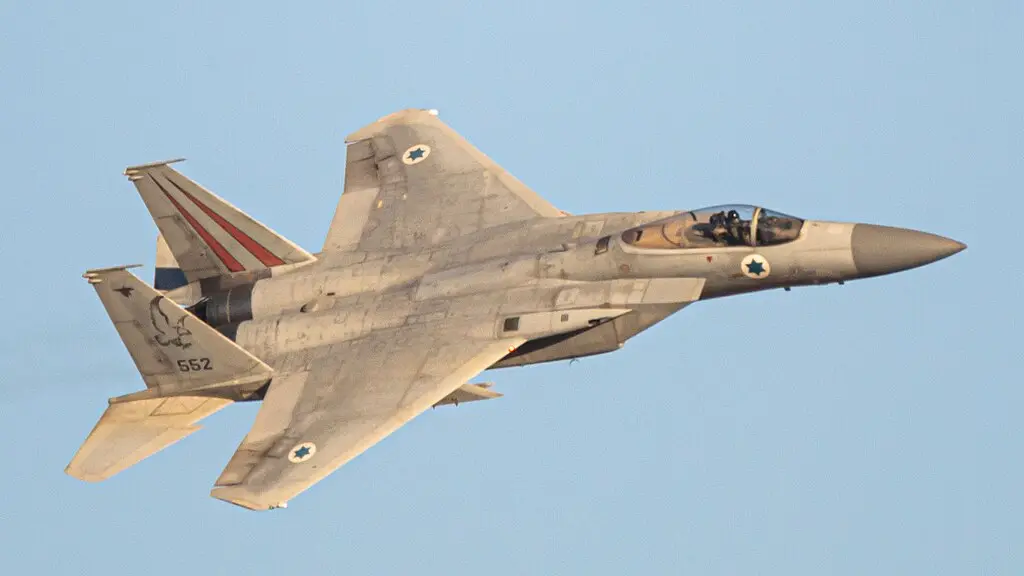
If the emergency systems work, the pilot descends under parachute. At these heights, wind chill can accelerate heat loss. Severe frostbite may start within two minutes, and hypothermia follows rapidly. However, pilots usually drop quickly into denser, warmer air. Survival gear, like electrically heated gloves and boots, helps resist the cold. Yet pilots have described the sensation as an intense, biting pain that tests both endurance and resolve.
Real Incidents
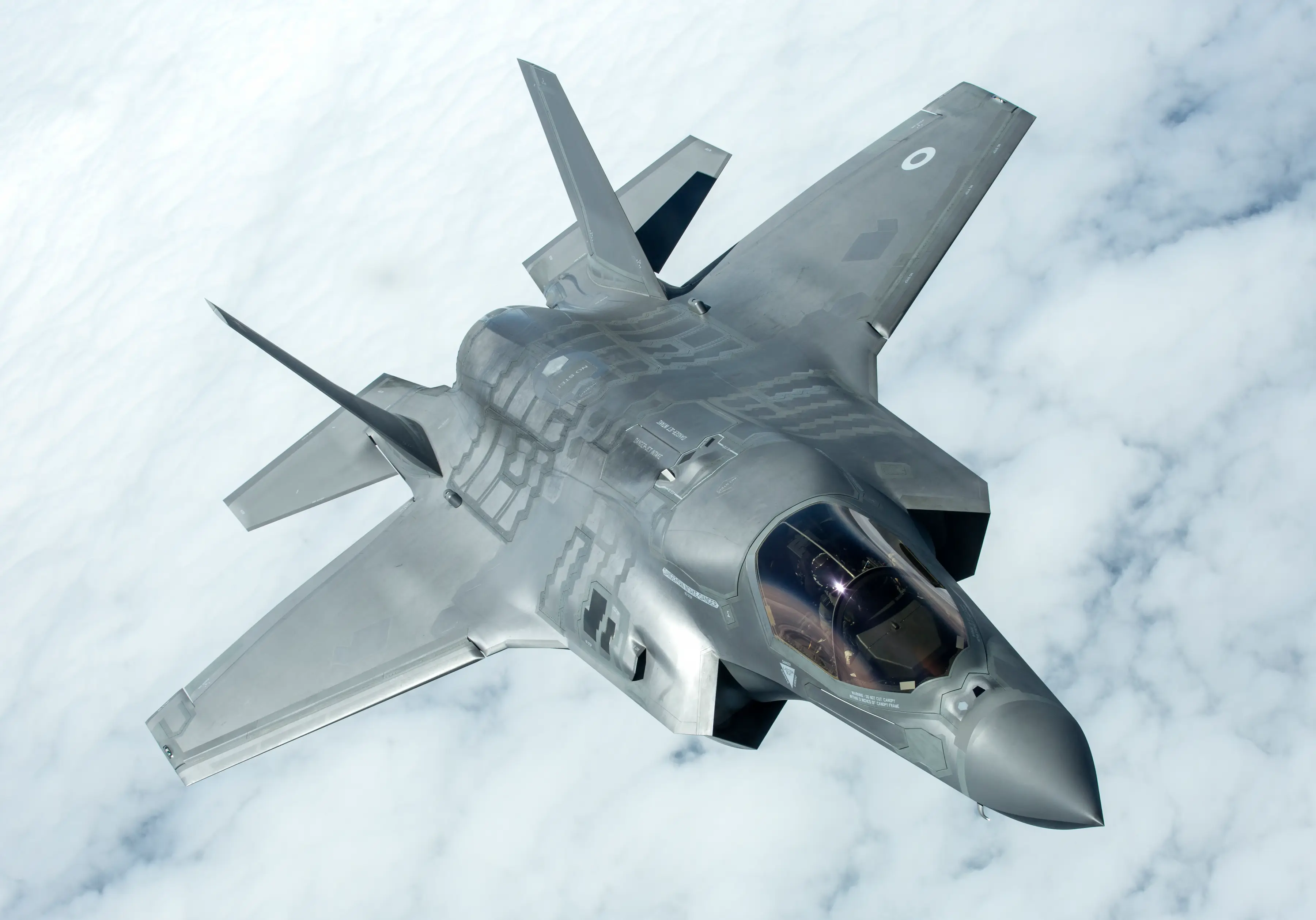
During the 1960s, several US and Soviet pilots who ejected at high altitude suffered frostbite and hypothermia, despite survival equipment. In rare cases, pilots lost fingers to frostbite, though most survived thanks to rapid descent. These stories, though little known, led to improvements in flight suits and emergency oxygen. Each painful lesson was paid for in blood and frozen skin.
Conclusion: A Race Against Altitude
Fighter pilots do face the genuine risk of freezing after high-altitude ejection. Survival depends on fast automatic oxygen supply, descent into lower air, and protective gear. It's not instant death in seconds, but without these measures, exposure becomes fatal frighteningly quickly.
)
)
)
)
)