Do fighter jet flight computers decide more than the pilot?

When a pilot moves the stick, the computer doesn’t simply “obey”; it interprets the request, checks aircraft limits, compares it with sensor data, and decides the safest possible version of the pilot’s command.
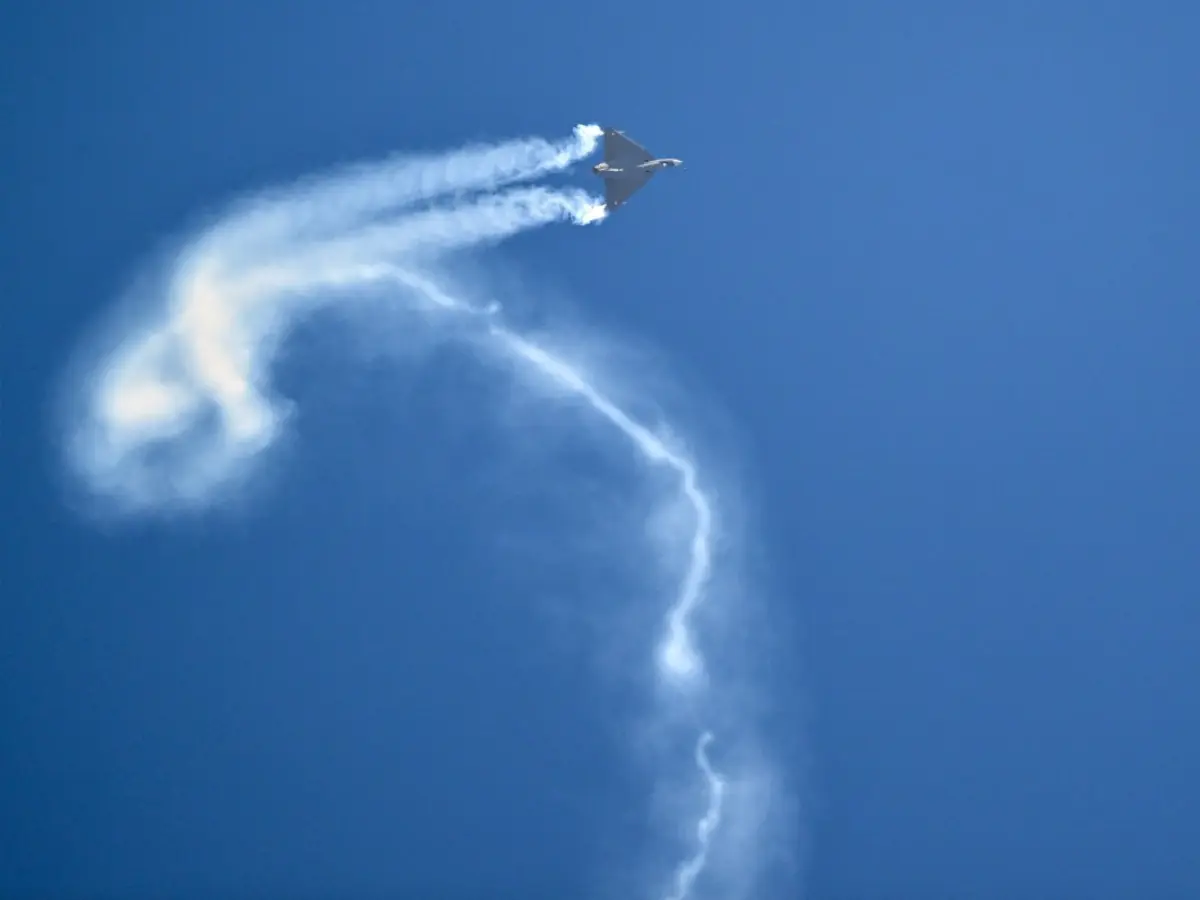
1. Modern Fighter Jets Are Designed to Be Aerodynamically Unstable
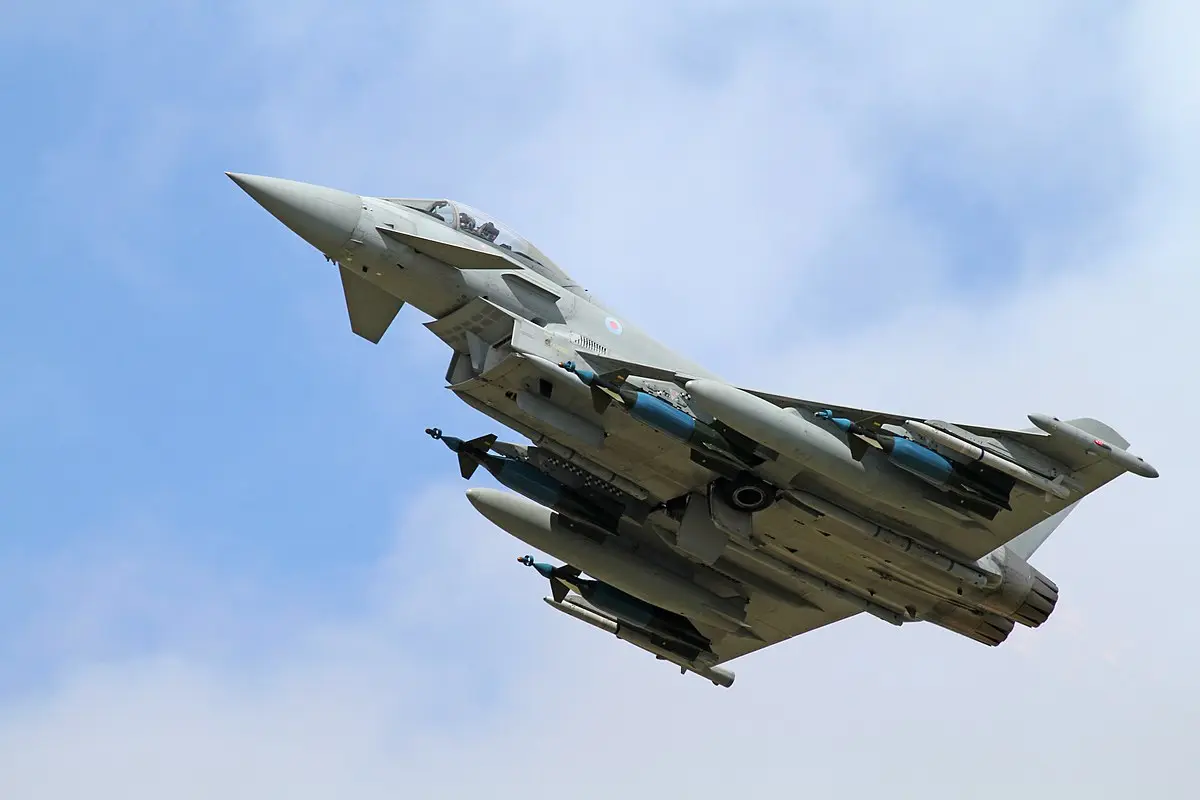
Most 4.5 and 5th-generation fighters, including the F-16, Rafale, Eurofighter Typhoon, Gripen, Tejas Mk1A and F-35 — are intentionally built to be aerodynamically unstable. This design makes them extremely agile but impossible for a human to control directly. Without computers correcting the aircraft hundreds of times per second, the jet would become uncontrollable. This alone means flight computers must make constant decisions in the background just to keep the aircraft stable.
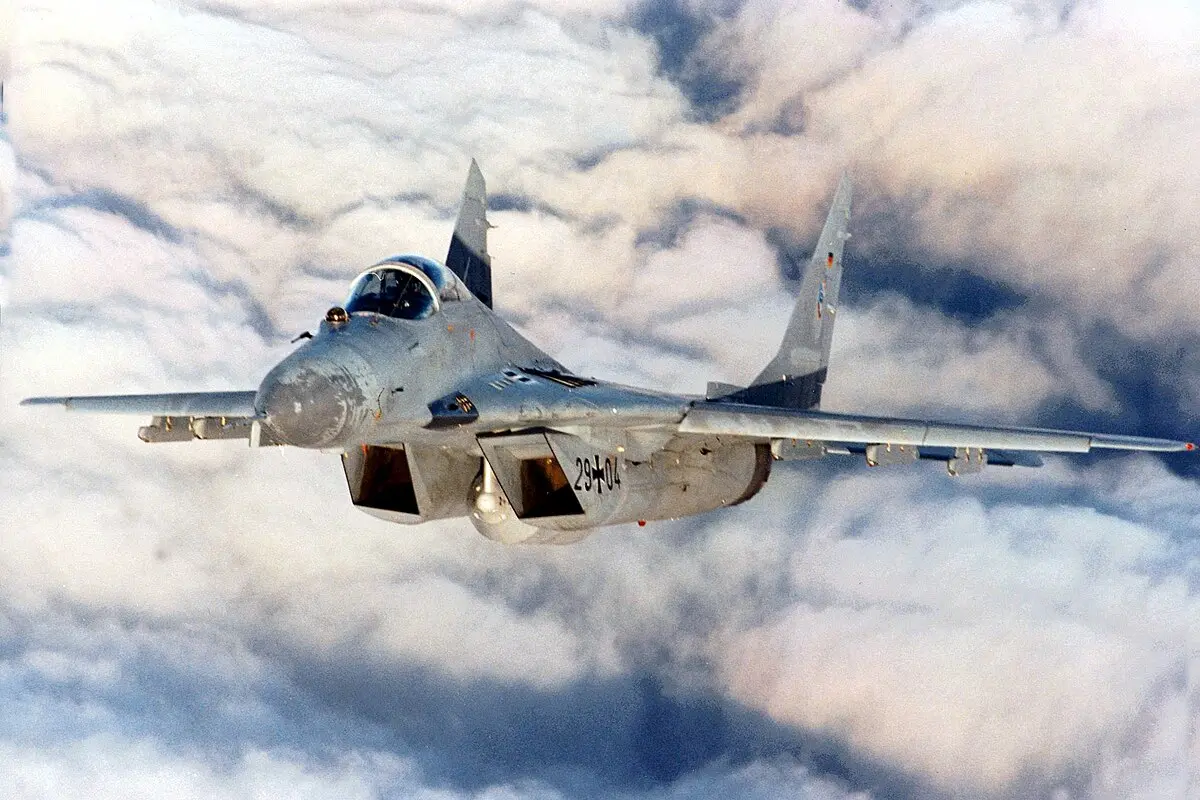
2. The Fly-By-Wire System Makes Thousands of Micro-Decisions Every Second
Instead of mechanical linkages, modern fighters use fly-by-wire (FBW), electronic signals between the pilot’s controls and the flight control computer. When a pilot moves the stick, the computer doesn’t simply “obey”; it interprets the request, checks aircraft limits, compares it with sensor data, and decides the safest possible version of the pilot’s command. These computers adjust control surfaces hundreds to thousands of times per second, far faster than any human pilot can react.
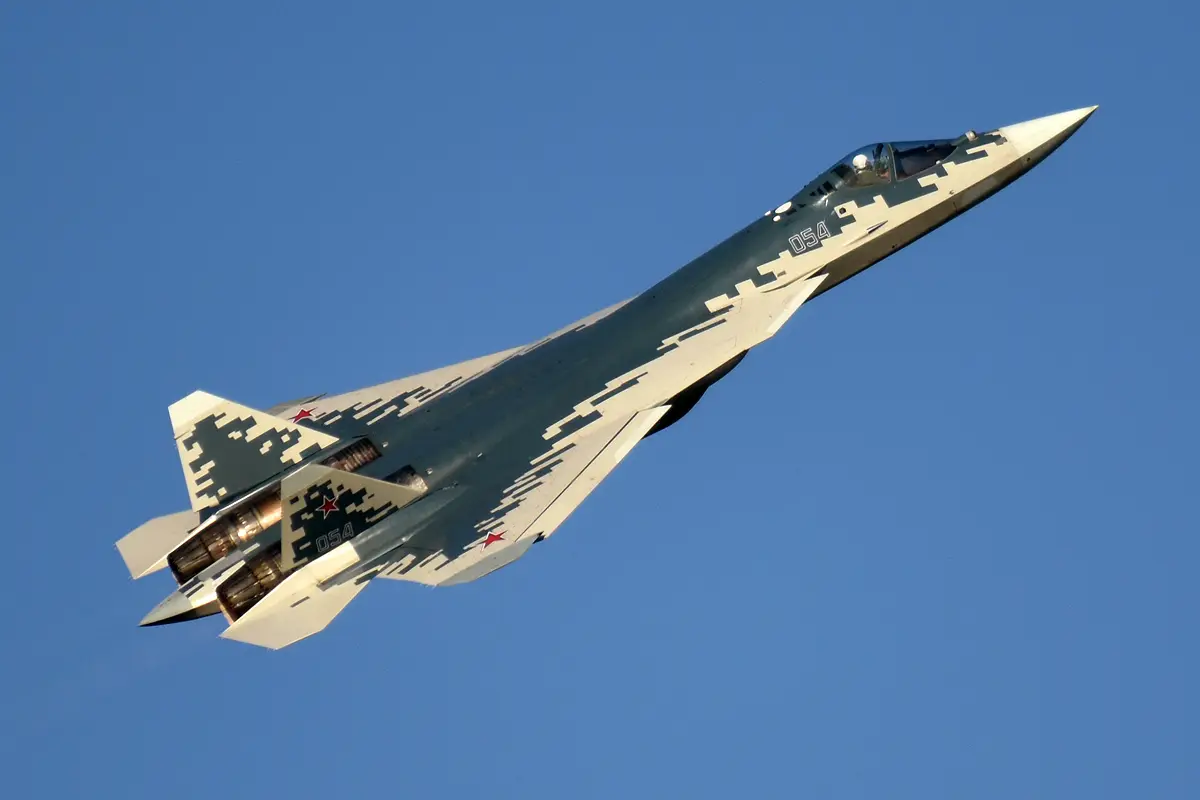
3. Computers Automatically Prevent Pilot-Induced Structural Damage
Fighter jets have very strict limits for G-forces, angle of attack, and airframe stress. If a pilot pulls the stick too hard or too fast, the flight control computer automatically blocks the command to prevent the aircraft from overstressing or entering a stall. This protects both the pilot and the jet. For example, the F-16, Tejas, Rafale and F-35 will not allow the pilot to exceed preset G-limits, no matter how aggressively the controls are moved.
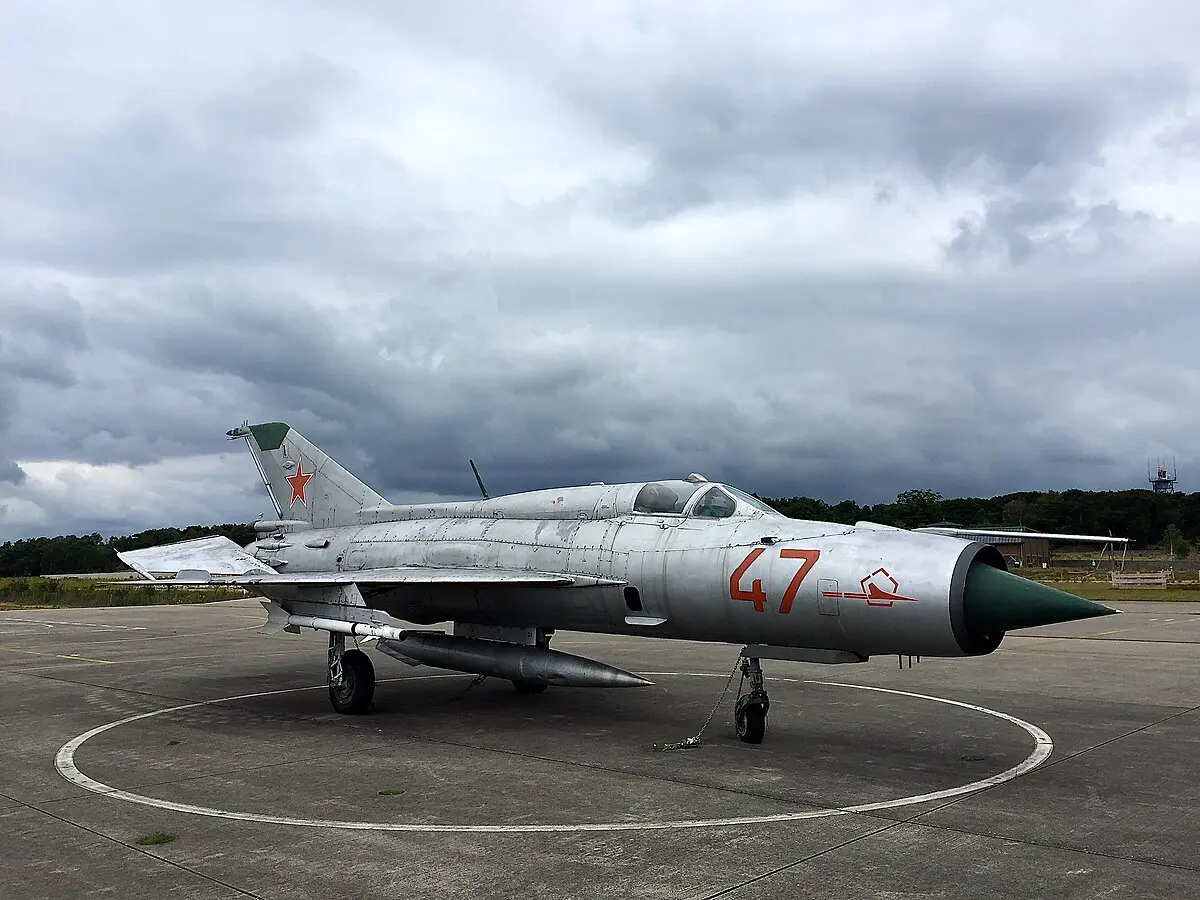
4. Digital Systems Manage Thrust, Fuel Balance and Engine Safety
The engine control system, such as FADEC (Full Authority Digital Engine Control), decides optimal fuel flow, compressor speed, turbine temperature and thrust output. It prevents flameouts, engine stalls and over-temperature conditions automatically. The pilot only demands power; the engine computer determines how to deliver it safely. Fuel balancing between tanks is also handled automatically to maintain aircraft stability during manoeuvres.
5. Flight Computers Control Stability During High-G Turns and Combat Manoeuvres
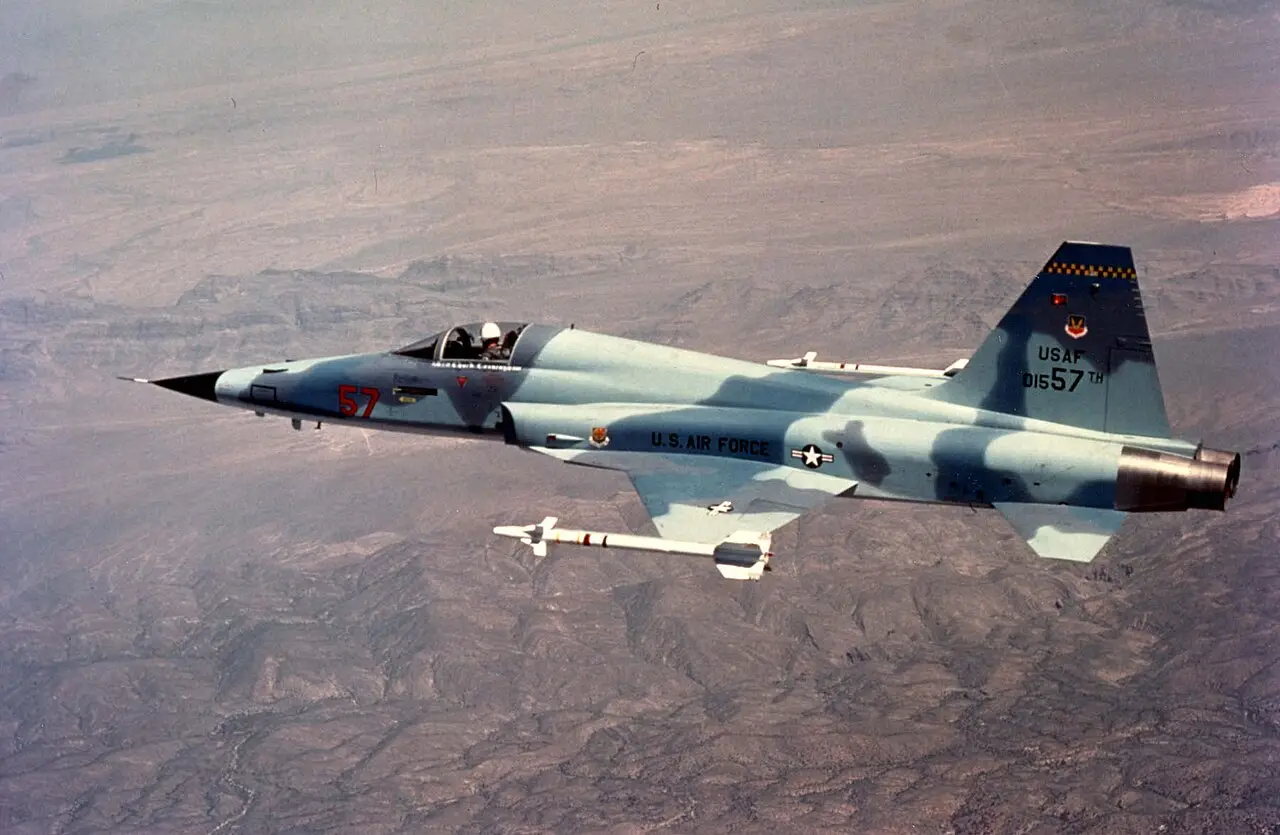
During aggressive dogfighting or aerobatic manoeuvres, pilots rely heavily on flight computers. When performing tight turns, high angles of attack or high-G pulls, the aircraft is close to aerodynamic limits. The onboard computers continuously adjust control surfaces and engine output to maintain lift, avoid stall, prevent G-LOC (blackout) situations and preserve energy. Many manoeuvres seen at airshows or in combat would be impossible without real-time computer intervention.
6. The Pilot Still Makes All Tactical and Combat Decisions
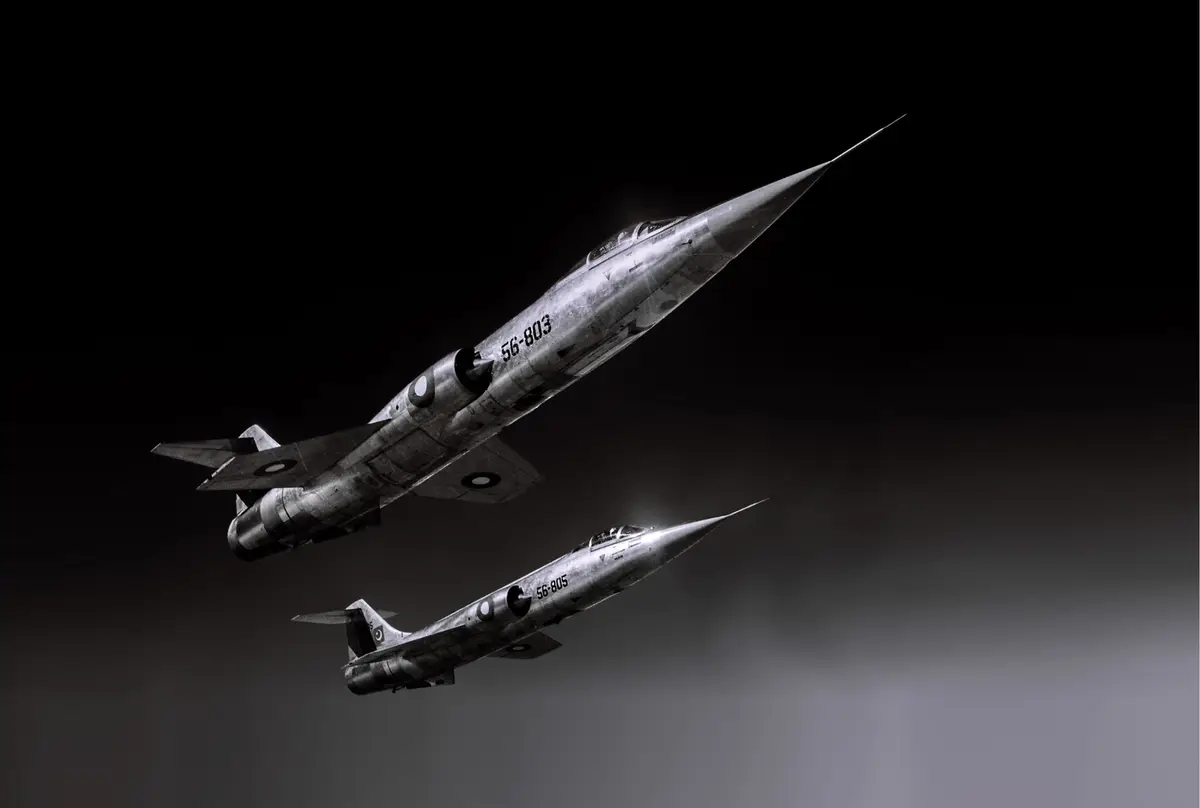
Despite the high level of automation, fighter jets are not autonomous. The pilot makes every combat decision, when to fire, when to turn, when to evade, when to climb and when to disengage. Computers assist by stabilising the aircraft and managing systems so the pilot can focus on tactics, situational awareness and mission execution. Advanced jets like the F-35 even fuse sensor data into a single picture, but the final decision always remains with the human.
7. The Reality: It’s a Partnership — But Computers Do the Flying
The best way to describe modern fighter aviation is this: the pilot fights the battle; the computer flies the jet. Flight computers ensure stability, safety and performance, while the pilot uses the freed-up mental bandwidth to think, strategise and react. Without FBW and digital engine controls, today's ultra-agile fighters simply could not exist. The relationship is not about replacing the pilot, it’s about enabling them to do more without being overwhelmed by the physics of high-performance flight.
)
)
)
)
)