Do dark-coloured cars burn more fuel for AC in summer?

Dark cars absorb more heat, forcing the AC to work harder in summer. This extended cooling cycle cuts fuel efficiency by 2 per cent, making black cars slightly more expensive to run.
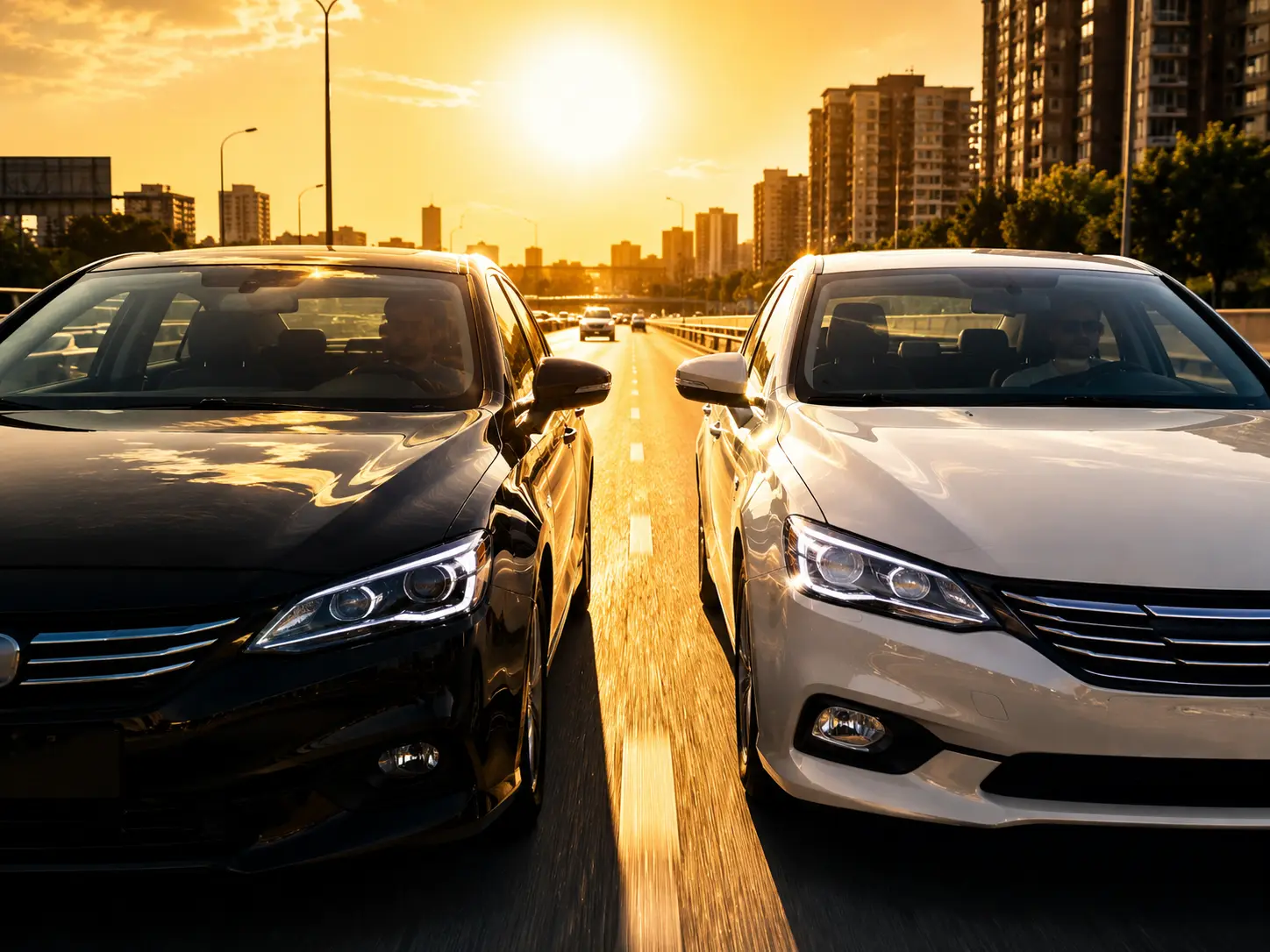
Over 5 degrees hotter
Dark-coloured vehicles absorb significantly more thermal energy from direct sunlight. The cabin temperature inside a black car can easily rise 5 to 6 degrees Celsius higher than a white model parked in the exact same location.
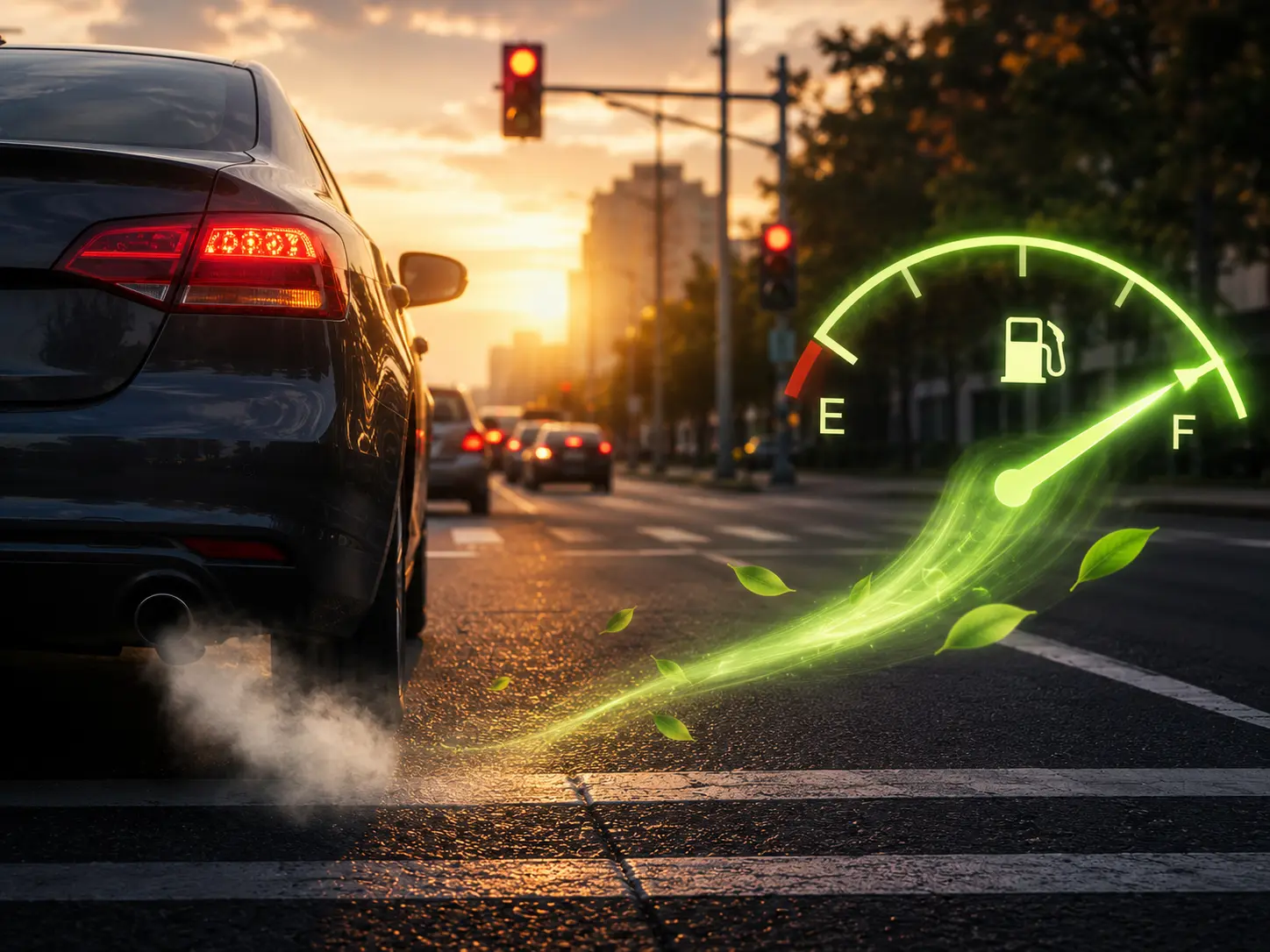
60 per cent light reflection
Silver and white paint finishes act as natural solar reflectors. A white vehicle successfully bounces away nearly 60 per cent of incoming sunlight, drastically reducing the amount of heat trapped inside the passenger cabin during the afternoon.
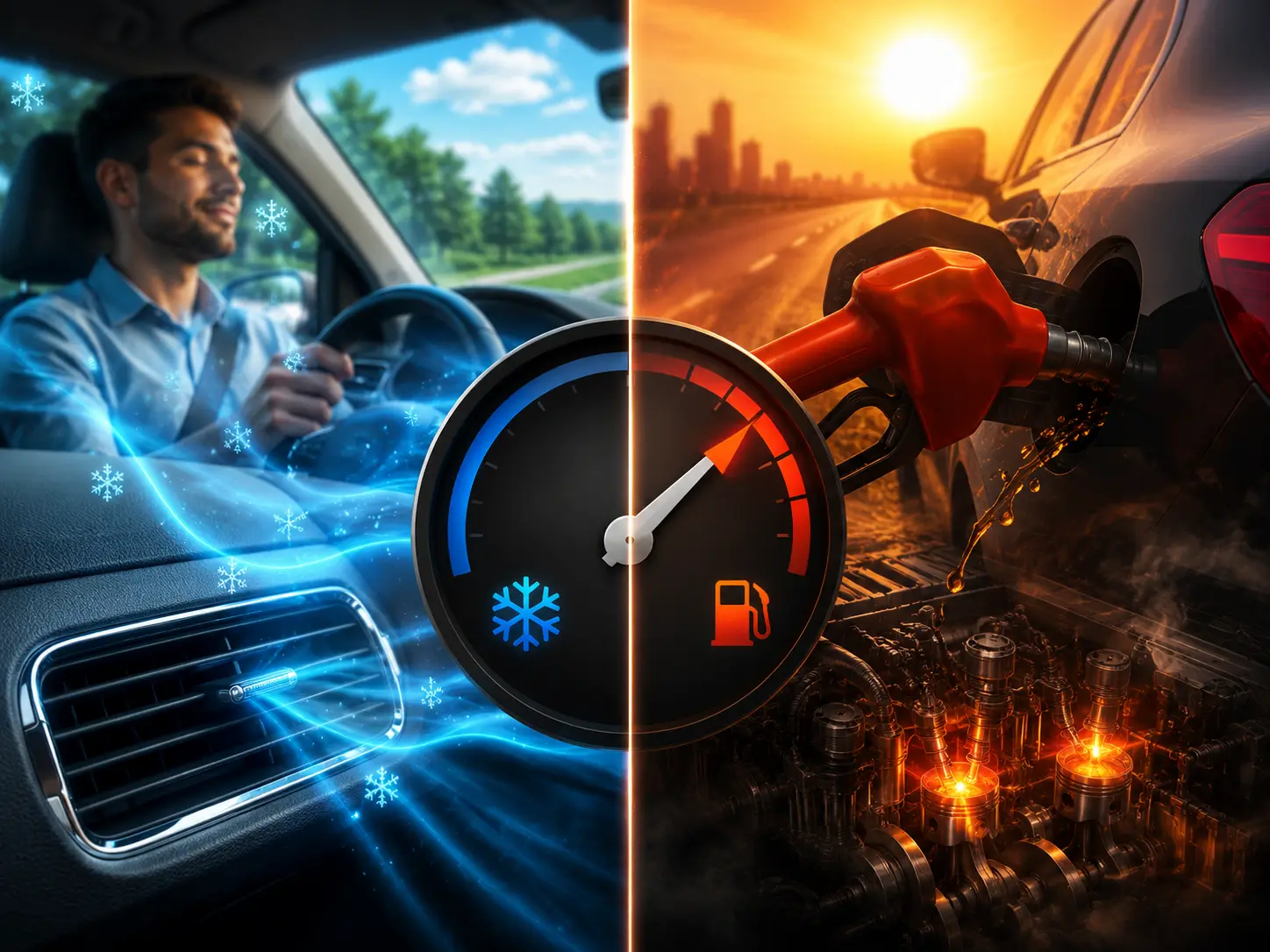
20 per cent economy drop
Running a car air conditioner on maximum power puts a heavy mechanical load on the engine. During peak summer heat, continuous AC usage can slash your vehicle's overall fuel economy by up to 20 per cent on local city roads.
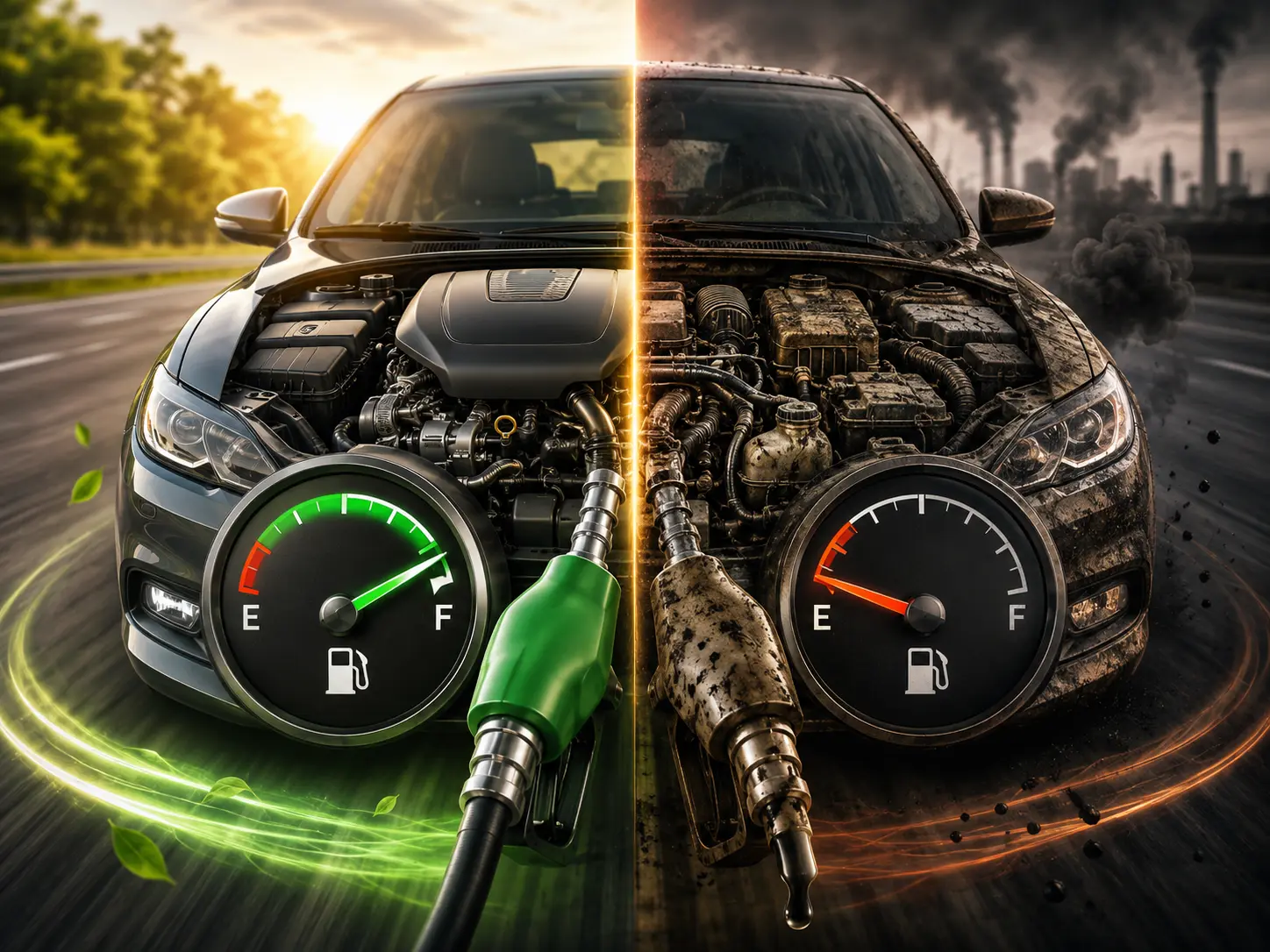
Burns 2 per cent more
Because dark cars get noticeably hotter, drivers blast the air conditioning for longer periods. This extended cooling cycle forces the engine to burn roughly 2 per cent more fuel compared to a lighter car on the same daily commute.
1.9 per cent emission cut
Choosing a lighter paint shade benefits both your wallet and the environment. Studies show that white cars reduce overall tailpipe emissions by almost 1.9 per cent simply because the engine works less to power the cooling compressor.
13 per cent less AC
A cooler cabin means the climate control system reaches the desired temperature faster. Lighter vehicles require about 13 per cent less total air conditioning capacity to keep passengers comfortable, easing the mechanical strain on the petrol engine.
Saves over Rs 200
While a 2 per cent efficiency drop sounds small, daily commuters feel the financial impact. Opting for a cooler white or silver car can easily save drivers over Rs 200 a month on regular petrol bills during long, intense summers.
)
)
)
)
)