Do black holes really lead to other dimensions?

For decades, scientists have speculated whether black holes could be more than just cosmic traps. Could they be portals to other dimensions?
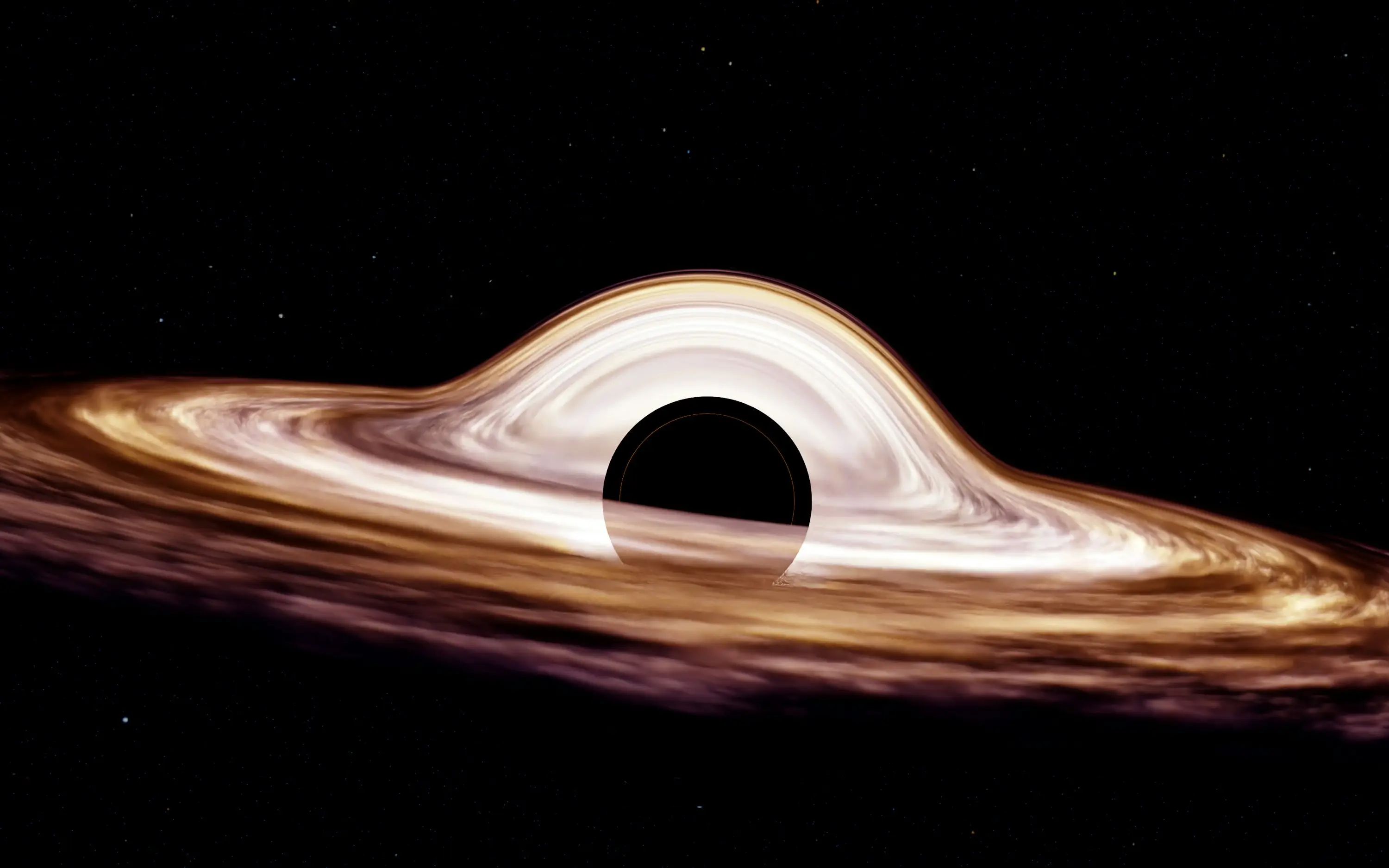
The Event Horizon – The Point of No Return
The event horizon is the boundary around a black hole beyond which nothing can escape, not even light. It’s here that space and time behave in extreme ways, making it the first stop in exploring whether travel to other dimensions is possible.
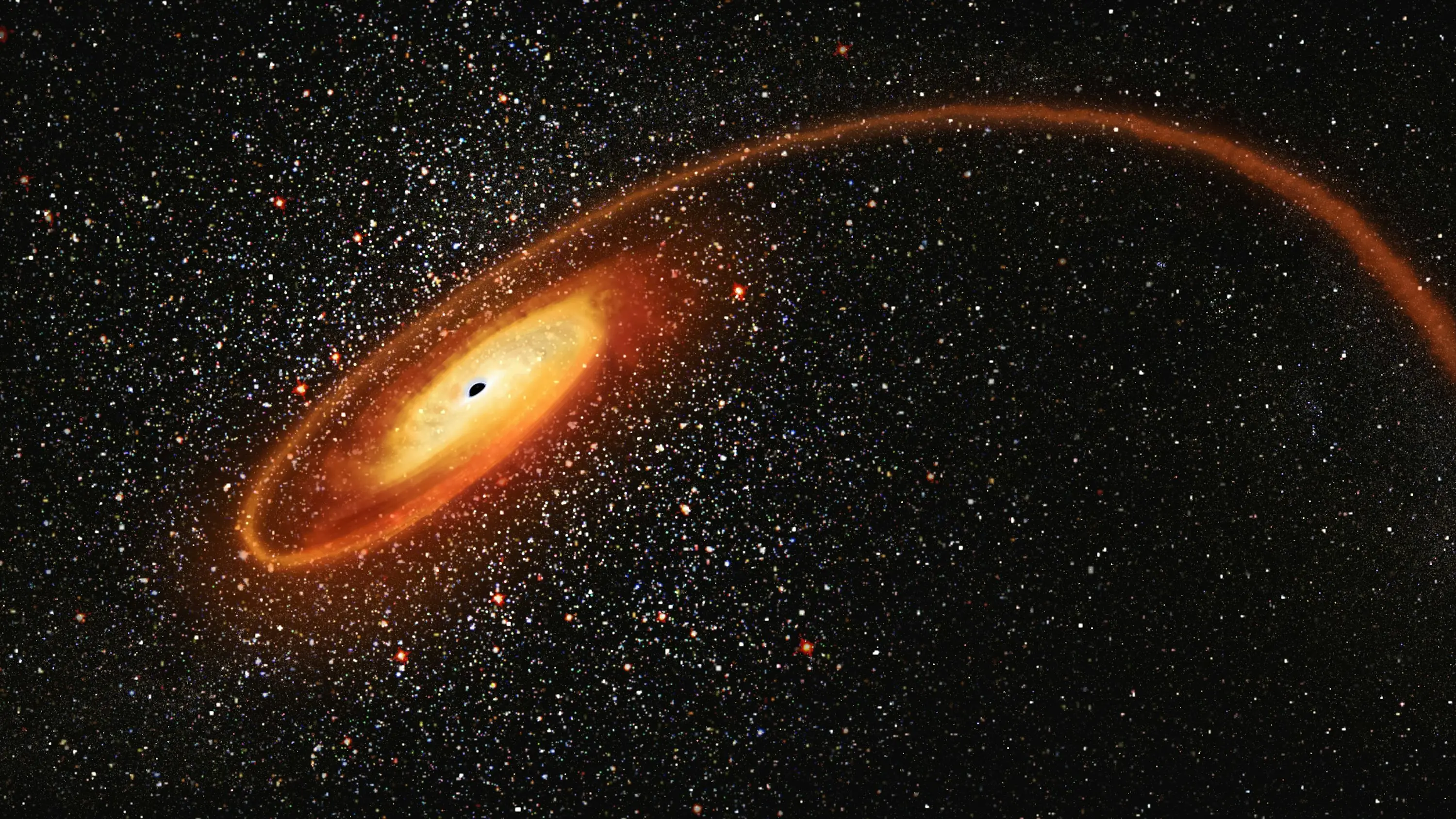
The Singularity – Physics Breaks Down
At the very centre lies the singularity, a point of infinite density where known laws of physics fail. Some theories suggest that at this point, connections to other universes or dimensions could theoretically exist.
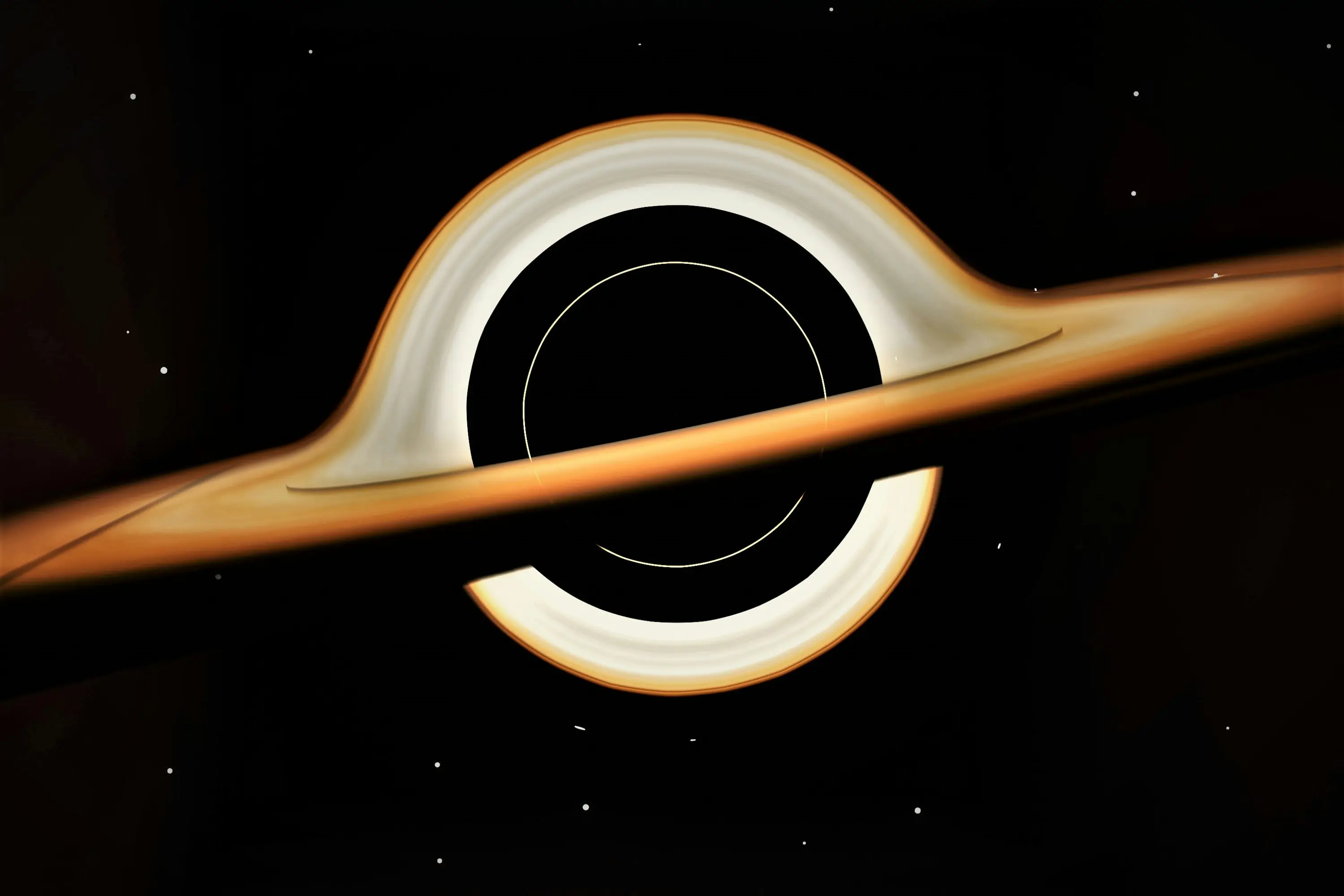
Wormhole Hypothesis
Certain solutions to Einstein’s equations predict wormholes, tunnels through space-time, which could, in theory, link distant parts of the universe or even parallel universes. Some physicists speculate black holes might be entrances to such tunnels.
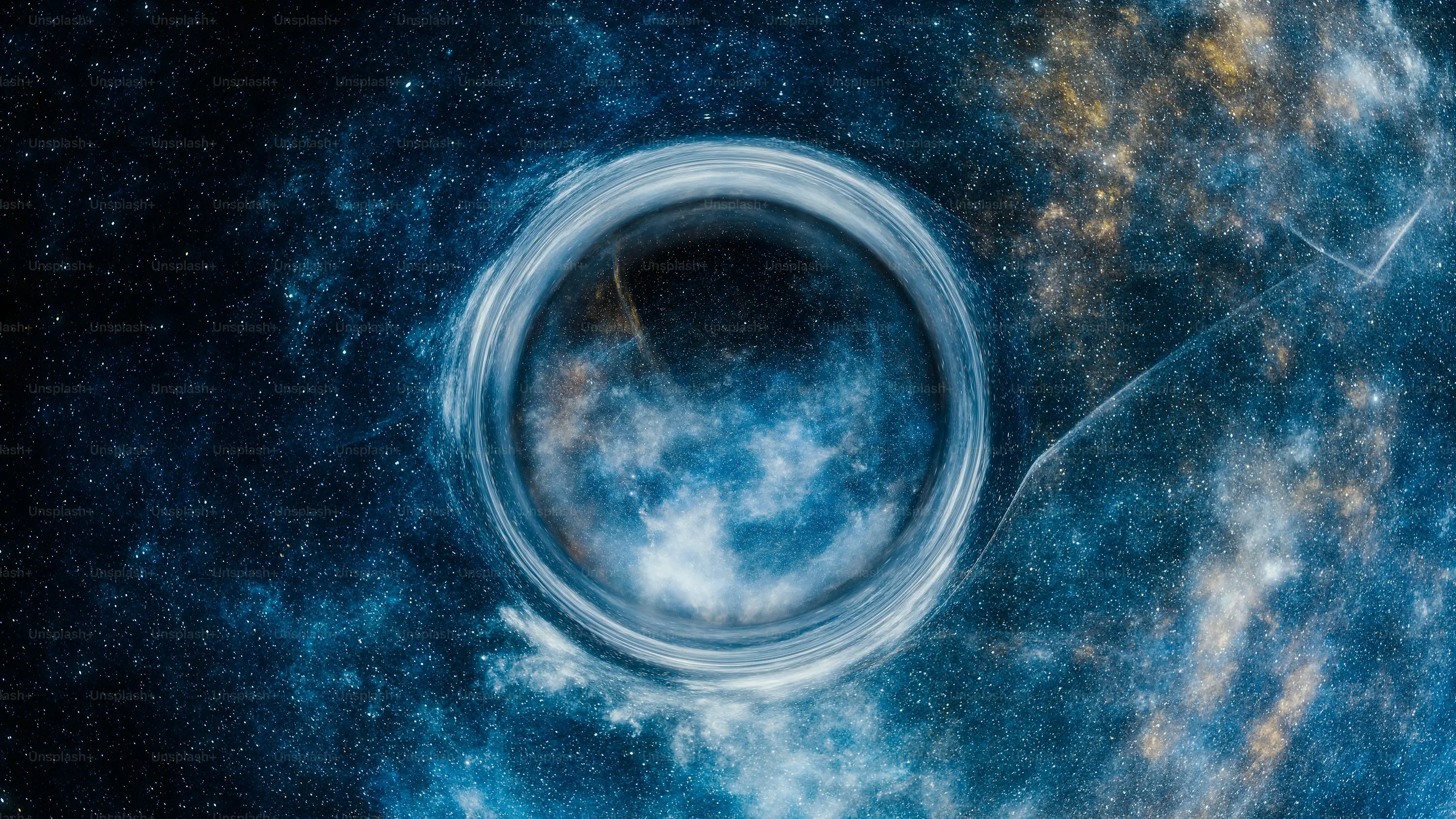
Quantum Mechanics vs. General Relativity
While general relativity supports the existence of black holes and potential wormholes, quantum mechanics introduces complications. The two theories often conflict, leaving open questions about whether such dimensional travel is feasible.
Information Paradox and Alternate Realities
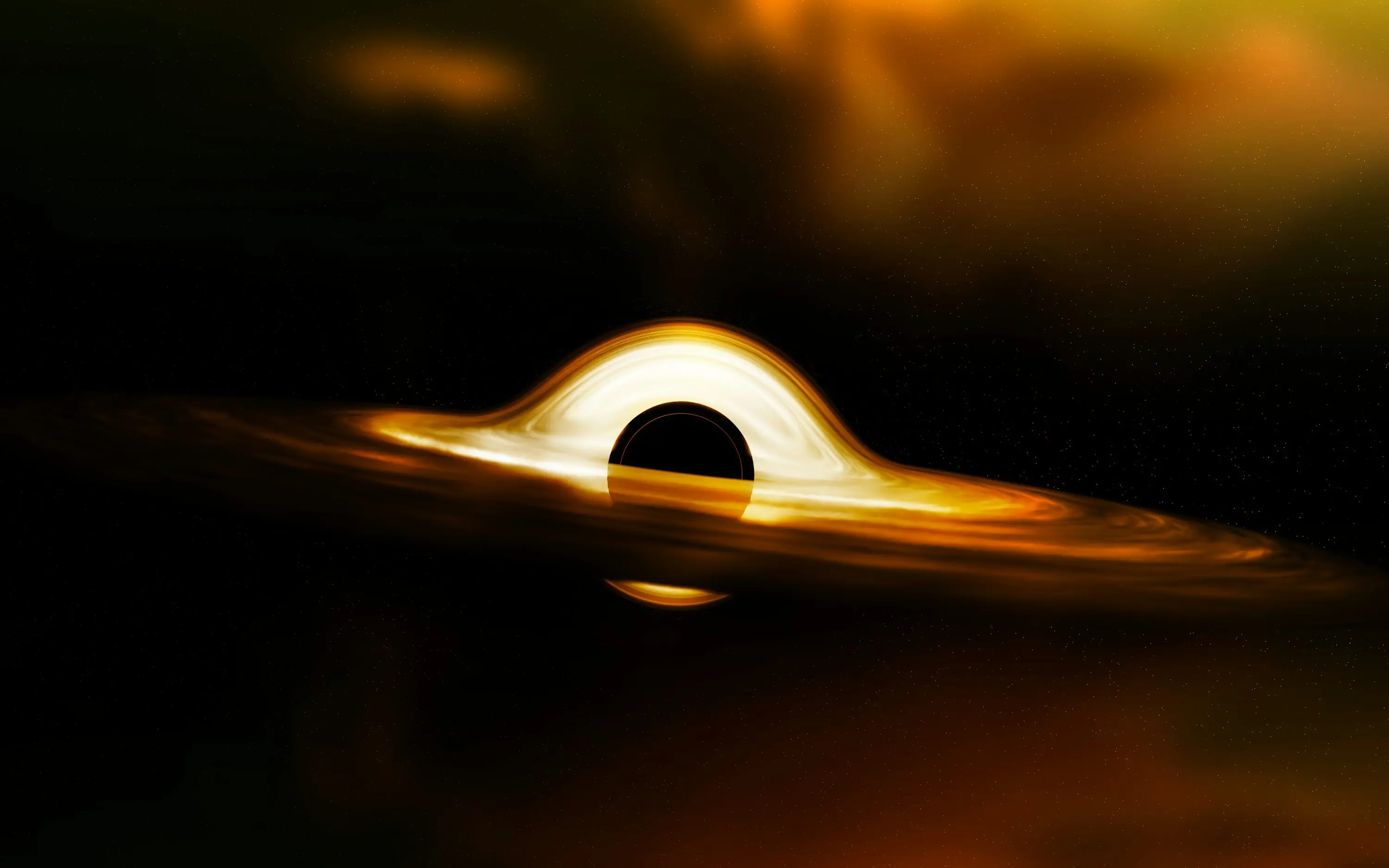
Stephen Hawking’s famous “information paradox” whether information is lost in a black hole, has led some to suggest that information might instead be transferred to another dimension or universe.
White Holes – The Hypothetical Exit
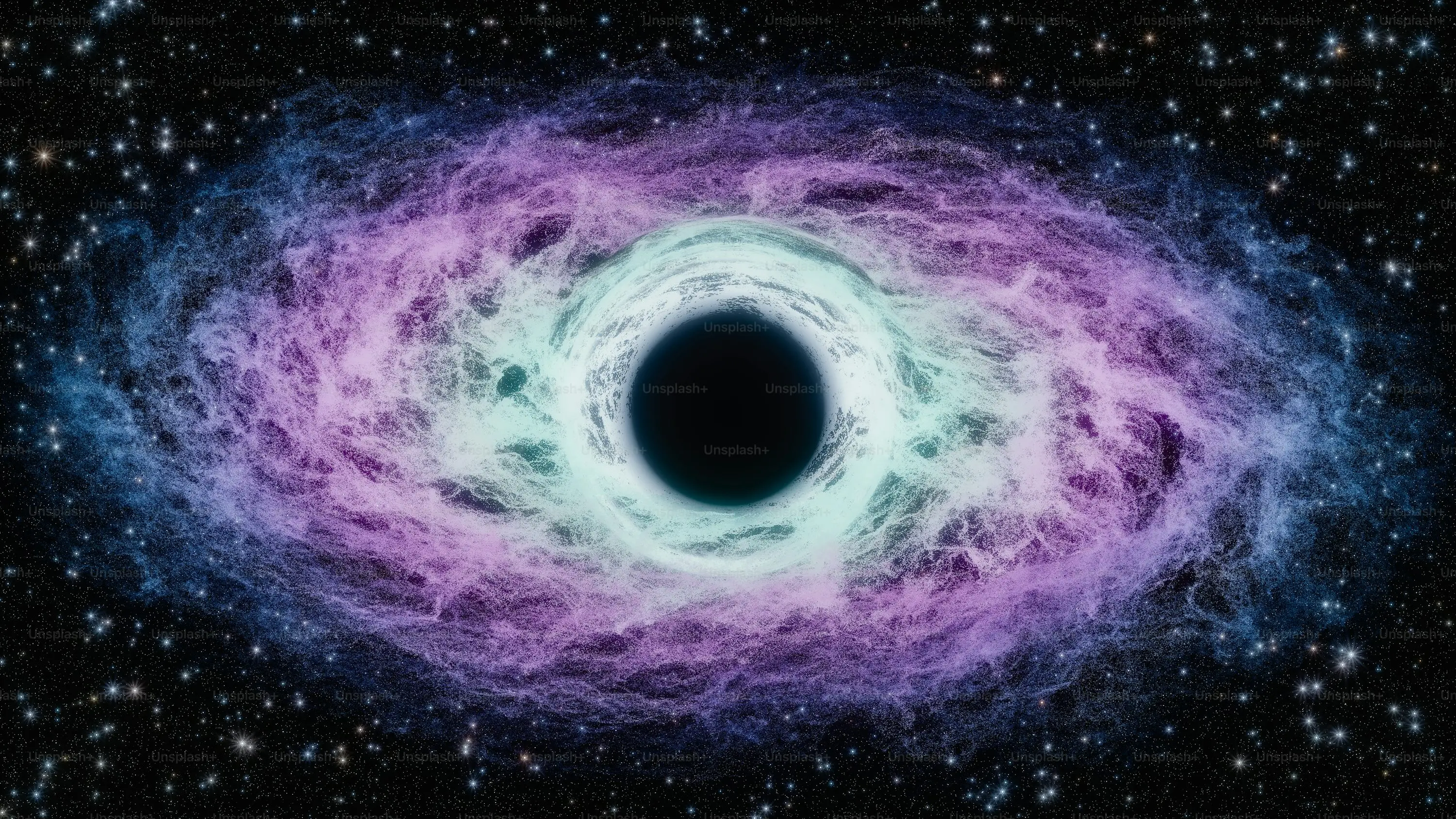
Theoretical “white holes” are the reverse of black holes, objects that only emit matter and energy. If they exist, some scientists imagine a black hole in one universe could be linked to a white hole in another.
Still in the Realm of Theory
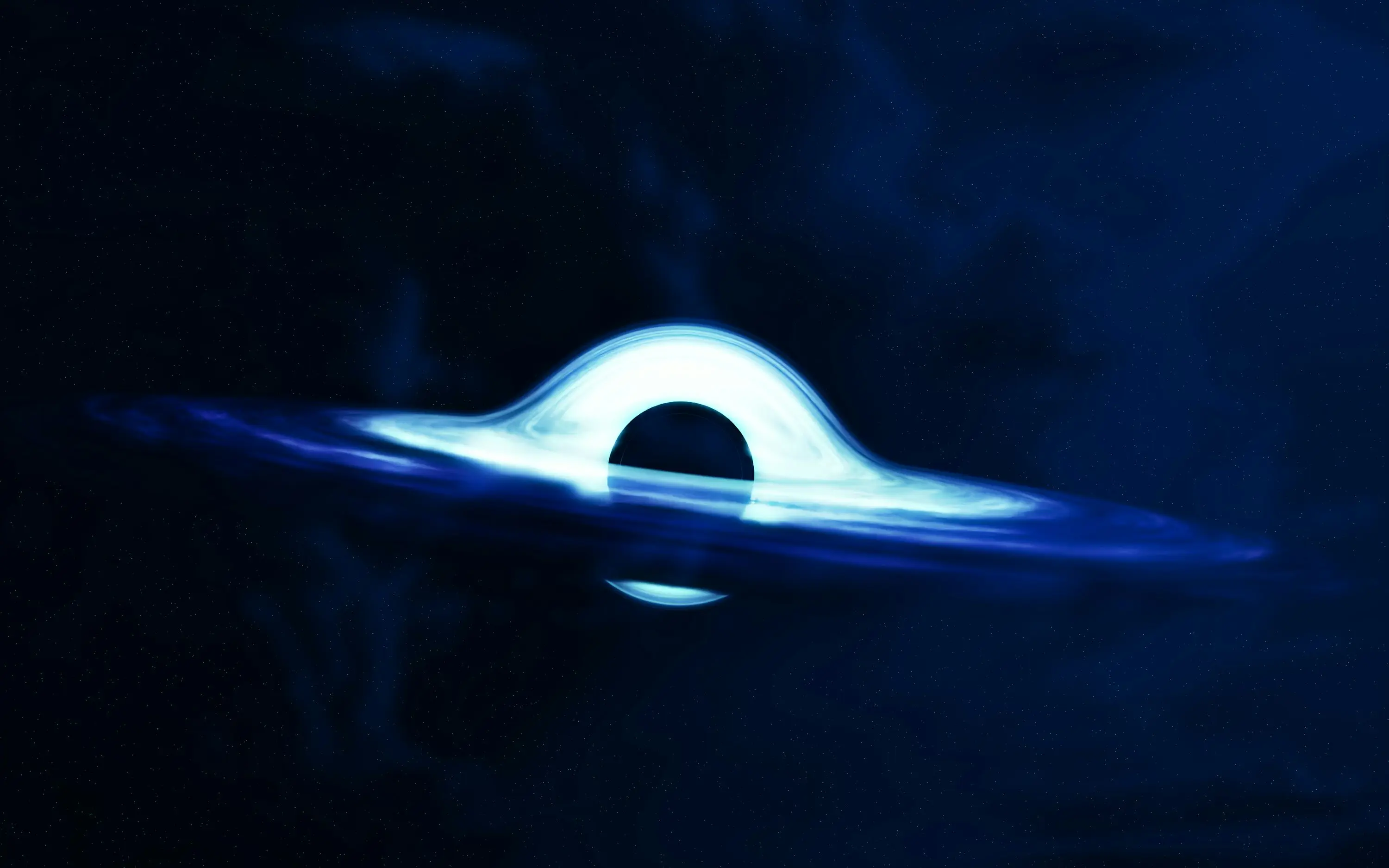
No observational evidence currently confirms that black holes lead to other dimensions. While the mathematics is intriguing, it remains speculative without direct proof.;
)
)
)
)
)