DNA Day 2026: 7 genetic disorders linked to DNA you should know about

DNA Day, observed on April 25, marks key milestones in genomic science. The day offers an opportunity to raise awareness about the impact of genetics on human health. The article highlights ten common conditions which are linked to genetics.
What is DNA Day?
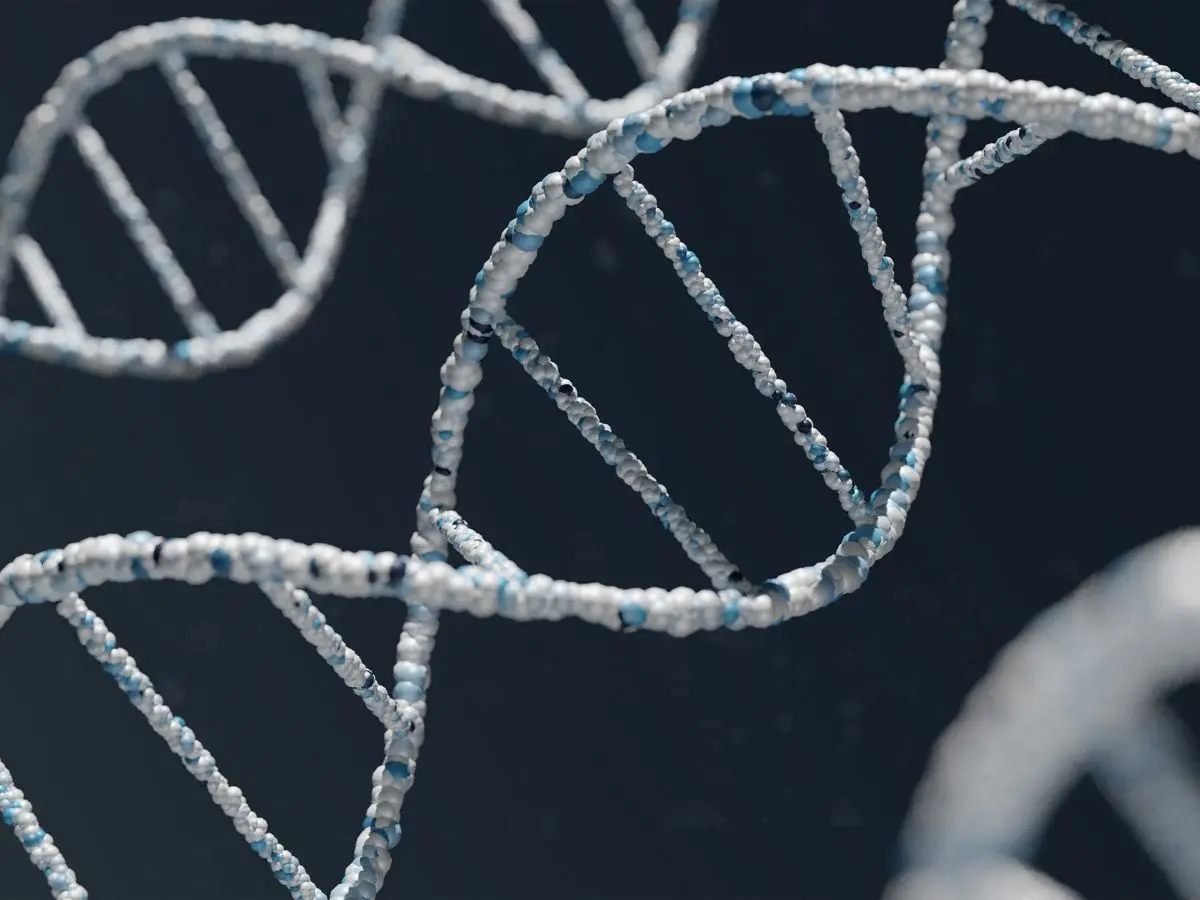
DNA Day is celebrated annually on 25 April. The day celebrates two major milestones, the discovery of DNA’s double helix structure in 1953 and the completion of the Human Genome Project in 2003. It brings students, teachers and the public together to reflect on the advances in the field of genetics. This article lists common genetic disorders that everyone should know about.
Autism Spectrum Disorder
Autism is a neurodevelopmental disorder with a strong genetic basis, though environmental factors also play a role. There is no specific gene variation that causes autism; instead, multiple gene variations are linked to it. It is a difference in how a child’s brain works that shapes their behaviours, interests, social interactions and ways of communicating in unique ways. Autism is seen as a spectrum with a wide range of personality traits, strengths and challenges.
Cystic Fibrosis
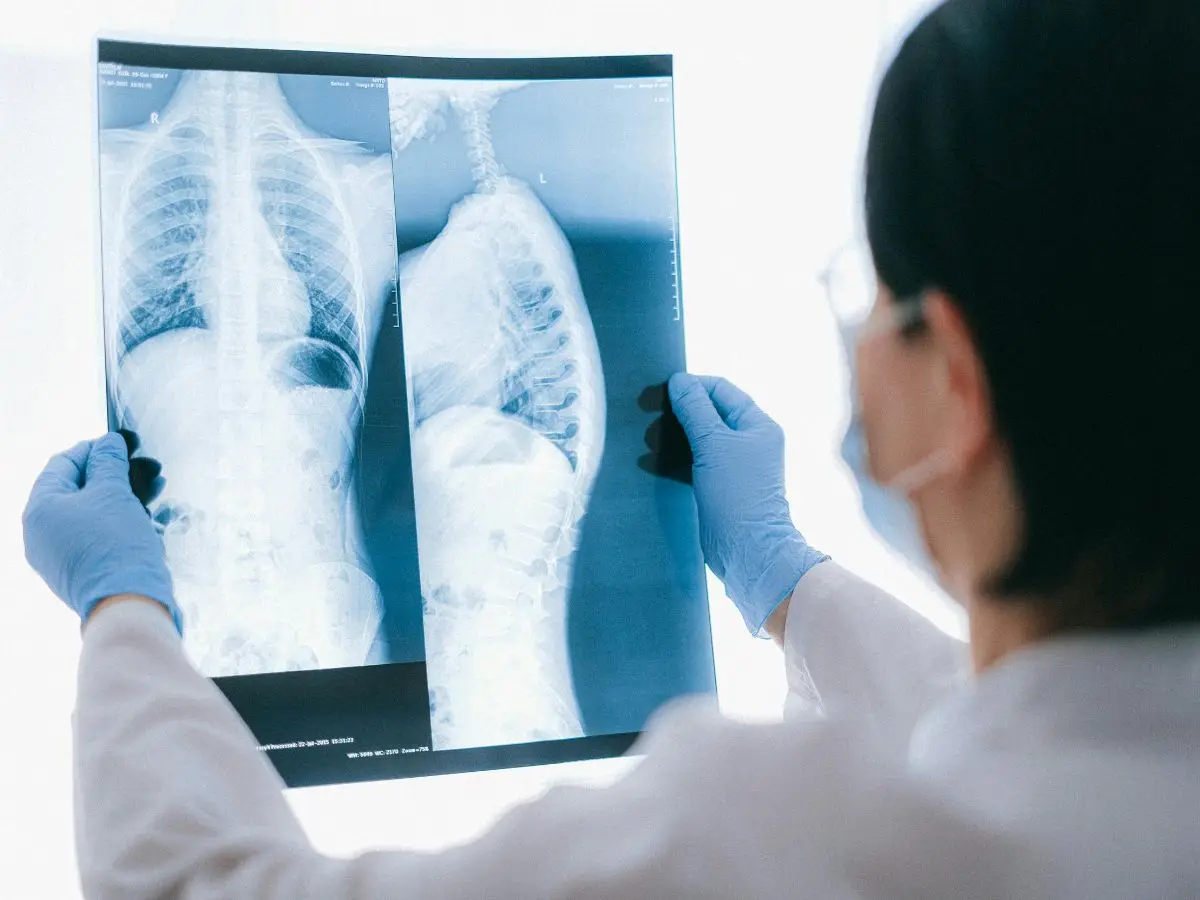
Cystic fibrosis is a serious disease caused by a faulty gene, affecting the lungs and the digestive system. It causes thick mucus buildup in one’s airways, leading to frequent lung infections, difficulty breathing, digestive issues and poor growth.

Sickle Cell Disease
Sickle Cell Disease (SCD) is a genetic blood disorder caused by a genetic variation in the HBB gene. It causes red blood cells that are sickle-shaped blocking blood flow, causing severe pain, swelling and poor oxygen flow. People with SCD may experience fatigue and be at a higher risk of infections.
Cancer, in most cases
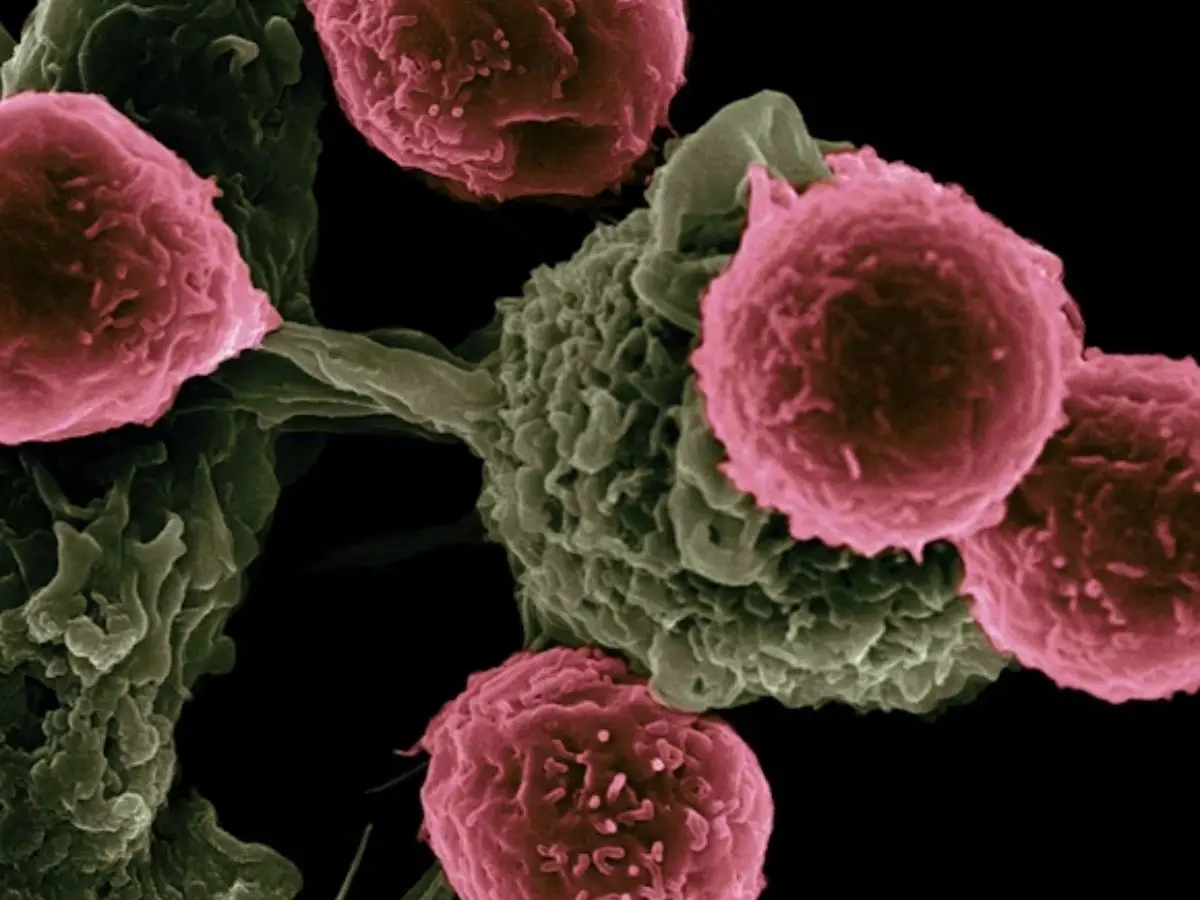
Cancer constitutes several diseases with one common factor: they happen when genes that manage cell activity mutate, creating cancerous cells that multiply and spread. It is a genetic disorder, but that doesn’t necessarily mean it is inherited. Cancer is a complicated disease with different types causing different symptoms. Common types include breast cancer, lung cancer and prostate cancer, amongst others, according to the World Health Organisation.
Turner Syndrome
Turner syndrome (TS) is caused when one of the X chromosomes is partially or completely missing. It is a condition that typically affects females. TS affects everyone differently but short stature, delayed puberty and low-functioning ovaries are some of the most common features of the condition.
Huntington’s Disease
Huntington’s disease occurs when a faulty gene causes nerve cells to break down over time. Symptoms usually appear in adulthood. Progressive nerve degeneration leads to uncontrolled movements, cognitive decline, difficulty with speech and mood swings.
)
)
)
)
)