Diwali 2025: How much will a ‘Gold Rolex’ watch cost you this festive season?

As of early October 2025, gold prices in India are hovering near Rs 70,000 per 10 grams, close to their all-time highs. This festive season surge is partly driven by global geopolitical tensions and central bank buying.
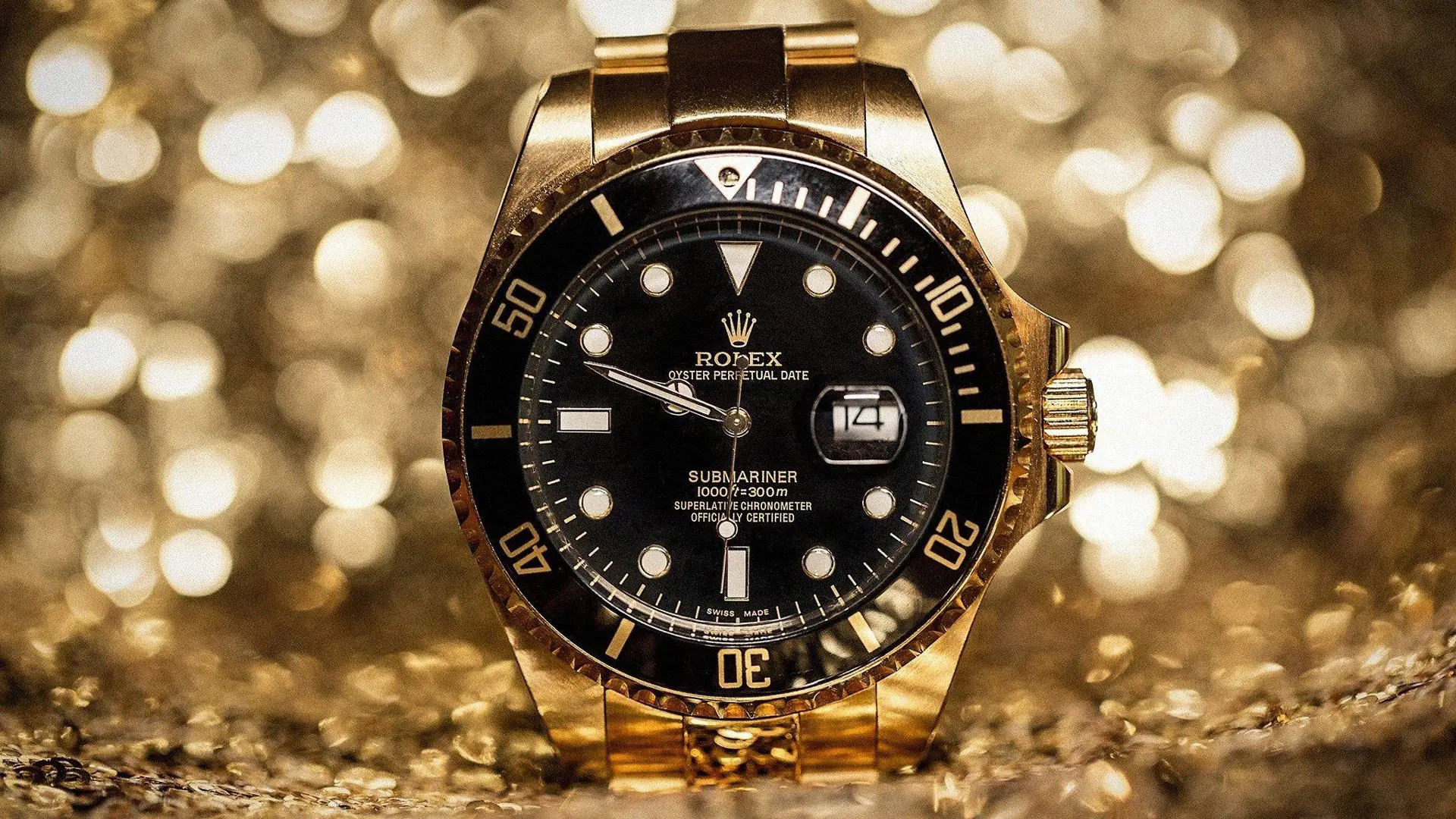
1. Festive Season = Luxury Rush
Every year, Diwali triggers a surge in demand for luxury goods in India and gold Rolex watches are no exception. High-net-worth individuals and aspirational buyers alike often make big-ticket purchases during this period, thanks to festive bonuses, cultural affinity for gold, and the belief that buying precious items during Diwali brings prosperity. According to dealers, enquiries for gold Rolex models typically spike 25–30 per cent in the two weeks leading up to the festival.
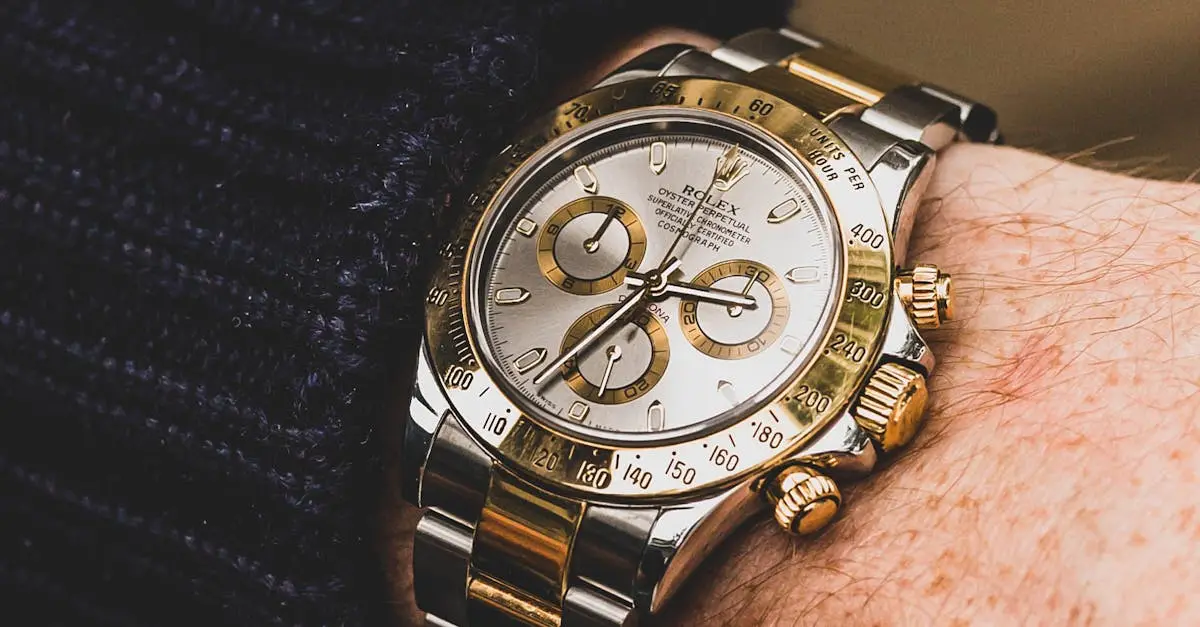
2. Why Gold Rolex Watches Are So Expensive
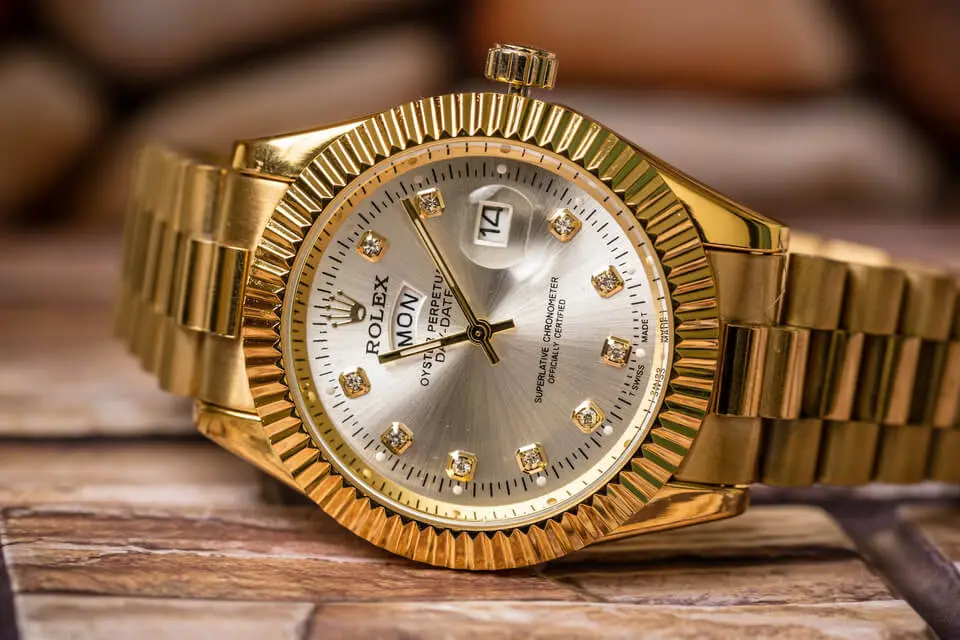
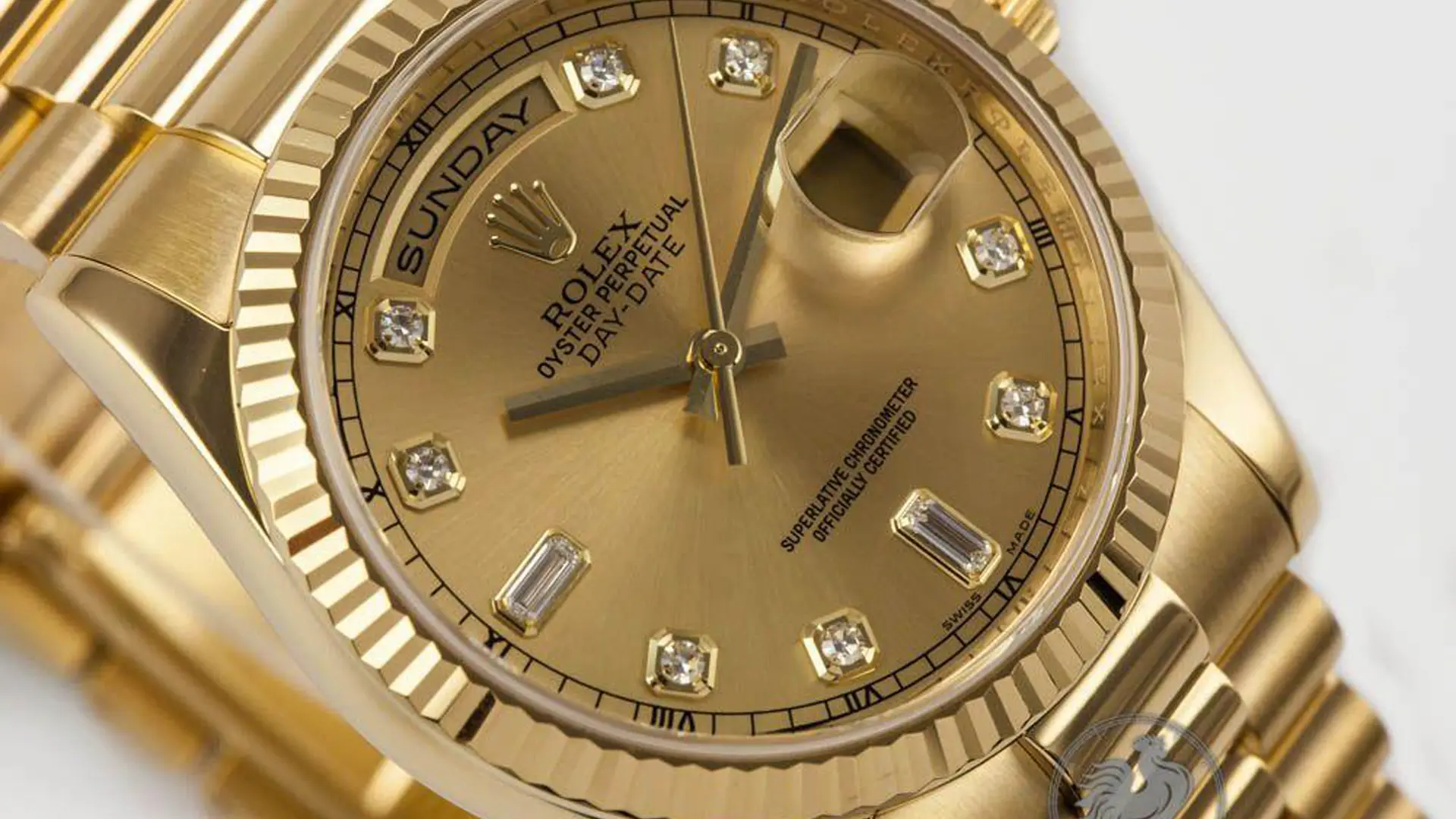
Rolex watches crafted in gold aren’t merely gold-plated, they’re made using solid 18k yellow, white, or Everose gold produced in Rolex’s own foundry in Switzerland. Models like the Day-Date, Submariner, and Cosmograph Daytona in full gold can weigh over 200 grams. When gold prices rise, these watches get even more expensive because the base material itself contributes significantly to the cost.
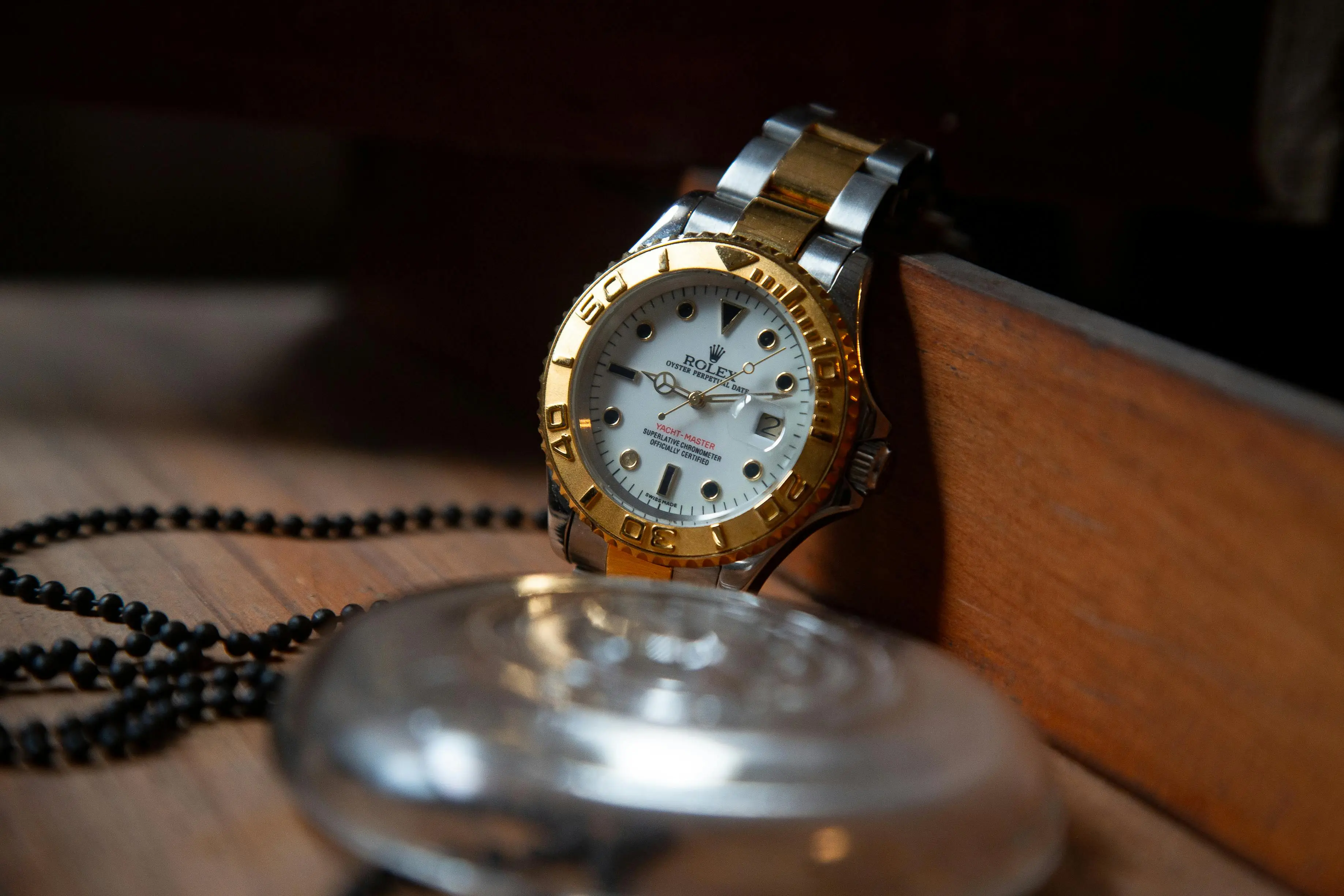
3. Gold Prices Are Near Record Highs This Year
As of early October 2025, gold prices in India are hovering near Rs 70,000 per 10 grams, close to their all-time highs. This festive season surge is partly driven by global geopolitical tensions and central bank buying. This means any gold-based luxury watch automatically gets more expensive compared to previous years.
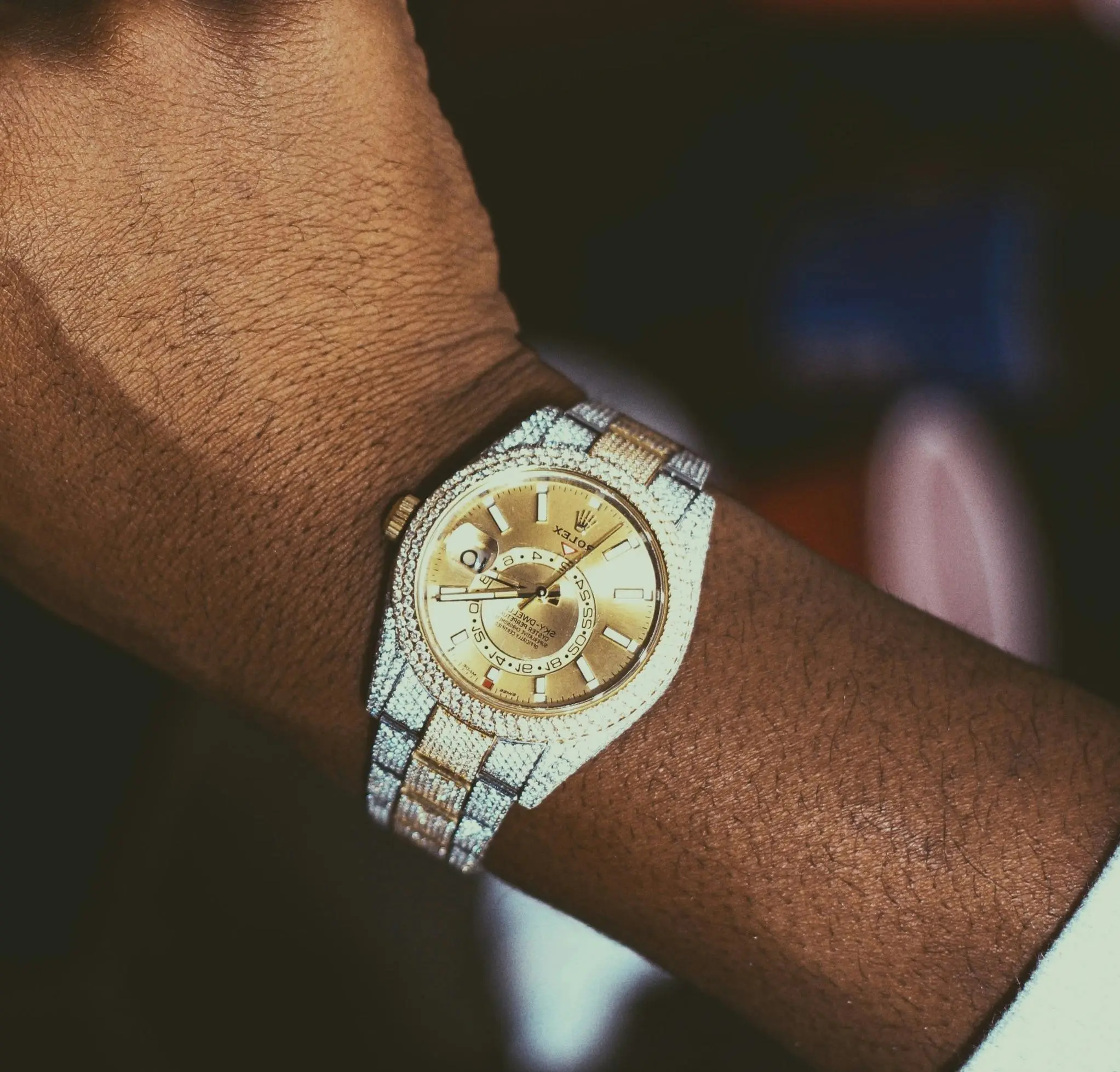
4. Estimated Price Range of Gold Rolex Models This Diwali
In India, a Rolex Day-Date 40 in full 18k yellow gold is currently priced between Rs 45– Rs 60 lakh, depending on the dial and bracelet type. The gold Submariner and Yacht-Master series start around Rs 35– Rs 40 lakh, while special editions like the Cosmograph Daytona in Everose gold can touch Rs 70 lakh or more. Premiums on limited availability models in the secondary market can push prices even higher.
5. Import Duties & GST Push Prices Up
Unlike some other luxury goods, luxury watches imported into India are subject to basic customs duty (BCD) of 20 per cent, IGST of 18 per cent, and various cess charges. This means the final retail price of a gold Rolex can be 35–40 per cent higher in India compared to international retail. This is why many buyers choose to purchase abroad, in places like Dubai or Switzerland, to save on taxes.

6. Rising Demand Meets Limited Supply
Rolex operates on a controlled production model and does not flood the market, which creates artificial scarcity. Even during Diwali, authorised dealers rarely offer discounts, and waiting lists for gold models can stretch from 6 months to over a year. Some buyers turn to the grey market, where prices are dictated purely by demand, often exceeding the MRP significantly.
7. Investment or Indulgence?
Gold Rolex watches have historically held or appreciated in value, especially limited editions or discontinued references. With gold prices at historic highs, many investors view such watches as dual-purpose assets, combining the security of gold with Rolex’s brand premium. However, experts warn against buying purely for short-term gains, as resale values depend on condition, paperwork, and global demand cycles.
)
)
)
)
)