Disputed lands: 5 Asian countries facing unresolved border tensions

From the icy heights of the Himalayas to the arid plains of the Thar Desert, these disputes have deep historical roots and complex political implications.
Introduction
Asia's geopolitical landscape is marred by long-standing territorial disputes that continue to fuel tensions among neighbouring countries. These unresolved border issues not only hinder regional cooperation but also pose significant challenges to peace and stability. From the icy heights of the Himalayas to the arid plains of the Thar Desert, these disputes have deep historical roots and complex political implications.
1. India-China: The Line of Actual Control (LAC)
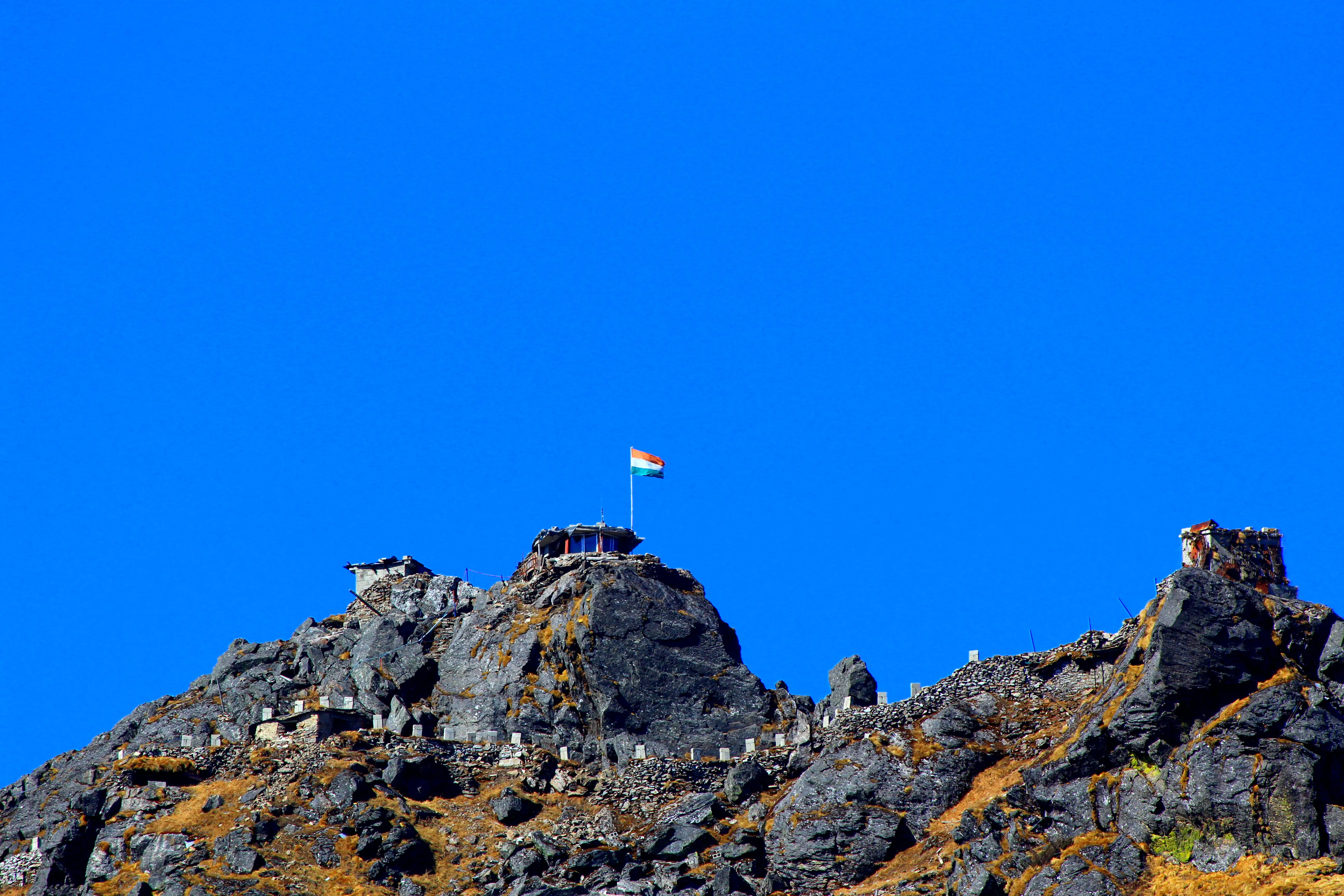
The India-China border dispute spans over 3,400 kilometres along the Line of Actual Control (LAC), mainly concerning Aksai Chin, controlled by China, and Arunachal Pradesh, administered by India but claimed by China. India maintains that Aksai Chin is part of Ladakh, citing historical ties since 1842, and rejects China’s control as “illegal occupation,” protesting actions such as the establishment of new Chinese counties in the region.
2. India-Pakistan: The Kashmir Conflict
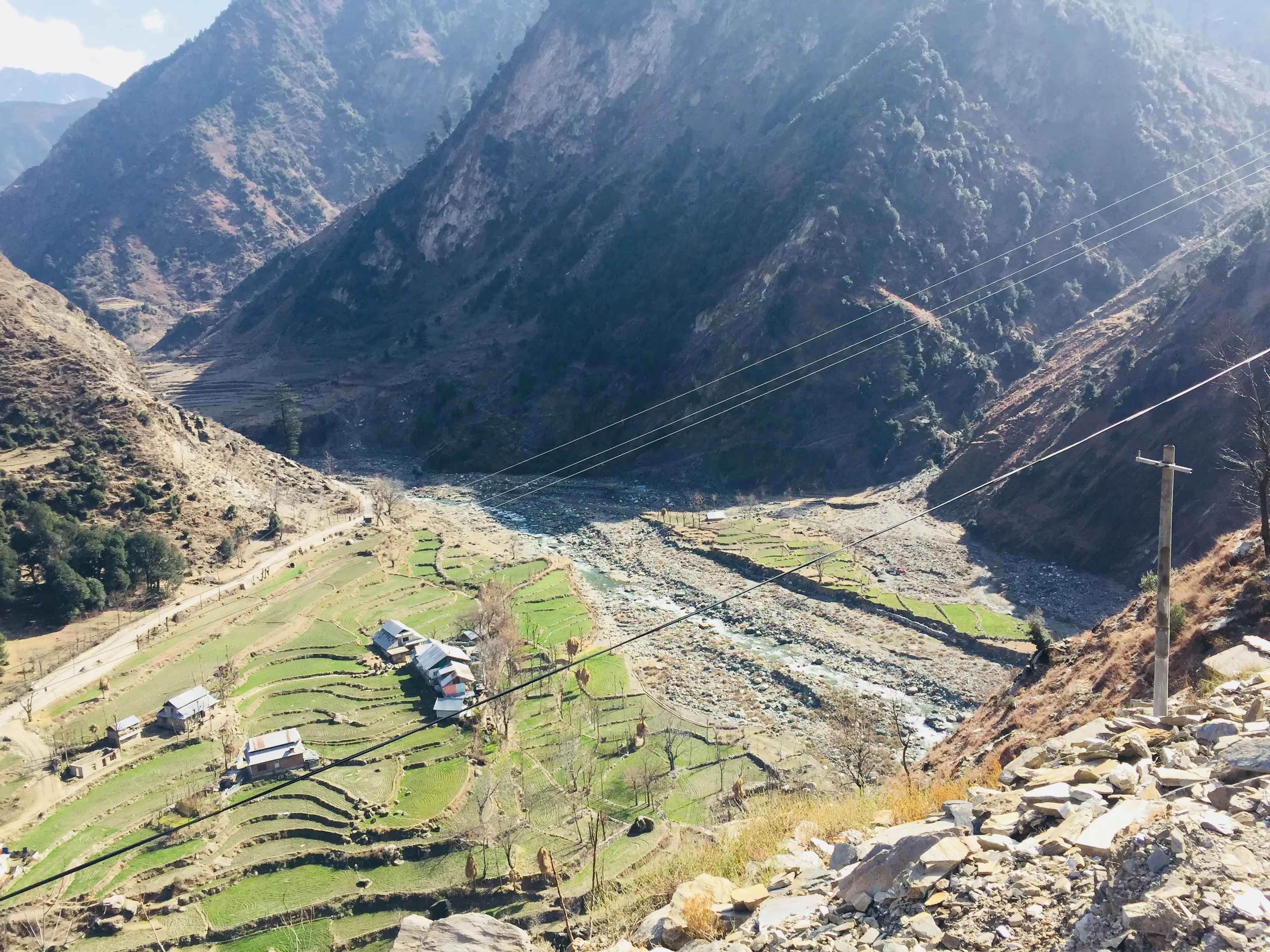
The Kashmir region remains a longstanding flashpoint due to Pakistan’s continued support for cross-border terrorism and attempts to challenge India’s sovereignty. While India administers the majority of the territory, Pakistan has historically backed militant infiltration and violent attacks aimed at destabilising the region. The 2025 Pahalgam attack, which claimed the lives of 26 innocent tourists, is a stark reminder of Pakistan-sponsored terrorism targeting civilians. The Line of Control (LoC) remains heavily militarised to prevent such incursions, and despite India’s repeated efforts at peace and dialogue, Pakistan’s actions continue to undermine stability in the region.
3. China: East and South China Sea Disputes
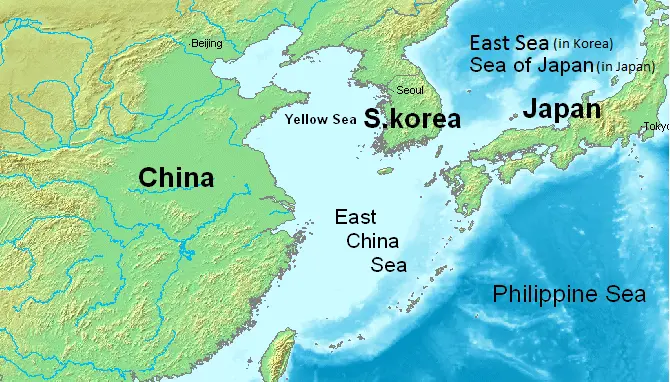
China is involved in multiple maritime disputes in the East and South China Seas, claiming almost the entire South China Sea under its 'nine-dash line'. This claim overlaps with territories claimed by Vietnam, the Philippines, Malaysia, Brunei, and Taiwan. The region is strategically vital, rich in fisheries, natural resources, and shipping lanes. China’s construction of artificial islands and militarisation of reefs has heightened tensions, prompting naval patrols and freedom-of-navigation operations by the United States and regional powers. These actions have made the South China Sea one of Asia’s most volatile maritime zones.
4. China: Border Tensions with Neighbours
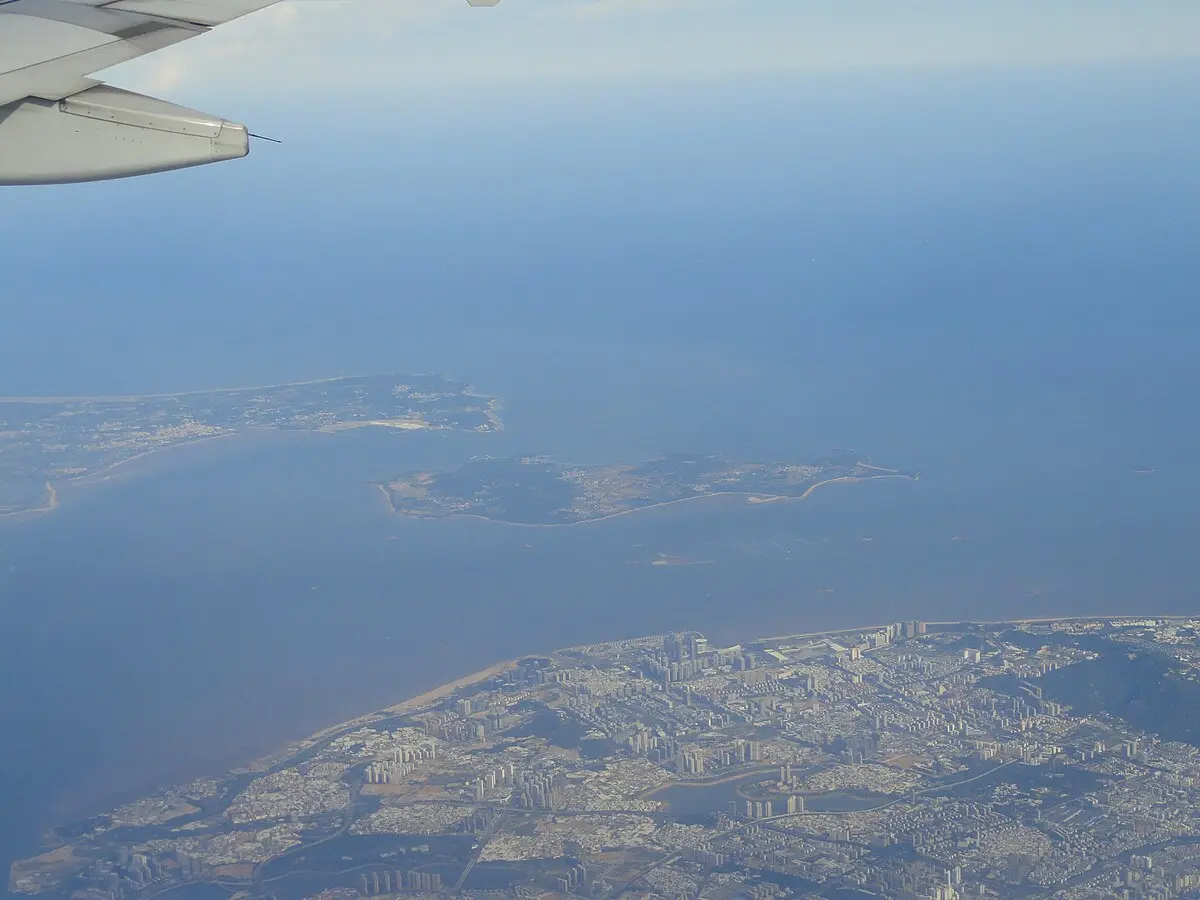
On land, China has longstanding border disputes with several countries. China shares unresolved borders with Bhutan and Myanmar. The Senkaku/Diaoyu Islands dispute in the East China Sea with Japan also remains a source of friction. These territorial disagreements have occasionally led to military standoffs and continue to influence Beijing’s foreign policy and regional security strategy.
5. Bhutan-China: The Doklam Standoff
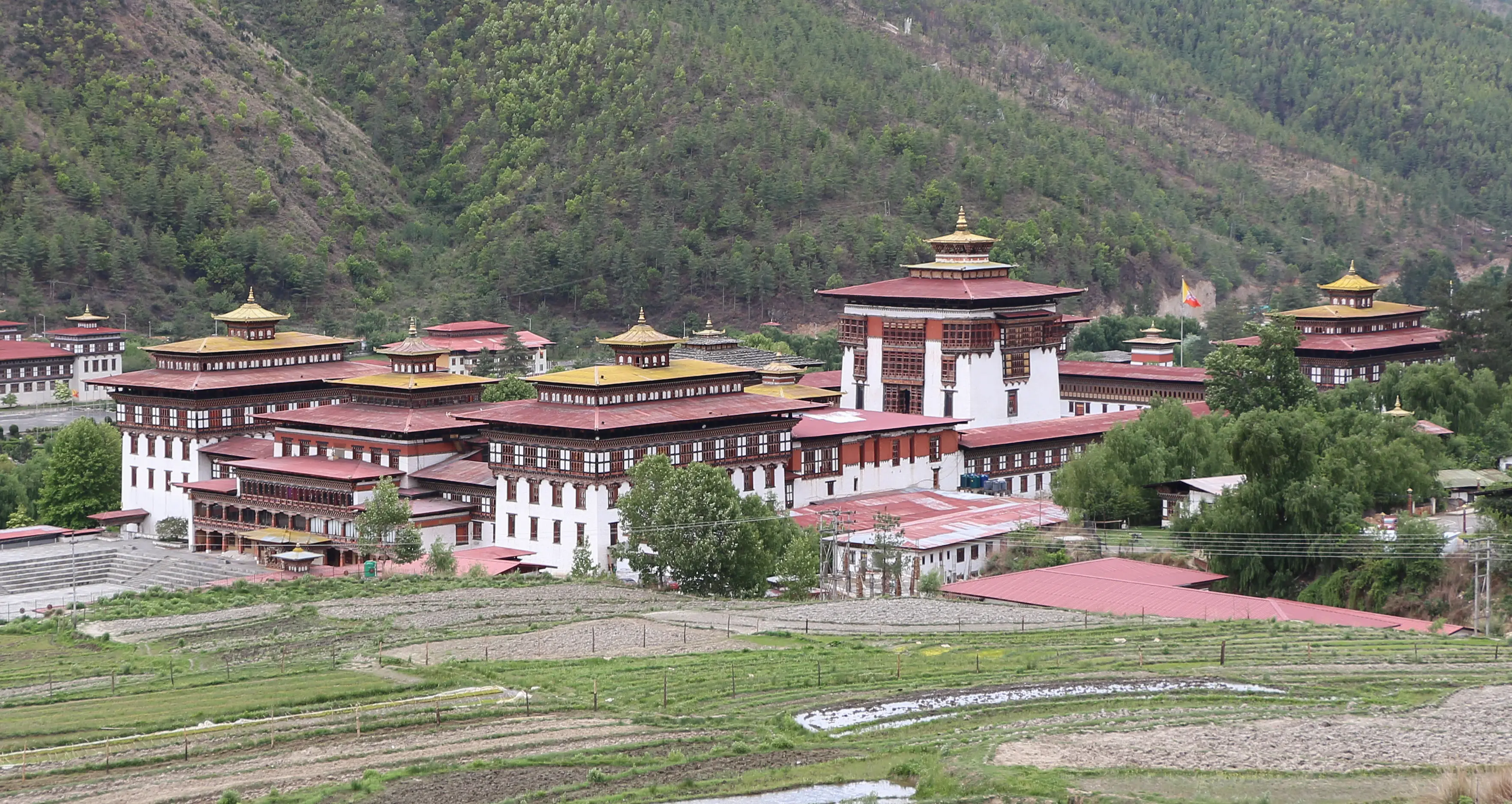
Bhutan, a small Himalayan kingdom, has been involved in a border dispute with China over the Doklam plateau. The area is strategically significant as it lies near the trijunction of India, China, and Bhutan. In 2017, a military standoff occurred when China attempted to construct a road in the disputed area. India intervened in support of Bhutan, leading to a tense but peaceful resolution. However, the underlying territorial dispute remains unresolved.
)
)
)
)
)