Discovery of Black Holes: From ‘dark star’ theory to invisible hole in space

These predictions were speculative, but they planted the first seeds of an idea that would remain dormant until Einstein reshaped physics.
An idea before its time
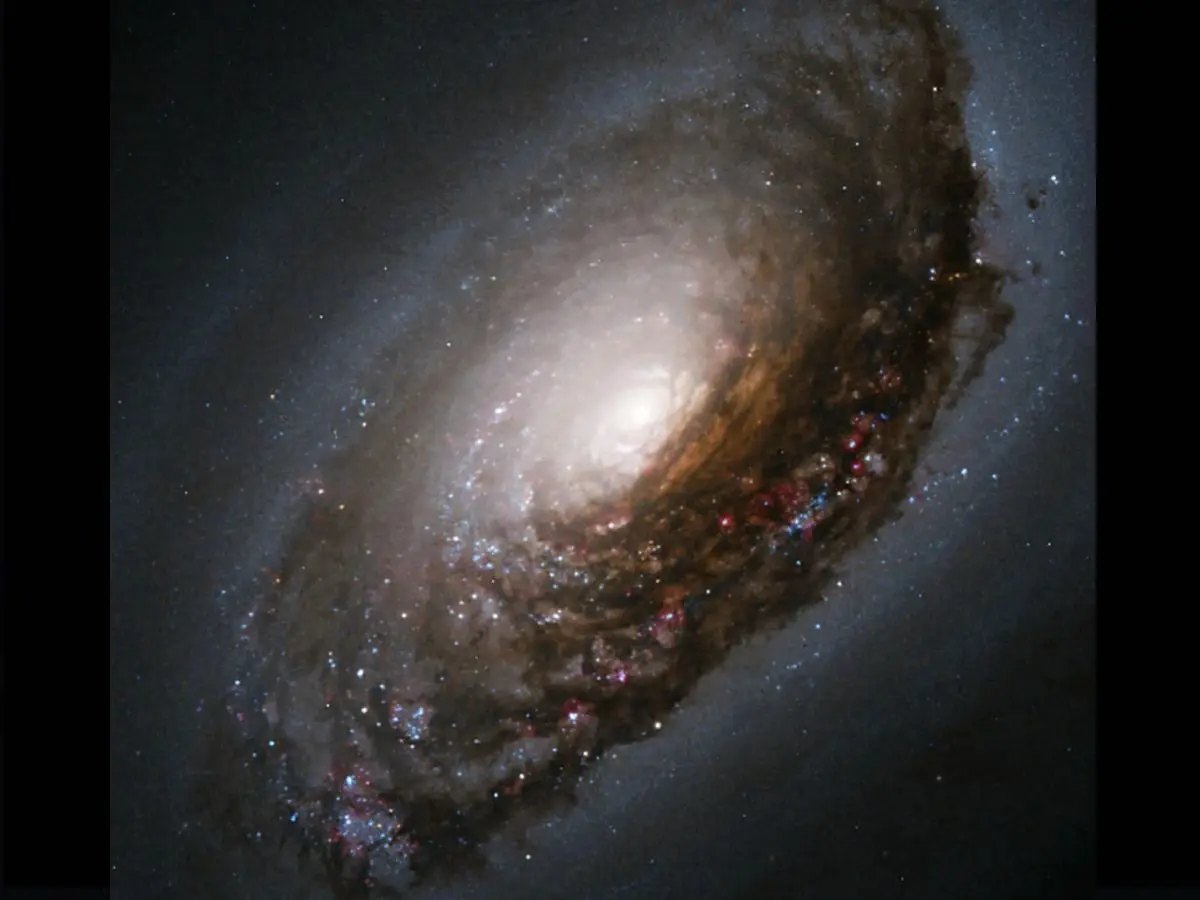
Black holes are often thought of as modern scientific wonders, yet their origins stretch back far earlier than the space age. In the late 18th century, British natural philosopher John Michell suggested that a star so dense could exist that not even light could escape its pull. Around the same period, French scientist Pierre-Simon Laplace independently outlined a similar notion of what he called a 'dark star'. These predictions were speculative, but they planted the first seeds of an idea that would remain dormant until Einstein reshaped physics.
Einstein’s equations open the door
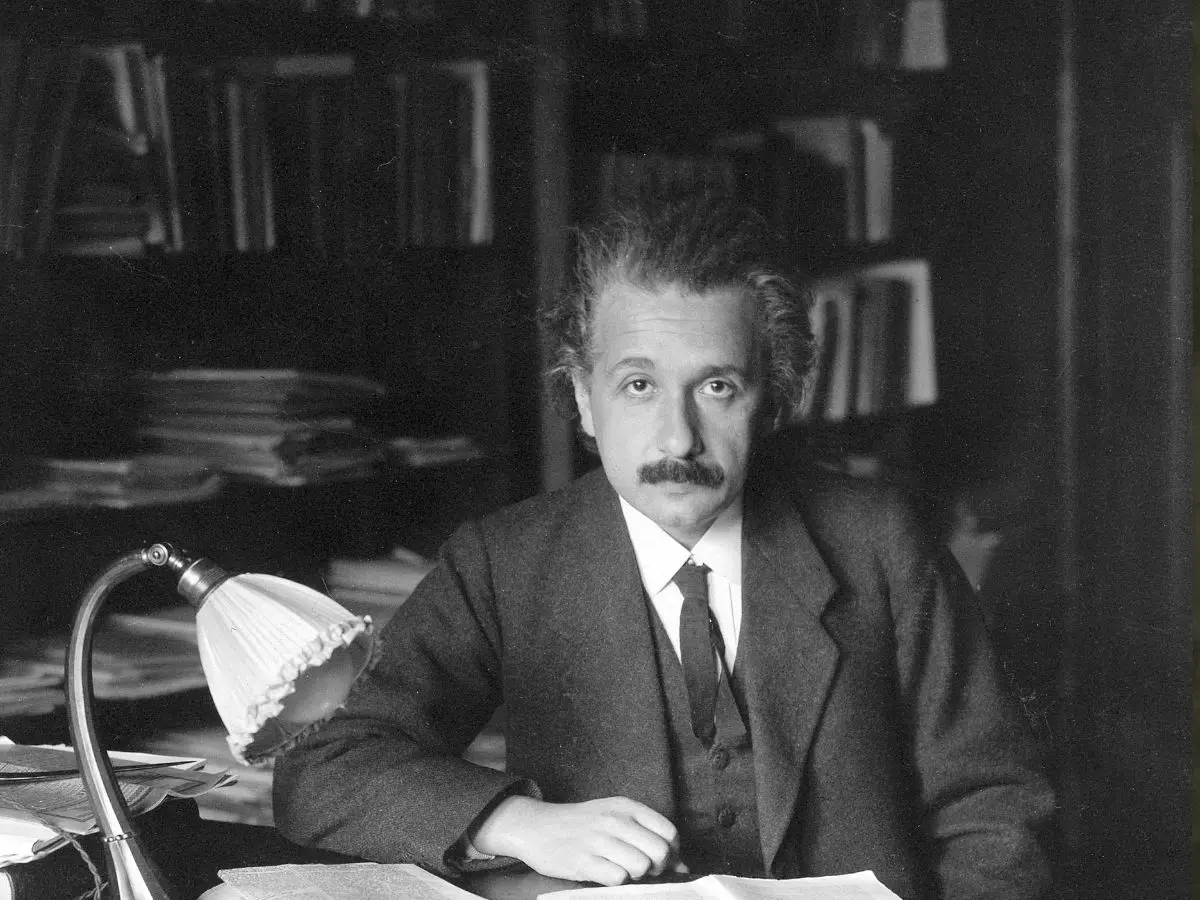
In 1915, Albert Einstein published his general theory of relativity, describing gravity as the warping of space-time. His equations suggested that mass could curve space to extreme degrees. Soon after, German physicist Karl Schwarzschild found an exact solution to Einstein’s field equations that described a point of infinite density, what we now call a singularity. At the time, even Einstein himself doubted such objects could exist in reality.
From theory to prediction
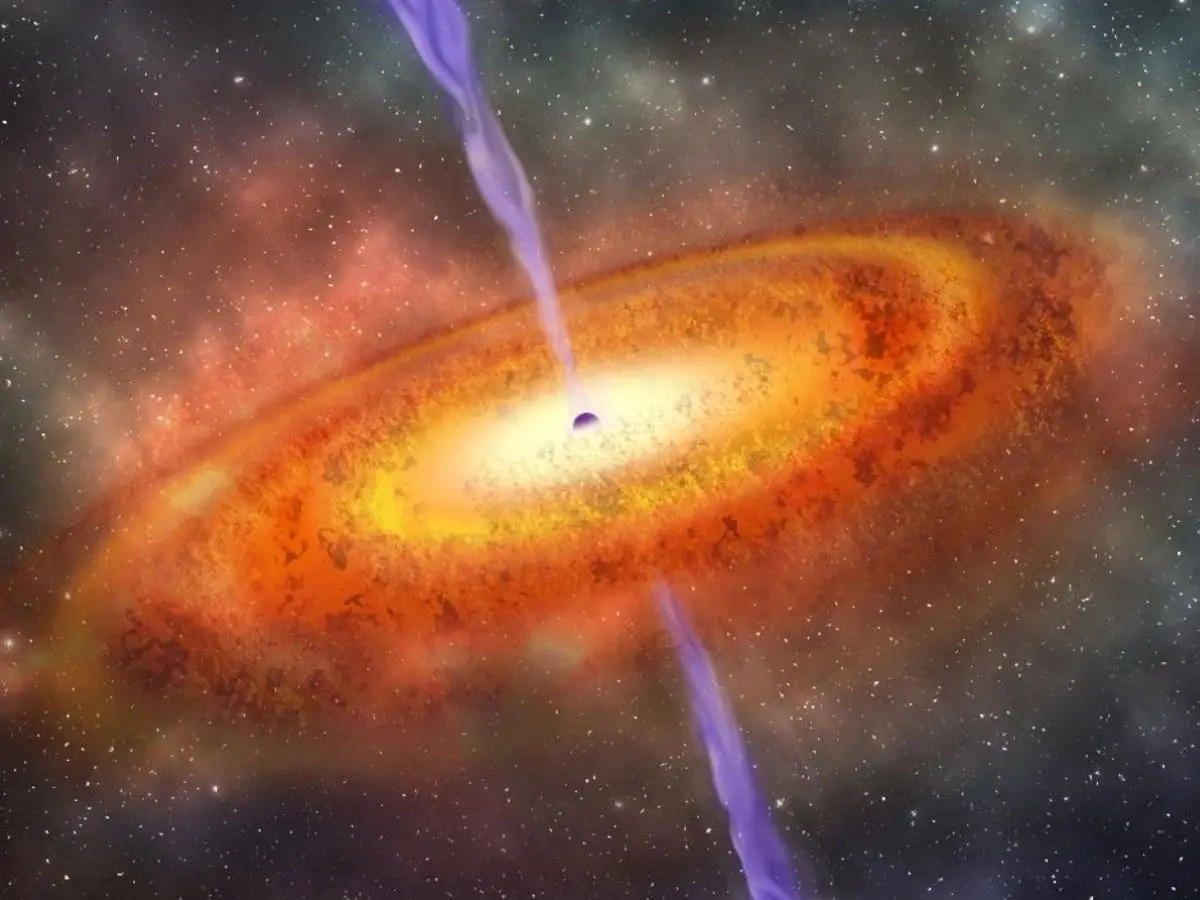
Through the 20th century, black holes moved from mathematical curiosities to serious astrophysical candidates. Scientists such as Subrahmanyan Chandrasekhar demonstrated that stars above a certain mass could collapse under their own gravity after exhausting their nuclear fuel. Robert Oppenheimer and Hartland Snyder further explored this process in 1939, showing how a massive star could implode and form what we now recognise as a black hole. For decades, though, the concept remained unproven and even controversial.
First indirect evidence
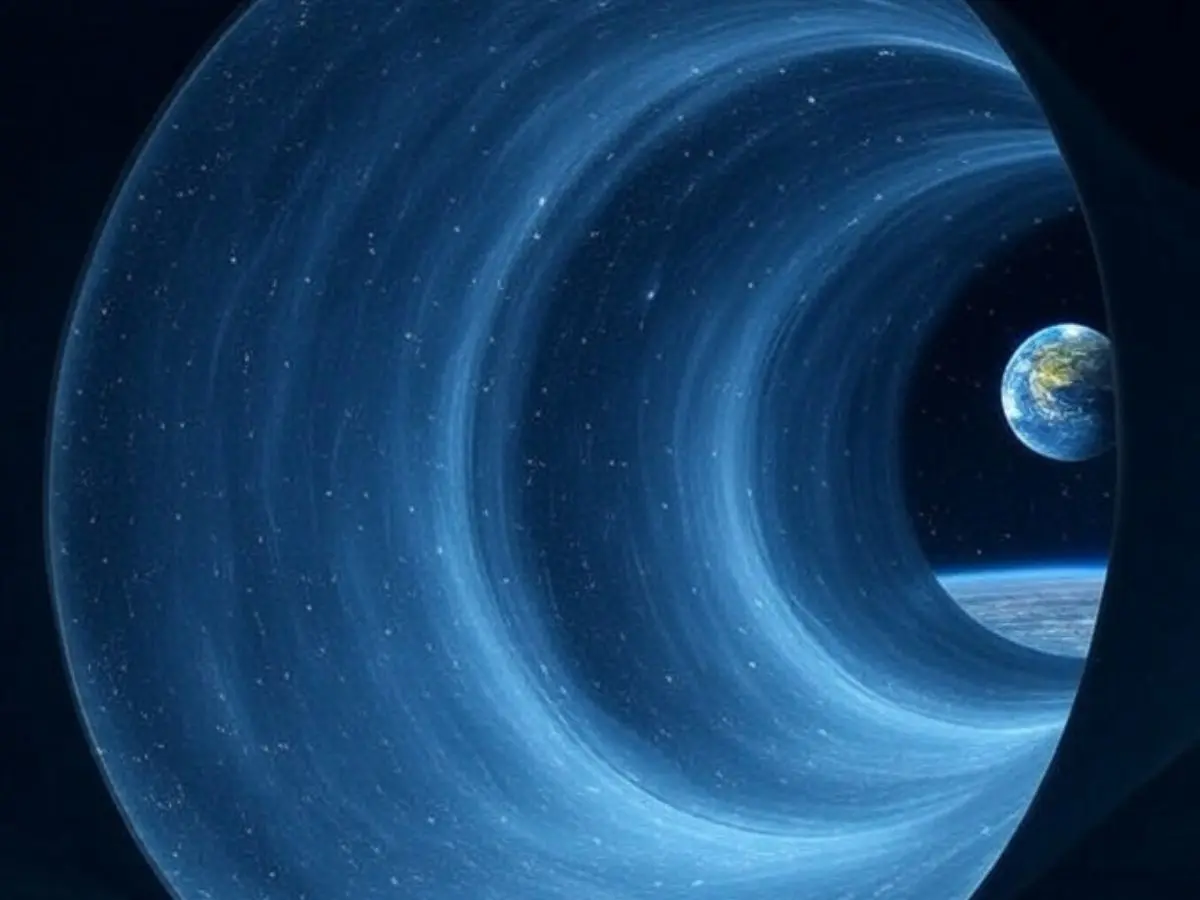
By the 1960s, new instruments gave astronomers their first indirect glimpses. Powerful X-ray emissions were detected from Cygnus X-1, a binary system where one unseen companion was pulling matter off its partner star. The data suggested the presence of a collapsed object with immense gravity, too massive to be a neutron star, fitting the description of a black hole. Over time, other candidates emerged, convincing the scientific community that these strange entities were not just theoretical constructs.
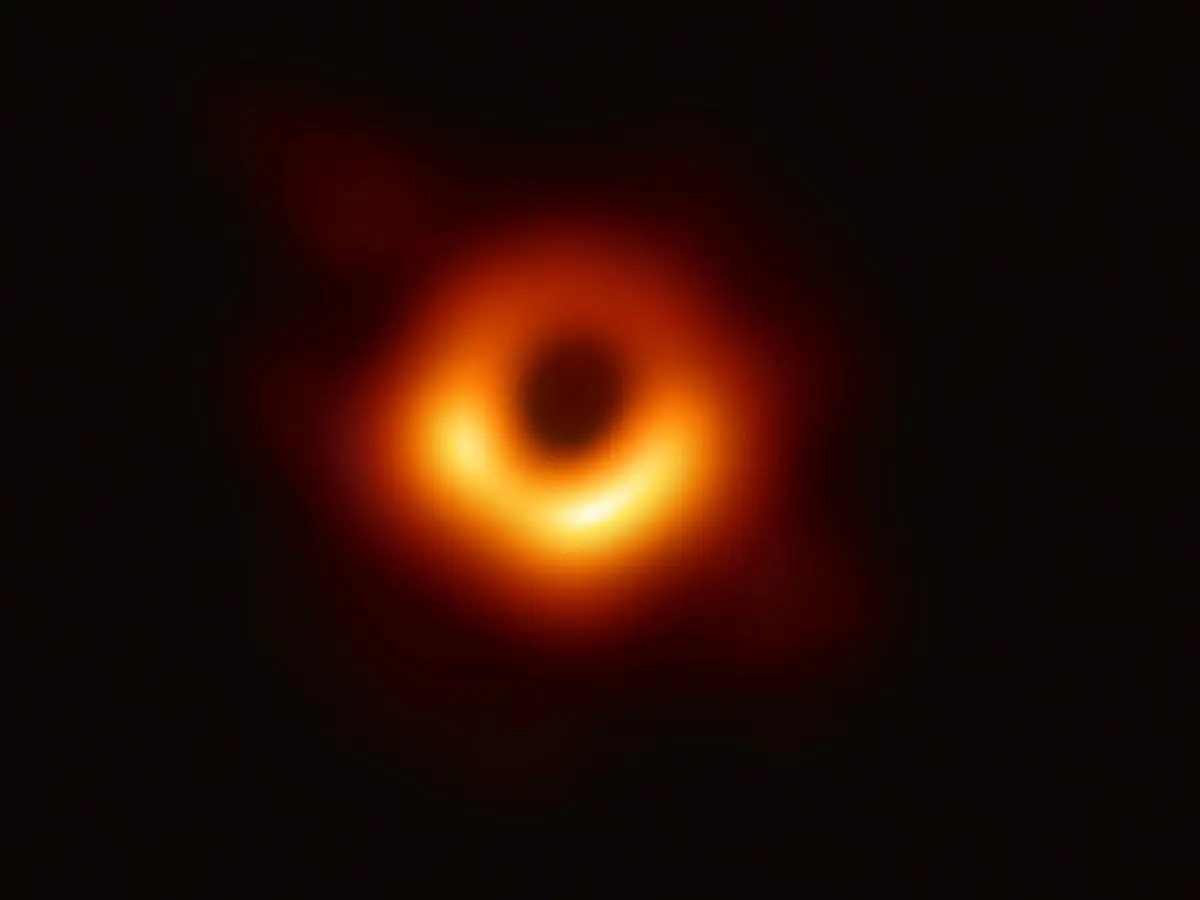
The first image of the invisible
The true breakthrough came in April 2019, when the Event Horizon Telescope (EHT) collaboration unveiled the first-ever image of a black hole. Using a global network of radio telescopes, scientists captured the glowing ring of gas surrounding the supermassive black hole at the centre of galaxy M87. This image provided the most direct visual confirmation yet of Einstein’s predictions, more than a century after his equations first implied their existence.
Black holes today
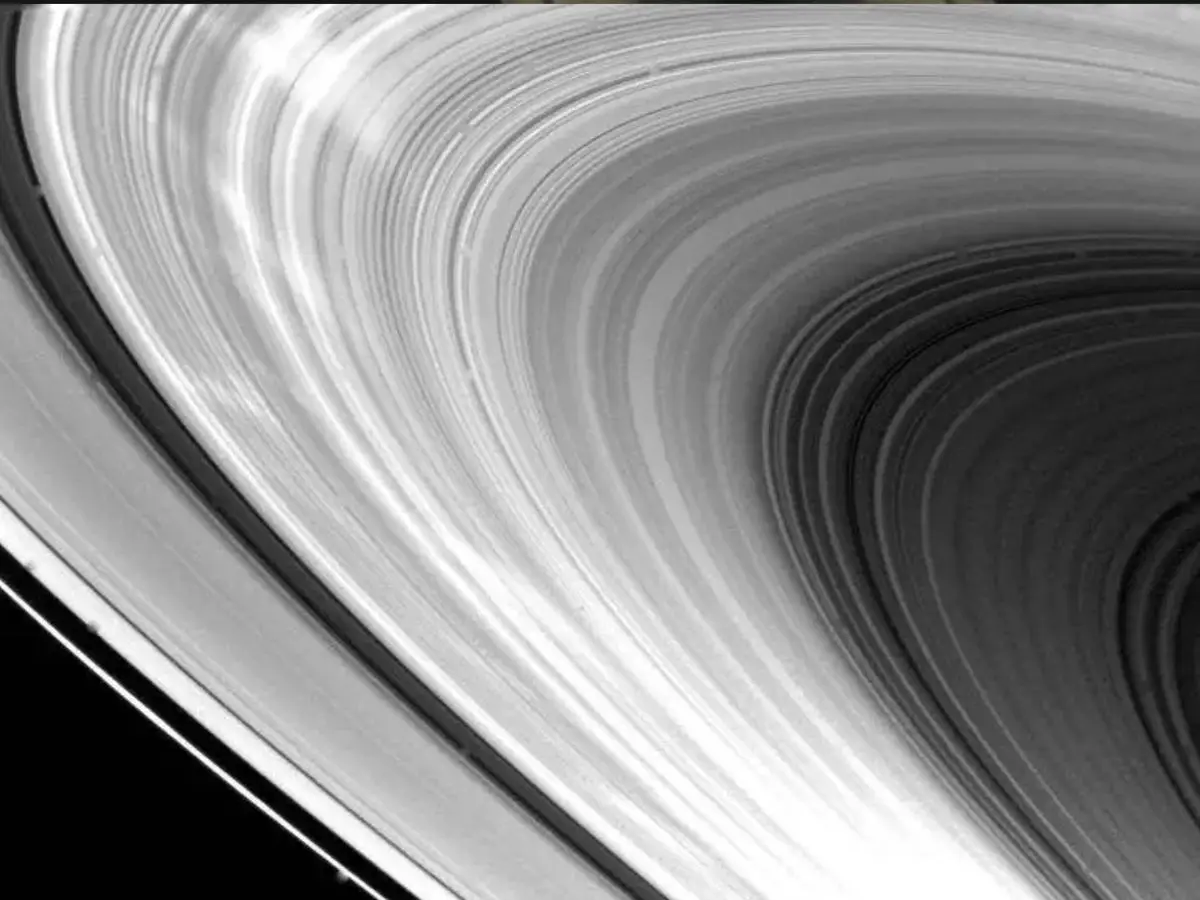
Black holes are now considered fundamental to understanding galaxies and cosmic evolution. Scientists believe most galaxies, including our own Milky Way, harbour supermassive black holes at their cores. Research continues into their role in shaping the universe, from jetting out particles at near-light speeds to possibly influencing the distribution of stars.
From speculation to reality
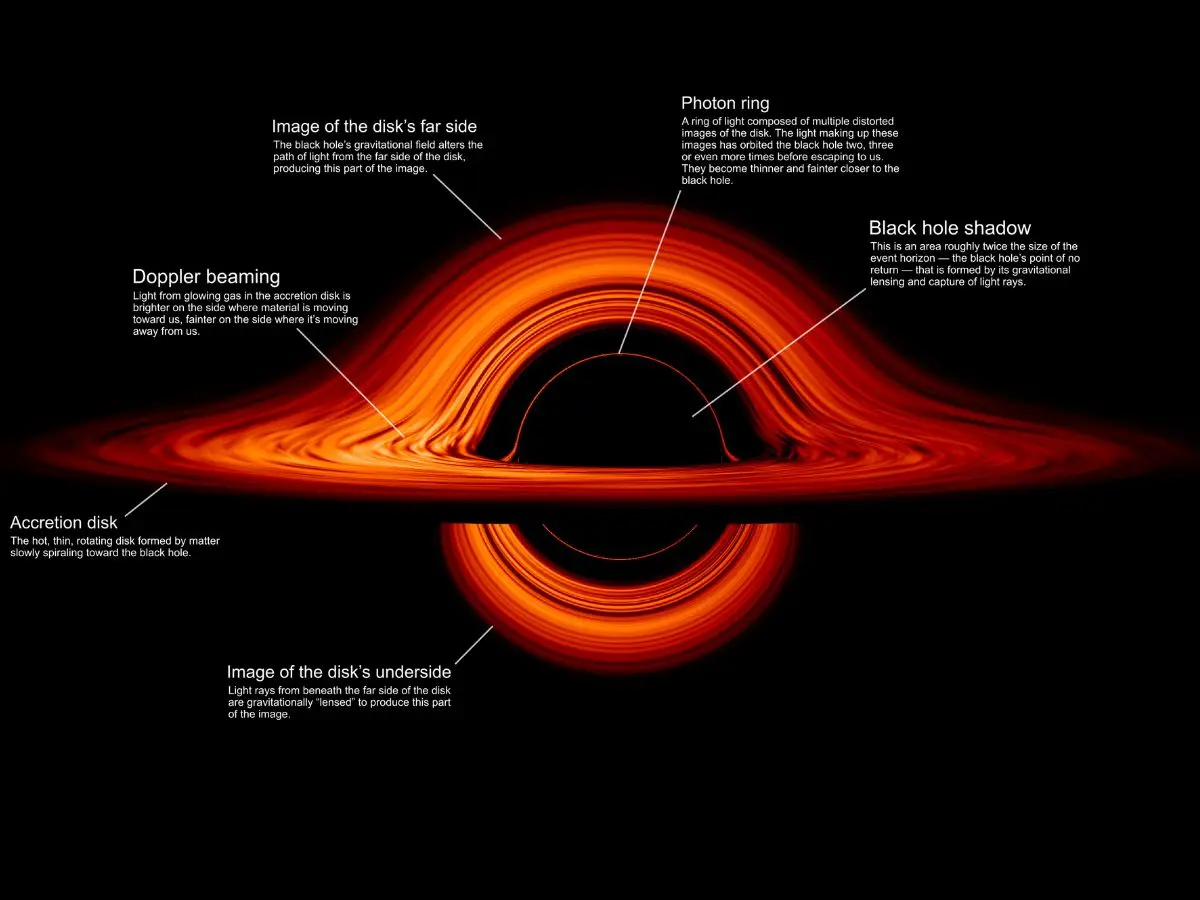
What began as the musings of 18th-century thinkers has become one of the most dramatic discoveries in modern science. Black holes were imagined long before they were proven, doubted even as equations hinted at their presence, and finally confirmed by global collaboration and cutting-edge technology. Their journey from speculation to reality is a reminder that the universe still holds secrets we have yet to uncover.
)
)
)
)
)